

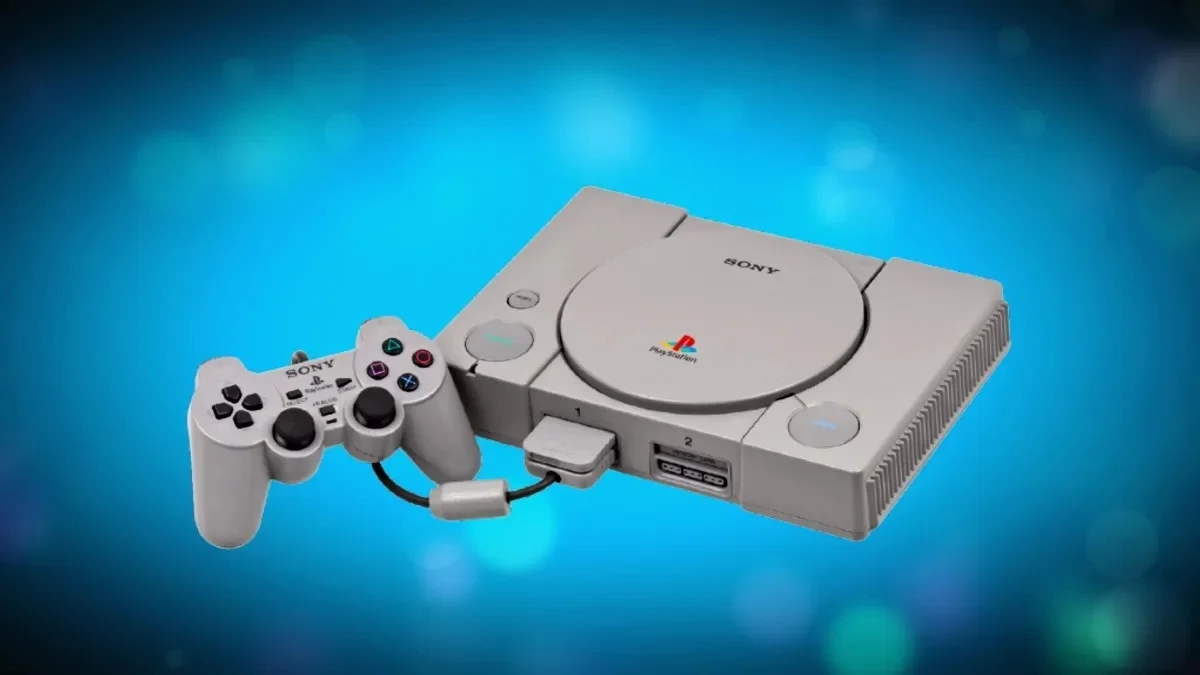
For over two decades, a vocal segment of the gaming community has held a flickering torch for one of the most beloved relics of the PlayStation 1 era. Dino Crisis, the 1999 survival horror masterpiece directed and produced by the legendary Shinji Mikami, has remained trapped in a state of cryogenic suspension since the release of Dino Crisis 3 in 2003. Now, following a surge of activity within the rumor mill, whispers suggest that Capcom is finally preparing to thaw out the franchise. If the latest reports hold weight, the prehistoric terror that once defined the turn of the millennium may be poised for a high-fidelity return to the modern gaming landscape.
Main Facts: The Return of the Apex Predator?
The gaming industry was set ablaze over the past weekend following a report from the industry-focused group "Team Biohazard." Known for their specialized tracking of Capcom’s internal operations, Team Biohazard claims that a full-scale remake of the original Dino Crisis has been in active development since 2022.
According to the leaked information, this project is being developed with the PlayStation 5 in mind, utilizing the advanced RE Engine—the same proprietary technology that has fueled the massive success of Capcom’s recent Resident Evil remakes. The report suggests an ambitious release window set for 2028 or 2029. Perhaps most controversially, the source claims that the title is being positioned as a digital-only launch, a strategic pivot that mirrors the industry’s broader shift away from physical media.
While the prospect of returning to Ibis Island to face the hyper-aggressive Velociraptors is tantalizing, industry veterans urge caution. Team Biohazard has a history of providing accurate insider information, yet they have occasionally found themselves at odds with other high-profile leakers, such as the well-known insider Dusk Golem. Consequently, while the news has ignited social media, it remains firmly in the category of unverified speculation until Capcom chooses to break its long-standing silence.
A Chronological Descent: From 1999 to Oblivion
To understand the weight of this rumor, one must understand the legacy of Dino Crisis. Released in 1999, just three years after the original Resident Evil, Dino Crisis was billed as "panic horror." Where Resident Evil focused on the slow, methodical dread of the undead, Dino Crisis emphasized speed, agility, and the overwhelming ferocity of prehistoric predators.
- 1999: Dino Crisis launches on the PlayStation, becoming a critical and commercial success. Its cinematic camera angles and intelligent AI—which allowed dinosaurs to track players across rooms—set a new standard for the genre.
- 2000: The sequel, Dino Crisis 2, shifts the gameplay focus toward arcade-style action. While it moved away from the survival horror roots, it remains a cult classic for its fast-paced combat and deep weapon customization.
- 2003: The franchise enters a downward spiral with Dino Crisis 3 on the original Xbox. Set in space, the game was panned for its clunky camera controls and bizarre narrative choices. The series was effectively put on ice following this disappointment.
- 2003–2024: A long, silent drought. Despite recurring fan petitions and a constant stream of requests on social media, Capcom ignored the franchise for twenty years, seemingly prioritizing the Resident Evil and Monster Hunter brands.
- 2023: Capcom attempts to capitalize on the "dinosaur" market with Exoprimal. However, the game—a multiplayer-focused shooter—failed to capture the spirit of Dino Crisis and was met with a lukewarm reception. Support for the title was officially shuttered just one year later.
Supporting Data: Why Now?
The logic behind a Dino Crisis remake is sound, even beyond the nostalgia factor. Capcom has spent the last decade perfecting the "remake formula." By successfully reimagining Resident Evil 2, 3, and 4, the company has created a blueprint for modernizing legacy titles without alienating original fans.
The success of these remakes is not merely anecdotal. Resident Evil 4 Remake (2023) sold over seven million units within its first year, proving that there is a massive market for high-budget, single-player survival horror experiences. Furthermore, the RE Engine is already optimized for high-intensity, reactive combat, which is exactly what a Dino Crisis remake would require to function in 2028.
Furthermore, the failure of Exoprimal serves as a crucial data point. Capcom’s attempt to introduce a new dinosaur intellectual property (IP) through a multiplayer lens proved that gamers do not necessarily want "just any dinosaur game." They want the specific, grounded, atmospheric tension that Dino Crisis provided. By pivoting back to the original IP, Capcom would be leveraging a brand that already has a pre-built, passionate fanbase, significantly reducing the marketing risk associated with launching a new franchise.
Official Responses: The Sound of Silence
As of the date of this report, Capcom has maintained its characteristic policy of refusing to comment on rumors or leaks. In the past, when asked about the potential for a Dino Crisis revival during shareholder meetings or investor Q&A sessions, Capcom representatives have historically acknowledged the passion of the fans without committing to a production schedule.
The closest thing to an official acknowledgement of the series in recent years occurred during the lead-up to Exoprimal’s launch. In promotional materials, developers mentioned the influence of the survival horror genre, though they were careful to distinguish Exoprimal from the Dino Crisis series. Since the sunsetting of Exoprimal in 2024, the studio has returned to total radio silence regarding their dinosaur-related intellectual properties. This silence is typical for the publisher, which prefers to time its announcements for major industry showcases such as the Tokyo Game Show or the Summer Game Fest.
Implications: A New Era for Survival Horror
If this rumored development cycle is accurate, the implications for the survival horror genre are significant.
The Evolution of Tension
Modern gaming hardware allows for AI behaviors that were impossible in 1999. A modern Dino Crisis could feature dinosaurs that exhibit true pack-hunting intelligence, environmental awareness, and dynamic pathfinding. The "panic" element of the original game would be amplified exponentially by the fidelity of modern audio-visual design, turning the pursuit sequences into truly terrifying ordeals.
The Digital-Only Paradigm
The rumor that the game will be a digital-only release is perhaps the most contentious aspect of the report. For many collectors, physical media is essential for the preservation of survival horror titles. If Capcom opts for a digital-only release in 2028/2029, it could signify a permanent shift in how the publisher handles its "B-tier" but high-budget legacy revivals. This could alienate a portion of the fanbase, but it would also streamline distribution costs and align with the current trends of the PlayStation Store and Steam.
A Renaissance of 90s Horror
Should Dino Crisis succeed, it would open the floodgates for other dormant Capcom franchises. The company owns a deep library of titles that are currently sitting idle, including Onimusha and Darkstalkers. A successful revival of Regina’s battle against the prehistoric past would prove that Capcom’s "Remake Era" has no expiration date, effectively turning their historical catalog into a recurring revenue stream for the next decade.
Conclusion
Whether the whispers from Team Biohazard are the harbinger of a genuine revival or merely the manifestation of long-term fan desperation remains to be seen. However, the ingredients for a Dino Crisis resurgence are undoubtedly present. With a proven development engine, a demonstrated hunger in the market for survival horror, and a twenty-year absence that has only served to sharpen the brand’s nostalgic edge, the conditions for a return to Ibis Island have never been better.
For now, the fans wait. They wait for the telltale sound of a raptor’s claws on a metal floor, for the flash of a shotgun muzzle in a dark corridor, and for the moment Capcom finally decides that it is time for the dinosaurs to roam again. Until then, the jungle remains quiet—but for how much longer, only Capcom knows.

