

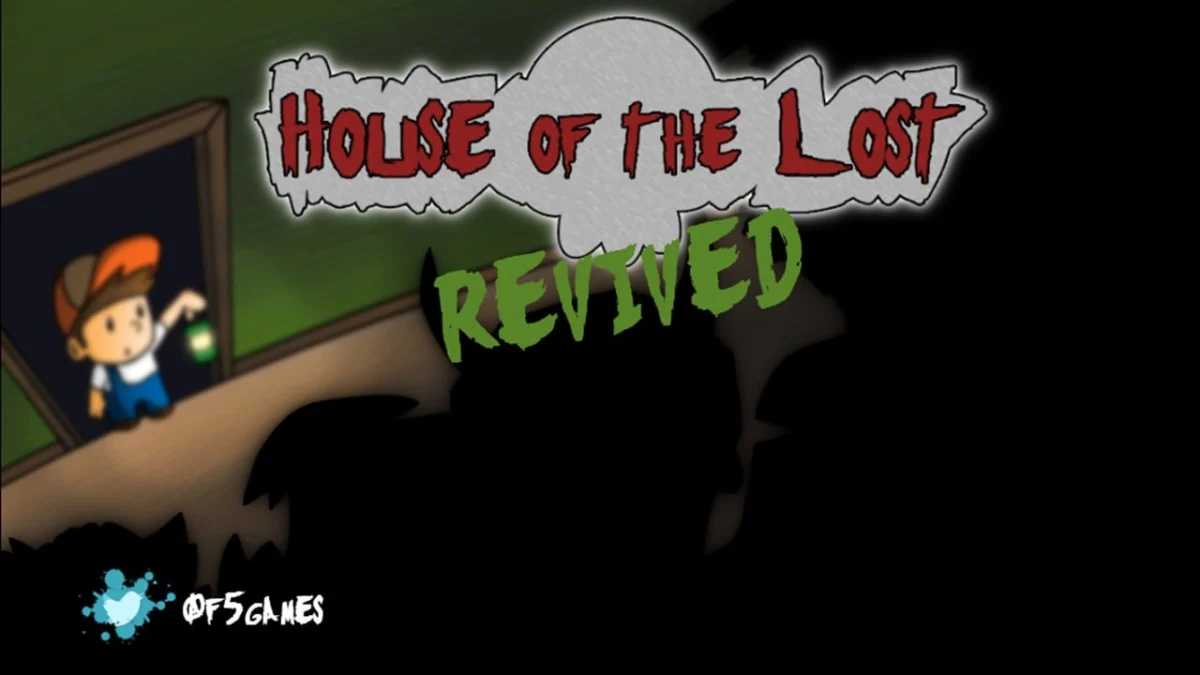
In the rapidly evolving landscape of mobile gaming, few titles manage to capture the elusive "cult classic" status. However, for those who navigated the early days of mobile roguelikes, House of the Lost was a benchmark title. First released in 2013, it proved that the complex, high-stakes mechanics of the roguelike genre—traditionally reserved for PC and console—could thrive on the intimacy of a touchscreen. After a five-year hiatus following its removal from the App Store in 2019, the title is finally making a triumphant return. Developed and published by F5 Games, House of the Lost: Revived is not merely a port; it is a comprehensive overhaul designed to bring the haunting atmosphere of the original to a new generation of players on both iOS and Android.
A Legacy Reclaimed: The Chronology of a Cult Hit
To understand the significance of House of the Lost: Revived, one must look back at the mobile gaming climate of 2013. The App Store was dominated by casual "endless runner" games and simple physics puzzles. When House of the Lost arrived, it offered something radically different: a top-down, dungeon-crawling experience that demanded patience, strategy, and a high tolerance for difficulty.
The game earned its reputation as one of the pioneers of the mobile roguelike genre. By successfully blending the procedural generation of The Binding of Isaac with the top-down exploration mechanics reminiscent of classic Zelda titles, it carved out a unique niche. However, as mobile operating systems updated, the game’s original code struggled to keep pace. Technical debt and compatibility issues eventually forced its removal in 2019, leaving a void for its dedicated fanbase.
The road to revival began in the background, with F5 Games recognizing that the core gameplay loop remained timeless. The decision to bring it back wasn’t just about restoring a defunct app; it was about re-optimizing the engine to meet modern hardware standards. After years of development, House of the Lost: Revived launched on July 16, marking the first time the franchise has ever been accessible to Android users, thereby expanding its potential audience significantly.
Core Gameplay: Surviving the Haunted Mansion
The narrative premise of House of the Lost remains as poignant and simple as it was in 2013. Players assume the role of an intrepid protagonist whose sister has vanished into the eponymous House of the Lost—a sprawling, supernatural mansion. Armed with little more than a slingshot and a drive to survive, the player must navigate procedurally generated corridors teeming with malevolent spirits, traps, and bosses.
The Mechanics of Survival
The core loop remains centered on three pillars: exploration, combat, and crafting.
- Procedural Generation: No two runs are the same. Every time a player enters the mansion, the floor plans, enemy placements, and loot drops are randomized. This ensures that the challenge remains fresh and prevents the "memorization" of paths that often plagues fixed-level dungeon crawlers.
- Strategic Combat: While the original relied on rigid controls, Revived introduces modern flexibility. Players can choose between a new, fluid directional shooting system—which feels more intuitive for modern touchscreens—or toggle back to the classic NES-style button controls, catering to nostalgic purists.
- Weapon Crafting: A significant portion of the player’s time is spent at crafting stations. By combining items scavenged throughout the mansion, players can forge powerful tools and weapons. Mastering these combinations is essential to surviving the game’s four distinct haunted environments, each of which introduces new hazards and escalating difficulty.
Modernizing the Experience: What’s New?
F5 Games has been careful not to strip away the "soul" of the original while applying necessary modern polish. House of the Lost: Revived is not just a remaster; it is a refinement.
Visual and Technical Overhaul
The most immediate change is the visual fidelity. The sprites and environments have been cleaned up and sharpened, ensuring they look crisp on modern high-resolution displays. The lighting effects, particularly in the darker, more claustrophobic corners of the house, have been enhanced to create a more atmospheric and tense experience.
Expanded Platform Support
Perhaps the most significant change is the move to a cross-platform strategy. By porting the game to Android, F5 Games has addressed a major grievance of the original’s fans. Furthermore, the inclusion of online leaderboards and a robust achievements system adds a layer of competitive longevity that the 2013 version lacked. This allows the community to compare their "run times" and survival strategies, fostering a sense of shared challenge.
The Business Model: A Fair Approach
In an era where "Free-to-Play" often translates to "Pay-to-Win" or intrusive, ad-heavy experiences, House of the Lost: Revived adopts a more transparent model. The game is available as a free download, allowing players to experience the first two levels and the inaugural boss battle in their entirety. This acts as an extended demo, giving the player a clear understanding of the game’s difficulty curve and mechanics.
For those who find themselves hooked, the full game is unlocked via a one-time purchase. Crucially, this purchase removes all ads and unlocks the remaining content, providing a complete, offline-capable experience. This "premium" approach is a welcome return to form for mobile gaming, appealing to players who are fatigued by subscription services and microtransactions. The game functions entirely offline, meaning players do not need a persistent data connection to enjoy their progress, making it an ideal companion for long-form, uninterrupted gaming sessions.
Implications for the Roguelike Genre
The return of House of the Lost serves as a case study for the preservation of mobile software. Historically, mobile games have been treated as disposable, often disappearing into digital oblivion once they become incompatible with OS updates. By choosing to "Revive" rather than "Reboot" or "Abandon," F5 Games is signaling that older mobile titles hold historical and entertainment value.
If this strategy proves successful, it could encourage other developers to look back into their back catalogs. There are hundreds of titles from the early 2010s that are currently inaccessible but possess deep, engaging mechanics that deserve a second life on modern hardware.
Furthermore, House of the Lost: Revived reinforces the viability of the roguelike genre on mobile. As mobile processors become more powerful, the ability to generate complex, high-quality, random dungeons in real-time has become easier than ever. The success of this title suggests that players are still hungry for games that challenge them, rather than simply offering them automated "idle" experiences.
Final Thoughts: Should You Step Inside?
Whether you are a veteran of the original 2013 release looking for a hit of nostalgia, or a newcomer to the roguelike genre seeking a portable dungeon crawler, House of the Lost: Revived offers a compelling package. It successfully bridges the gap between old-school difficulty and modern user-interface design.
The game is not for the faint of heart. It is designed to be punishing, with "way too many ways to die" serving as a core design philosophy. However, the satisfaction of finally overcoming a difficult boss after crafting the perfect weapon loadout is a feeling that few mobile games can replicate.
As the gaming industry continues to push toward cloud-based, always-online experiences, the offline, single-player focus of House of the Lost: Revived feels like a breath of fresh air. It is a testament to the fact that great gameplay doesn’t need to be constantly connected to a server to be meaningful. If you have a penchant for gothic aesthetics, challenging boss battles, and the thrill of the unknown, the doors to the House are open once more. Just remember: once you step inside, there is no guarantee you will make it out.
For those interested in exploring further in the mobile roguelike and indie space, keep an eye on emerging titles such as the recently discussed ‘Battle Chef Brigade’ from Crunchyroll, which continues the trend of bringing high-quality, unique gameplay experiences to mobile platforms.

