


It has been seven years since the gates of Garreg Mach Monastery first opened to the public, inviting players into a world defined not just by grid-based tactical combat, but by the devastating weight of human connection. When Fire Emblem: Three Houses arrived on the Nintendo Switch on July 26, 2019, it didn’t just iterate on a long-running strategy franchise; it fundamentally altered the DNA of the series. By blending the high-stakes political maneuvering of a prestige television drama with the intimate, often agonizing character studies of a visual novel, Nintendo and Intelligent Systems created a modern classic that remains, even seven years later, a benchmark for narrative-driven RPGs.
The Architecture of a Modern Classic: Main Facts
At its core, Fire Emblem: Three Houses is a story about the intersection of individual agency and systemic rot. The continent of Fódlan is a land governed by an ancient, ossified religion and a rigid class structure that rewards the nobility while leaving the disenfranchised to wither in the shadows.
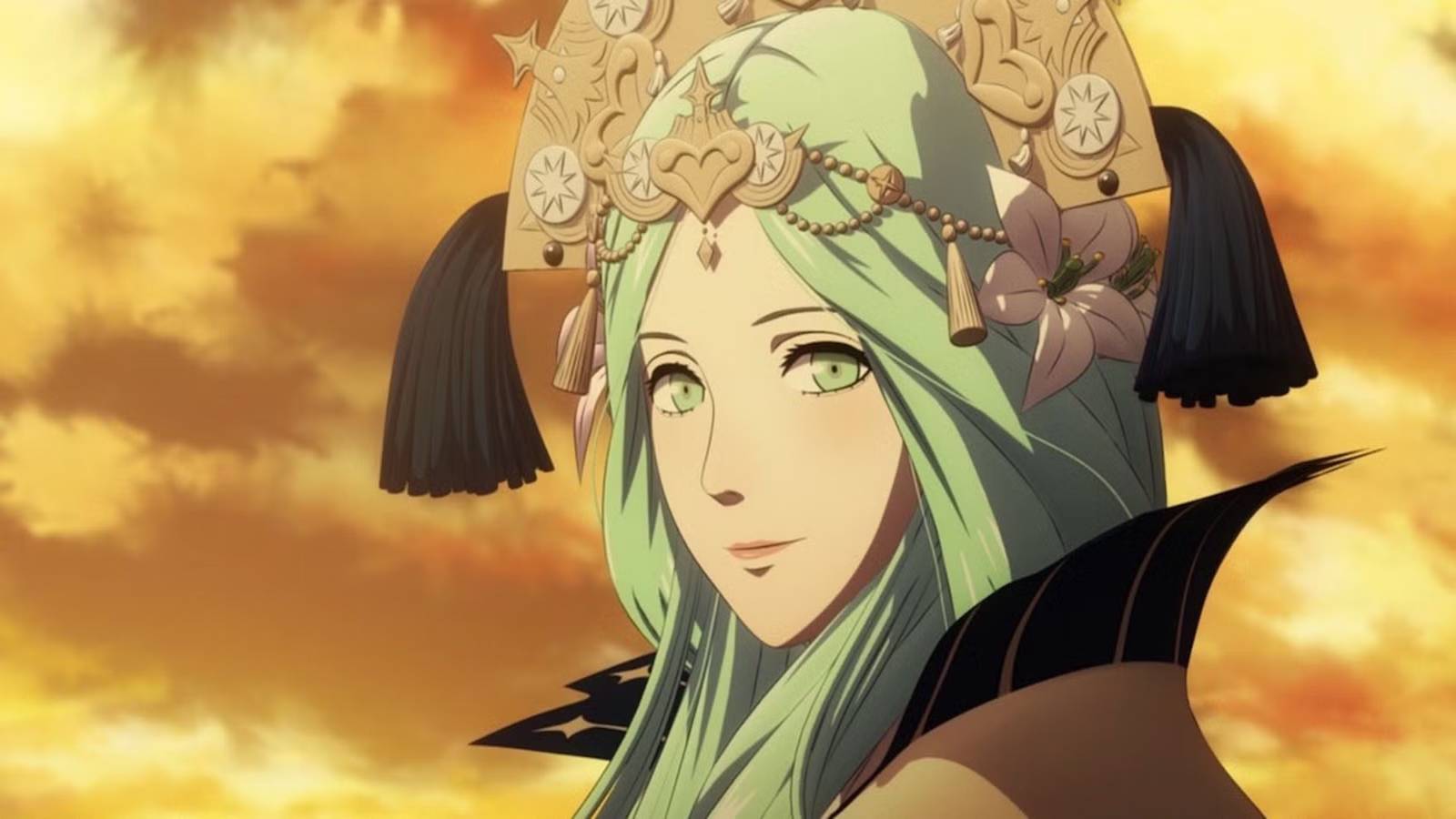
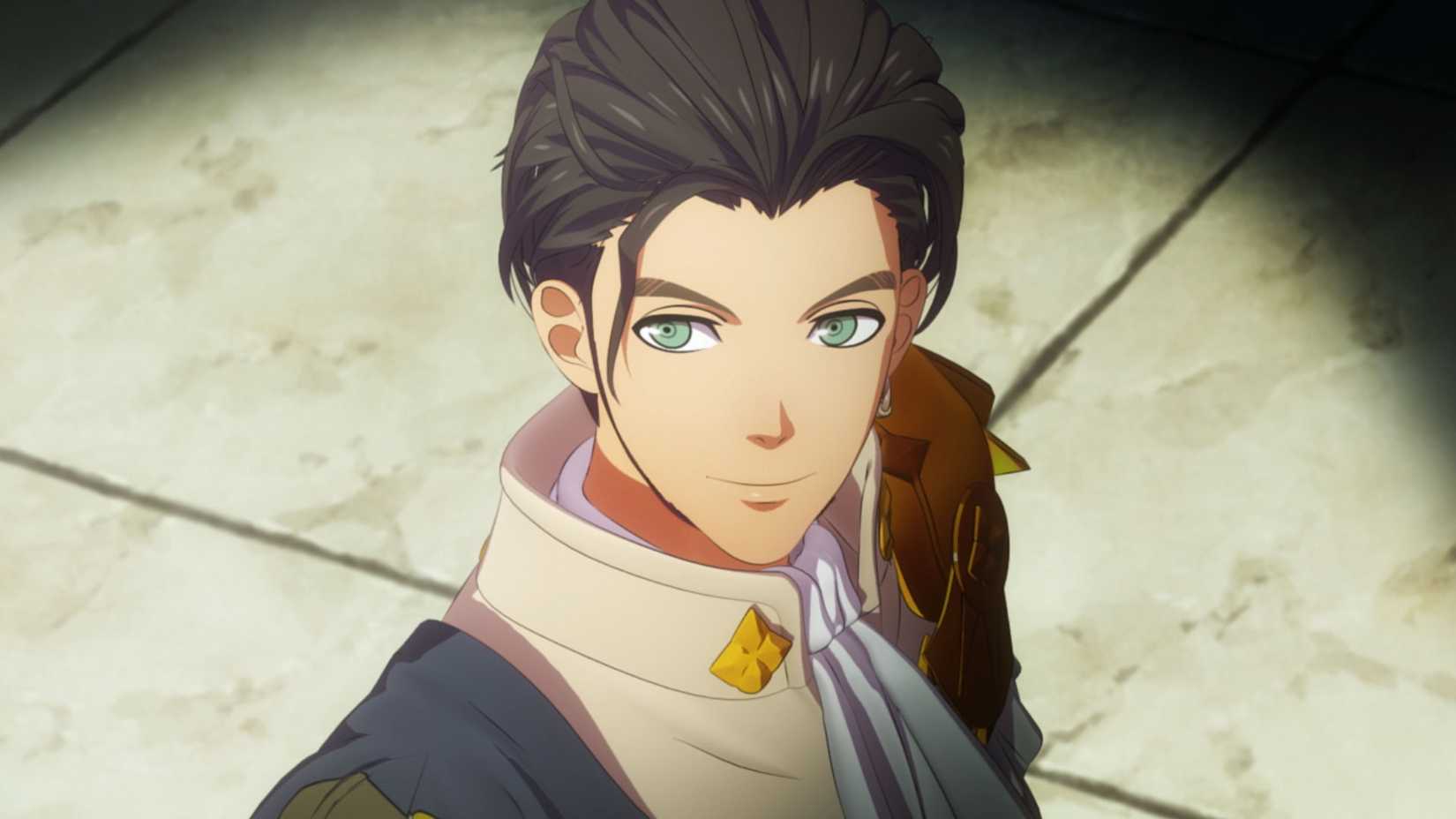
Players take on the role of Byleth, a stoic mercenary-turned-professor who finds themselves at the center of the continent’s brewing civil war. The central conceit—choosing between three disparate houses (the Black Eagles, the Blue Lions, and the Golden Deer)—serves as a narrative branching point that dictates the player’s perspective on the central conflict. Whether siding with the revolutionary fire of Edelgard, the grief-stricken nobility of Dimitri, or the cunning, pragmatic outsider Claude, the player is forced to confront the harsh reality that in Fódlan, "truth" is entirely a matter of perspective.
Unlike previous entries in the series, Three Houses moved away from simple "good vs. evil" morality plays. It opted instead for a nuanced look at radicalization, the cyclical nature of historical trauma, and the price of progress. The game’s brilliance lies in its ability to force the player into a parental, mentorship role, making the eventual betrayal and inevitable combat against former students feel like a profound personal failure rather than a scripted plot point.
A Chronological Descent into Conflict
The narrative trajectory of Three Houses is a slow-burn masterpiece.
- The Academy Phase (The "Before"): The first half of the game is deceptively light. It functions as a "life sim," where players manage classroom schedules, dine with students, and cultivate relationships. This period is essential; it builds the emotional scaffolding that makes the mid-game pivot so devastating.
- The Timeskip (The "Turning Point"): Five years after the initial departure from the monastery, the war is in full swing. The student characters, once idealistic teenagers, have been hardened by their respective ideologies. They are no longer the students the player mentored; they are soldiers, zealots, and leaders.
- The War Phase (The "Consequence"): The second half of the game is where the "soap opera" elements truly shine. The story shifts from building relationships to the tragic necessity of breaking them. The emotional weight of seeing a former pupil—someone you taught to read, someone you shared tea with—standing on the opposite side of a battlefield, willing to die for their cause, remains one of the most effective narrative devices in the history of the strategy-RPG genre.
Supporting Data: Why It Resonates
The longevity of Three Houses is evidenced by its enduring impact on the RPG landscape. With over 4 million units sold, it stands as the best-selling title in the history of the franchise, a testament to the fact that players were hungry for a deeper, more character-focused experience.
The game features over 30 recruitable characters, each with their own intricate "Support" dialogue chains. These conversations, which occur outside of the battlefield, serve as the primary vehicle for the game’s social commentary. Characters like Sylvain, whose flirtatious exterior masks a deep-seated resentment toward his family’s expectations, or Hubert, whose dark devotion to Edelgard is born from a shared childhood of terror, are not merely units to be moved on a map. They are fully realized individuals whose personal arcs challenge the player’s perception of the game’s factions.
Statistical analysis of player behavior across fan forums and social media suggests that the "Black Eagles vs. Blue Lions" debate remains one of the most active discourse topics in gaming seven years later. This level of engagement is rarely seen in single-player titles, confirming that the game’s success wasn’t just about its mechanics, but about its ability to generate meaningful, lasting emotional debate.

Official Responses and Industry Influence
Following the initial launch, the developers—Intelligent Systems and Koei Tecmo—were largely praised for their willingness to take risks. In interviews conducted in the months following the release, directors Toshiyuki Kusakihara and Genki Yokota noted that the goal was to bridge the gap between tactical veterans and a broader, more narrative-focused audience.
However, the game was not without its critics. The handling of queer representation, particularly the limited and often heteronormative nature of same-sex romance options, drew significant criticism. As noted by fans and critics at the time, the restricted options for gay male characters, in particular, felt like a missed opportunity in a game that otherwise prided itself on deep, meaningful relationship building. The "Cindered Shadows" DLC, which introduced the Ashen Wolves house, attempted to rectify some of these issues, but for many, the core game’s limitations remained a point of contention.
Implications for the Future: Fortune’s Weave
As the community looks toward the upcoming Fire Emblem: Fortune’s Weave, the implications of Three Houses‘ success are clear. The industry has shifted; players no longer want just a combat simulator. They want the drama, the personal stakes, and the gray morality that Three Houses perfected.
The "soap opera" style of storytelling—characterized by long-form character arcs, high-stakes melodrama, and intimate interpersonal conflict—has become the gold standard for the series. If Fortune’s Weave is to succeed, it must balance its tactical innovations with the same emotional intelligence that made the halls of Garreg Mach feel like a home.
Seven years later, Fire Emblem: Three Houses stands as a reminder that the most powerful weapon in a video game isn’t a legendary sword or a powerful spell; it is the player’s capacity to care about the people they are fighting alongside—and the gut-wrenching pain of having to stand against them when the world forces them apart. As Fódlan’s story continues to influence the genre, one thing remains certain: the echoes of the monastery’s halls are not fading anytime soon. The lessons learned in that classroom—about classism, faith, and the cost of revolution—continue to inform how we play, how we analyze, and how we tell stories in the medium of interactive entertainment.

