

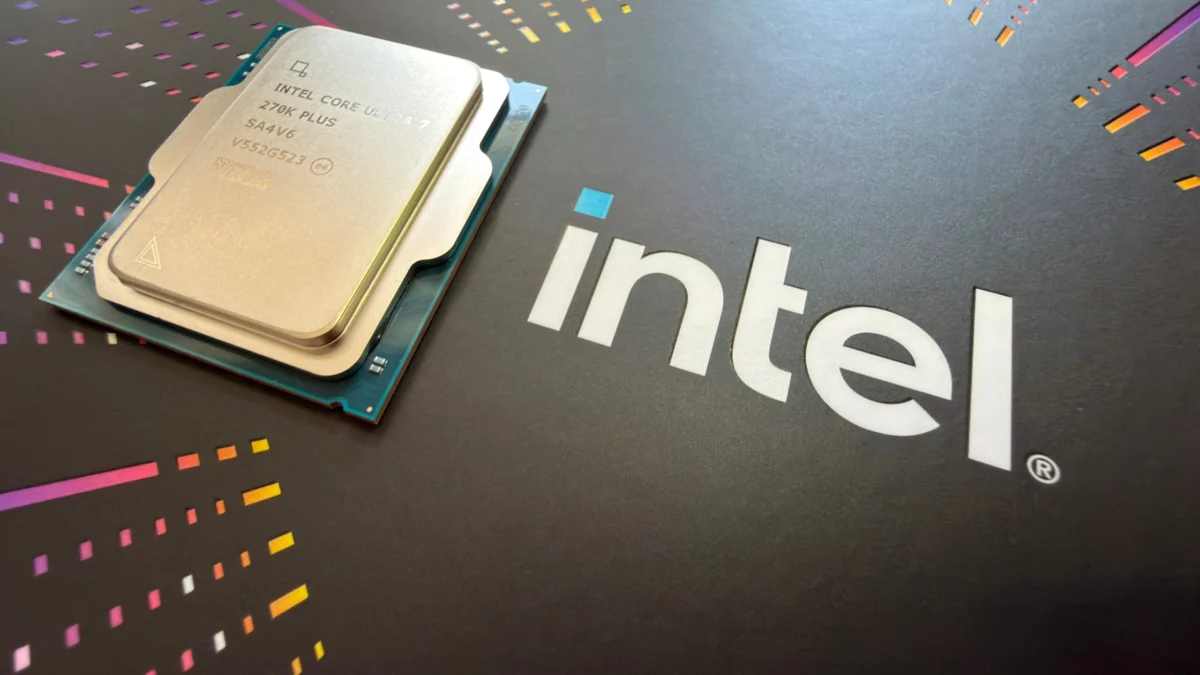
In an industry where component prices are generally expected to depreciate over time, Intel has made a surprising move that bucks the trend. Gamers and system builders looking to refresh their rigs have recently been greeted by an unexpected hurdle: a quiet, yet significant, price increase for the company’s latest Core Ultra 200S Plus processor lineup. As supply chain volatility continues to ripple through the semiconductor sector, Intel’s decision to adjust its "Recommended Customer Price" (RCP) serves as a stark reminder of the fragile balance between high-end performance and the rising costs of advanced manufacturing.
The Price Shift: A Closer Look at the Numbers
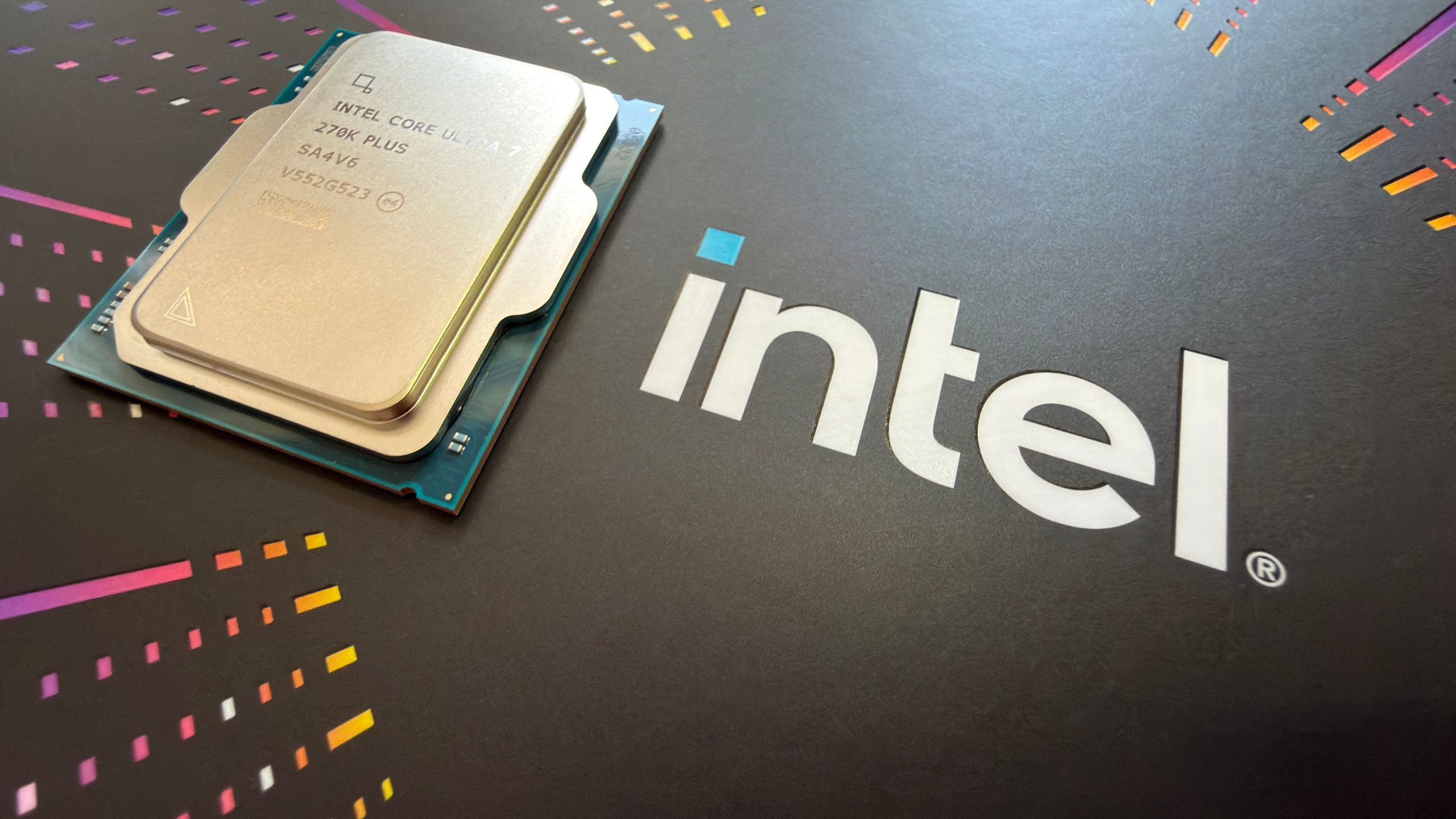
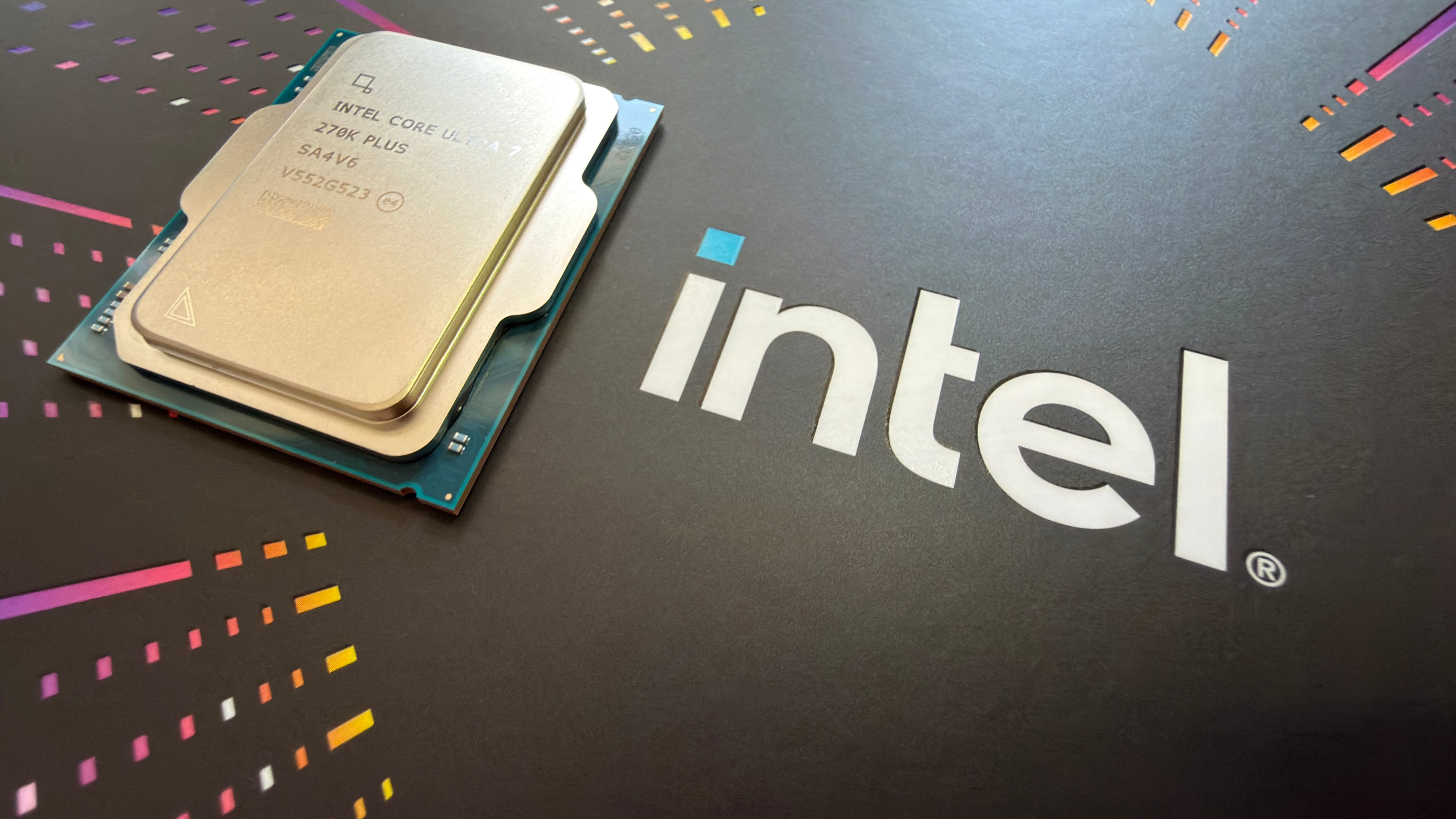
The price adjustment, first brought to light by the German hardware outlet HardwareLuxx, affects the flagship Core Ultra 7 270K Plus and the mid-range Core Ultra 5 250K Plus, along with their respective "F" variants—the versions of these chips that lack integrated graphics.
For the Core Ultra 7 270K Plus, the RCP has shifted from $339 to $349, while the entry point for the Core Ultra 5 250K Plus has moved from $219 to $229. While these increases of $40 and $20 might appear modest in the context of a multi-thousand-dollar gaming build, they represent percentage hikes of approximately 13% and 10%, respectively. In the hyper-competitive CPU market, where every dollar counts toward the total cost of ownership, such an upward shift is significant enough to cause prospective buyers to pause and reconsider their hardware budgets.
Chronology of Market Adjustments
This move did not happen in a vacuum. Over the past 12 months, the landscape of PC gaming hardware has seen a steady, often invisible, climb in costs. While enthusiasts are accustomed to the "early adopter tax"—the premium paid for the latest architecture—the mid-cycle price hike on established chips like the 200S Plus series is an unconventional tactic.
Historically, Intel and its competitors have often relied on price cuts to clear inventory or remain competitive against new product launches from rival firms like AMD. By opting for a price increase instead, Intel is signaling that the current market environment—defined by intense demand and complex manufacturing constraints—has overridden traditional product lifecycle strategies. This follows a broader industry trend where rising costs at the wafer level are increasingly being passed down to the end consumer, marking a shift away from the price-stable environment of the late 2010s.
Supporting Data: Why Performance Matters
Despite the price hike, the Core Ultra 200S Plus series remains a formidable contender in the gaming space. When analyzing performance metrics—specifically in demanding titles like Cyberpunk 2077 at 1080p with Ray Tracing Ultra and DLSS Balanced—the Core Ultra 7 270K Plus holds its own against even the most robust competition.
According to recent benchmarks, the 270K Plus delivers an average of 119 FPS with 1% lows of 98 FPS. This performance footprint places it ahead of many current-generation alternatives, including the AMD Ryzen 9 9950X3D and the Ryzen 7 9700X. The chip’s ability to maintain high frame rates while providing superior multithreaded performance for productivity tasks makes it a compelling, albeit now more expensive, choice for power users.
However, the data also highlights the fierce competition. While the 270K Plus is a superior product in pure performance, the $305 price point of the AMD Ryzen 7 9700X makes it a more attractive value proposition for the budget-conscious gamer. Intel is essentially betting that the performance headroom of the 200S Plus series is sufficient to justify the premium, even as the "value-per-dollar" gap narrows.
Official Responses and Manufacturing Realities
When queried about the rationale behind these adjustments, an Intel spokesperson provided a statement that pointed toward systemic market forces: "The recent pricing updates reflect current market dynamics, including rising supply chain costs and strong demand for our Intel Core Ultra 200S Plus processors. These updates are in line with recent price increases for other Intel product families based on similar factors."
This statement touches upon the complex reality of modern chip manufacturing. While Intel designs the Foveros interposer base tile in-house, a significant portion of the processor—including the compute, IO, and graphics chiplets—is manufactured by TSMC.
The semiconductor supply chain is currently dealing with the high cost of advanced nodes. As TSMC increases its foundry prices to account for energy, labor, and the immense capital expenditure required for cutting-edge lithography, those costs inevitably trickle down. Intel, acting as the primary customer for these chips, finds itself in a position where absorbing the full cost of manufacturing would drastically erode margins, forcing a price adjustment to maintain profitability.
Implications for the Future: The Platform Dilemma
Perhaps the most critical implication for the consumer is not the price of the CPU itself, but the long-term viability of the platform it occupies. The LGA 1851 socket, which houses the 200S Plus processors, has reached its functional end. For those purchasing a 270K Plus today, the upgrade path is effectively a dead end. There is no clear future generation of Intel processors that will be compatible with current LGA 1851 motherboards; an upgrade to future architectures, such as Nova Lake, will necessitate a complete motherboard replacement.

This creates a sharp contrast with AMD’s AM5 platform. AMD has committed to long-term support for its current socket, meaning that a motherboard purchased today for a Ryzen 5 7600X is likely to support future iterations, potentially even Zen 6. This makes the "total cost of ownership" for an AMD build significantly lower over a three-to-five-year period compared to an Intel build, which currently mandates a "rip-and-replace" strategy for any meaningful future upgrades.
Conclusion: Weighing the Trade-offs
The decision by Intel to increase the pricing of its Core Ultra 200S Plus lineup is a reflection of the harsh realities of 2025’s semiconductor market. It is a calculated move that weighs brand loyalty and performance leadership against the risk of alienating price-sensitive consumers.
For the enthusiast who demands top-tier performance today, the 270K Plus and 250K Plus remain excellent silicon. The architectural benefits, particularly in multithreaded workflows, are undeniable. However, the combination of a higher entry price and the lack of a future-proof motherboard socket creates a significant barrier to entry.
As consumers navigate this landscape, the decision to invest in Intel’s current ecosystem will come down to a choice between immediate performance gratification and long-term platform flexibility. While we are fortunate that neither Intel nor AMD has resorted to astronomical price gouging, the days of falling hardware prices seem to be behind us. In this new era, the consumer must be more diligent than ever, factoring in not just the sticker price of the CPU, but the hidden costs of the platform and the long-term roadmap of their chosen hardware ecosystem.

