


The landscape of indie puzzle gaming has undergone a subtle but seismic shift over the last eighteen months. While high-budget blockbusters continue to dominate the headlines, a quiet revolution has been brewing in the corners of Itch.io—a movement defined by desktop-based interfaces, deep-dive forensic investigation, and a commitment to narrative complexity that mirrors the golden age of mystery literature.
At the center of this movement is a collaborative phenomenon between developers William Rous, Jeremy Johnston, and the enigmatic studio Evil Trout. Their latest project, The Incident at Galley House, released this week to immediate critical and commercial acclaim, marks a high point in a string of successes that began with the cult-classic hit The Roottrees are Dead. With a staggering 97% positive rating from over 600 reviews on Steam, The Incident at Galley House is not just a game; it is a case study in how the humble browser-based prototype can be transmuted into a polished, definitive genre experience.
The Genesis: A New Wave of Deduction
For those who spent 2025 immersed in the intricacies of Blue Prince—the game that claimed PC Gamer’s ‘Best Design’ award—the emergence of a new breed of detective games feels like a natural evolution. These games prioritize the player’s cognitive labor over twitch reflexes. They cast the player as a digital sleuth, trapped behind a computer screen, sifting through databases, family trees, and fragmented memories to reconstruct events that have long since faded into obscurity.
The Roottrees are Dead set the template. It was a game that asked players to sit at a virtual computer, effectively simulating the work of a genealogist and private investigator simultaneously. It wasn’t the first game to utilize the "desktop-as-UI" conceit, but its execution was so precise, so dense with secrets, and so narratively satisfying that it immediately galvanized a community of puzzle-hungry players. It proved that in an era of cinematic spectacle, there is still a voracious appetite for "paper-pushing" gameplay that rewards logic, patience, and meticulous note-taking.
A Chronology of Collaboration
The rapid transformation of these titles from free browser curiosities to paid, feature-rich Steam titles is a testament to the power of the indie development ecosystem.
The Roottrees are Dead: The Blueprint
The success of The Roottrees are Dead was, in many ways, an accident of fate. Initially released as a visually sparse project on Itch.io, it captured the attention of a wide audience, including fellow developer Evil Trout. In a move that highlights the communal nature of the indie scene, Evil Trout reached out to designer Jeremy Johnston via Discord, proposing that the project deserved a larger, more permanent platform.
"He and I collaborated to make that happen," Johnston noted in an official developer log. "I handled the design work and the expansion of the writing, while he tackled the coding and the technical infrastructure. The result was a remake that felt like a complete, standalone masterwork."
The Birth of The Incident at Galley House
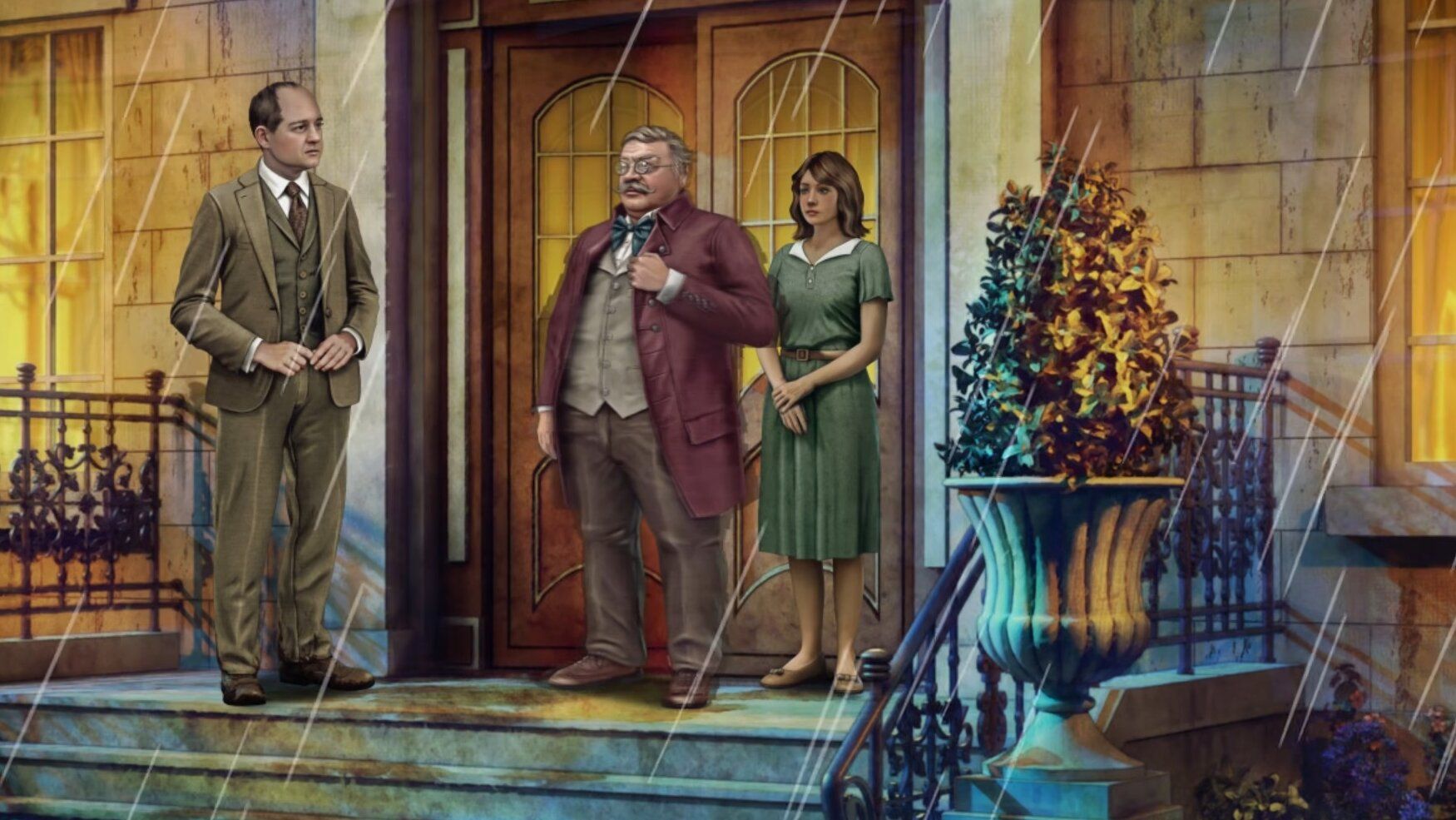
Following the triumph of the Roottrees remake, the duo sought a new challenge. The transition to their next project, The Incident at Galley House, was spurred by the emergence of another free mystery game on Itch.io: Type Help, developed by William Rous.
Type Help was a strictly text-based experience that nonetheless garnered immense praise for its narrative punch. In December 2025, PC Gamer contributor Abbie Stone highlighted the game as one of the essential titles that defined the "best year ever" for the detective genre. The hope was that a dedicated remake could retain the "stripped-back magic" of the original while adding the production values necessary to bring it to a wider audience.
Supporting Data: Why Players Are Engaging
The reception to The Incident at Galley House is not merely anecdotal. The 97% positive review score on Steam speaks to a highly specific demographic of players who are currently starving for high-concept mystery content.
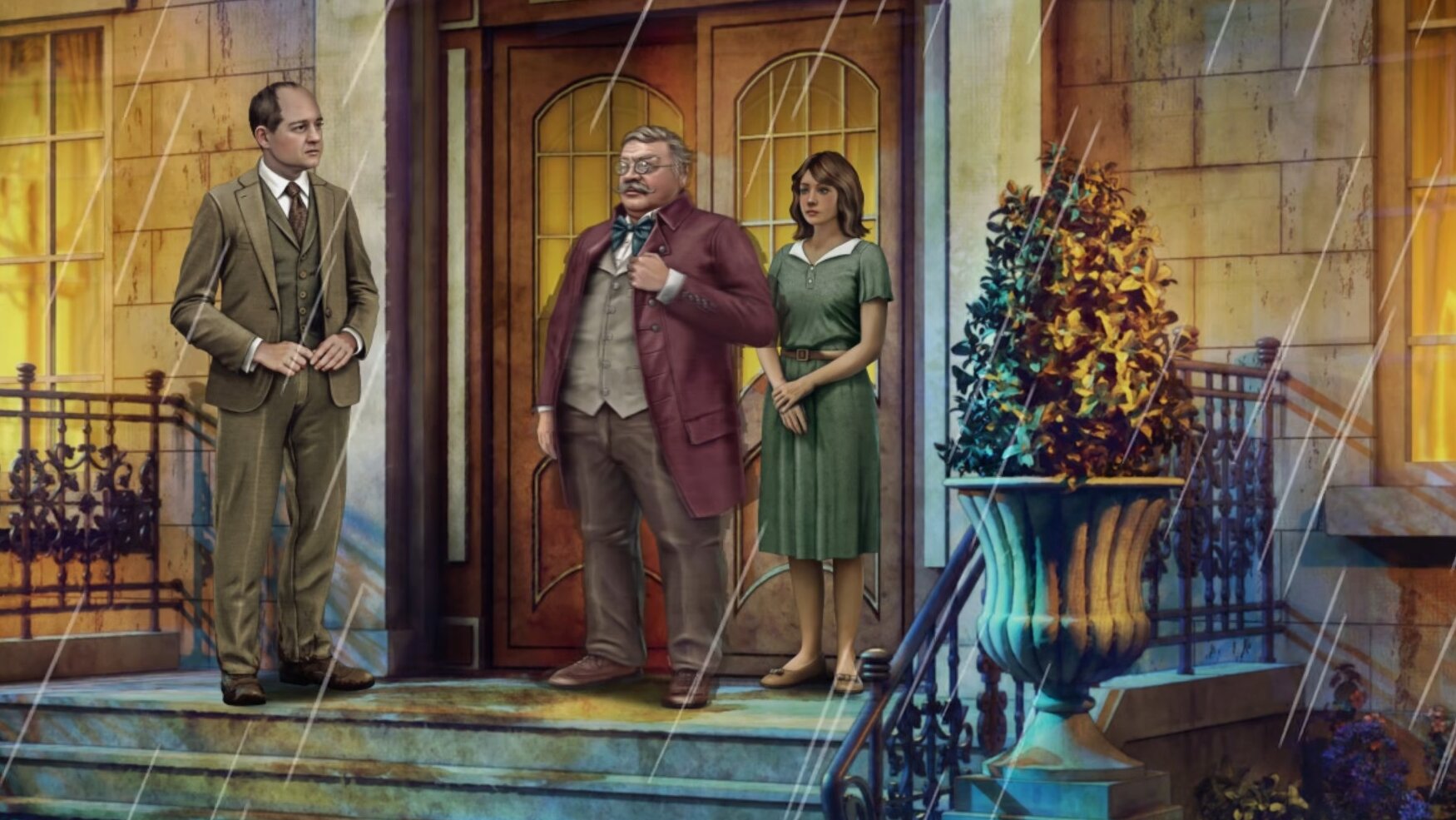
Unlike many contemporary puzzle games that rely on physics-based mechanics or platforming, these titles rely on "information architecture." The engagement metrics for these games show that players spend hours on single screens, cross-referencing clues and building internal mental models of the game’s characters. The shift from the text-only interface of Type Help to the visual-novel style of Galley House—which includes 2D character illustrations and a "mysterious 3D interface for navigating memories"—has expanded the accessibility of the genre without diluting its intellectual rigor.
Official Perspectives: The Developer Philosophy
The collaborative nature of these projects has been a focal point for the creators. In a recent in-depth interview with Games Industry, the developers discussed the philosophy behind "turning a cult free game into a Steam hit."
For Rous, Johnston, and Evil Trout, the primary goal was to respect the integrity of the original source material while leveraging the tools of modern game development. "It wasn’t just about adding graphics," the team indicated. "It was about creating a cohesive interface that makes the act of discovery feel tactile and earned."
The developers have been transparent about the fact that they are standing on the shoulders of giants. While Return of the Obra Dinn is frequently cited as the gold standard for the modern detective genre—a game that forces the player to deduce the fates of dozens of individuals based on static, frozen moments in time—this current crop of developers is clearly attempting to bridge the gap between traditional narrative-heavy mystery games and the "desktop simulation" genre.
Implications for the Future of Indie Mystery
The success of The Incident at Galley House sends a clear signal to the indie development scene: the detective genre is not a niche interest; it is a thriving ecosystem.
1. The Death of the "Simple" Mystery
As developers continue to iterate on the desktop-interface model, we can expect to see an increase in complexity. The reliance on voice acting, 3D navigation, and branching narrative paths suggests that these games are evolving into a hybrid of the visual novel and the immersive sim.
2. The Itch.io-to-Steam Pipeline
The success of this specific collaboration creates a repeatable model for other developers. By utilizing Itch.io as an incubation chamber for mechanics and narrative concepts, developers can gauge audience interest before committing the time and resources required for a full Steam release. This reduces the risk for solo developers and creates a more robust feedback loop between the creator and the player.
3. A Return to "Analog" Logic
Perhaps the most significant implication is the shift away from hand-holding. In The Incident at Galley House, the player is responsible for the deduction. There are no quest markers and no "hint systems" that trivialize the mystery. This resurgence of "hard" puzzle design suggests that there is a growing player base that actively seeks frustration as a component of the reward cycle. As Abbie Stone noted regarding Type Help, players are willing to "endure a deliberately frustrating interface for the rush of those deductions."
Conclusion
The Incident at Galley House is currently available for $20 (with a 10% launch discount running through July 21). It stands as a beacon for what is possible when developers prioritize narrative density and player intelligence. Whether or not it will achieve the same long-term cultural legacy as Return of the Obra Dinn remains to be seen, but it has certainly cemented its place as a cornerstone of the 2025/2026 detective game revival.
For the player who enjoys the sensation of untangling a complex web of lies, or for those who simply miss the days when a game was measured by the depth of its writing rather than the fidelity of its textures, The Incident at Galley House is a mandatory experience. It is a reminder that in the vast, noisy world of gaming, sometimes the most compelling stories are the ones hidden in the files of a virtual computer, waiting for someone to sit down and start reading.

