


In an industry currently defined by volatility, studio closures, and shifting production models, Canadian developer Blackbird Interactive has carved out a position of remarkable stability. Founded in 2007 by alumni of Relic Entertainment and EA Canada, the studio has evolved from a boutique operation into a versatile powerhouse that balances original IP creation with high-level work-for-hire (WFH) and co-development projects.
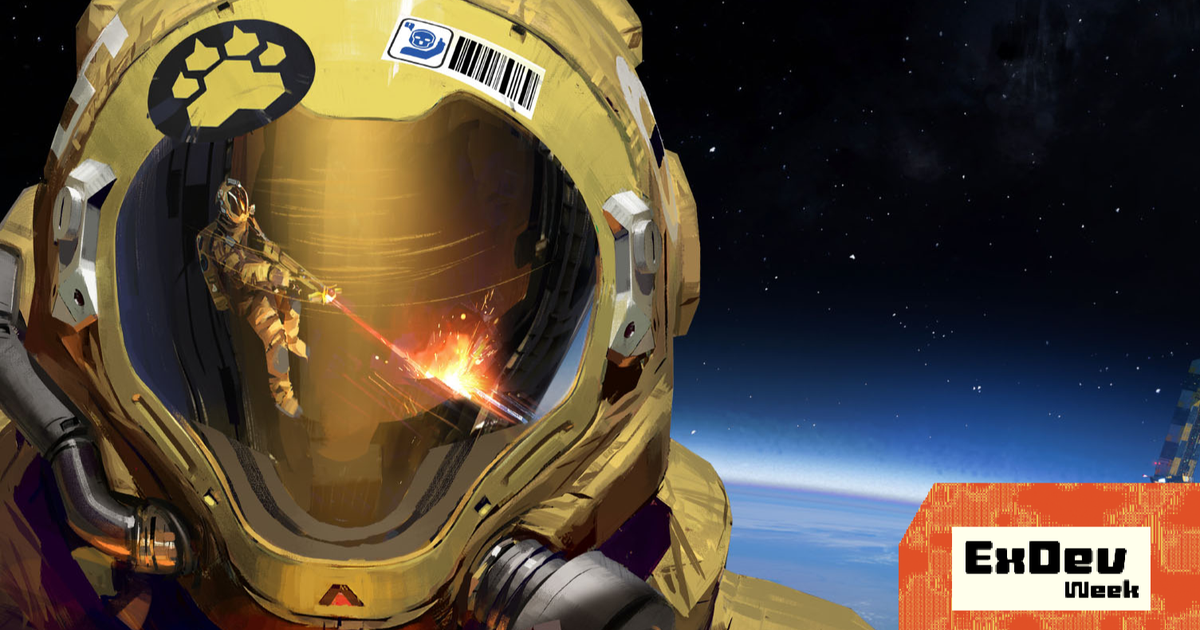
While the studio is perhaps best known for the critical acclaim of Hardspace: Shipbreaker—for which it recently acquired full IP rights in 2025—its engine is fueled by a deliberate, dual-track business strategy. By embracing the role of a "service partner" alongside its identity as an independent creator, Blackbird has successfully insulated itself against the boom-and-bust cycles that have claimed many of its peers.
A Legacy of Co-Development: From Silicon & Synapse to Blackbird
The Blackbird business model is built on the philosophy of the "reinvestment loop." Revenue generated from external development contracts provides the capital necessary to nurture original internal projects. This strategy is not unique to Blackbird; in fact, it is a lineage the studio is proud to claim.
Rory McGuire, president and chief creative officer at Blackbird, draws direct parallels to industry titan Gearbox Software. "They gave us a lot of advice on how to structure the business," McGuire explains. "They referred us to other studios that had been using this model, and it’s actually quite ubiquitous. Blizzard got started this way."
Indeed, before the world knew it as the architect of World of Warcraft, Blizzard operated as "Silicon & Synapse," building its reputation—and its bank account—by porting titles like The Lord of the Rings, Vol. I to the Amiga. By following this path, Blackbird ensures that it remains an agile entity, constantly learning from the codebases and workflows of the world’s largest publishers.
Chronology of Collaboration: A Diverse Portfolio
Blackbird’s resume is a testament to its technical range. The studio has moved well beyond its roots as an RTS-focused developer, working on projects that span genres, engines, and platforms.

- 2016: The release of Homeworld: Deserts of Kharak established the studio’s internal creative capabilities.
- 2022: The successful launch of Hardspace: Shipbreaker, published by Focus Entertainment, marked a high point for the studio’s original output.
- 2023: A year of intense industry shifts, during which Blackbird navigated the instability of the market by leveraging its diverse partner base.
- 2024: The studio delivered remasters of the classic Warcraft 1 and 2, a project that allowed their team to study decades-old architecture while providing a masterclass in modernization.
- 2025: Blackbird solidified its independence by purchasing the full IP rights to Hardspace: Shipbreaker, signaling a shift toward long-term ownership of its successes.
Beyond these highlights, the studio has maintained a quiet but significant presence in the background of major hits, contributing to Minecraft Legends, Homeworld 3, Escape the Backrooms, and the Terran Armada DLC for Bethesda’s Starfield. Perhaps most telling of its industry standing is a year-long, previously undisclosed collaboration with Respawn Entertainment on Apex Legends.
The Human Element: Balancing Passion with Service
One of the primary challenges in an external development model is maintaining employee morale when staff are frequently shifted between projects they may not have initiated. McGuire addresses this with a "litmus test" of excitement.
"It’s definitely complicated," McGuire admits. "You have to invest more time into it than you would think. A big part of it is making sure that the people are excited about working on the thing."

The studio utilizes a granular approach to talent management. For instance, when assigned a porting project—which some developers might find tedious—McGuire looks for staff who find personal value in the work. "There are some people that would say, ‘Oh, that’s a 10-year-old game, there’s no creative challenge there.’ And then there’s another person that’ll say, ‘Oh, if I work on that, my kids will think I’m Gandalf.’ You have to find who is excited about it."
Alex Delamaire, director of business and development strategy, notes that this variety is actually a competitive advantage. It prevents creative stagnation and allows staff to sharpen their skills across disparate technologies and genres, such as when the studio took on the horror title Escape the Backrooms, despite its RTS background.
The Economics of External Development
The business logic for this model is underscored by stark financial realities. As the games industry moves toward "movie-style" production—where companies maintain a lean core team and scale up via external partners—studios like Blackbird find themselves in high demand.

Competitive Advantages
- Geographic Arbitrage: As McGuire notes, the cost of operations in Vancouver is significantly more favorable than in traditional US hubs. According to 2025 CBRE research, the cost of running a 500-person studio in Vancouver is roughly $41.7 million annually, compared to $86.7 million in the San Francisco Bay Area.
- Time Zone Alignment: While emerging markets in Asia offer lower labor costs, they often struggle with the communication overhead of massive time zone differences. Blackbird leverages its North American location as a key service differentiator.
- Cultural Fit: Unlike pure labor-arbitrage shops, Blackbird brings the perspective of an original IP creator. When working on a sci-fi game, they aren’t just "producing assets"; they are applying the institutional knowledge gained from making their own sci-fi titles.
However, the studio is not immune to global pressures. "Our headcount price can only go so low," McGuire explains. "That’s not the case in some of these emerging markets. Brazil is a huge scene that has emerged, and they have the advantage of being on a similar time zone to North America, too."
Managing the Client Relationship
Working in a service capacity requires a "humble pie" approach to development. When a client is paying the bills, their feedback carries a weight that internal directives do not.
"You have to manage the partner," says McGuire. "If a partner is asking for too much, you have to sit down and prioritize. That conversation is never easy, but it’s always respected."

This delicate dance involves navigating the complex internal politics of the client’s organization. Delamaire points out that outside developers often see "obvious" solutions to problems that a publisher has ignored for years. "There’s definitely been times where, if we had been in charge of the commercial strategy, you would have done it differently," Delamaire says. "But that was not our place. You may have an opinion, but in the end, it’s their product."
Implications for the Future
Does Blackbird dream of a future where it only makes its own games? While the goal is to grow the original IP portfolio, the studio remains pragmatic. Following the model of companies like Behaviour Interactive, Blackbird sees external development not as a necessary evil, but as a core pillar of its corporate identity.
The recent industry trend toward shorter, 6–18 month contracts means that business development has become a full-time, high-stakes hustle. By maintaining a diverse partner roster, Blackbird effectively spreads its risk; it is unlikely that all partners will face a restructuring or cancellation simultaneously.

As the industry continues to evolve, Blackbird Interactive stands as a blueprint for the modern studio: one that is small enough to be nimble, experienced enough to be trusted, and smart enough to never rely on a single source of revenue. In a landscape that is increasingly difficult to navigate, Blackbird’s ability to remain a "service-first, creative-always" studio may be the most important innovation they have brought to the market.

