

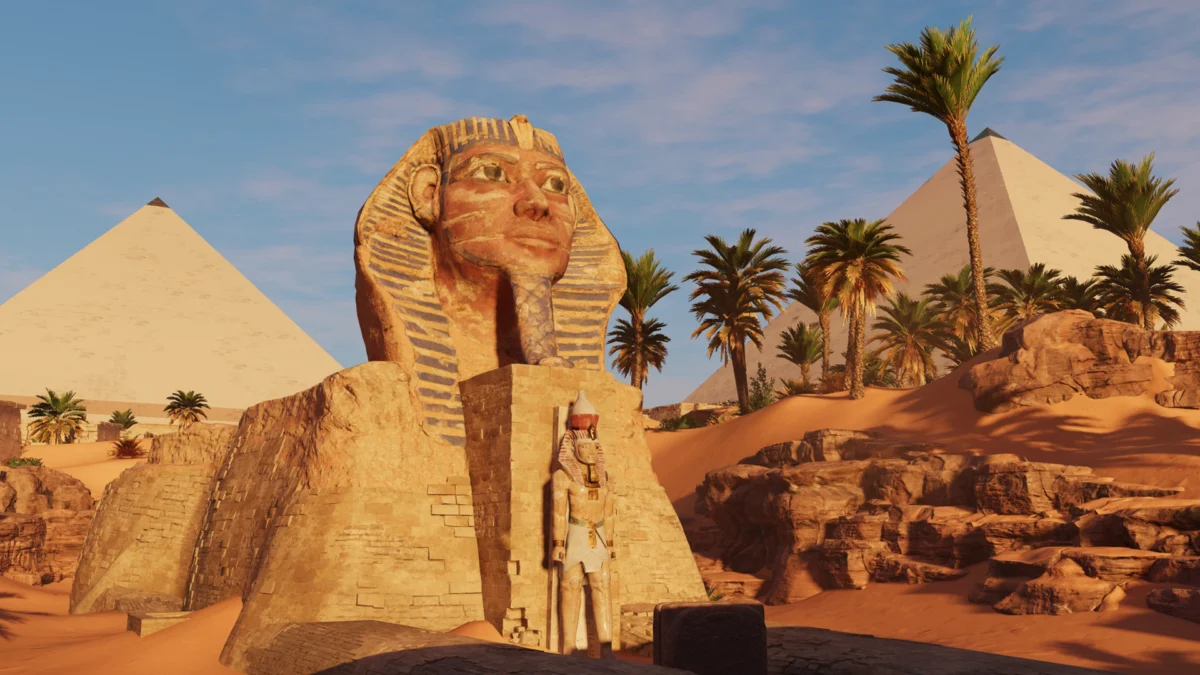
In the sprawling pantheon of Ubisoft’s Assassin’s Creed franchise, few titles have managed to capture the intersection of historical melancholy and geographic majesty as effectively as 2017’s Assassin’s Creed Origins. While the series has since traversed the sun-drenched islands of Greece in Odyssey, the icy fjords of England in Valhalla, and the neon-soaked streets of futuristic settings, Origins occupies a unique space in the hearts of franchise veterans. It was not merely a game; it was an act of archaeological preservation, a digital time machine that allowed players to walk the streets of a world in the midst of a profound, irreversible transformation.
The Twilight of the Pharaohs: Setting the Stage
Most entries in the Assassin’s Creed saga lean into the "peak" of a civilization—the Renaissance splendor of Italy or the industrial might of Victorian London. Origins took a different, more somber path. Set in Ptolemaic Egypt, the game places the player at the very end of an era. The ancient pharaonic line is flickering out, and the encroaching influence of the Greeks—and, eventually, the Romans—has fundamentally rewritten the landscape, the religion, and the social fabric of the Nile Valley.
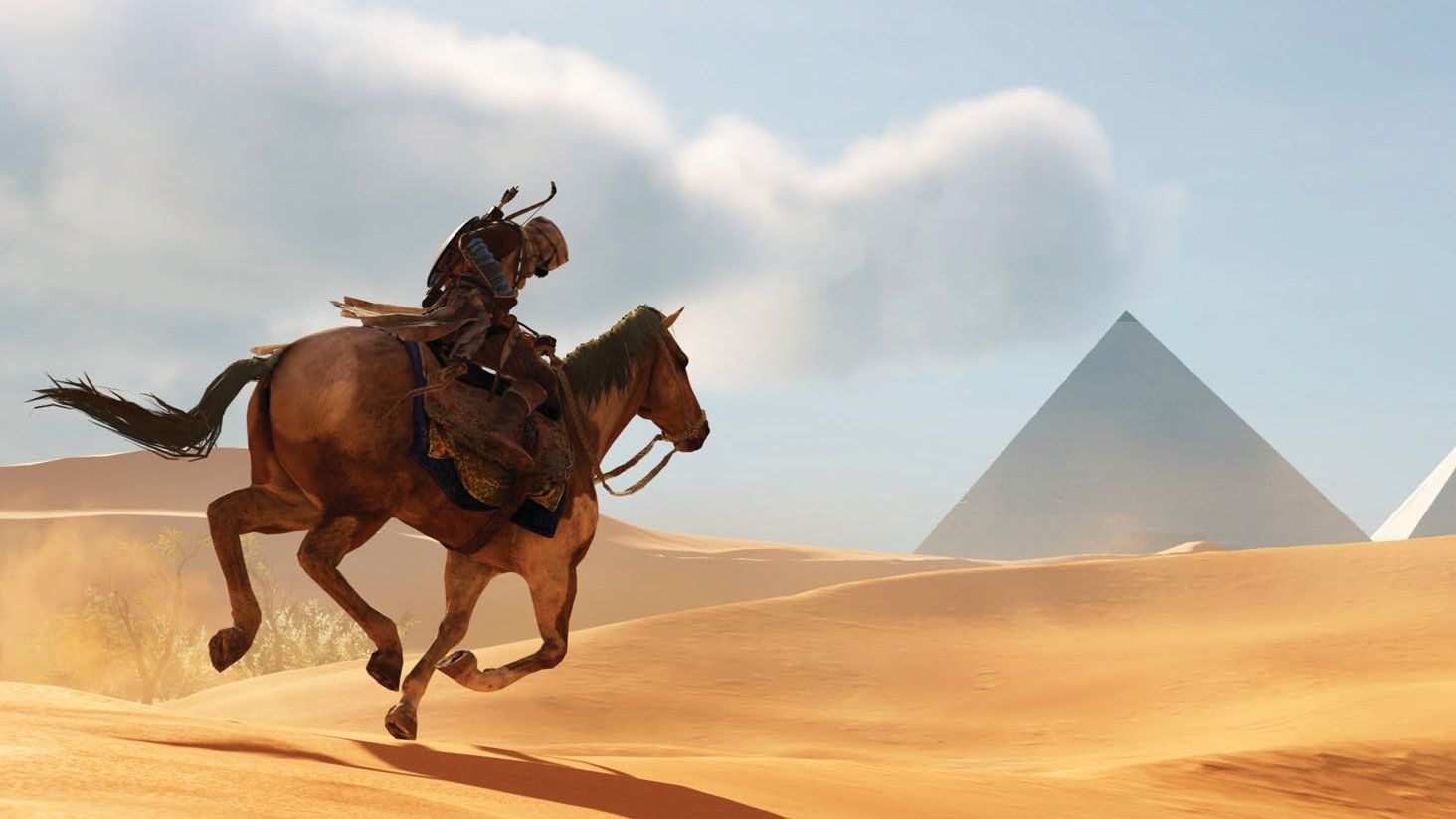
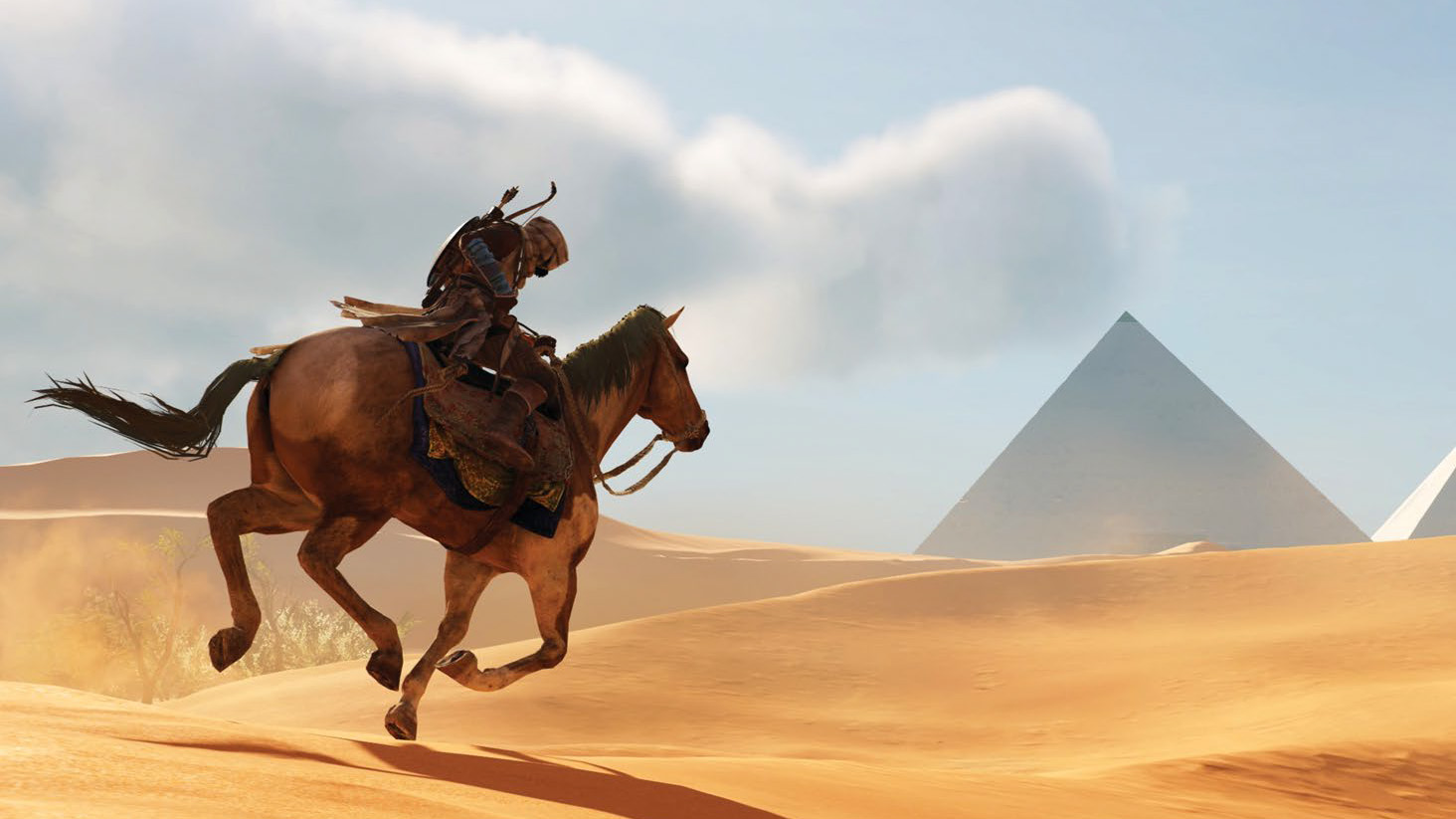
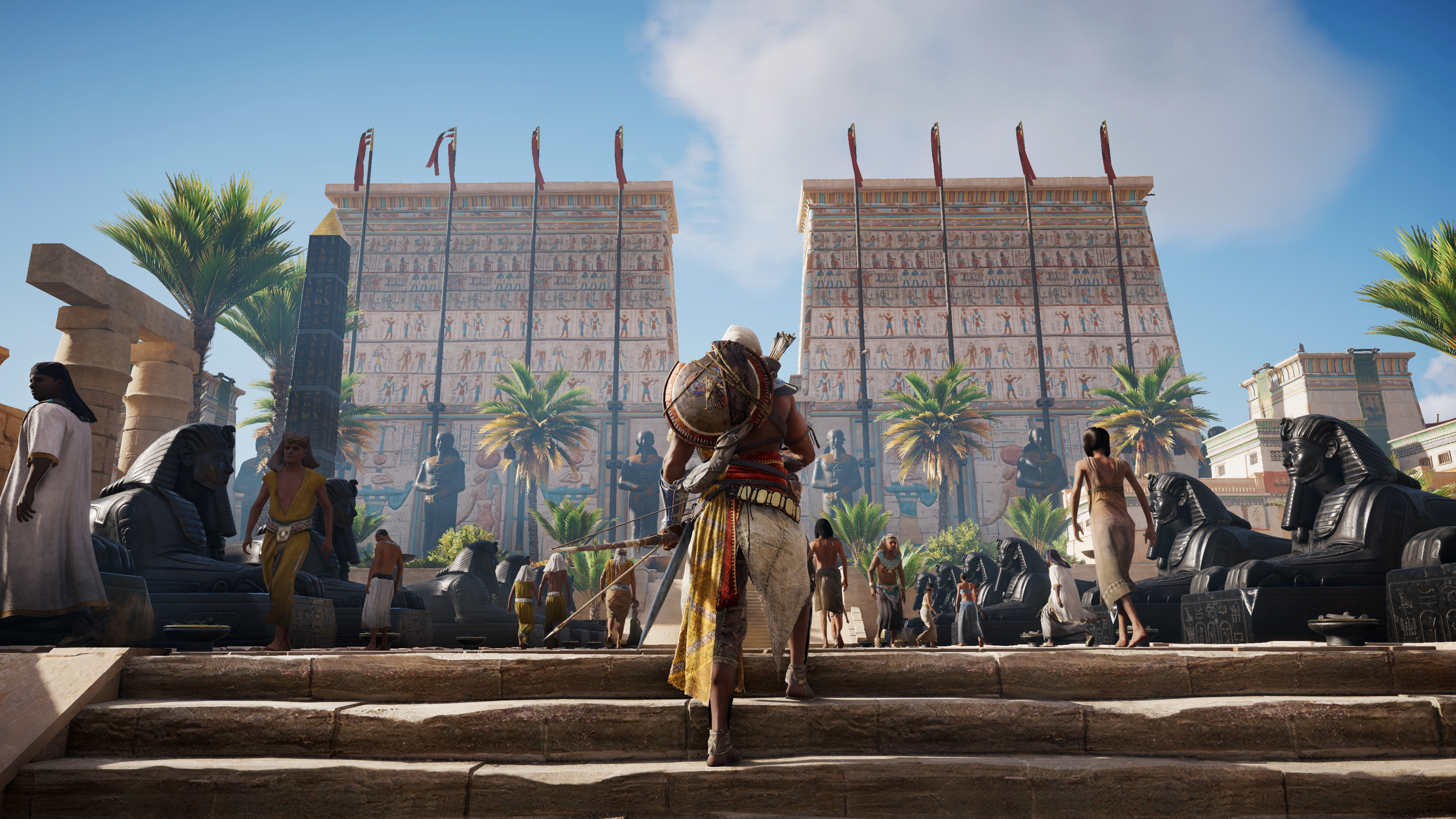
This narrative choice creates a haunting atmosphere of decay and transition. As the protagonist, Bayek of Siwa, traverses the dunes, he is not witnessing a civilization at its height, but one struggling to maintain its identity against the tide of Hellenistic architecture. The juxtaposition is striking: the crumbling, millennia-old statues of forgotten Egyptian deities sit in the shadow of polished, imposing marble columns dedicated to Greek legends. Even the Great Pyramids and the Sphinx, now icons of history, are depicted as ancient relics even within the game’s timeline, already subject to the erosion of time and the indifference of the new ruling class.
Chronology and the Evolution of the Open World
The development of Assassin’s Creed Origins marked a seismic shift for Ubisoft. Following the perceived fatigue of the annual release cycle, the company took a hiatus, allowing the development team to fundamentally rethink what an Assassin’s Creed world could be.
- Pre-2017: The franchise relied on dense, vertical urban centers. The gameplay loop was tethered to city-based navigation and combat.
- October 2017: Origins launches, introducing a massive, seamless map that emphasized wide-open terrain, verticality through mountain climbing, and a revamped RPG-lite combat system.
- 2018: The introduction of the "Discovery Tour" mode. Recognizing the educational value of their meticulously researched world, Ubisoft released a combat-free, interactive museum mode, effectively cementing the game as a legitimate historical tool.
- 2018–2025: The "Origins model" becomes the blueprint for the franchise, influencing the scale and design philosophy of Odyssey, Valhalla, and Shadows.
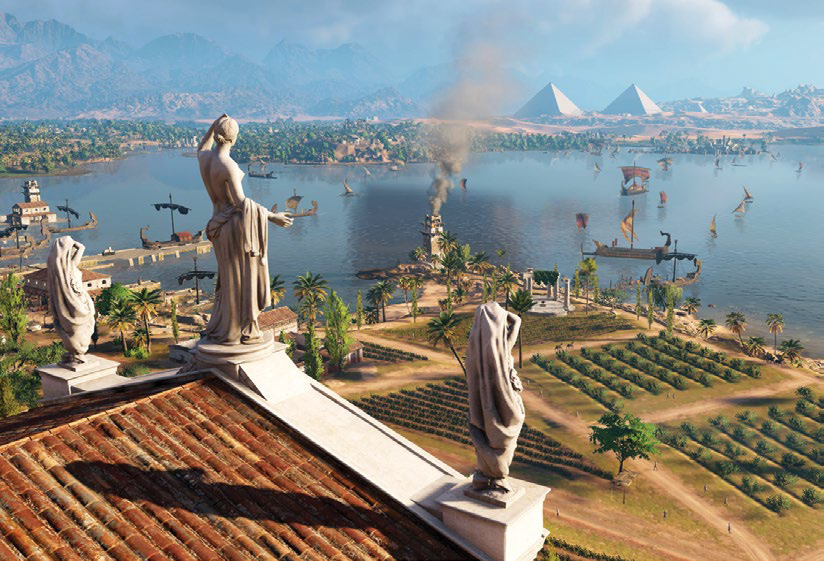
The transition from a "city-centric" game to a "world-centric" one allowed Ubisoft to lean into environmental storytelling. In Origins, the map is not just a container for missions; it is a character in its own right. From the lush, life-giving oasis of Siwa to the claustrophobic, rocky canyons of the Black Desert, the geography dictates the tone of the player’s experience.
Supporting Data: The Architecture of Scale
What separates Origins from its contemporaries, such as the Just Cause series—which often features massive maps characterized by repetitive assets—is the density of its detail. The world of Origins is curated.

- The Faiyum Region: This area serves as a masterclass in regional environmental design. Built around a complex system of canals and irrigation, it highlights the technical mastery of the Ptolemaic Egyptians. The centerpiece, a temple dedicated to the crocodile god Sobek, remains one of the most memorable locations in the series.
- Quest Integration: Unlike later titles where side quests often feel like checklist items, Origins frequently used its geography to anchor its narrative. A prime example is the mystery of the weeping crocodile in Faiyum, a quest that forces the player to engage with the religious fervor and the physical reality of the temple complex.
- Verticality: The inclusion of the eagle, Senu, provided a new perspective, allowing players to survey the scale of the world. This verticality was essential for the game’s "stop-and-stare" moments, such as cresting a ridge in the Green Mountains to view a Roman city nestled in the mist below.
Official Responses and Educational Impact
Perhaps the most significant legacy of Assassin’s Creed Origins is its transition from entertainment to education. Ubisoft’s decision to launch the Discovery Tour was an acknowledgment that their artists and historians had created something more durable than a mere digital playground.
In the years since the game’s release, historians and educators have utilized the tour to teach students about the nuances of Egyptian life, agricultural practices, and religious traditions. While some critics argue that the game’s "RPG grind"—the need to reach certain levels to progress—artificially extends the gameplay, the consensus remains that the world-building is peerless. As the industry moves toward larger maps, Origins stands as a reminder that scale is secondary to the "soul" of the environment.
Implications for the Future of the Franchise
The industry currently finds itself in a debate over "huge but shallow" open worlds. As titles like Assassin’s Creed Shadows face scrutiny for their quest design, the community often looks back at Origins as the "Goldilocks" entry: a world large enough to feel epic, yet intimate enough to feel lived-in.
The implication for future game design is clear: players are less interested in the square-mileage of a map and more interested in the environmental narrative contained within it. Origins succeeded because it didn’t just place assets in a desert; it told a story of a culture dying and a new one rising. It captured the tragedy of history—the feeling of standing on the edge of a great change, watching the sunset over a civilization that will never be the same.
Conclusion: A Living Museum
Whether you are a newcomer to the series or an "AC lifer" who has spent thousands of hours across the Aegean Sea or the British Isles, Assassin’s Creed Origins remains the benchmark for open-world design. It proved that a game could be a blockbuster action-RPG while simultaneously serving as a respectful, if stylized, digital archive of human history.
As we look toward the future of the Assassin’s Creed brand, it is worth asking: can we ever truly recapture the sense of discovery found in the sands of Giza? While technology will inevitably improve and the maps will undoubtedly grow larger, the magic of Origins—the marriage of tragic history and breathtaking vistas—remains a rare, defining moment in the history of interactive media. It serves as a reminder that when a game world is crafted with care, the player doesn’t just play through a story; they step into a legacy.

