

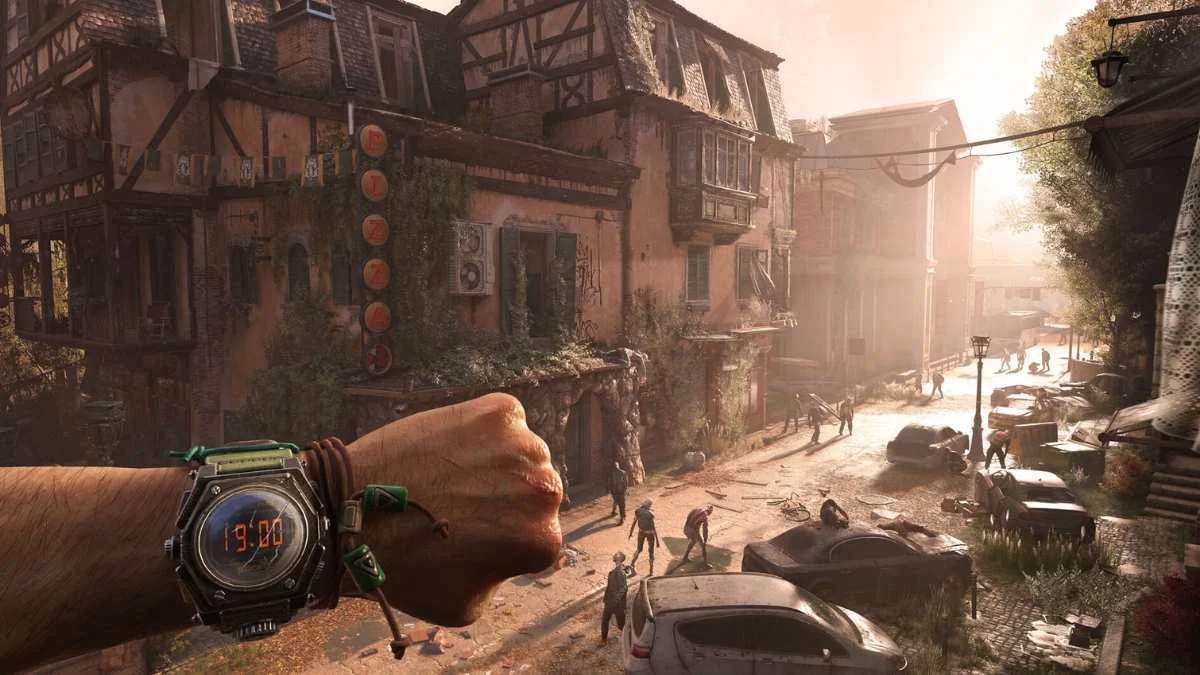
In a significant shift for one of the most anticipated survival-horror titles on the horizon, developer Techland has officially confirmed that Dying Light: The Beast will no longer be released for the PlayStation 4 and Xbox One. The announcement, which arrived via an official social media post, serves as a sobering reminder of the widening technical chasm between the hardware of the mid-2010s and the high-fidelity demands of modern gaming. While the news has disappointed a segment of the player base still tethered to previous-generation consoles, Techland has preemptively attempted to mitigate the fallout by offering a full refund program to those affected by the cancellation.
The Core Conflict: Hardware Limitations vs. Ambitious Vision
The decision to abandon support for the PlayStation 4 and Xbox One was not made lightly, according to the development team. Techland has been vocal about the technical requirements of Dying Light: The Beast, a standalone adventure that sees the return of fan-favorite protagonist Kyle Crane.
The studio’s primary justification for the move centers on the "advanced nature" of the game’s design. In its official statement, Techland noted that the game was built from the ground up to leverage the architecture of current-generation systems—the PlayStation 5, Xbox Series X|S, and modern PC configurations. When engineers attempted to scale the title down to fit within the constraints of the aging Jaguar-based CPUs and limited RAM found in the PS4 and Xbox One, they discovered that the hardware "simply cannot provide" the performance necessary to deliver the intended experience.
This friction between the developer’s creative vision and legacy hardware is a recurring theme in the current console generation. As developers push for higher frame rates, more complex AI behaviors, and seamless, expansive open worlds without loading screens, the decade-old architecture of the previous generation has increasingly become a bottleneck. By cutting ties with these platforms, Techland aims to ensure that the fidelity, density, and technical stability of The Beast meet the high standards established by its predecessor, Dying Light 2: Stay Human.
Chronology of a Cancellation
To understand how we arrived at this juncture, one must look at the timeline of Dying Light: The Beast. Initially teased as a DLC expansion for Dying Light 2, the project evolved significantly during its development cycle.
- Initial Announcement: Techland originally framed the project as a substantial addition to the Dying Light universe, promising to keep the experience accessible to the widest possible audience, which included the massive install bases of the PS4 and Xbox One.
- The Pivot: As the project grew in scope—eventually becoming a standalone title rather than a mere add-on—the development team found that the complexity of the systems, particularly the physics and environmental interactivity, exceeded the performance ceilings of the older hardware.
- The Official Withdrawal: Following months of internal testing and performance optimization attempts, the studio finally reached the conclusion that a last-gen release would be a compromised product. On July 14, 2026, the studio issued a formal statement confirming that the project would be restricted exclusively to current-gen consoles and PC.
Supporting Data: The Cost of Legacy Support
The decision to drop support for older hardware is rarely a move made for optics; it is almost exclusively a financial and logistical calculation. When a studio supports a legacy platform, they must dedicate substantial man-hours to "downgrading" assets, optimizing code for weaker GPUs, and conducting quality assurance testing on hardware that is notoriously difficult to patch.
For a title like Dying Light: The Beast, the challenges are threefold:
- Asset Density: The game features high-resolution textures and complex environmental assets that require the fast I/O speeds of current-gen SSDs. The mechanical hard drives in PS4 and Xbox One units are incapable of streaming these assets without significant hitching or pop-in.
- CPU Bottlenecks: The physics-based combat and AI interactions inherent in the Dying Light series require significant CPU overhead. The aging processors in the last-gen consoles struggle to maintain consistent frame rates when multiple entities are on screen, which would fundamentally break the immersion of a fast-paced survival horror game.
- Memory Constraints: Modern engines often utilize complex caching techniques that require more than the 8GB of GDDR5 RAM available in the PS4. Upgrading the game to perform within these tight memory limits would likely have required a total redesign of the game’s streaming architecture.
Official Responses and the Refund Mechanism
Techland’s public relations team has been quick to address the frustration of the community. Recognizing that many players had pre-ordered the title or purchased expansion passes under the impression that it would reach their hardware, the studio has explicitly stated that those affected are entitled to a full refund.
"We know many of you were looking forward to playing on PS4 or Xbox One, and we are truly sorry for the disappointment this causes," the statement read.
However, the logistics of these refunds remain a point of concern for some players. Because the game is sold through digital storefronts managed by Sony, Microsoft, and various PC retailers, the refund process is subject to the individual policies of those platforms. Techland has advised players to monitor their respective storefronts, though they have not provided a unified "one-click" portal for the process. Typically, this requires players to contact store support directly, citing the cancellation of the specific platform version as the primary reason for the refund request.
The Implications for the Industry
The abandonment of the PS4 and Xbox One by a major franchise like Dying Light carries significant implications for the gaming industry at large.
The End of the "Cross-Gen" Era
For years, the industry operated on a cross-generational model where new games were forced to scale down to accommodate the massive install bases of older machines. While this was lucrative for publishers, it often held back the technical potential of new hardware. The move by Techland signals a definitive "changing of the guard." We are entering a phase where the "current" generation is finally the "standard" generation, and developers are no longer willing to sacrifice their vision to keep aging hardware relevant.
Managing Player Expectations
This event also highlights the risks of announcing titles too early. By announcing the game for last-gen consoles, Techland inadvertently created a consumer expectation that they were ultimately unable to meet. As a result, the studio now faces the reputational cost of "breaking a promise," even if that promise was broken in the interest of delivering a higher-quality final product. Moving forward, major developers may be more hesitant to announce platform support until late in the development cycle to avoid similar backlash.
The Future of Dying Light
For fans who do own current-gen hardware, this news is arguably positive. It suggests that Dying Light: The Beast will be a more technically robust experience, unburdened by the need to cater to the lowest common denominator. With the extra power available on the PS5 and Xbox Series X, the developers can push for more sophisticated horror mechanics, better lighting, and a more reactive open world.
Conclusion: A Necessary Sacrifice?
The cancellation of Dying Light: The Beast for PlayStation 4 and Xbox One is a stark reminder of the inevitable obsolescence of technology. While the inconvenience to players who have not yet upgraded their consoles is undeniable, the move represents a broader industry trend toward prioritizing performance and innovation over universal accessibility.
As the gaming world moves forward, Techland’s decision serves as a case study in the trade-offs required in modern game development. Whether this pivot will result in a superior, more polished experience remains to be seen upon the game’s release, but for now, the message is clear: the future of Dying Light belongs to the modern generation, and the era of the legacy console is finally drawing to a close. For those left behind, the refund program offers a small measure of solace, but the shift is permanent. As we look toward the 2025 release window, the focus now shifts to how well Techland can utilize the modern hardware they have chosen to champion.

