

In the ever-shifting landscape of retail, few brands have navigated as turbulent a path as Claire’s. Once the undisputed titan of mall-based accessories for teenagers, the brand has endured multiple bankruptcy filings and a fundamental reassessment of its role in a digital-first world. Today, the retailer is attempting to engineer a resurgence, looking toward the sprawling, billion-user ecosystem of Roblox to drive foot traffic back to its 866 North American storefronts.
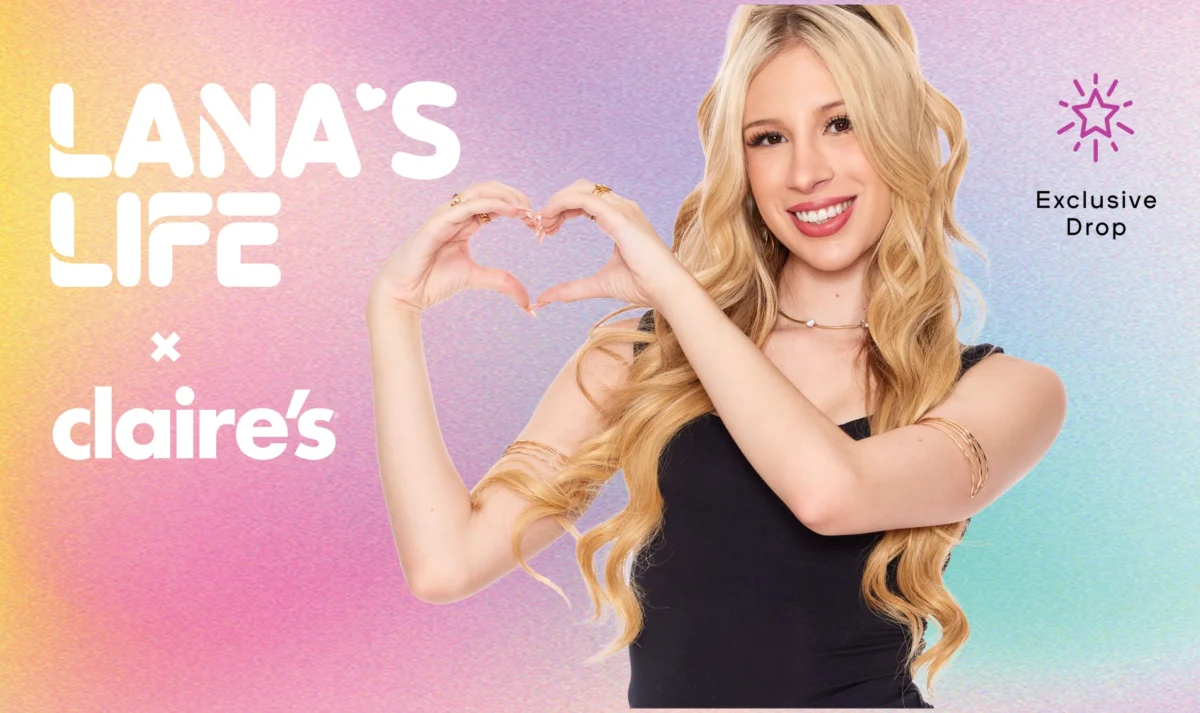
In its latest strategic pivot, Claire’s has announced a high-profile partnership with Lana Rae, the visionary creator behind the YouTube sensation "Lana’s Life." This collaboration represents more than just a product drop; it is a calculated "phygital" (physical-digital) maneuver designed to bridge the gap between virtual fandom and real-world consumerism.
The Core Partnership: Bringing Virtual Glam to the Physical Mall
At the heart of this campaign is a curated line of cosmetics, accessories, and plush "squishies" inspired by the aesthetic of Dress to Impress, a Roblox game that has amassed over ten billion plays. Lana Rae, who has cultivated a massive, hyper-engaged following through her digital styling videos, serves as the bridge between Claire’s and a generation of consumers who spend more time in virtual sandboxes than in traditional town squares.
The partnership is multifaceted. Beyond the physical merchandise—some of which is exclusively available in-store—Claire’s has incentivized the journey to the mall. The first 8,000 customers to purchase items from the "Lana’s Life" collection were rewarded with exclusive Roblox avatar items, turning the act of shopping into a quest for digital status. By debuting the line at VidCon and leveraging the massive reach of the Lana’s Life YouTube channel, Claire’s is attempting to transform its physical locations into destination hubs for Gen Alpha.
A Chronology of Strategy: From Bows to Bits
Claire’s journey to this moment was not sudden; it was a decade-long evolution in response to the changing habits of younger consumers.
- The Influencer Era (2015–2019): Before the rise of the metaverse, Claire’s leaned heavily into the "YouTuber-in-store" model. The success of JoJo Siwa’s signature hair bows demonstrated that creators held a sway over consumer behavior that traditional celebrity endorsements could not match. The retailer also experimented with mascot-led branding through collaborations like Doug the Pug.
- The First Digital Leap (2022): As Gen Alpha began to emerge as a distinct consumer demographic, Claire’s recognized that its legacy strategy was insufficient. The 2022 partnership with gamer MeganPlays marked the company’s first significant "phygital" experiment, blending Roblox-inspired aesthetics with physical retail promotions.
- The Trillion-View Milestone (2025–2026): As Roblox evolved from a niche gaming platform into a legitimate entertainment economy, the cultural gravity shifted. With Roblox content reaching over one trillion views on YouTube, Claire’s solidified its position by aligning with the faces of that movement, including both MeganPlays and Lana Rae.
- The Current Expansion (Present): With the launch of the Lana’s Life collection, Claire’s has formalized its transition into a "creator commerce platform," where the store itself acts as an extension of the creator’s digital content ecosystem.
Supporting Data: The Mall’s Existential Crisis and the Gen Alpha Solution
The decline of the American shopping mall has been well-documented, with vacancy rates climbing as e-commerce continues to cannibalize traditional retail. However, industry analysts have noted a peculiar counter-trend: Gen Z and Gen Alpha are, surprisingly, the very demographics keeping mall culture on life support.
While the "retail apocalypse" narrative persists, these younger generations view the mall as a "third space"—a location outside of home and school where social interaction can occur. Recognizing this, retailers like Zumiez (Danny Duncan), Journeys (Karl Jacobs), and Pacsun (SypherPK) have successfully leveraged influencer-driven hype to pull younger shoppers back into physical stores.
Data suggests that for Gen Alpha, the trust placed in creators often supersedes the trust placed in legacy brands. By partnering with Lana Rae, Claire’s is essentially "borrowing" her credibility. When a creator like Rae promotes a product, it isn’t seen as a corporate advertisement; it is seen as an extension of the community they have built online. This is critical for Claire’s, which has had to rebuild its reputation after the private equity firm Ames Watson acquired its North American operations out of bankruptcy for $140 million.
Official Responses and Strategic Intent
Michelle Goad, Chief Brand Officer at Claire’s, has been the architect of this new vision. Since joining the team post-acquisition, Goad has emphasized that the goal is not merely to sell merchandise, but to foster community.
"The only way to access the other is to actually go in and meet the other’s fans, and that was very intentional for us," Goad noted in an interview with Glossy. "It’s a strategic way to actually get people off their couches just to meet other fans."
For Goad, the store is no longer just a place to buy earrings; it is a "creator commerce platform." The logic is simple: if you bring the digital fan into the physical space, you create a shared experience that cannot be replicated through a screen. By providing a physical touchpoint for a virtual community, Claire’s is effectively transforming its retail footprint into a series of local "fan meet-ups."
Implications for the Future of Retail
The implications of the Lana’s Life partnership are profound for the retail sector.
1. The Death of the "Passive" Retailer
Retailers can no longer afford to be passive entities waiting for foot traffic. They must become active participants in the content ecosystems their customers inhabit. Claire’s is essentially acting as a distributor for creator-led brands, a model that minimizes the risk of traditional inventory while maximizing the benefit of built-in audiences.
2. The Rise of the Phygital Ecosystem
The success of this partnership will likely trigger a wave of copycat strategies across the retail landscape. We can expect to see more stores integrating digital questing, virtual rewards, and metaverse-themed store events to drive in-person engagement. The goal is to make the physical store feel like an "unlockable" experience for the digital native.
3. Sustainability and Brand Longevity
For a brand like Claire’s, which has survived bankruptcy, this strategy is about long-term survival. By aligning with Gen Alpha’s most trusted voices, the company is future-proofing itself. As Goad stated, "This is just the beginning." The company is clearly planning to cycle through various creator partners to stay relevant, ensuring that their store shelves are always aligned with the "flavor of the week" in the creator economy.
Conclusion: A High-Stakes Game of Influence
Claire’s is placing a massive bet on the idea that the "creator economy" and "mall culture" can coexist. While the retail industry remains volatile, the company’s pivot to the Roblox community represents a sophisticated understanding of modern consumer psychology.
By turning their stores into event-driven spaces that serve as physical extensions of the virtual metaverse, Claire’s is not just selling products; they are selling participation in a culture. Whether this will be enough to restore the brand to its former glory remains to be seen, but one thing is clear: the path to the future of retail is being paved by the influencers, gamers, and digital creators who have already won the hearts of the next generation. For Claire’s, the race to remain relevant is no longer happening on the runway—it’s happening on a screen, and the finish line is in the middle of the mall.

