

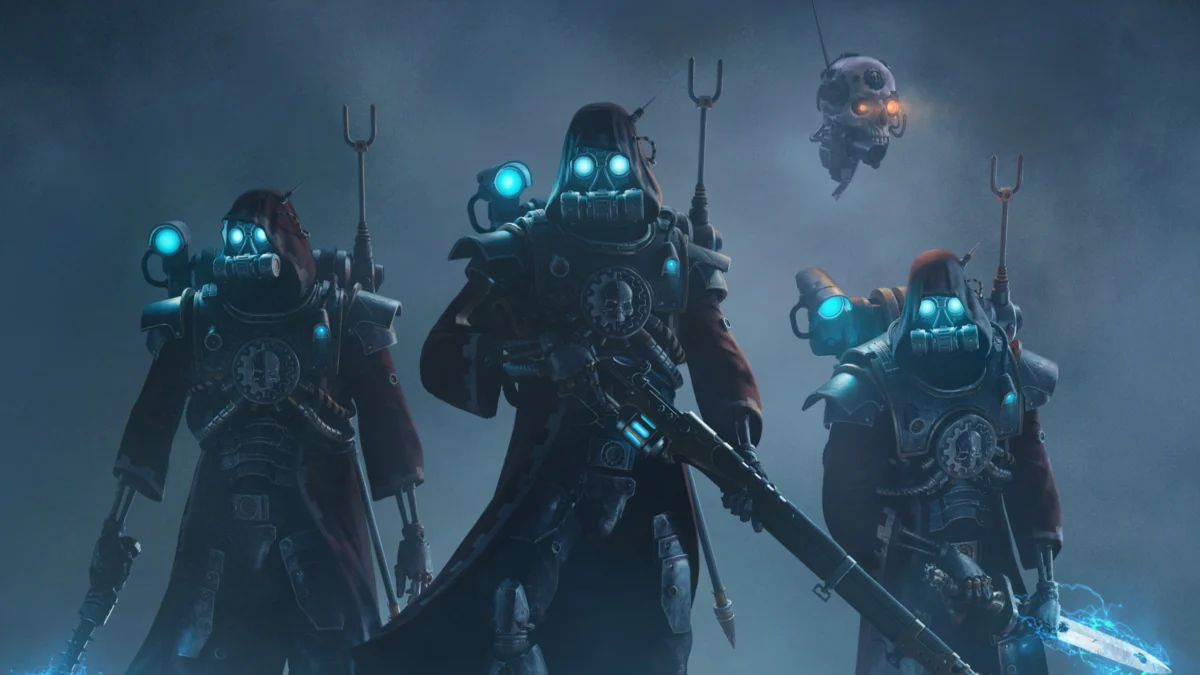
The Warhammer 40,000 universe is defined by its suffocating, monolithic scale. It is a setting of billions of lives, thousands of years of history, and technology so ancient that its very function has transitioned from science to superstitious ritual. Yet, for all its grandiosity, the true appeal of 40k often lies in the "unseen"—the granular, mundane details that Games Workshop has left untouched for decades.
Fatshark’s Warhammer 40,000: Darktide has recently stepped into this gap, introducing the Skitarii class. This addition is more than just a new way to purge heretics in the bowels of Tertium; it represents a bold design philosophy shift, moving away from simple power-scaling toward a deeper, more immersive exploration of the Adeptus Mechanicus and the lore of the Imperium.
The Mystery of the Omnissiah’s Soldiers
For years, the Skitarii—the cyborg infantry of the Adeptus Mechanicus—have been staples of the tabletop game. They are the "toaster-worshipping" cultists, augment-heavy soldiers who trade their humanity for machine efficiency. However, despite their prominence, their actual operation remained a subject of intense debate within the community.
The most prominent example of this "lore-void" is the reload mechanism of the Skitarii’s iconic rifle. For years, hobbyists and lore enthusiasts debated how these weapons functioned, with Reddit threads spiraling into complex theories involving cooling vents and spirit-binding. Games Workshop had never codified these mechanics, leaving the weapon a conceptual enigma.
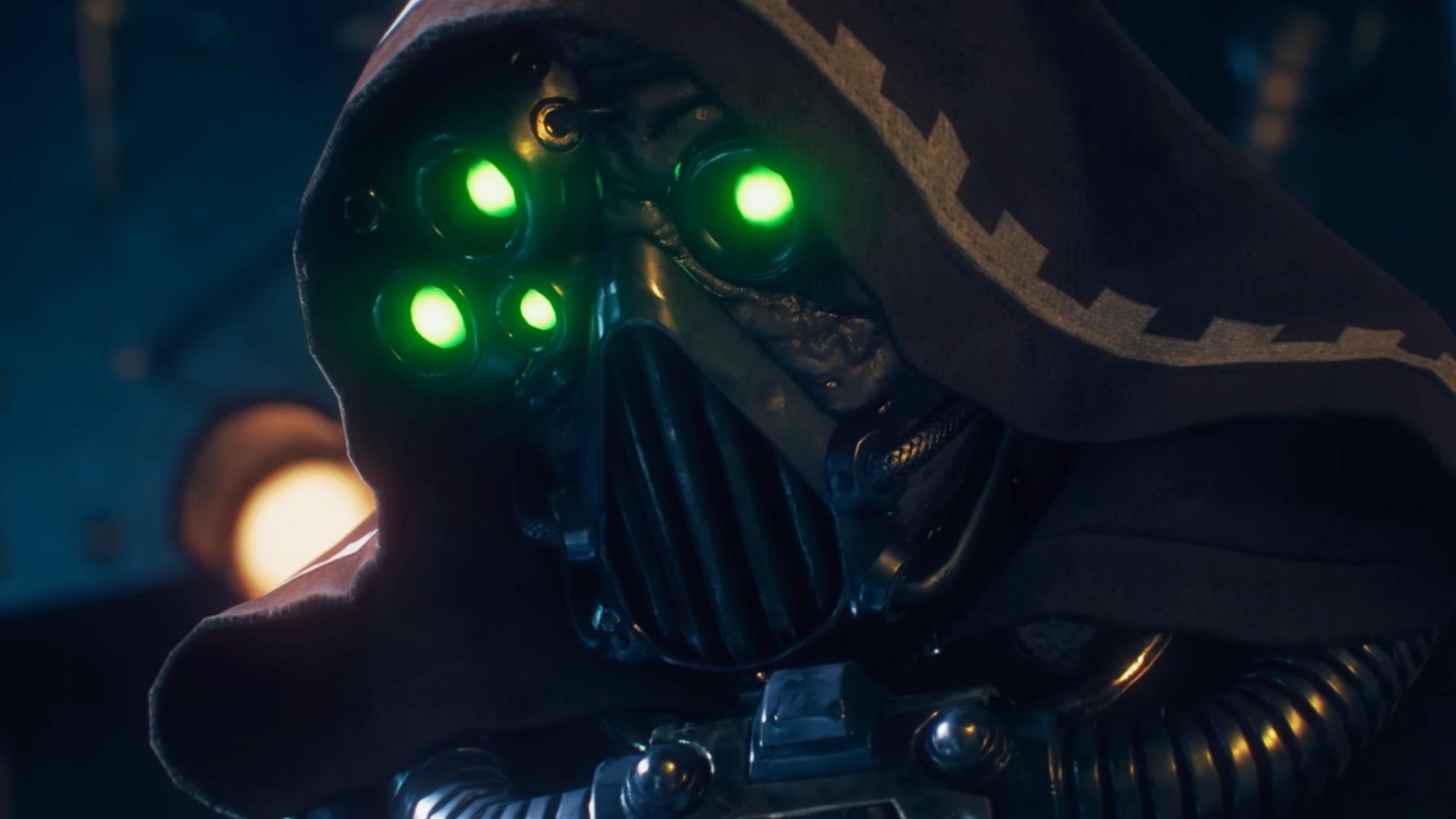
When Fatshark began development on the Skitarii class for Darktide, they were confronted with these gaps. Unlike previous additions to the game—such as the Arbites or the Hive Scum—the Skitarii required a deep dive into the "unknown." According to Lucas Årström, Darktide’s Associate Art Director, the team even had to grapple with the anatomical reality of these cyborgs. "Nobody had ever seen a Skitarii naked before," Årström noted, highlighting the necessity of visualizing the pallid, wire-strewn, and barely-human cadavers that form the basis of the class. By resolving these mysteries through character creation and animation, Fatshark is not just building a game; they are contributing to the canon of the 40k universe.
A Chronology of Integration: From Concept to Combat
The road to the Skitarii’s inclusion in Darktide was marked by a series of deliberate design choices aimed at maintaining the "weight" of the Warhammer setting.
- Initial Concept Phase: Fatshark identified a need for a support-oriented class that contrasted with the high-octane, melee-heavy focus of the existing roster (the Veteran, Zealot, Ogryn, and Psyker).
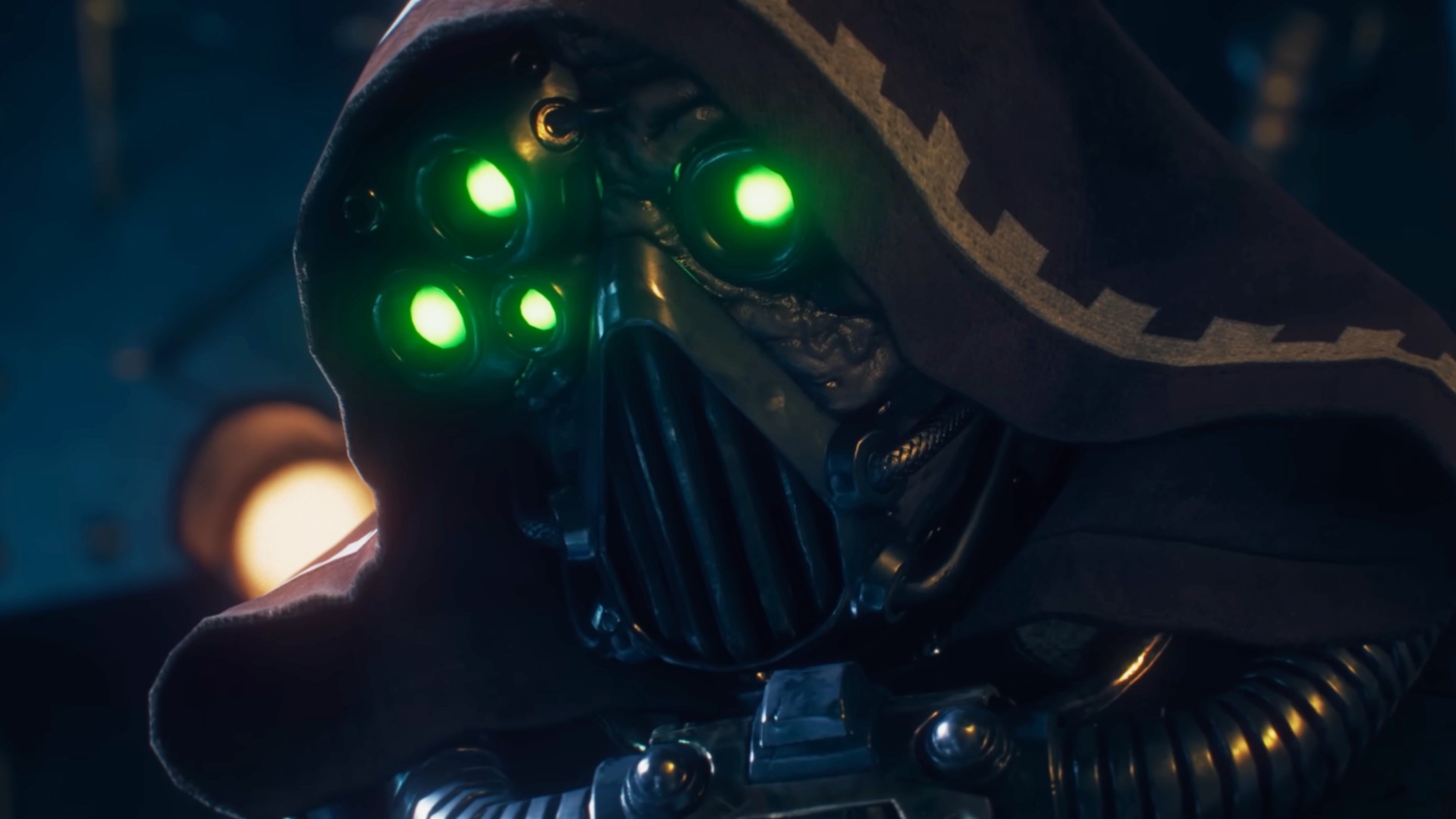
- The "Naked" Solve: During the design process, the art team had to reconcile the aesthetic of a Skitarii with the game’s gritty, industrial art style. This led to the creation of the haunting character model seen in the selection screen—a fusion of organic decay and cold, calculated cybernetics.
- The Weaponry Debate: Faced with the lack of official data regarding rifle reloads, the team looked to classic gaming inspirations to model a functional, satisfying reload animation that felt "lore-accurate" even if it wasn’t strictly defined by previous lore.
- Release and Community Reaction: Upon launch, the Skitarii arrived as a "Swiss Army knife" character. While many players initially struggled with the class, expecting a traditional frontline damage dealer, the community quickly began to appreciate its strategic utility.
Supporting Data: The Utility of the Machine Cult
Unlike the existing classes, which generally thrive on individual prowess and raw damage output, the Skitarii operates as a force multiplier. In Darktide’s high-intensity horde scenarios, where the typical gameplay loop revolves around survival through aggression, the Skitarii offers a departure: the tactical support role.
The class’s kit is designed around three primary pillars:
- Servo-Skull Minions: These drones provide fire support and allow for tactical map navigation, turning a simple skirmish into a coordinated strike.
- Support-Oriented Skill Trees: The Skitarii specializes in reviving allies at a distance and interacting with the environment, specifically the Data Interrogation puzzles that appear throughout the mission cycle.
- Binharic Combat: The class utilizes unique, mechanical abilities that inflict debuffs on enemies, prioritizing team cohesion over personal kill counts.
Statistically, the Skitarii has become a cornerstone of high-difficulty team compositions. Players who master the art of "coherency"—the game’s system for rewarding teamwork—find that the Skitarii is indispensable. The class essentially teaches the player to resist the urge to run off as a "hero," instead rewarding those who stay anchored to their squad.
Official Stance and Design Philosophy
Fatshark’s leadership has been vocal about the importance of these additions. The studio views each new class not merely as a content drop, but as an opportunity to flesh out the Darktide universe. By focusing on "lore-heavy" design, they aim to prevent the common pitfalls of live-service games: power creep and stale character roles.
"We want to unveil the mystery of the setting through classes that feel unique," a studio representative suggested. This philosophy explains why the Skitarii feels so distinct from the Hive Scum. While some detractors within the community have argued for a more traditional "damage-dealer" build, Fatshark has held firm, betting on the idea that players desire variety and tactical depth more than they desire an ever-escalating DPS ceiling.
Implications for the Future of Darktide
The introduction of the Skitarii signals a shift in the long-term roadmap for Darktide. If the current trajectory continues, we can expect future classes to focus on niche roles within the Imperium, perhaps expanding on the more esoteric branches of the Adeptus Mechanicus or even the Astra Militarum’s specialized regiments.
Furthermore, the "lore-first" approach has significant implications for how the community interacts with the game. By involving themselves in the "mystery-solving" aspect of 40k, Fatshark is positioning Darktide as a vital piece of media for lore enthusiasts. It is no longer just a shooter set in the 41st millennium; it is a repository of new, validated information.
However, challenges remain. The class requires a steep learning curve, and the community is still adjusting to the necessity of playing a support-heavy character in a game designed to reward hyper-aggression. Balancing the Skitarii to ensure it feels powerful without breaking the game’s delicate "kill-or-be-killed" balance is a task that will occupy the developers for months to come.
Conclusion: A New Standard for Warhammer Titles
The Skitarii represents a triumph of design over convention. By daring to fill in the blanks left by decades of vague lore, Fatshark has provided a blueprint for how to handle a franchise as dense and protective as Warhammer 40,000.
Whether you are a newcomer to the series or a veteran of the Black Library novels, the Skitarii offers something rarely found in modern FPS games: a character that feels like a genuine extension of its source material. It is a class that asks you to be more than a killer; it asks you to be a part of the machine. As Darktide continues to evolve, this focus on unique, lore-driven gameplay will likely be the deciding factor in its longevity. For now, the machine spirit is satisfied—and for the players of Darktide, the battlefield has never been more interesting.

