

The intersection of real-world folklore and interactive digital horror has long been a fertile ground for developers, but few projects capture the unsettling aesthetic of authentic macabre history as effectively as the newly announced Where Dolls Hang. Developed by Steelkrill Studio, this upcoming survival horror title takes direct inspiration from the infamous Isla de las Muñecas (Island of the Dolls) in Mexico, a location that holds the Guinness World Record for the largest collection of haunted dolls. As the gaming community catches its first glimpse of the project via a haunting reveal trailer, the industry is buzzing about what promises to be one of the most atmospheric detective-horror experiences of the year.
The Core Premise: A Detective’s Descent into Darkness
In Where Dolls Hang, players assume the role of a private investigator tasked with solving a string of disappearances centered around a remote, cursed forest. The game is not merely a "run-and-hide" horror experience; it is a meticulous investigative sim that demands patience, observation, and a strong stomach.
According to official communications from Steelkrill Studio, the gameplay loop centers on the grim reality of fieldwork. Players are required to explore dense, suffocating environments, locating missing persons through environmental storytelling. The process is granular: you will be expected to examine human remains, catalog clues, place evidence markers, and document the macabre scenery using an in-game camera. This procedural approach to investigation aims to ground the supernatural elements of the game in a tangible, procedural reality, making every discovery feel earned and every threat feel significantly more dangerous.
A Chronology of the Project’s Evolution
While the official reveal has only recently shed light on the game, the conceptual foundations of Where Dolls Hang have been simmering for some time.
- Conceptualization: The team at Steelkrill Studio identified the Isla de las Muñecas as a primary thematic anchor. The location—which features thousands of dolls hanging from trees, many of which have been weathered by time, rain, and decay—provides a ready-made visual language for horror.
- The Development Phase: Throughout the latter half of 2023 and early 2024, the studio focused on creating a "safehouse" mechanic that serves as the player’s only respite. This location serves as the central hub for processing the evidence gathered during expeditions.
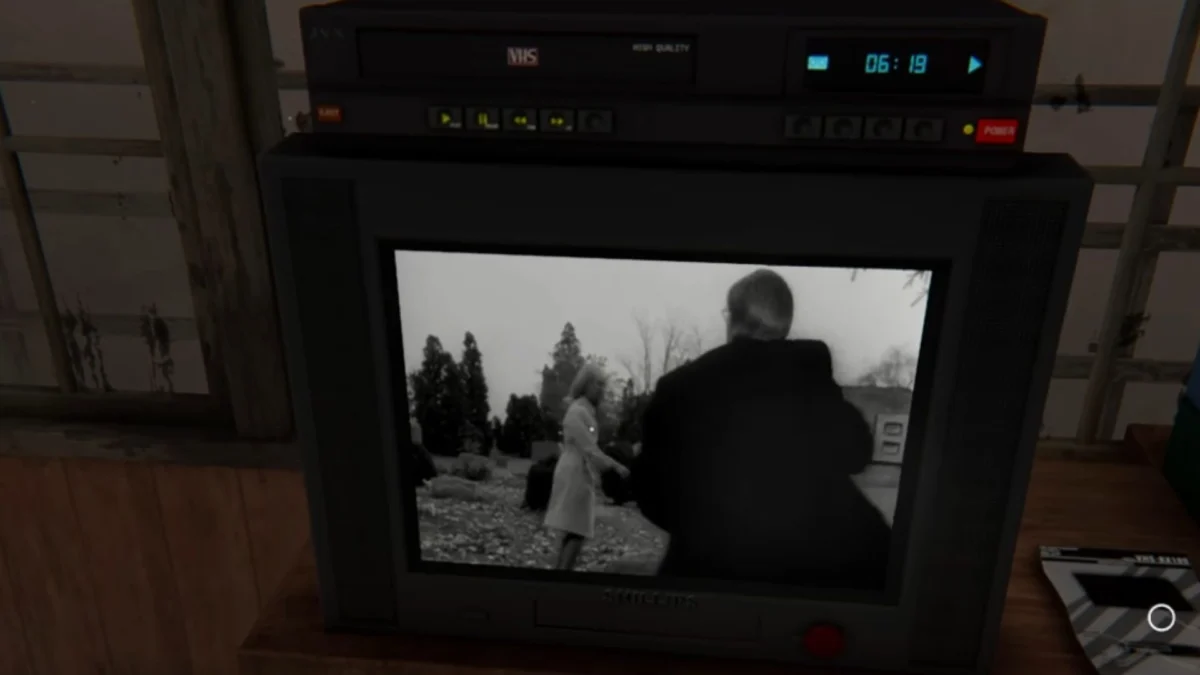
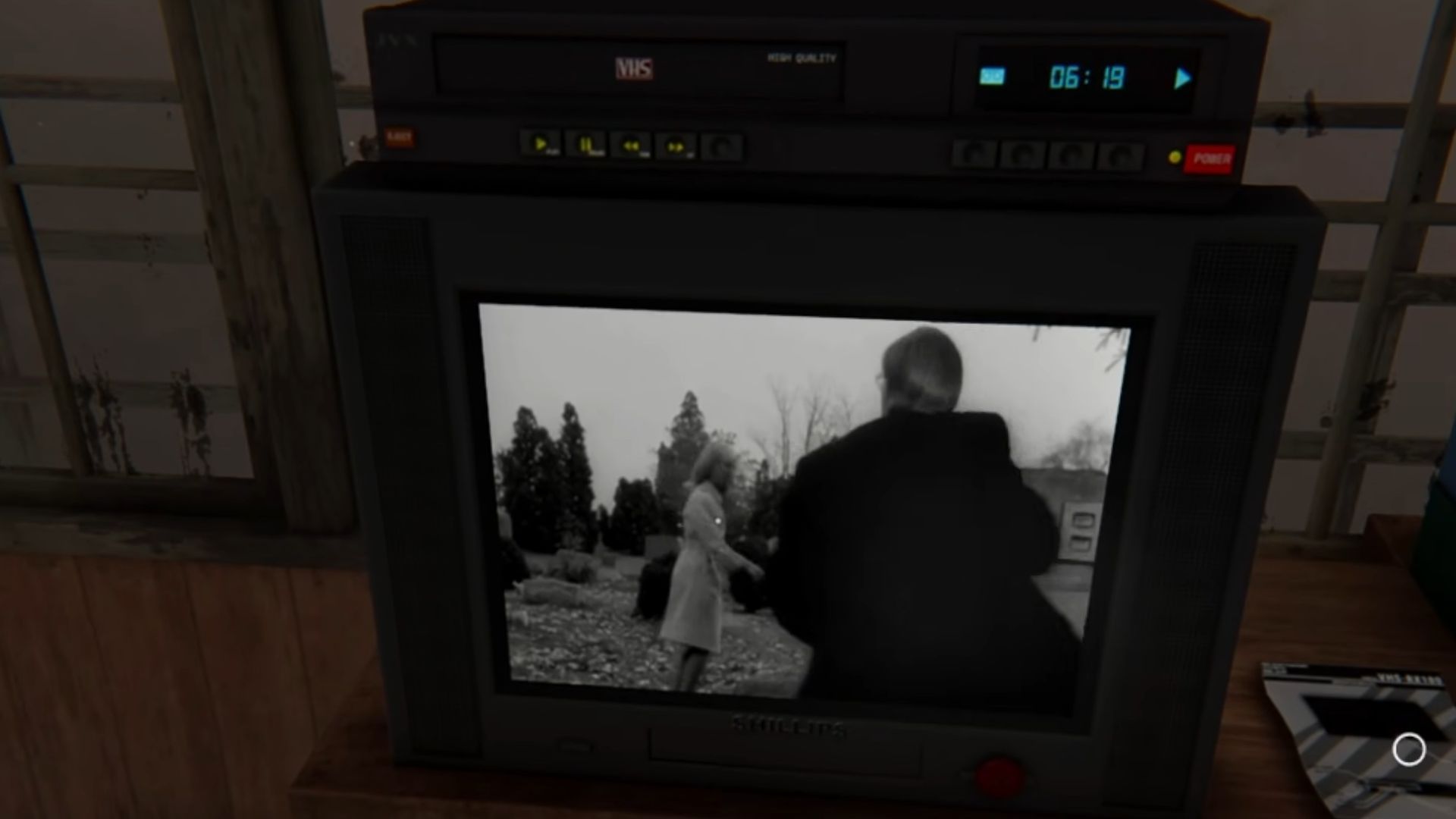
- The Integration of Public Domain Media: A unique development milestone was reached when the studio decided to integrate functional VHS technology. By allowing players to watch actual films within the game’s safehouse, the developers have created a layer of meta-commentary that blurs the lines between the game’s reality and the player’s own world.
- The Reveal: The official announcement trailer, released this week, confirmed a 2024 release window, sparking immediate interest from the indie horror community.
Supporting Data: Why Public Domain Horror Works
One of the most intriguing features of Where Dolls Hang is its inclusion of public domain horror classics, most notably George A. Romero’s Night of the Living Dead (1968). To understand why this inclusion is such a masterstroke for immersion, one must look at the legal history of the film.
Night of the Living Dead became a foundational text for the zombie genre, but its journey into the public domain was an accidental byproduct of bureaucratic error. Under 1968 U.S. copyright law, a work required a visible copyright notice to remain protected. While the film carried a notice under its original working title, Night of the Flesh Eaters, that notice was omitted during the final title change. Because of this technicality, the film entered the public domain immediately upon release.
By incorporating such films, Steelkrill Studio is effectively creating a "busman’s holiday" for the player. The ability to sit in a virtual room, surrounded by the psychological weight of the game’s horror, and watch a classic piece of cinema provides a necessary, albeit eerie, pressure release. It creates a stark contrast between the "high-stakes" horror of the game and the "comfort" of vintage celluloid, a juxtaposition that is rarely explored in modern gaming.
Official Responses and Developer Philosophy
Steelkrill Studio has maintained that the goal of the project is to treat the source material—the Mexican island legend—with a sense of grim reverence. In their latest press release, the developers emphasized that the primary challenge for the player is not just escaping, but understanding the tragedy that has unfolded in the woods.
"We wanted the player to feel like an outsider intruding on a space that does not want them there," the developers noted. "The dolls are not just props; they are the witnesses to the narrative. By forcing the player to document these scenes, we are turning the player into an active participant in the preservation of the forest’s dark history."
The studio has remained tight-lipped regarding the full library of films that might be available to view within the safehouse. However, they have hinted that the selection will expand the "thematic dread" of the experience. Speculation is rampant that other cult classics—such as Manos: The Hand of Fate, The Brain That Wouldn’t Die, or White Zombie—could be integrated to further solidify the game’s commitment to retro-horror aesthetics.
Implications for the Indie Horror Genre
The success of Where Dolls Hang could signal a shift in how indie developers approach environmental storytelling. By moving away from jump-scares and toward a more clinical, investigative model, the game aligns itself with the "New Weird" movement in horror—a subgenre that prioritizes atmosphere, historical context, and the slow, inevitable realization of doom over traditional monster encounters.
The Rise of the "Safehouse" Meta-Game
The safehouse mechanic, while not new to the genre, is being elevated here. By using it as a theater for public domain media, Steelkrill is testing a new form of engagement. If this mechanic proves successful, it could pave the way for a new standard in "cozy-horror" hybrids, where players are encouraged to spend time in the safety of their base to recover from the stress of the primary objective.
Legal and Creative Synergy
The reliance on public domain media is also a savvy financial and creative decision. It allows a small studio to provide massive value-add content without the prohibitive costs of licensing modern intellectual property. It also creates a bridge between the history of cinema and the future of gaming, inviting players to engage with the roots of the genre while playing a modern title.
Conclusion: A Date with Destiny
As the release date for Where Dolls Hang approaches, the anticipation is not just for the scares, but for the experience of being a detective in a world where the lines between art, history, and nightmare have been irrevocably blurred. Whether the game manages to live up to the high expectations set by its trailer remains to be seen, but the foundation is undeniably strong.
For those eager to follow the game’s progress, the official Steam page is the primary hub for updates. As we move closer to the launch, it is clear that Where Dolls Hang is aiming to be more than just a game; it is an attempt to translate the soul-crushing silence of a haunted island into a digital experience that will linger in the player’s mind long after the final credits roll.
In a genre currently saturated with clones and repetitive tropes, the commitment to meticulous, historically-informed, and atmospheric horror marks Where Dolls Hang as a title to watch. Whether you are a fan of classic horror cinema, a lover of true-crime investigative sims, or simply someone who finds the sight of a doll hanging from a tree branch deeply unsettling, this is a project that commands your attention. Keep your evidence markers ready—you are going to need them.

