

In the modern gaming landscape, the push toward "accessibility" has become the industry’s North Star. Developers are constantly pressured to shave down the rough edges of their mechanics, streamline UI, and ensure that players are never frustrated, confused, or—heaven forbid—bored. Yet, for every title that hits the mainstream jackpot through mass appeal, there is a graveyard of projects that sacrificed their unique soul in a desperate bid for market share.
Stellar Jockeys, the independent studio behind the cult-hit mech simulator Brigador and the upcoming sequel Brigador Killers, has taken a diametrically opposed approach. They aren’t interested in watering down their vision to cater to the widest possible demographic. Instead, they are leaning into the "crustiness," the complexity, and the friction that defined their previous work. In a recent discussion with lead artist Jack Monahan and lead designer Hugh Monahan, the duo pulled back the curtain on the philosophy of niche game design, the importance of "boy slop," and why they believe friction is the secret ingredient to building a lasting community.
The Evolution of a Cult Classic
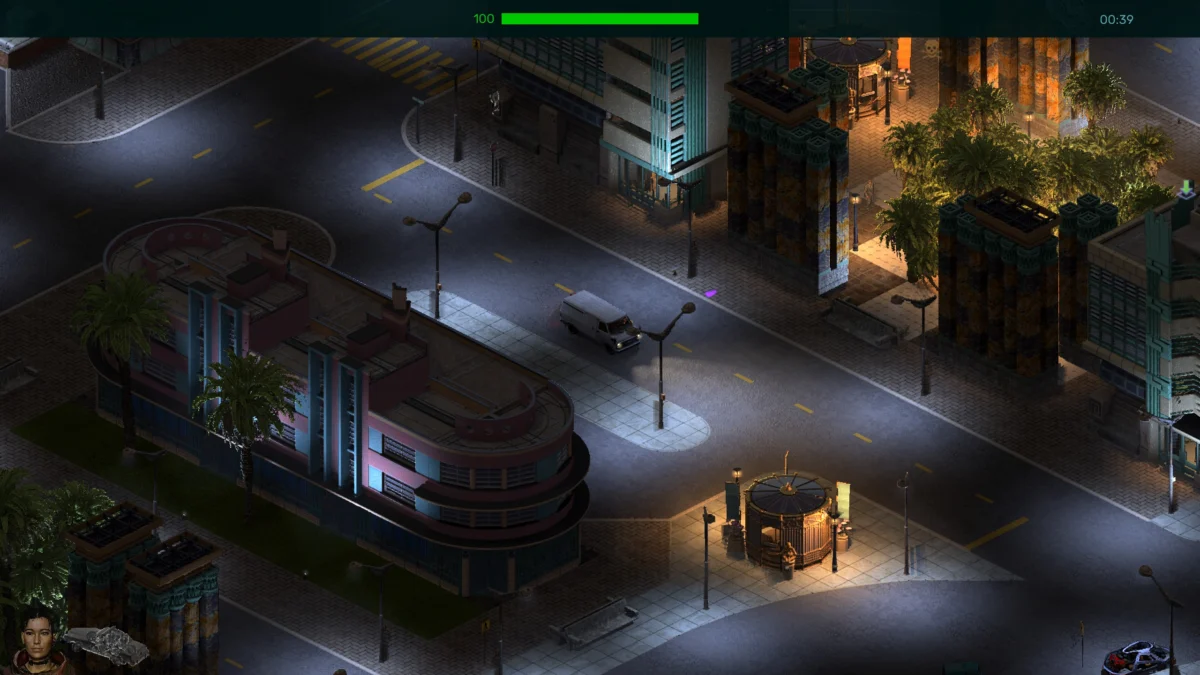
To understand the trajectory of Brigador Killers, one must look at the rocky origin of its predecessor. Brigador was never intended to be a mass-market blockbuster. It was a dense, top-down tactical mech game that demanded patience and a high tolerance for learning curves. Upon its initial release, the title famously struggled to find a foothold, performing poorly in terms of raw sales figures.
However, the game’s "crusty" nature—its intricate systems, its oppressive atmosphere, and its uncompromising difficulty—eventually allowed it to transcend its rocky start. Over time, it became a cult classic, a title whispered about by enthusiasts of the immersive sim and mech genres. The Monahan brothers learned a valuable lesson from this: financial success is fleeting, but the loyalty of a community built around a distinct, uncompromising vision is enduring.
The Philosophy of "Boy Slop" and Creative Authenticity
The Monahans are acutely aware that their work isn’t for everyone. They embrace the fact that many players will "bounce off" their games, and they hold no resentment toward those who don’t find joy in their mechanical labyrinths.
"We love our games, we’re very in this world," Jack Monahan explained. "But you only need to have an encounter with your mom or someone else’s mom to realize none of this makes sense, and we’re all speaking Greek all the time."
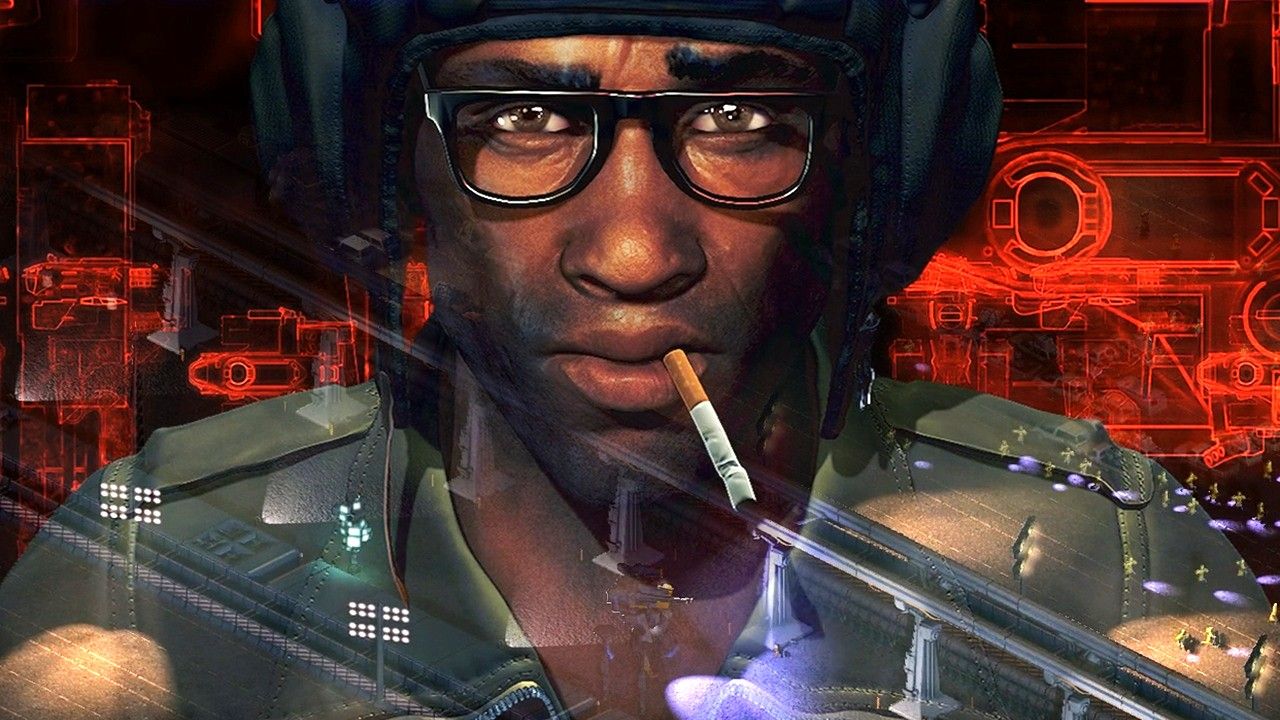
This perspective was reinforced by a recent encounter with a VTuber who streamed Brigador Killers. The streamer, who was notably polite, confessed that the game simply wasn’t her preference. She noted that while she was interested in the narrative and the pilots—the human element—the focus on heavy, industrial mech combat felt distant. She jokingly dismissed the heavy machinery aspect as "boy slop."
Rather than feeling offended, the brothers found the critique enlightening. "I think we make ‘boy slop,’" Jack admitted. "But that’s okay. First of all, somebody’s got to do it. But I think for us, it’s the willingness to get that crunchy with stuff."
This "crunchiness" is the defining characteristic of their work. By refusing to homogenize their game to appeal to someone who isn’t interested in the mechanical depth, they preserve the integrity of the experience for those who are.
The Inversion of Market Research
The current industry trend of "delivering what players want" is, in the eyes of the Monahans, a dangerous game. Jack argues that studios often use market research to create a mirror that isn’t reflecting the audience, but rather the developer’s own insecurities.
"I think the great irony is that, when you’re trying to deliver what you think people want, you’re actually holding a weird mirror not to them, but to yourself," he said. "It creates this weird inversion of saying, ‘Actually, I think you’re idiots, and I think you’re idiots in this way, and so here’s what I think idiots want.’"
This creative compromise inevitably bleeds into the work. According to the Monahans, a creator’s personality is inescapable. Even in the technical details, such as the pre-rendered, 90s-style character portraits in Brigador, the developers’ own traits emerge. Jack recalled a fan noting that all the characters seemed to share the same distinct, sharp cheekbones. It was an unintentional stamp of his own likeness on the game’s aesthetic. The lesson is clear: honesty in development is the only viable path. If you try to hide your specific interests, they will "leak out" anyway, likely in a diluted or confused form.
The "Minimum Player Spec" and Literary Parallels
Hugh Monahan approaches the problem of approachability through the lens of literary theory and reading comprehension. He posits that a game’s accessibility is not a measure of its quality, but a measure of the "minimum player spec"—a term borrowed from developer Tim Cain—required to engage with the material.
He contrasts the works of Ursula K. Le Guin with those of Fyodor Dostoevsky. Le Guin, in his view, represents the pinnacle of deep, complex storytelling that remains broadly approachable. In gaming terms, this would be akin to a title like Baldur’s Gate 3. Dostoevsky, by contrast, represents the "challenging literature" end of the spectrum. To adapt this to the medium of gaming, one might look at the obscure complexity of Daggerfall or the bizarre, demanding nature of CyberMage: Darklight Awakening.
Stellar Jockeys isn’t trying to be the Le Guin of mech games; they are fully comfortable occupying the Dostoevsky space. They believe that providing a challenge is not just a gameplay choice, but a community-building one.
Friction as a Community Builder
Perhaps the most significant argument the Monahans make is that friction is essential to forming a lasting identity among players. Hugh points to the Dark Souls phenomenon as the primary example of this.
"If Dark Souls were an easier game, you would not have nearly as vociferous of a community around it," Hugh noted. "It’s tough, because if there’s a barrier to entry, that means people aren’t going to make it through the barrier. But by making it something that is difficult to earn, if someone is willing to overcome that hump, then that’s an implicit in-community."
This "hump" acts as a filter. It ensures that the people who engage with the game are deeply invested in it. This creates a shared experience of triumph over adversity, which in turn fosters a much stronger, more dedicated, and more vocal community than a game that offers a frictionless path from start to finish. For the Monahans, this realization comes after 15 years of design experience, though they remain humble enough to acknowledge that they might look back on these thoughts in a decade and find them incomplete. "But you know, taking steps," Hugh added.

Implications for the Future
The implications for the industry are significant. If independent studios continue to move toward this model of "high-friction" design, we may see a fragmentation of the market into even smaller, more dedicated silos. While this might result in fewer "four-quadrant" hits, it almost certainly guarantees higher levels of player satisfaction within those specific niches.
For Brigador Killers, the roadmap is clear. It will continue to be a game where players can, quite literally, leave the cockpit of their massive war machines—a feature the developers joke added five years of development time. It will continue to be a game that demands mastery. It will continue to be "boy slop" for those who love the grit and the crunch.
As the gaming industry continues to wrestle with the tension between mass-market profitability and artistic integrity, the approach taken by Stellar Jockeys serves as a vital case study. They are betting that in a world of homogenized, focus-tested experiences, there is still plenty of room—and perhaps even a desperate need—for the "crusty," the complex, and the truly honest.
For those interested in exploring this philosophy firsthand, the original Brigador is currently available during the Steam Summer sale. While Brigador Killers currently has no release window, its demo is available on Steam, offering a window into the future of a studio that has decided to stop worrying about being for everyone and start focusing on being exactly what they want to be.

