In the rapidly evolving landscape of virtual reality, few titles have managed to capture the collective imagination of the gaming community as swiftly as Bramblefort. Emerging from relative obscurity to become a viral sensation during last month’s Steam Next Fest, the survival horror title has been hailed by players and critics alike as a masterclass in atmospheric tension and immersive design.
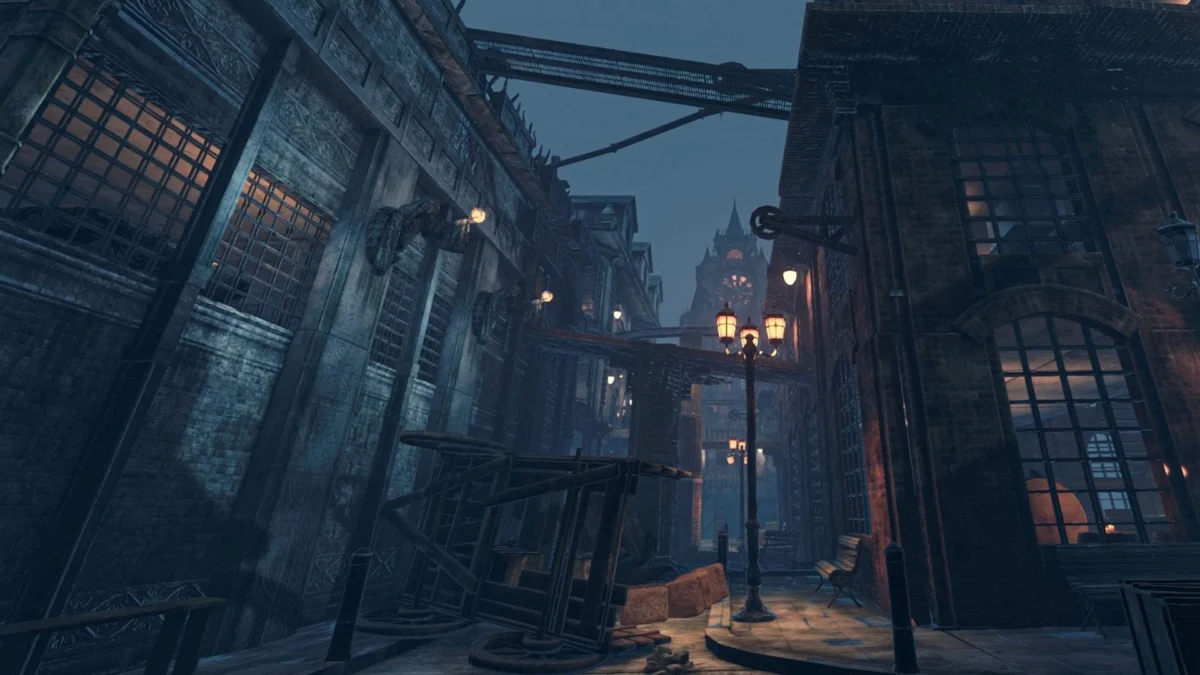
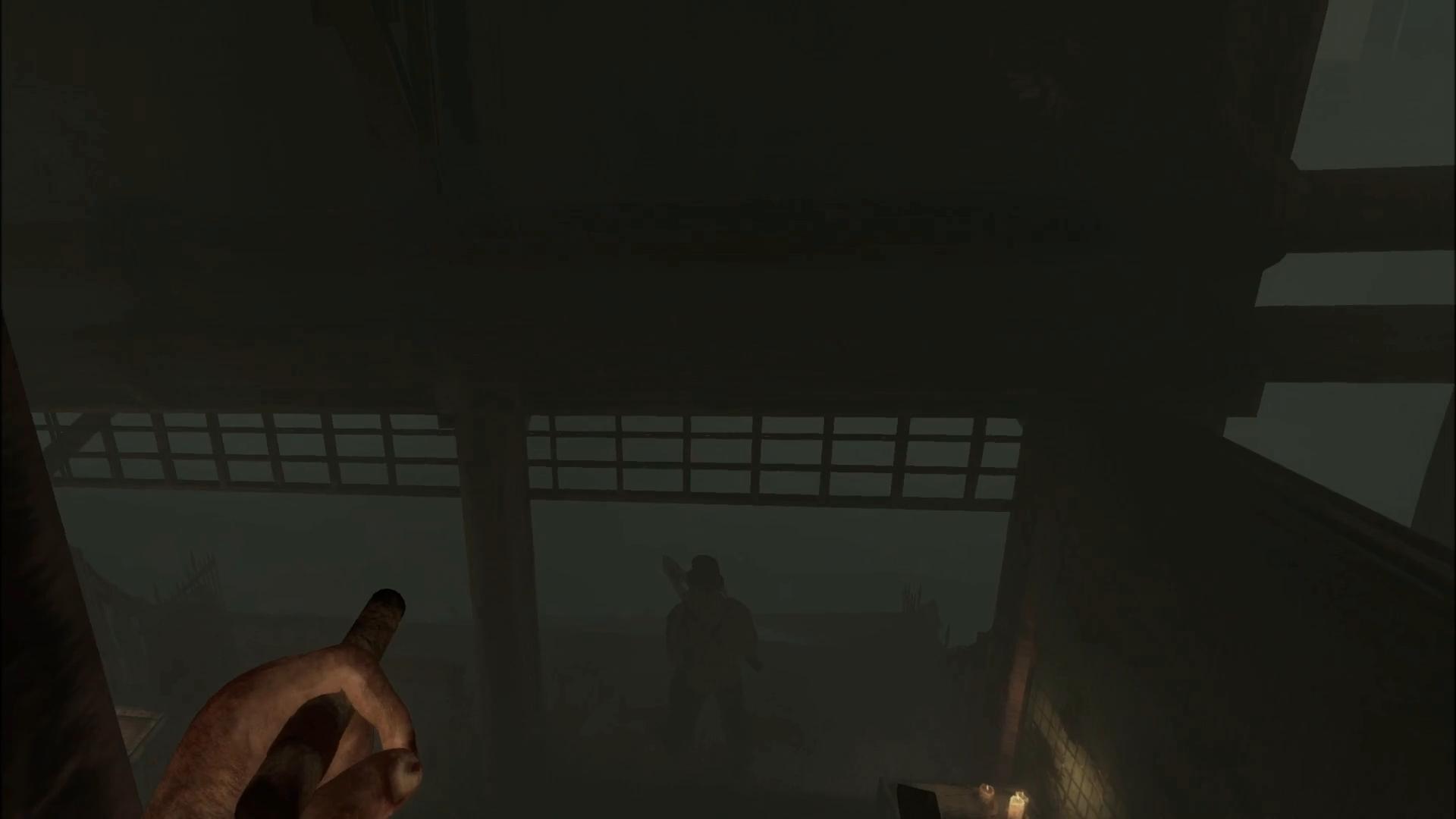
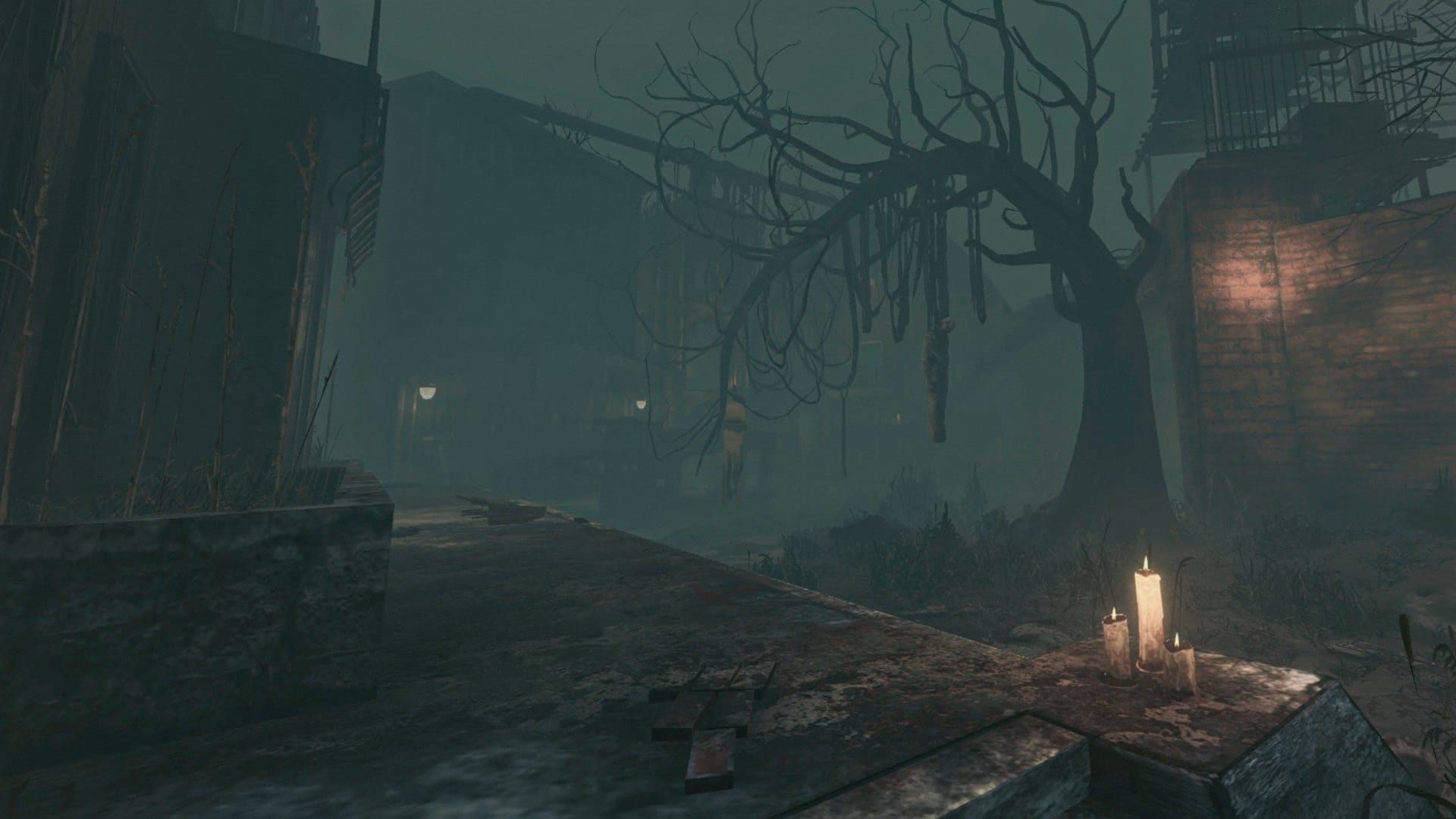
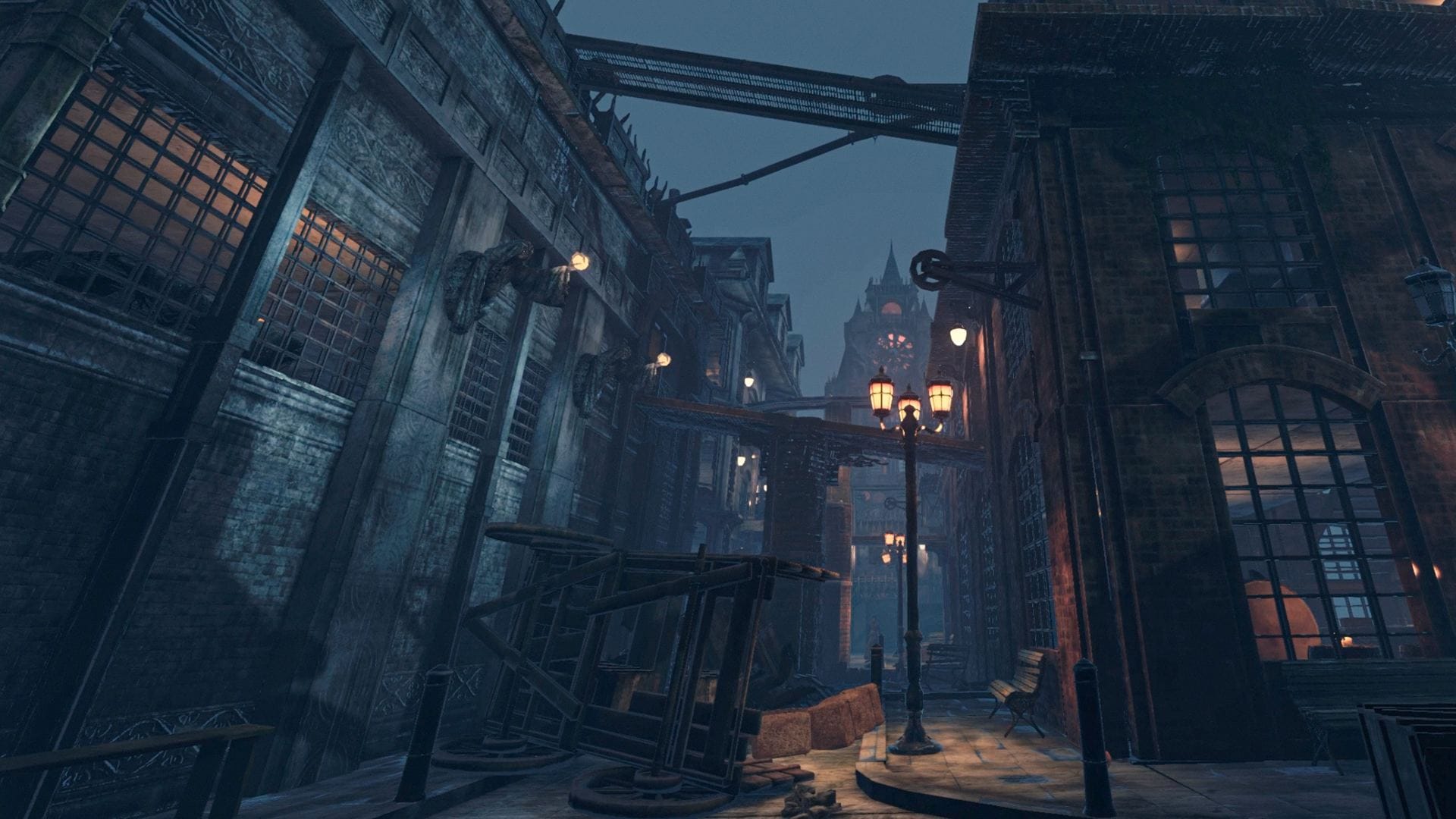
Developed by the Helsinki-based studio False Member, Bramblefort transports players to a desolate, plague-ridden island in the North Atlantic during the Victorian era. It is a world defined by macabre rituals, labyrinthine architecture, and a constant, suffocating sense of dread. By blending the high-stakes combat sensibilities of Resident Evil 4 and Bloodborne with the systemic depth of an immersive sim, False Member has crafted a formula that feels both nostalgic and refreshingly innovative within the VR medium.
The Genesis of a Nightmare: A Chronology of Development
The journey of Bramblefort began in the winter of 2024. For a debut title, the level of polish exhibited in the recent demo is nothing short of remarkable. However, the studio’s path to this point was defined by a philosophy of "learning by doing."
"Most of what we’ve learned about VR has come from developing Bramblefort itself," says studio team manager Jesse Aalto. Rather than relying on established blueprints for VR development, the team utilized a nimble, iterative process. By constantly testing and refining mechanics, they were able to tailor the game to the unique strengths of head-mounted displays.
The timeline of the game’s rise is as swift as it is impressive. Throughout the first half of 2026, the team focused on building the core "feel" of the world—prioritizing physicality and object interaction. By the time the mid-June demo launched on Steam, the studio had successfully managed to translate the "immersive sim" genre—a category of games that prioritize player agency and environmental systemic reactions—into a format that feels natural in VR. The result was an immediate "Very Positive" rating on Steam, signaling that the studio’s gamble on high-fidelity interactivity had paid off.
Supporting Data: Why Bramblefort Resonates
The core appeal of Bramblefort lies in its commitment to "believable presence." In traditional flat-screen gaming, a cup sitting on a table is a static prop. In Bramblefort, that cup is a physical object that can be picked up, thrown, or utilized to interact with the environment.
The Physics of Immersion
The team at False Member identified a crucial discrepancy in how players perceive space. Aalto explains, "The way space and proportion are perceived from a computer screen feels totally different when compared to using a headset."
To maintain this immersion, the studio implemented a strict design rule: if a player can see it, they should be able to interact with it. This philosophy extends beyond mere novelty; it informs the gameplay loops. In Bramblefort, the environment is not just a backdrop—it is a puzzle. Players are frequently faced with obstacles that require more than just a firearm; they require observation. Whether it is finding a key, identifying a weak window to shatter, or finding an entirely different path through a room, the game rewards those who engage with its world physically.
Official Perspectives: The Philosophy of Player Agency
In an exclusive interview with UploadVR, the team at False Member opened up about the specific inspirations that guided the game’s direction. While comparisons to FromSoftware’s Bloodborne and Capcom’s Resident Evil 4 are frequent, the studio cites a wide tapestry of influences.
"Resident Evil 4 and Bloodborne are definitely on the list of inspirations," Aalto confirms. "Some others are Dishonored, Dark Souls 3, and the movie The Wicker Man. There are a ton more, some very specific; for example, the way the shooting range target explodes when shot is inspired by the Jak 2 shooting range."
Lessons from the Masters
The studio’s approach to level design is heavily indebted to the "play your way" philosophy popularized by Arkane Studios’ Dishonored. Aalto elaborates on why this was a pivotal realization for the team:
"A good lesson we took from Dishonored is that it is okay that not all the different ways you can approach an obstacle are equal. Some ways can be faster, others slower, some are tedious, and some are more exciting. Giving the player the option to skip things they have no interest in doing, while still allowing them to get past an obstacle by finding a different way through, is something very core to the type of game we are making."
This design choice—accepting that some players might miss entire segments of the game based on their choices—is a bold move in an industry that often prioritizes "content density" over player autonomy. By allowing for non-linear progression, False Member ensures that every player’s journey through the island feels unique and earned.
Implications for the Future of VR Horror
The success of the Bramblefort demo serves as a broader proof-of-concept for the VR industry. For years, critics have argued that the VR medium is limited by the "static nature" of its environments. Bramblefort effectively dismantles this critique by treating the virtual world as a responsive system.
Scaling the Vision
As the team looks toward the full release, their ambitions are clearly expanding. While they remain tight-lipped about a specific release date, the roadmap for the final game includes:
Light RPG Elements: Integration of character progression and weapon customization systems.
Enhanced AI: Smarter, more varied enemy types that force players to adapt their tactics.
Expanded World-Building: A greater density of secrets, narrative documents, and hidden levels to discover.
The Platform Dilemma
When questioned about potential ports for headsets beyond SteamVR, the studio remains pragmatic. "We need to focus on one platform at a time," Aalto notes. For now, the studio’s primary goal is ensuring that the core experience is as refined as possible before branching out. This disciplined focus is likely what allowed them to succeed where other indie studios have stumbled: by not over-extending their resources during the early stages of production.
Conclusion: A New Standard for Indie Horror
The rise of Bramblefort is a testament to the power of focused, passion-driven development. By refusing to compromise on the physical interactivity of their environment and embracing the "show, don’t tell" philosophy of level design, False Member has created an experience that feels essential.
For players, the promise of Bramblefort is not just about the horror or the combat—it is about the freedom of the environment. As the industry continues to search for the "killer app" that justifies the high barrier to entry for VR, Bramblefort makes a compelling case. It is a reminder that when you give players the agency to manipulate their world, you don’t just create a game; you create a place to inhabit.
As the development cycle continues toward a full launch, the gaming community will be watching False Member closely. If the demo is any indication, we are on the precipice of witnessing one of the most significant contributions to the VR survival horror genre to date. For those brave enough to explore the shadows of the island, the full, terrifying journey is only just beginning.
The Bramblefort demo is currently available for download on Steam.