

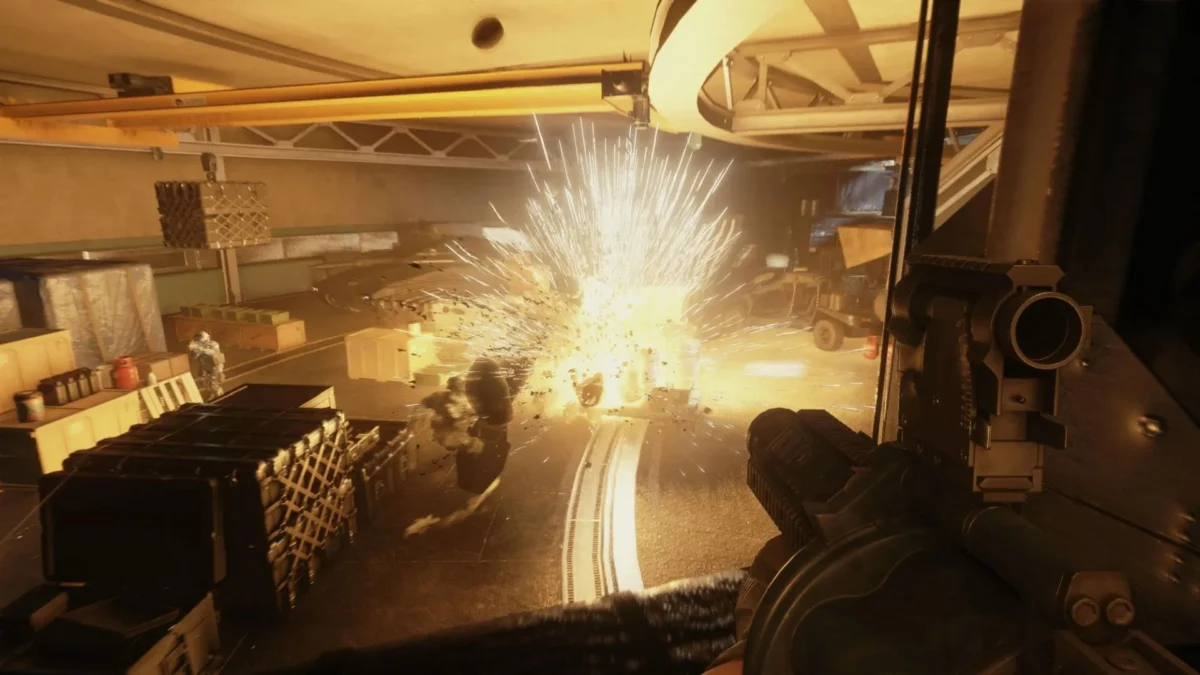
In the vast, interconnected history of first-person shooters, few collaborations feel as incongruous as the marriage between the hyper-commercial, high-octane world of Smilegate’s Crossfire and the auteur-driven, surrealist sensibilities of Finland’s Remedy Entertainment. While the former is best known as a global multiplayer behemoth—often cited as the “Counter-Strike of Asia”—the latter is the legendary studio behind Max Payne, Alan Wake, and Control.
When CrossfireX was announced, it promised to be a bridge between these two disparate worlds: a console-ready, narrative-driven campaign paired with a high-intensity multiplayer suite. Yet, the resulting project remains one of the industry’s most curious footnotes—a short-lived, critically maligned experiment that has since been unceremoniously wiped from existence, leaving behind only echoes of what might have been.
The Genesis: A Milsim in Remedy’s Image
The primary appeal of CrossfireX, at least for those following Remedy’s trajectory, was the promise of a "military spectacle" filtered through the lens of Sam Lake and his team. Known for their "Finnish Weird"—a penchant for metaphysical storytelling, internal monologues, and reality-bending sequences—Remedy was tasked with crafting a campaign for a series that had previously lacked any substantive solo narrative.
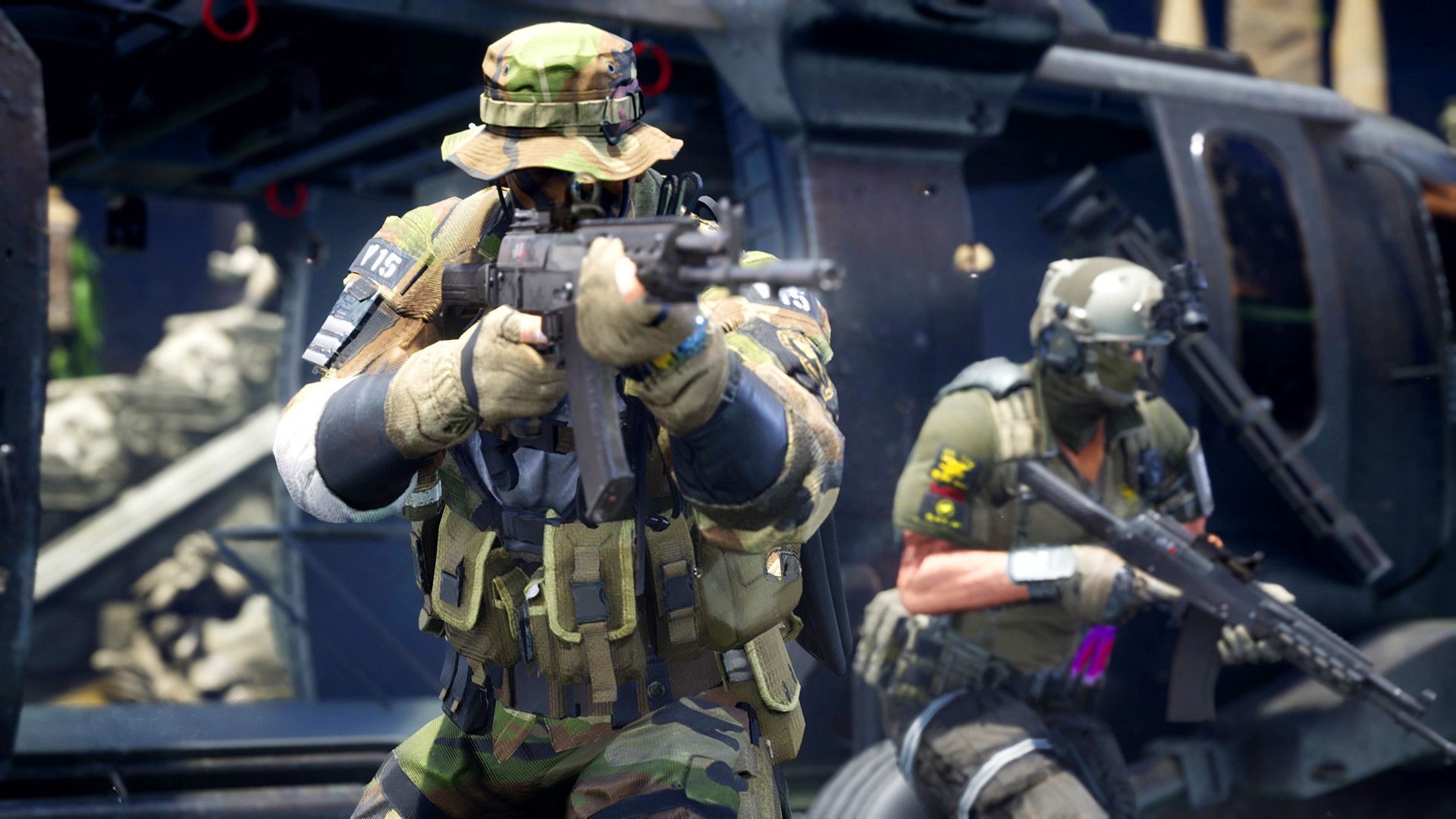
The result was a pair of three-hour campaigns that leaned heavily into the tropes of the genre while occasionally fracturing under the weight of the studio’s signature creative DNA. In the opening moments of the campaign, Captain Hall provides a weary narration: "I was never much of a dreamer. In this work, an active imagination can kill you." It is a line that feels quintessentially Remedy, yet it is delivered within the confines of a story set in a generic, unstable nation with a vaguely Eastern European aesthetic, pitting factions "Global Risk" and "Black List" against one another.
Chronology of a Failed Launch
The timeline of CrossfireX is marked by high ambitions followed by a precipitous decline.
- 2016–2019: Development: Smilegate, looking to expand the Crossfire brand to Western consoles, tapped Remedy Entertainment to provide the single-player campaigns, while Smilegate handled the multiplayer portion in-house.
- February 10, 2022: The Global Launch: CrossfireX launched on Xbox Series X/S and Xbox One. It was met with immediate, harsh criticism regarding its technical performance, control latency, and generic narrative design.
- February 2023: The "Shutdown": Citing the failure to meet player expectations and the struggles of the live-service model, Smilegate announced that CrossfireX would cease all operations.
- May 18, 2023: The servers officially went dark. Because the game was a live-service title, the Remedy-developed campaigns were rendered completely inaccessible, effectively deleting them from the digital record.
The Surrealist Flash: Where Remedy Shined
While the bulk of CrossfireX adhered to the "Call of Duty" blueprint—complete with scripted helicopter crashes, predictable squad dynamics, and clunky dialogue—the game occasionally betrayed its origins.

The standout moments occurred when the protagonist, Captain Hall, entered states of unconsciousness or trauma. In these sequences, the game shifted from a standard shooter into a fever dream. The setting—his own home—became a playground of surrealist horror. A radio reporter murmured indistinctly about terror attacks, stairs stretched into impossible, infinite loops reminiscent of the "Backrooms" internet phenomenon, and household objects behaved with a menacing, dream-like quality.
One particularly striking sequence featured a television broadcast from the protagonist’s wife, Evelyn. Her delivery was uncanny, bordering on the satirical, mirroring the in-game television programs seen throughout the Max Payne series. She spoke with a cold, smug detachment about the mundane tragedies of life and the inevitability of death. This was the Remedy "magic"—the ability to take a sterile, military environment and inject it with the existential dread found in the works of David Lynch.
Supporting Data: A Collision of Tones
The failure of CrossfireX serves as a case study in tonal dissonance. The game’s attempt to balance high-stakes military melodrama with Remedy’s introspective narrative style created a product that felt split down the middle.
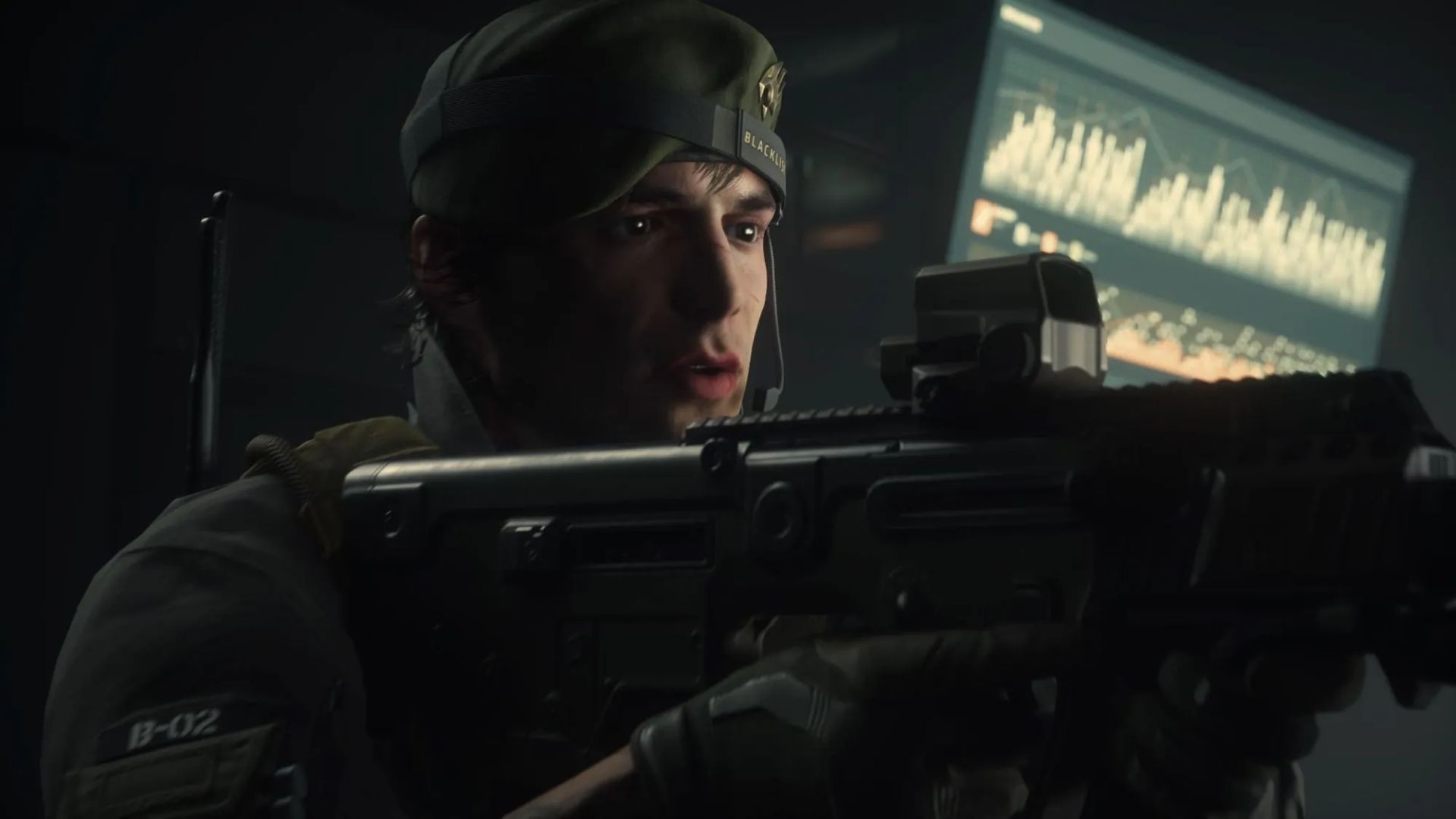
- The "Bullet Time" Problem: While bullet time is a staple of Remedy’s history, its implementation in CrossfireX felt more like a crutch than a feature. The mechanic was used so frequently that it became a parody of itself, drawing unflattering comparisons to the satirical British series Garth Marenghi’s Darkplace, where excessive slow-motion was used as a trope to pad out television episodes.
- The "Badassery" Metric: The game suffered from a reliance on "one-liners" that undermined the gravity of the setting. When a soldier yells about a hotel’s "shit service" during a firefight, it breaks the immersion of a story that is simultaneously trying to explore the psychological trauma of a soldier.
- The Live-Service Trap: The decision to link the single-player campaign—a static, scripted experience—to a live-service server meant that when the multiplayer failed to capture an audience, the single-player content died with it. This has sparked a broader industry debate about digital preservation and the rights of consumers when a game’s "infrastructure" is pulled.
Official Responses and Industry Context
Following the shutdown, Smilegate issued a brief statement acknowledging that the game had not met their internal standards or the expectations of the community. "It is with a heavy heart that we decided to close our servers," the company stated.
For Remedy, the project was an outlier. In the years since, the studio has found monumental success with Control and Alan Wake 2, projects where they held full creative control. CrossfireX stands as a lesson in the dangers of creative compromise. By attempting to marry a "mainstream military shooter" with their own brand of narrative complexity, they ended up with a product that alienated fans of the Crossfire multiplayer and confused fans of Remedy’s auteur style.
Implications: The Lost Art of Digital Games
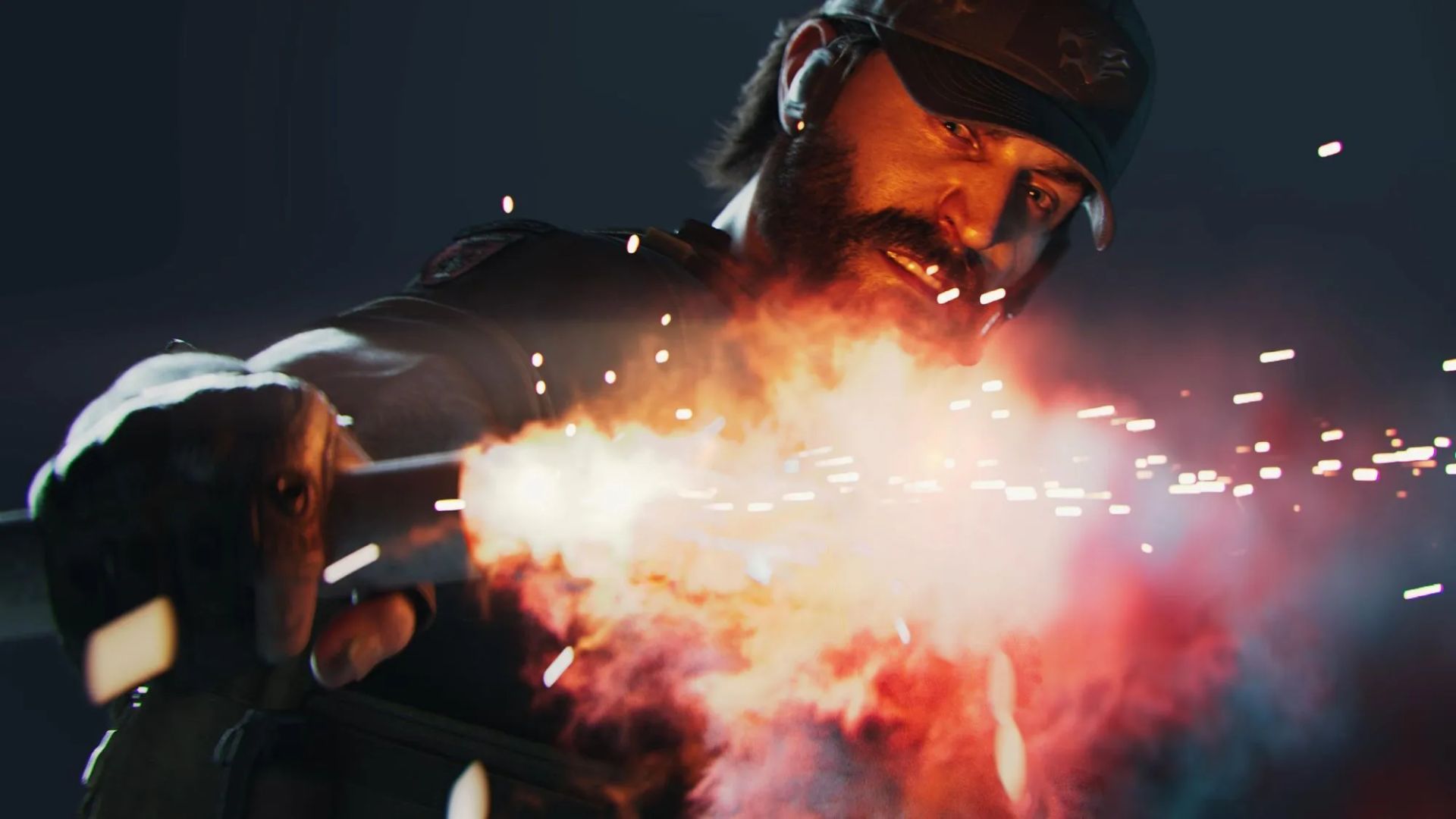
The most profound implication of the CrossfireX debacle is the issue of digital erosion. Today, a player cannot purchase or play the Remedy-developed campaigns, even if they wanted to. They are a "lost" piece of media.
This raises uncomfortable questions for the industry:
- Preservation: If a studio puts thousands of hours into a narrative campaign, should it be tethered to an online-only server?
- Auteurship: Does a studio’s reputation suffer when they are hired to create "work-for-hire" content that conflicts with their established identity?
While the campaigns were arguably not among Remedy’s finest work, their disappearance is nonetheless a loss for the study of game design. We are left only with YouTube playthroughs and the lingering, slightly haunting memory of a dream sequence featuring a talking television.
Perhaps one day, in a future Control or Max Payne installment, we will see a subtle nod to the "Global Risk" universe on a flickering screen in an office lobby. It would be a fitting end for a project that felt like it was beamed in from a dimension just slightly to the left of our own—a strange, fleeting, and ultimately doomed experiment in the modern landscape of the shooter.

