

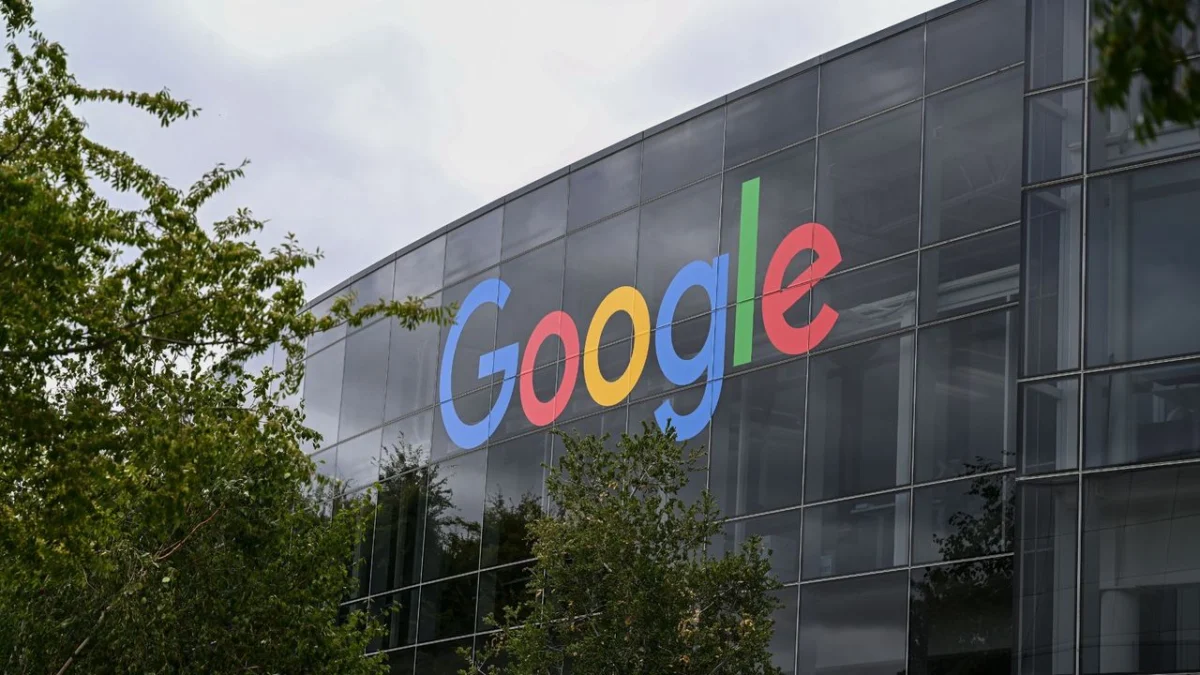
The landscape of the global technology industry shifted this week as the Court of Justice of the European Union (CJEU) delivered a definitive blow to Alphabet, Google’s parent company. In a ruling that marks the conclusion of a years-long legal saga, the EU’s highest court dismissed Google’s final appeal against a staggering €4.1 billion antitrust fine. This decision reinforces the European Commission’s aggressive stance on digital competition, signaling that even the world’s most dominant search engine is not beyond the reach of regulatory intervention.
The Core of the Dispute: Android and Market Dominance
At the heart of the litigation lies the European Commission’s 2018 ruling regarding the Android operating system. The Commission alleged that Google had systematically abused its market dominance by forcing smartphone manufacturers to pre-install a suite of its proprietary applications—specifically Google Search, the Chrome browser, and the Google Play Store—as a condition for licensing the Android ecosystem.
For years, critics and competitors argued that these "exclusivity deals" effectively suffocated the market for alternative search engines and browsers. By ensuring its own products were the default on the vast majority of Android devices globally, Google arguably cemented its search monopoly, making it nearly impossible for rivals to gain a foothold. Google maintained that these bundles were essential to maintaining the integrity and free nature of the Android platform, a defense that has now been systematically rejected by multiple layers of the European judicial system.
A Chronology of a Regulatory Marathon
The journey to this final judgment has been as complex as it has been protracted:
- 2018: The European Commission imposes a record-breaking €4.34 billion fine, accusing Google of illegal tying practices within the mobile sector.
- 2019–2021: Google initiates a series of legal challenges, arguing that the Commission misunderstood the mobile software market and that its actions actually fostered competition by keeping Android free for manufacturers.
- 2022: The General Court of the European Union hears the appeal and largely upholds the Commission’s findings, though it marginally reduces the fine to €4.1 billion, citing a slight error in the original calculation.
- 2023–2024: Google elevates the case to the Court of Justice of the European Union (CJEU), the final arbiter in EU law.
- July 2026: The CJEU delivers its final ruling, dismissing the appeal in its entirety and confirming the €4.1 billion penalty.
This trajectory reflects the increasing difficulty for "Big Tech" firms to challenge regulatory bodies that have grown more sophisticated in their understanding of platform economics and digital gatekeeping.
Supporting Data and the Cost of Monopoly
While a €4.1 billion fine is historically significant, it is worth examining the financial context. For a company of Alphabet’s scale, the fine represents less than 3% of its annual profits. Skeptics have long argued that such penalties are merely "the cost of doing business" for tech giants, insufficient to change the fundamental behavior of firms that generate hundreds of billions in annual revenue.
However, the impact of this case transcends the raw dollar—or euro—amount. Over the past decade, the European Commission has levied over €11 billion in fines against Google across three separate antitrust cases: the Android case, the AdSense case, and the Google Shopping case. Collectively, these actions represent an unprecedented attempt to reshape the digital architecture of the European market.
The data suggests that the European market is now the most strictly regulated territory for Google. With the Digital Markets Act (DMA) now in full force, the burden of proof has shifted. No longer is the Commission required to prove that Google’s behavior caused harm; the DMA now presumes that "gatekeepers" must proactively facilitate competition, a massive pivot in the regulatory paradigm.
Official Responses and Corporate Defiance
The response from Mountain View was swift and characteristically measured. A spokesperson for Google stated: "Android provides more choice for everyone and supports thousands of businesses. This judgment fails to recognise our significant investment to ensure Android remains open, interoperable, and free."
The company further emphasized that it had already modified its licensing agreements to comply with the initial 2018 decision. By allowing users to choose their default search engine and browser during the device setup process, Google claims it has already rectified the competitive imbalance.
However, regulatory officials in Brussels remain unconvinced. The European Commission’s rhetoric suggests that the era of "voluntary compliance" is over. They view the judicial validation of this fine as a mandate to continue pushing for structural changes, including the controversial proposal that Google share its proprietary search data with third-party competitors.
The Broader Implications: A Global Domino Effect
The implications of this ruling extend far beyond the borders of the European Union. As Google faces similar antitrust pressures in the United States—most notably the 2024 ruling that labeled the company an illegal monopolist—the EU’s success provides a legal template for other nations.
1. Data Sharing as the New Frontier
The most significant long-term consequence of the European Commission’s recent activity is the push for data sharing. If Google is forced to share its search indices and user behavior data with rivals, it would strike at the very heart of the "flywheel effect" that has kept the company’s search engine dominant for two decades. Google has already expressed fears that such mandates would lead to "irreparable harm" by exposing proprietary trade secrets.
2. The Shift in Power Dynamics
For years, manufacturers were effectively "takers" of Google’s software terms. With the legal weight of the EU behind them, device manufacturers may now have more leverage to negotiate for more open software configurations. This could lead to a more fragmented, yet potentially more diverse, mobile ecosystem where users have a legitimate choice of engines and services from the moment they unbox a phone.
3. Investor Sentiment and Risk
For shareholders, this ruling cements a new reality: legal risk is now a permanent line item in the balance sheet. While Alphabet remains a highly profitable machine, the persistent legal threats from both the EU and the US government create a ceiling on how aggressively the company can monetize its various services without triggering further sanctions.
Conclusion: A New Era for Tech Regulation
The dismissal of Google’s appeal by the CJEU is not just a financial penalty; it is a symbolic end to the "Wild West" era of mobile software distribution. The court has affirmed that when a company reaches a level of dominance that becomes an essential facility for the global economy, it forfeits the right to dictate the terms of market access exclusively.
As the tech world looks forward, the focus shifts to whether these massive fines will truly foster a more competitive market or simply solidify the status quo with a heavier tax on innovation. For now, Google remains the dominant player in search, but it does so under the shadow of a regulatory framework that is no longer content to merely issue fines—it is now demanding a seat at the table in how Google designs its products.
The case serves as a warning to other tech giants: the window for arguing that "platform ecosystem control" is a necessity for user experience is closing. In the eyes of European regulators, the user experience is only as good as the competition that makes it possible. Whether this leads to a resurgence of independent search engines or merely a more bureaucratic version of the status quo remains the central question of the next decade of digital policy.

