

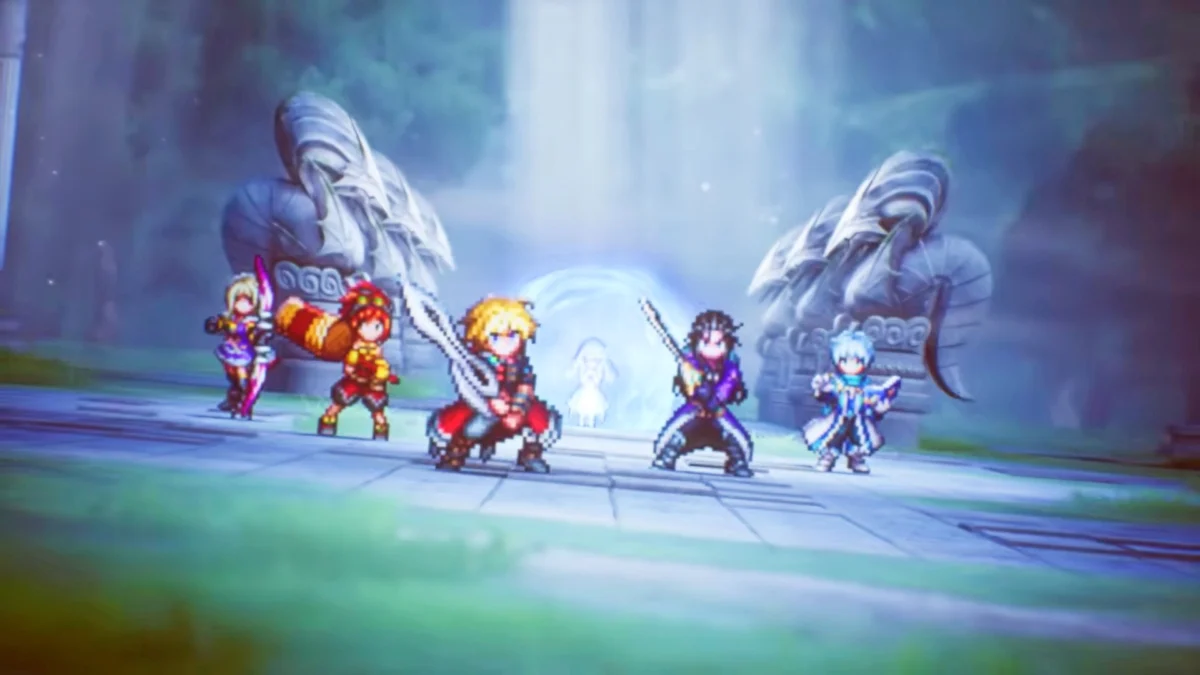
In the ever-evolving landscape of modern gaming, where the pursuit of hyper-realistic, open-world experiences often consumes the lion’s share of development budgets, a quiet revolution is brewing within the halls of Square Enix. The recent announcement of Final Fantasy Resonance—a title that wears its retro-inspired, 2.5D pixel art aesthetic like a badge of honor—has sent a ripple of excitement through the fanbase. For many, this isn’t just another spin-off; it represents a potential pivot in how one of the industry’s most storied publishers views its own deep catalog of intellectual property.
The Rise of the "HD-2D" Renaissance
For over a decade, fans of the classic Final Fantasy era have clamored for a return to the charm of the 16-bit and 32-bit generations. While the Final Fantasy VII Remake project successfully modernized the franchise for a new generation of hardware, it fundamentally altered the gameplay loop, shifting from turn-based tactical combat to high-octane, real-time action.
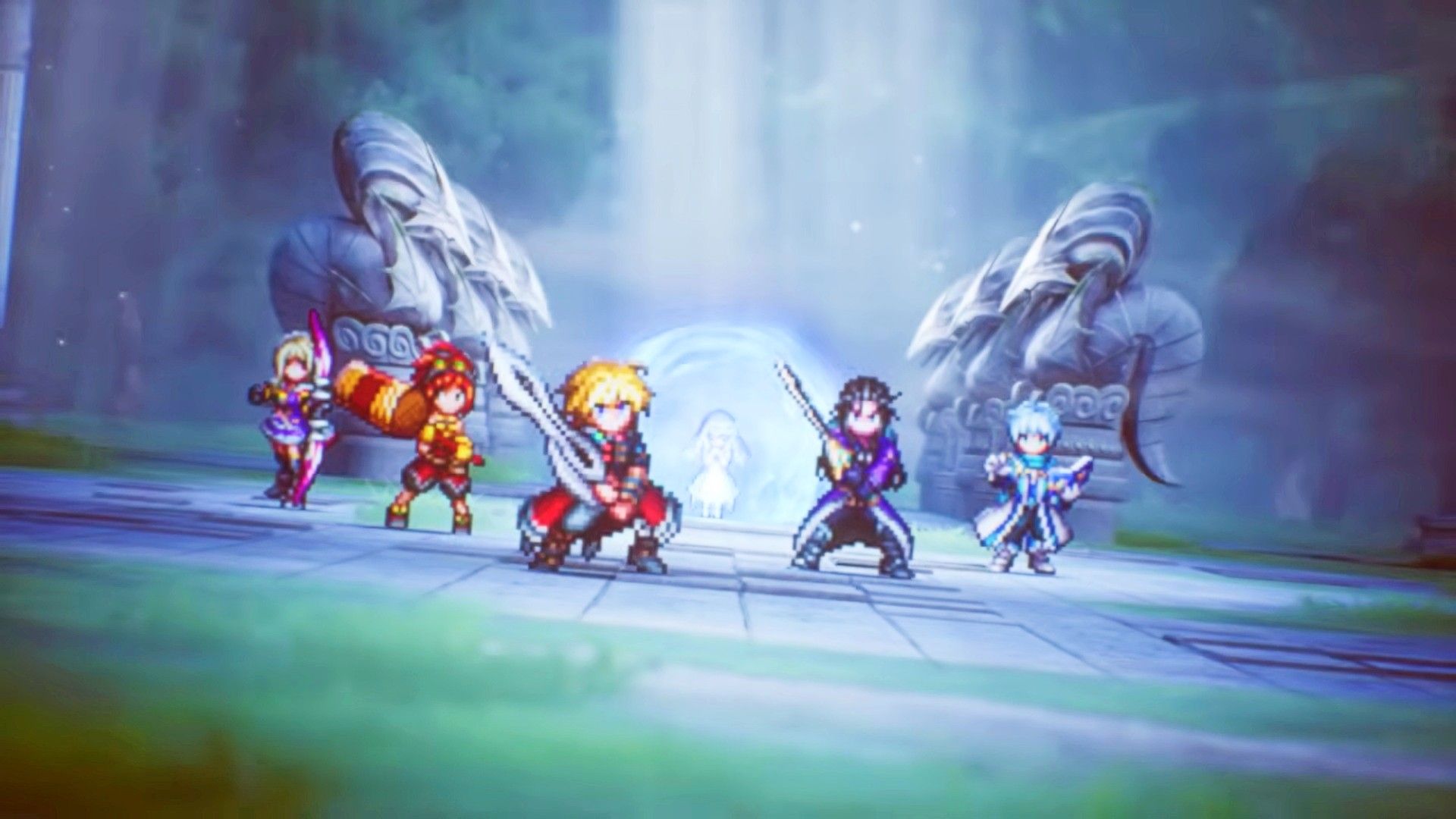
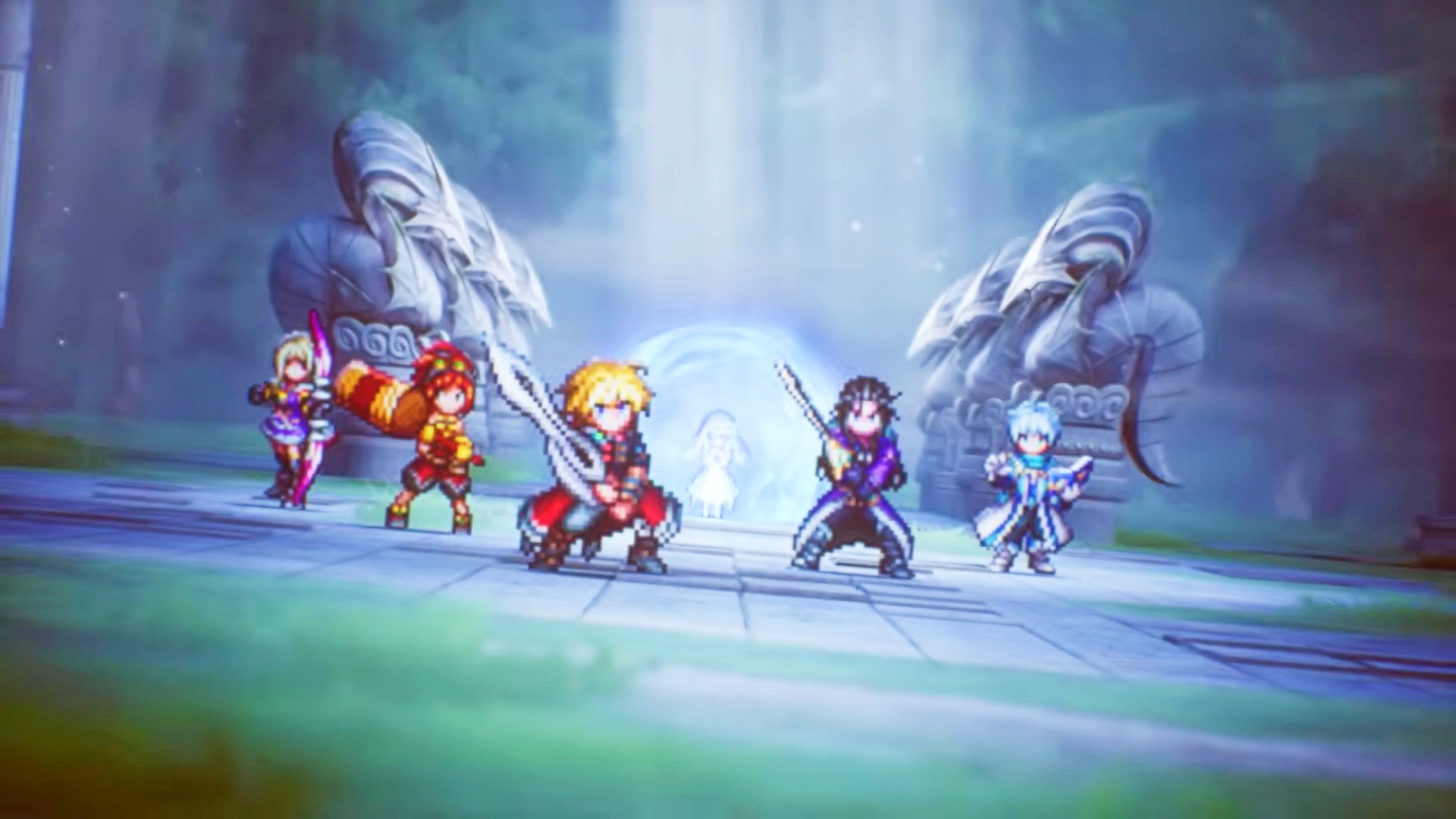
Final Fantasy Resonance, a project that reimagines a previously mobile-exclusive title through the lens of modern, vibrant pixel art, signals a strategic pivot. By leveraging the “HD-2D” aesthetic popularized by titles like Octopath Traveler and the Dragon Quest III HD-2D Remake, Square Enix is proving that it recognizes the commercial and cultural value of "traditional" JRPG mechanics. The game serves as a bridge, offering the visual fidelity expected by contemporary gamers while maintaining the soul of a classic, menu-driven combat system.
A Chronology of Artistic Evolution
The journey to Final Fantasy Resonance did not happen in a vacuum. It is the culmination of years of experimentation by Square Enix.
- 2018–2019: The company began testing the waters with the Octopath Traveler engine, a visual style that blends retro sprite work with modern lighting, depth-of-field effects, and high-fidelity environments.
- 2023: The release of Final Fantasy Tactics: The Ivalice Chronicles served as a proof-of-concept for returning to isometric, classic aesthetics while preserving the deep, strategic gameplay that made the original a cult classic.
- 2024: The widespread success of the Dragon Quest HD-2D remakes solidified the financial viability of this approach, proving that legacy audiences are more than willing to pay premium prices for modernized classics.
- 2025/2026: With the announcement of Final Fantasy Resonance, Square Enix has officially entered a phase where it is diversifying its portfolio, ensuring that its development pipeline includes both "blockbuster" AAA titles and smaller, stylized projects that honor the company’s heritage.
Understanding the "Market-In" Approach
The shift in development philosophy was recently brought into sharp focus during a tense but illuminating Q&A session at a Square Enix shareholders meeting. When confronted with questions regarding the future of the company’s remake strategy—specifically whether fans should expect more smaller-scale projects like Resonance instead of the massive, decade-long commitments required by the Final Fantasy VII trilogy—management offered a pragmatic, if guarded, response.
"As part of our market-in approach, we engage in trial and error to establish what is best for contemporary customers based on current market needs and trends," the company stated in an official transcript. "In doing so, it is extremely important to us that we strike the right balance between our approach and the expectations of players who loved the original works."
This "market-in" strategy suggests that Square Enix is no longer operating solely on the whims of creative directors, but is instead using data-driven metrics to determine which titles deserve a "high-end" remake (like the Final Fantasy VII project) and which are better suited for the "pixel-modernization" treatment (like Resonance).
Supporting Data: Why Small Projects Matter
The economics of the gaming industry are shifting. Developing a triple-A title in 2026 involves staggering costs, often reaching hundreds of millions of dollars. These projects require massive teams, long development cycles, and an immense marketing push to reach a break-even point.
Conversely, the 2.5D/HD-2D model offers several distinct advantages:
- Lower Development Risk: Smaller teams and a defined, recognizable art style allow for shorter development cycles, reducing the burn rate of capital.
- Targeted Audience Engagement: These games specifically cater to the "nostalgia-plus" market—players who grew up with the SNES and PlayStation One eras but expect modern conveniences like auto-save, high-definition textures, and quality-of-life UI improvements.
- Cross-Generational Appeal: By keeping the gameplay loop traditional, Square Enix ensures that the barrier to entry is lower for new players who might be intimidated by the complex systems found in modern action-RPGs.
The success of the Dragon Quest remakes has provided the necessary data to justify this strategy. In many quarters, these "smaller" titles have maintained higher profit margins due to their efficient production and strong brand loyalty, effectively acting as a hedge against the volatile nature of massive, budget-heavy releases.
Official Responses and Corporate Philosophy
The sentiment from Square Enix leadership is clear: the company is moving toward a bifurcated strategy. They intend to push the envelope of technology with mainline entries like Final Fantasy XVII, while simultaneously utilizing their back catalog as a sandbox for stylistic experimentation.
"While specific titles may call for specific mechanics," the shareholder report noted, "we will continue our development efforts by assessing what truly resonates within the current market environment for both original titles and new remakes."
This statement is particularly significant for fans worried that the company might abandon its turn-based roots entirely. The language confirms that the "mechanics" of a game are treated as a variable, not a fixed constant. If the market dictates a hunger for the tactical, grid-based, or menu-driven combat of the 90s, Square Enix now has the framework to deliver that experience without compromising the graphical quality that modern audiences demand.
Implications for the Future of the Franchise
What does this mean for the future of the Final Fantasy brand?
First, it suggests a "preservation through modernization" approach. Square Enix has publicly acknowledged that while they cannot keep every legacy game playable in its original form forever, they are committed to "creating pathways" for fans to enjoy these titles. Final Fantasy Resonance is the first major step on that path.
Second, we are likely to see a flurry of announcements regarding other classic titles. The demand for an HD-2D version of games like Final Fantasy VI or Chrono Trigger has never been higher, and the financial success of Resonance will likely act as the final green light for these projects.
Third, this shift empowers developers to take risks. A 2.5D title is the perfect medium for smaller, more intimate stories within the Final Fantasy universe. It allows the company to explore side-characters, prequel narratives, and "what-if" scenarios without the narrative bloat often associated with major, multi-part trilogies.
Conclusion: A Balanced Portfolio
The industry is watching Final Fantasy Resonance closely, not just for its gameplay, but as a barometer for the health of the mid-tier market. By embracing its history rather than running from it, Square Enix is demonstrating a mature understanding of its audience.
For the players who have spent eight years waiting for a project that captures the magic of the golden era, the future looks bright. Whether you are a long-time veteran of the series or a newcomer intrigued by the striking visual aesthetic, the message from the developers is clear: the path forward includes looking back. As Square Enix balances its massive, open-world aspirations with the heartfelt, pixel-perfect charm of its past, the Final Fantasy series is positioning itself to be more versatile and enduring than ever before.
The question remains: will the market respond with the enthusiasm Square Enix expects? If the fervor surrounding Resonance is any indication, the answer is a resounding "yes."

