

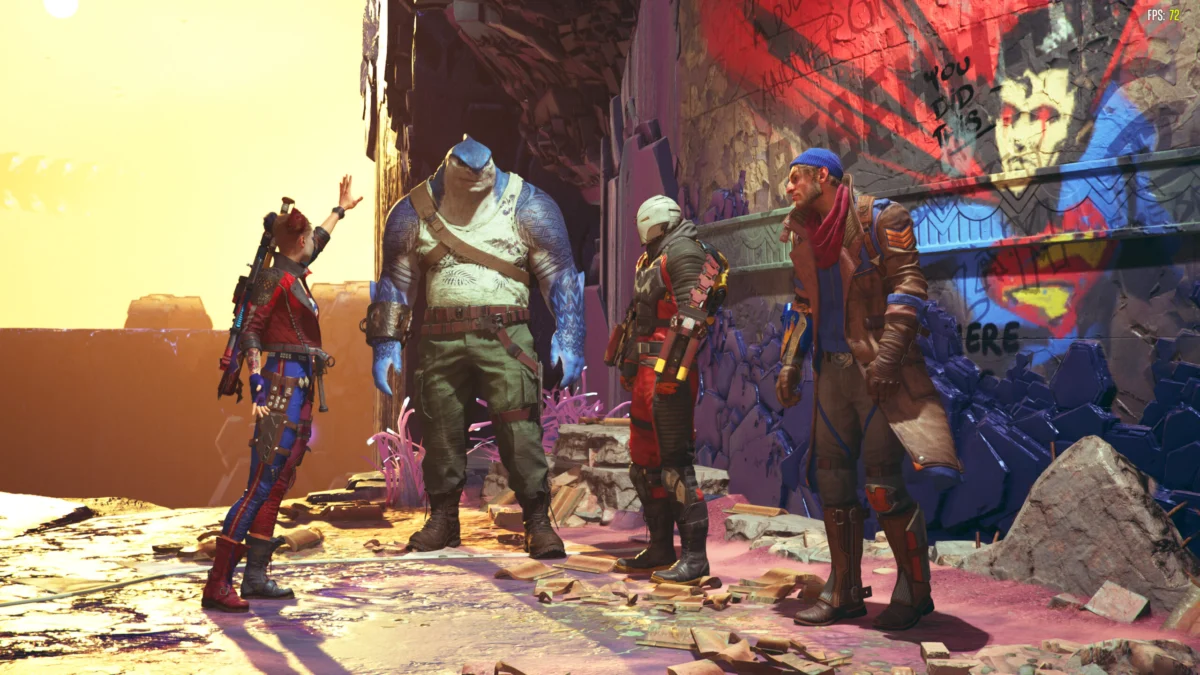
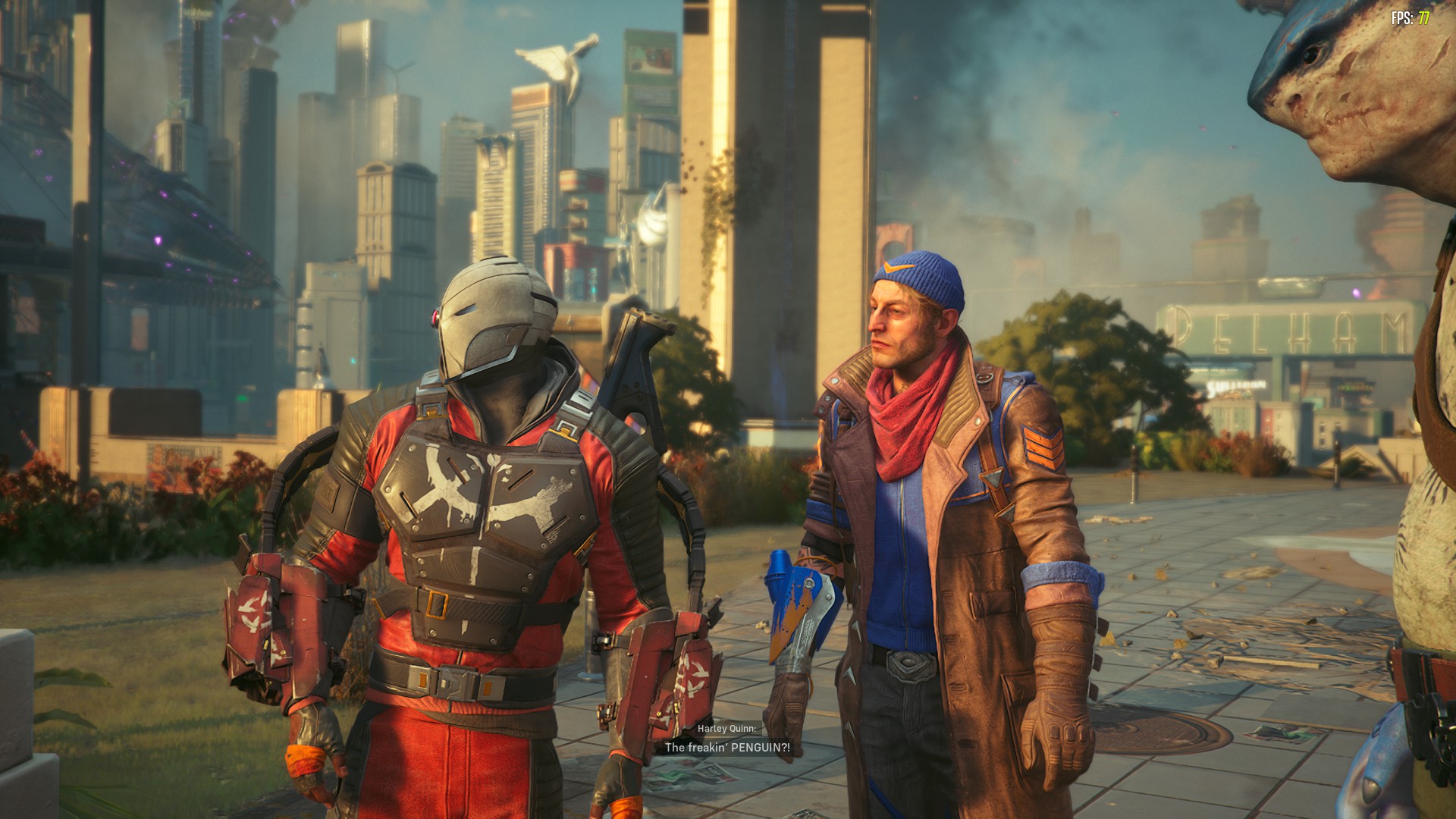
The gaming industry is currently undergoing a painful reckoning, one defined by a widening chasm between the creative vision of developers and the spreadsheet-driven demands of corporate stakeholders. Perhaps no project embodies this tragic disconnect more starkly than Rocksteady Studios’ Suicide Squad: Kill the Justice League.
What was meant to be the next crown jewel for Warner Bros. Games—a high-octane, live-service follow-up to the studio’s legendary Arkham trilogy—instead became a cautionary tale. Following its release, reports confirmed the game resulted in a staggering $200 million loss for Warner Bros., a figure that eclipses the production budget of the 2016 Suicide Squad feature film. Beyond the financial wreckage lies a more human cost: the burnout, disillusionment, and eventual exodus of the talent that built Rocksteady into a powerhouse.
A Legacy Undermined: The Rise and Fall of a Studio
Rocksteady Studios was once the gold standard for licensed superhero gaming. With Batman: Arkham Asylum, City, and Knight, they proved that licensed titles didn’t have to be "cash-ins"—they could be masterpieces of narrative, atmosphere, and tight mechanical loops. However, the pivot toward Suicide Squad: Kill the Justice League marked a fundamental shift in the studio’s DNA.
From its inception, the project was plagued by a "live-service" mandate. While the developers initially approached the game with the confidence of a team coming off a decade of critical hits, that optimism was quickly eroded by the realities of modern corporate development. The game was no longer being designed to tell a compelling story; it was being engineered to maximize "engagement metrics," "daily active users," and long-term monetization.
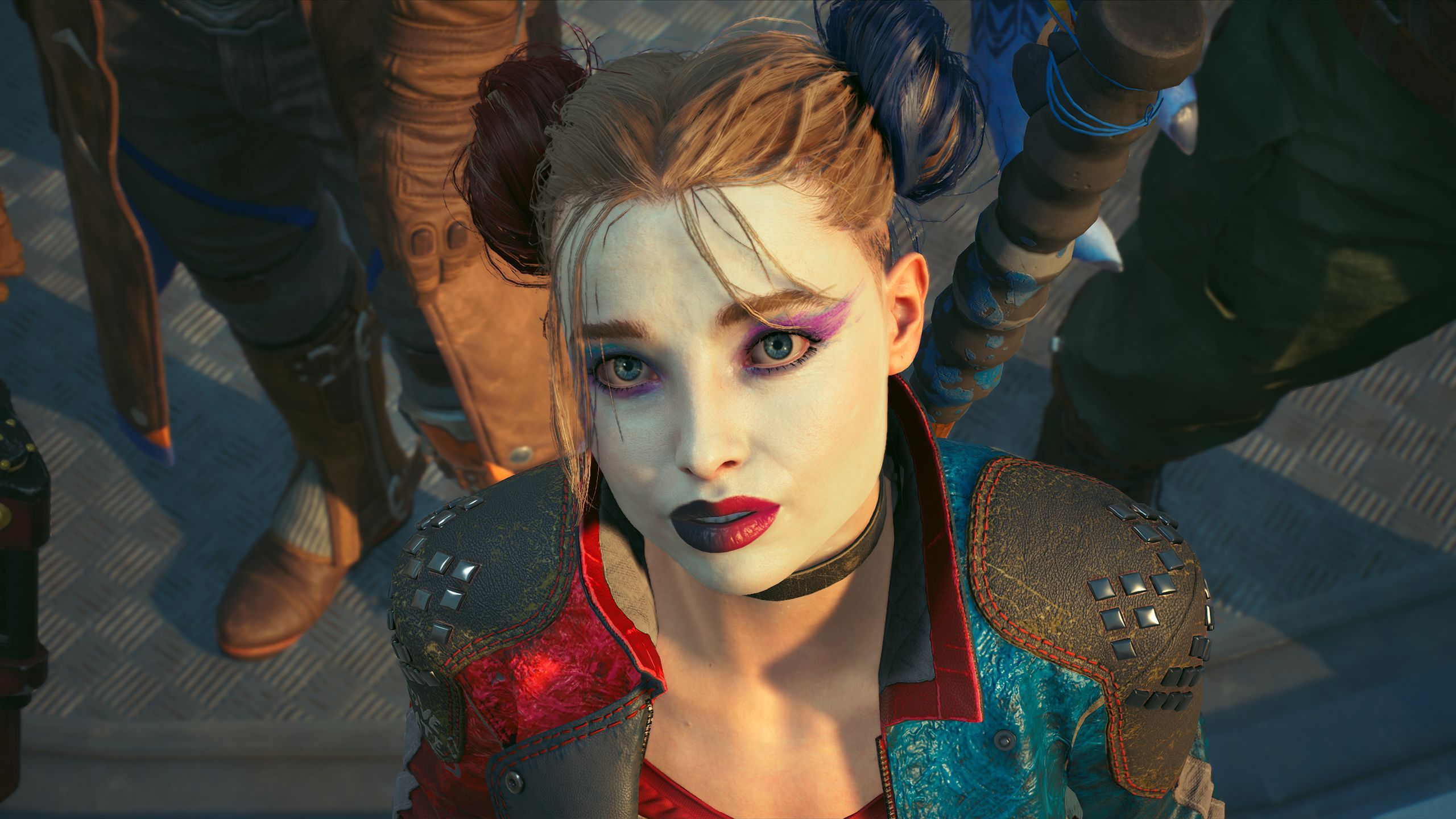
The Spreadsheet Era: A Chronology of Development Hell
The development of Suicide Squad was characterized by a series of delays that, rather than providing the team with breathing room, only served to increase the pressure from executives to justify the mounting costs.
The Shift in Focus
Former Rocksteady developers Axel Rydby and Johnny Armstrong recently provided a candid look into this period in an interview with Bloomberg. According to the duo, the development process shifted from creative iteration to "spreadsheet management."
"I was following a spreadsheet, some elusive marketing-analysis spreadsheet that no one could present clearly," Rydby noted. "I kind of felt like this isn’t the gaming industry I wanted to work in."
The Illusion of Progress
As the release date slipped, the team found themselves in a cycle of "running to stand still." Despite putting in long hours, the product didn’t seem to improve in meaningful ways. The culture had shifted from crafting a cohesive experience to performing surgery on a design that was fundamentally at odds with the team’s creative instincts.
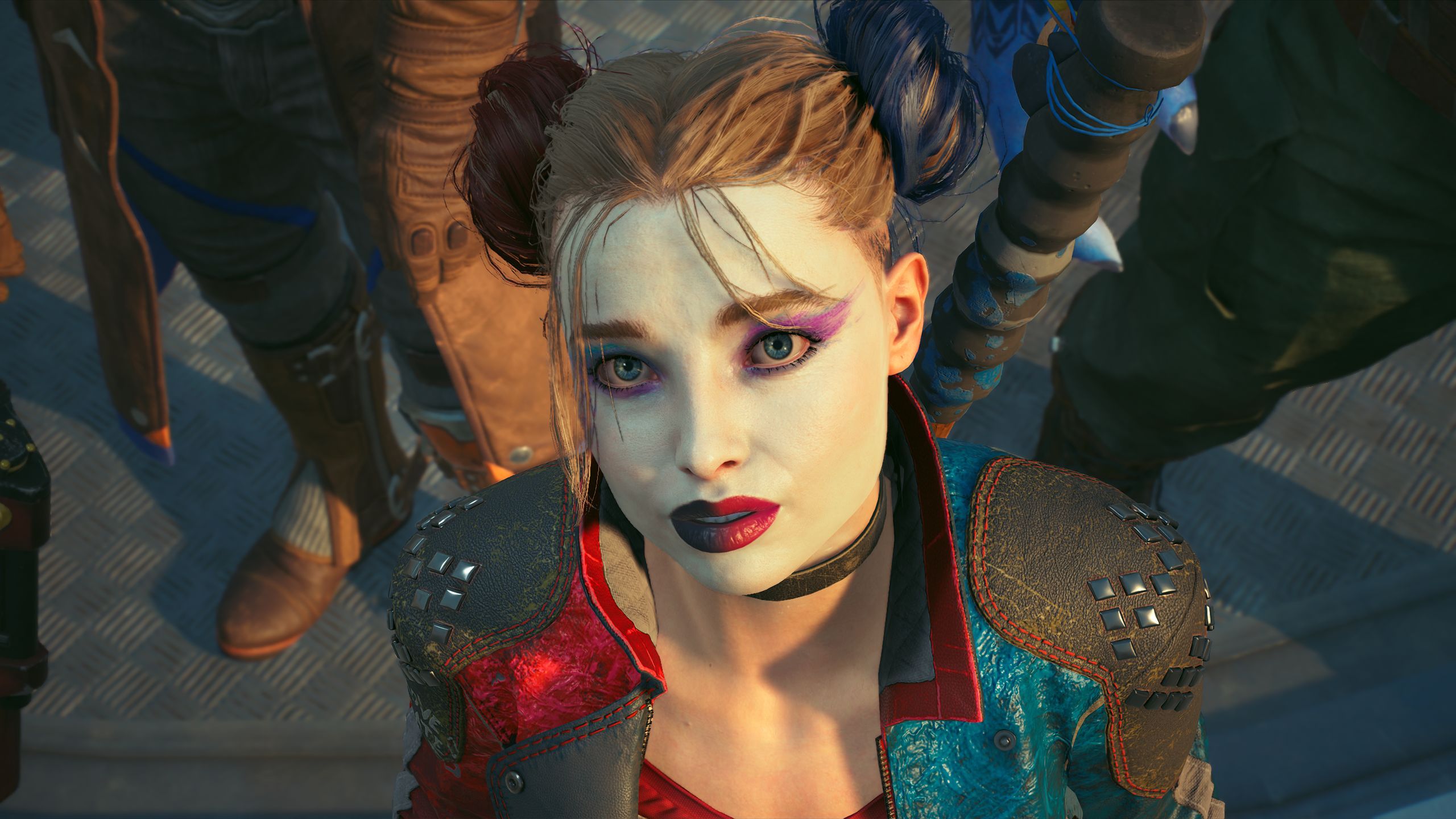
The Six-Month Squeeze
In the final stretch, the developers were subjected to unrealistic deadlines. Executives demanded radical shifts in design to ensure "replayability" and maximize player reach, often giving the team as little as six months to overhaul systems. "Six months isn’t enough to do any fundamental changes," Rydby explained. "That’s just enough to fix as many bugs as you can and see if you can squeeze in a bit of feature tweaks."
Supporting Data: The Financial Fallout
The $200 million loss attributed to the game is not merely a number on a balance sheet; it represents a failure of market forecasting. When comparing the game’s budget to its performance, the failure is twofold:
- Production Costs: The extended development time and the cost of maintaining a live-service infrastructure inflated the budget significantly beyond that of a standard AAA title.
- Market Saturation: The game launched into a market already fatigued by "Games as a Service" (GaaS) models. Players were increasingly vocal about their desire for complete, single-player experiences, leaving a title that demanded constant interaction and microtransactions struggling to find a foothold.
The loss of $200 million is $25 million more than the production budget of the 2016 Suicide Squad film, highlighting that the risks in the gaming sector have now arguably outpaced those of the blockbuster film industry.
Official Perspectives and Internal Culture
The testimonies from Rydby and Armstrong offer a rare, unfiltered look at the psychological toll of this environment. For many, the joy of game development—the "passion project" aspect that once fueled the studio—had been replaced by the anxiety of meeting KPIs.
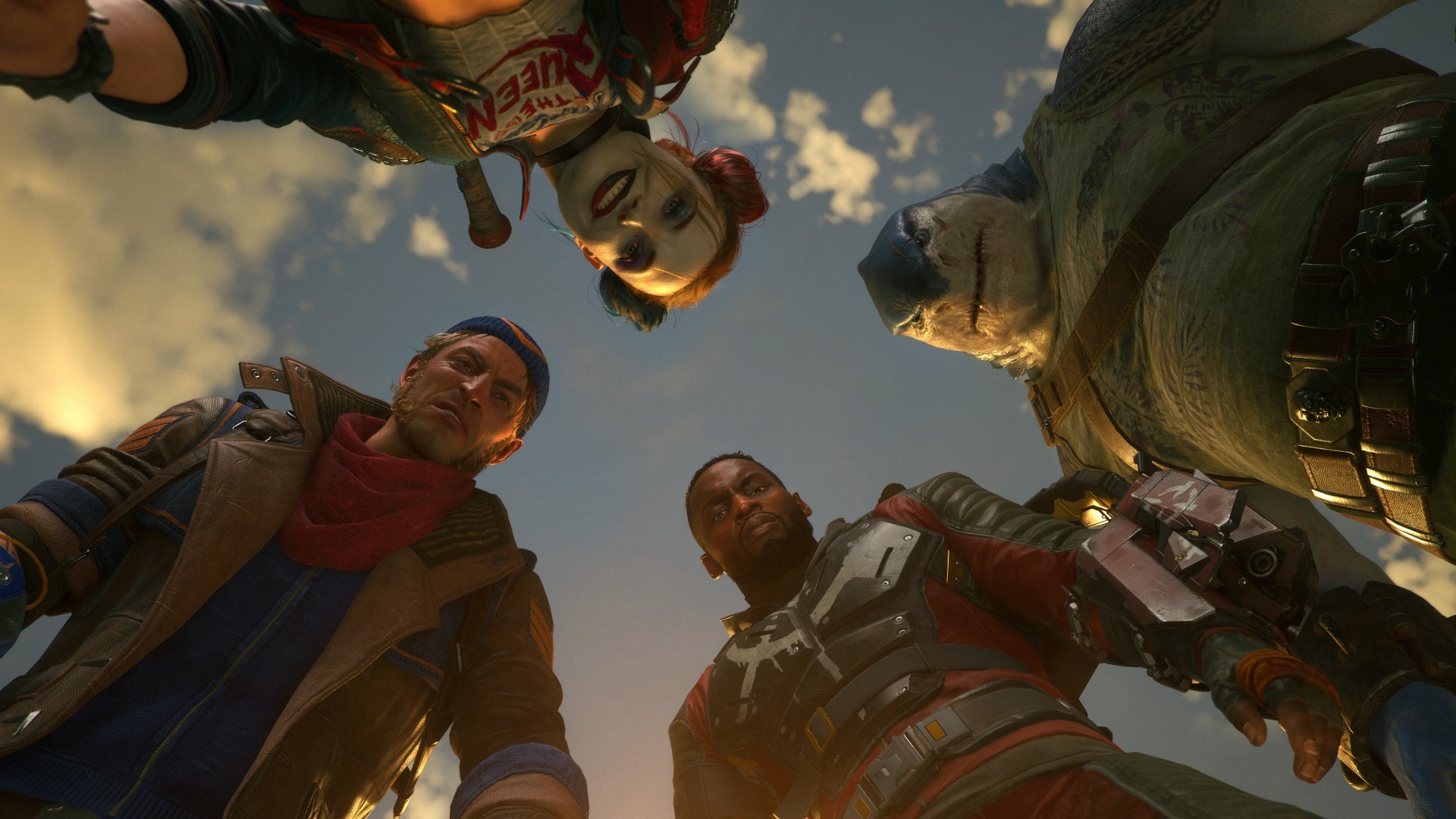
"I felt everything drained from me," Armstrong reflected. "I said, ‘I can’t do this again. I don’t know if I’m done with the industry, but I’m done.’ I could feel myself coming apart at the seams."
This sentiment is echoed throughout the industry. When developers are treated as cogs in a machine designed solely to satisfy shareholders, the inevitable result is the loss of the creative spark that made their previous work successful in the first place.
Implications for the Future of AAA Gaming
The failure of Suicide Squad serves as a stark warning to the industry. The "live-service" gold rush has led to a glut of games that lack identity, forced into formats that players did not ask for.
The "Vincke" Philosophy
The industry has been reminded of the words of Swen Vincke, CEO of Larian Studios, who famously challenged the industry’s obsession with monetization over substance. During his acceptance speech at The Game Awards, he reiterated the simple, yet elusive, formula for success: "A studio makes a game because they want to make a game they want to play themselves."
A Return to Roots?
Rydby and Armstrong have since left Rocksteady to pursue their own independent project, Secret of Circadia, an RPG deckbuilder. Their move to the independent space—symbolized by a modest Kickstarter campaign—is indicative of a broader trend: veteran developers are walking away from the "AAA" grind to reclaim their creative autonomy.
Conclusion: The Path Forward
The collapse of Suicide Squad: Kill the Justice League is not just about a bad game; it is about a broken philosophy. If major publishers continue to prioritize "infinite money machines" over the creative needs of their developers, they will continue to see these massive financial losses.
Talented developers are the most valuable resource in the industry. Giving them the space to innovate, take risks, and prioritize the player experience over the engagement metric is not just a moral imperative—it is the only sustainable business model. Until the "suits" realize that games are an art form first and a product second, the industry will remain caught in a cycle of burnout, disappointment, and, ultimately, failure. The question remains: will the industry learn, or are we destined to repeat the mistakes of the Suicide Squad saga?

