

Six years ago, when the walls between gaming platforms began to crumble, the gaming landscape felt like it was on the verge of a revolutionary realignment. When Sony first signaled its intent to bring its prized exclusive titles to Steam, the industry was abuzz with speculation. At the time, PC Gamer’s Evan Lahti famously wrote, "Well, I guess we won the console war." It was a provocative statement, but one that held an undeniable ring of truth: the exclusivity silos that defined the medium were beginning to dissolve.
Today, half a decade later, the dust has settled, and the reality is far more stark than anyone anticipated. We are witnessing the slow, managed decline of the traditional home console as a meaningful alternative to the PC. With Sony retreating into a restrictive digital garden and Microsoft struggling under the weight of its own massive acquisitions, the PC has emerged not just as a competitor, but as the only platform that offers true agency, longevity, and ownership.
A Chronology of Retreat: From Discs to Digital Lock-ins
The trajectory of the modern console has shifted from "convenience-first" to "control-first." To understand how we arrived at this inflection point, one must look at the recent, rapid-fire decisions made by industry giants.
In early 2026, the industry was blindsided by a pair of Sony announcements that signaled a fundamental change in philosophy. First, the company confirmed that it would cease the production of physical game discs by January 2028. This move effectively puts an expiration date on the "collector" era of PlayStation gaming. Almost simultaneously, Sony announced the impending closure of the digital storefronts for the PlayStation 3 and the PS Vita.
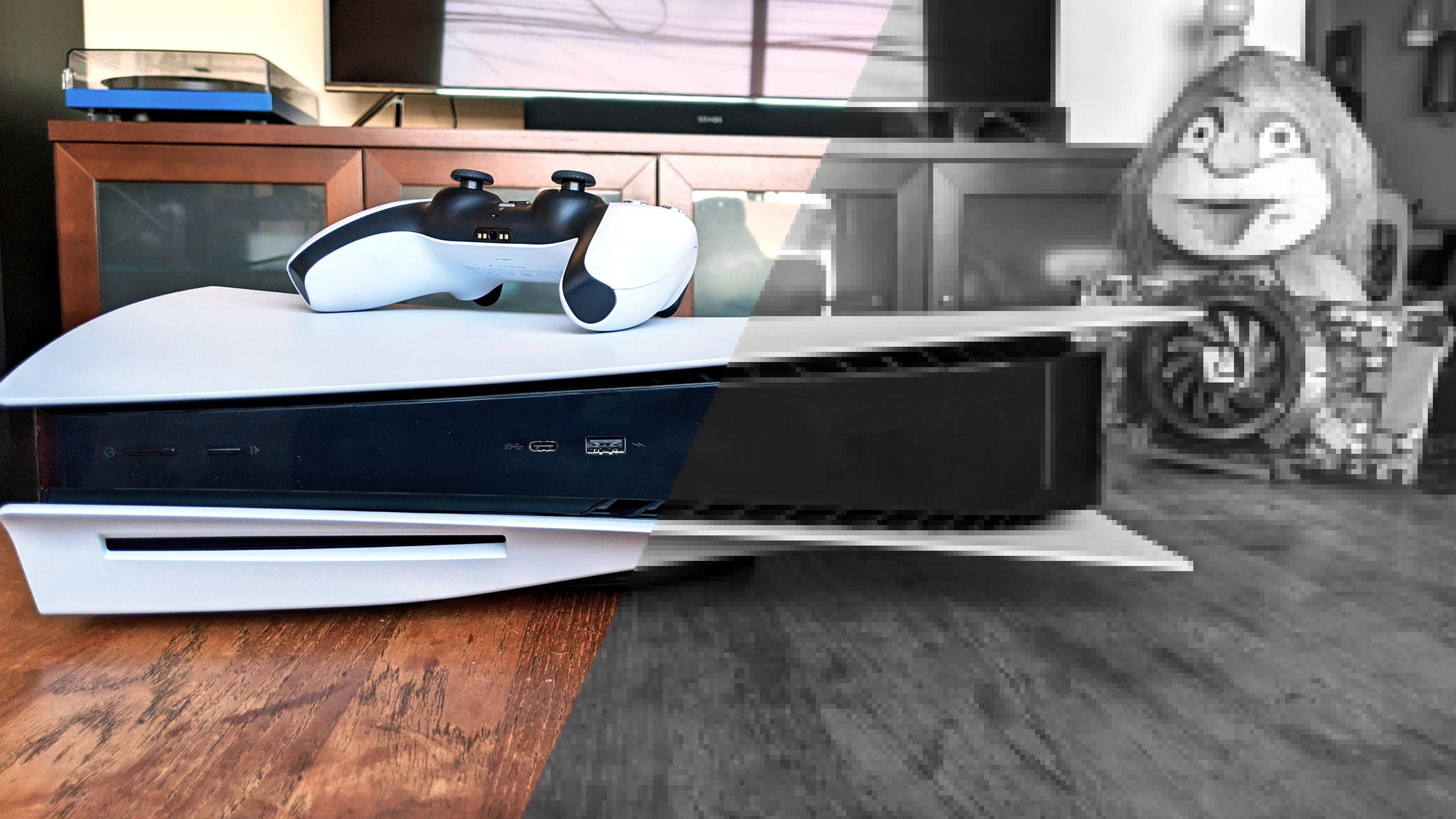
These were not isolated events; they were a coordinated "rip-the-band-aid-off" strategy. By forcing players into a purely digital environment, Sony is effectively eliminating the secondary market—the ability to buy, sell, or trade games at retailers like GameStop or Walmart. This consolidation of power allows the company to set prices, dictate terms of access, and—perhaps most ominously—revoke licenses to content that users have already "purchased."
Supporting Data: The Economics of Obsolescence
The argument for consoles has historically rested on two pillars: affordability and simplicity. In 2020, the PlayStation 5 was a masterclass in value. With its $400 discless model, it offered a gateway into high-fidelity gaming that was, at the time, significantly cheaper than building a PC—especially during the height of the crypto-mining craze, which rendered high-end graphics cards effectively unobtainable for the average consumer.
However, the economic reality has inverted. Today, the cost of entry for a PS5 is effectively $250 higher than it was at launch, once you factor in hardware price hikes, mandatory subscription costs for PlayStation Plus (now required for basic online functionality), and the increased price of first-party titles.
When you add the "hidden" costs—the high price of proprietary storage expansion and the inability to use cheaper, third-party alternatives—the value proposition collapses. A PC, while often requiring a higher initial investment, offers a modular ecosystem where parts can be upgraded incrementally, and where the "subscription tax" to play online simply does not exist.
The Illusion of Exclusivity and the Prestige Gap
Perhaps the most significant blow to the console identity is the erosion of the "system seller." In the six years since the PS5’s launch, the frequency of blockbuster, platform-defining exclusives has diminished. The "prestige" that once defined the PlayStation brand—the feeling that you must own the hardware to experience the pinnacle of gaming—has waned.
When a console manufacturer produces fewer flagship titles, the hardware begins to look less like a specialized machine and more like an expensive, limited-utility computer. If the goal is to play a handful of games that are already being ported to PC anyway, the $500-plus investment becomes harder to justify.
Implications: The Death of Digital Ownership
The most profound implication of this shift is the death of digital ownership. As evidenced by recent reports of Sony remotely erasing content from user libraries, the consumer is being relegated to a "renter." You are no longer buying a game; you are buying a revocable license to access a server-side file.
This stands in stark contrast to the PC ecosystem. On PC, the user retains a level of control that consoles have systematically stripped away. Through platforms like Steam, GOG, or even simple DRM-free distribution, the player is the custodian of their own library. If a developer stops supporting a game on PC, the community steps in. Fan-made patches, modding communities, and open-source emulators ensure that games from the 90s, the 2000s, and beyond remain playable in perpetuity.
On a console, you are at the mercy of the manufacturer’s server infrastructure. When that infrastructure reaches its end-of-life, your library dies with it.
The "Steam Machine" Reality: PC as the Universal Console
The defense of the console has always relied on the "ease of use" argument—that a console is a simple, plug-and-play device for the living room. This argument is increasingly obsolete. Valve’s development of SteamOS and the proliferation of controller-friendly interfaces have bridged the gap between the desktop and the couch.
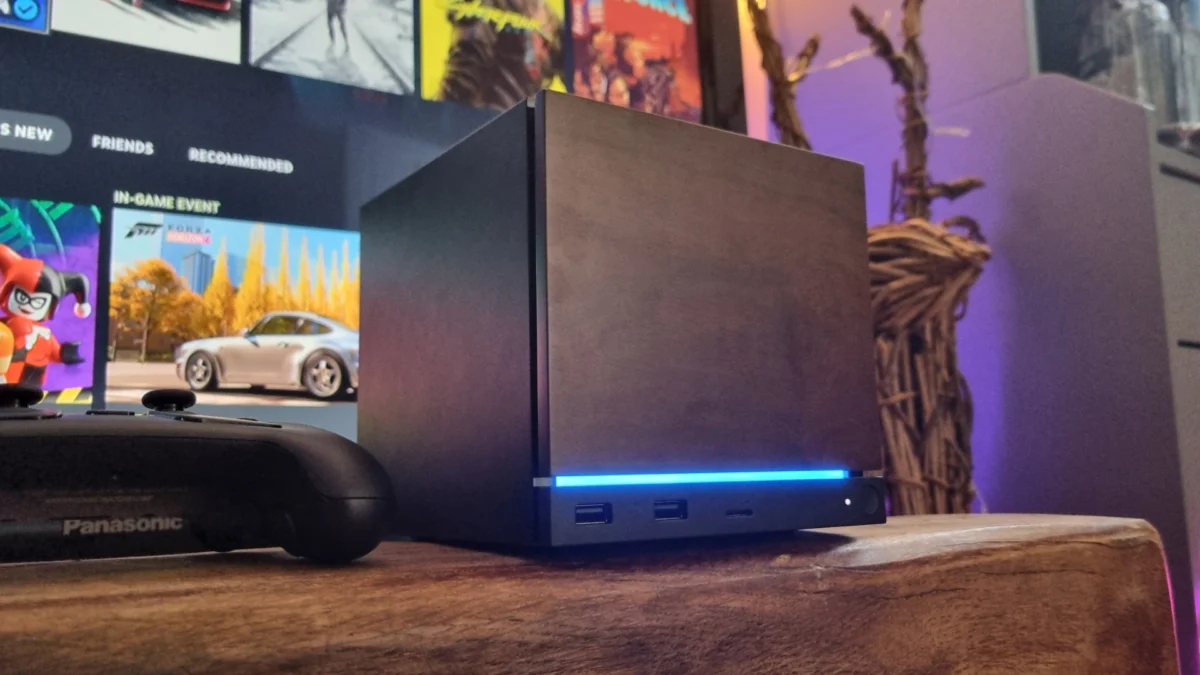
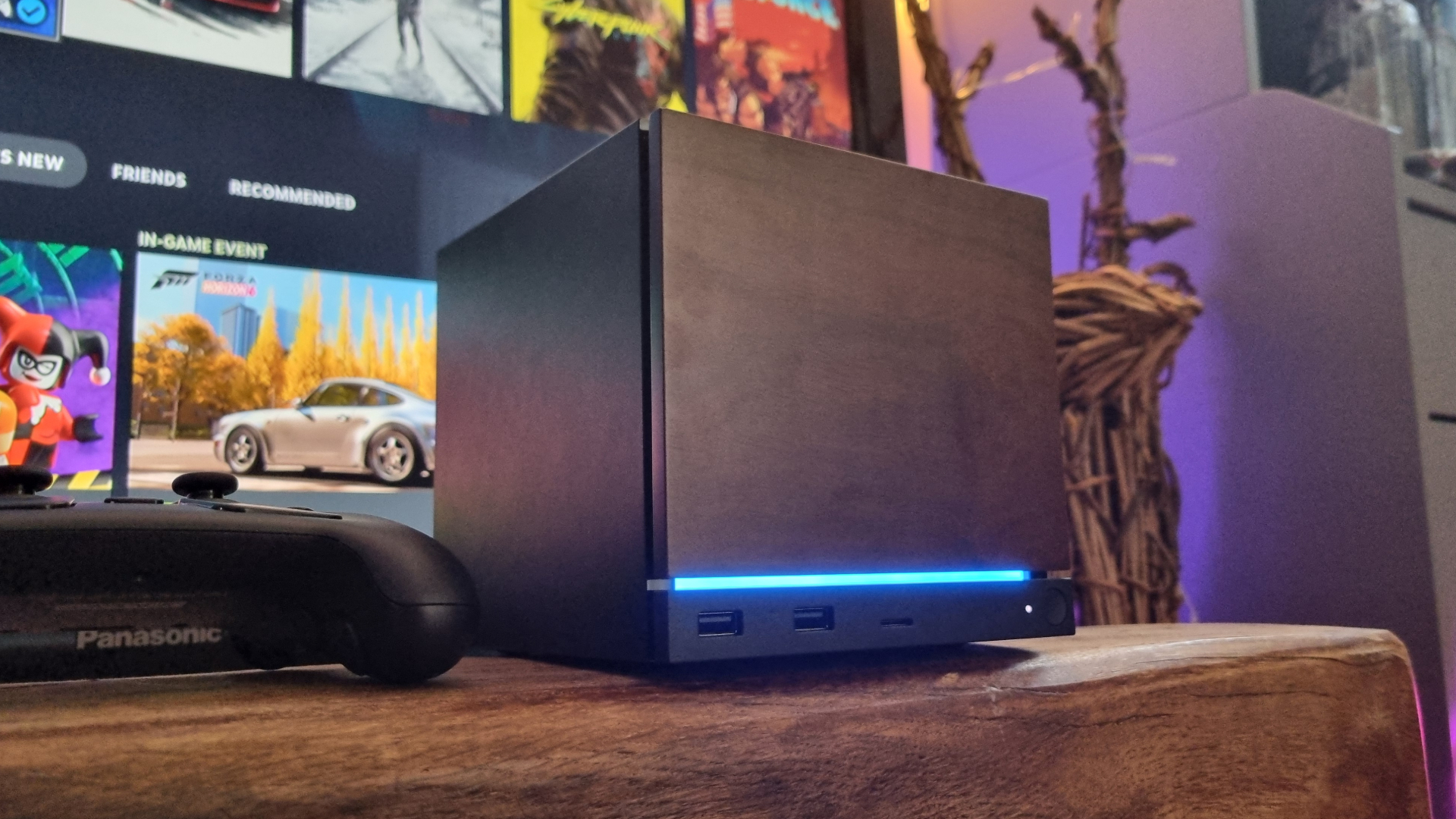
Today, a user can build a "console" using a small-form-factor PC that runs SteamOS. It provides the convenience of a console-like UI with the open-ended nature of the PC. You can use any controller, buy games from multiple storefronts, and, most importantly, keep those games on a local drive that you own. You can even move those files to a new machine in a decade without asking a corporation for permission.
A Future of Walled Gardens vs. Open Forests
As we look toward the potential release of a PlayStation 6 or the next iteration of the Xbox, the divide is clear. Sony is doubling down on a walled garden that is increasingly hostile to the consumer, while Microsoft appears to be in a state of institutional panic, burning through capital on acquisitions while failing to define a clear identity for its hardware.
The console manufacturers have priced themselves into irrelevancy. They are selling a restricted experience at an premium cost, all while stripping away the features—physical media, secondary markets, and long-term ownership—that made consoles a distinct and valuable alternative to the PC.
The "console war" was never truly about which box was faster or which had better exclusives. It was about which ecosystem respected the player’s agency. By attempting to force the industry into a purely transactional, rent-seeking model, console manufacturers have inadvertently proven that the "kingmaker" of the gaming industry has been, and always will be, the open platform.
In 2028, when the last disc is pressed, we won’t just be seeing the end of physical media. We will be seeing the end of the console as a competitive force. The PC didn’t just win the war; it simply outlasted a competitor that forgot why people loved games in the first place: the ability to own, play, and share them.

