

The landscape of interactive media is currently undergoing a radical shift as streaming giants look to leverage the ubiquity of the smartphone. Netflix Games, in its latest ambitious experiment, has released Unhinged, a high-stakes horror title that tasks players with navigating a nightmare scenario not through a standard controller, but by using their own mobile device as a tethered input peripheral. Helmed by the creative pairing of Zach Cregger and David Fincher, Unhinged aims to collapse the distance between the viewer and the protagonist, Ava, by forcing the player to physically hold the same "lifeline" she uses to survive.
While the concept is theoretically ingenious, the execution highlights a recurring struggle in game design: when does immersion cross the line into frustration? With a runtime of approximately 30 minutes, Unhinged functions less like a traditional game and more like an interactive short film, raising questions about whether peripheral-gimmickry is the future of gaming or a temporary distraction.
The Core Concept: Redefining Agency
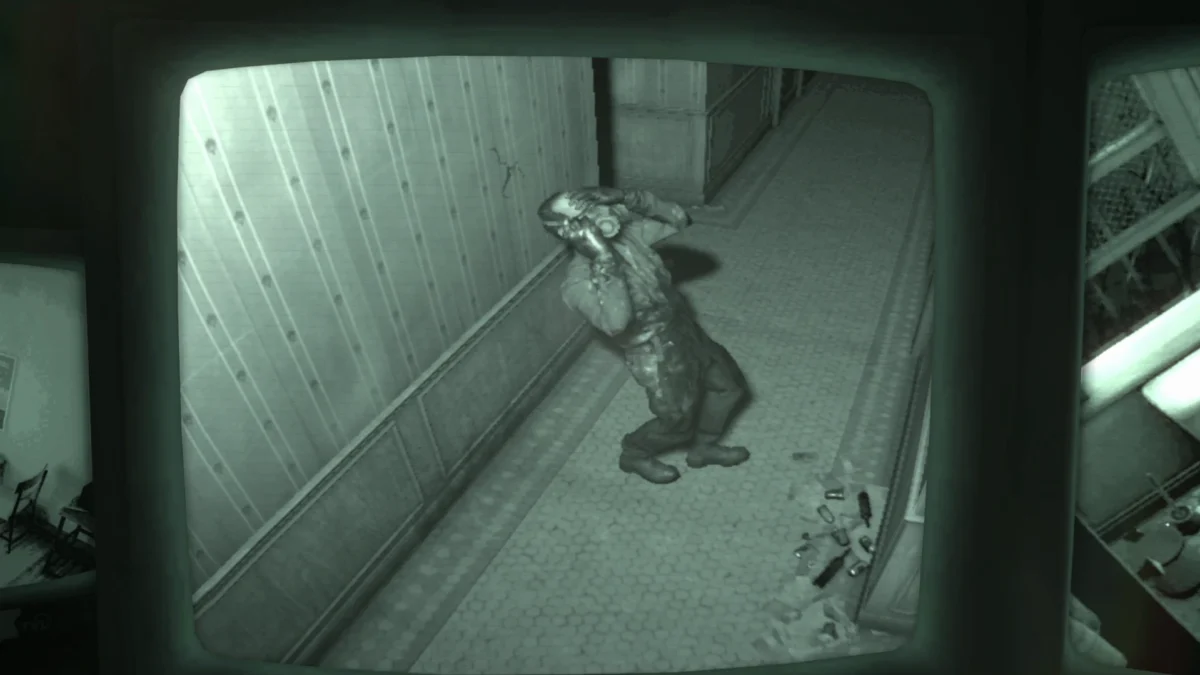
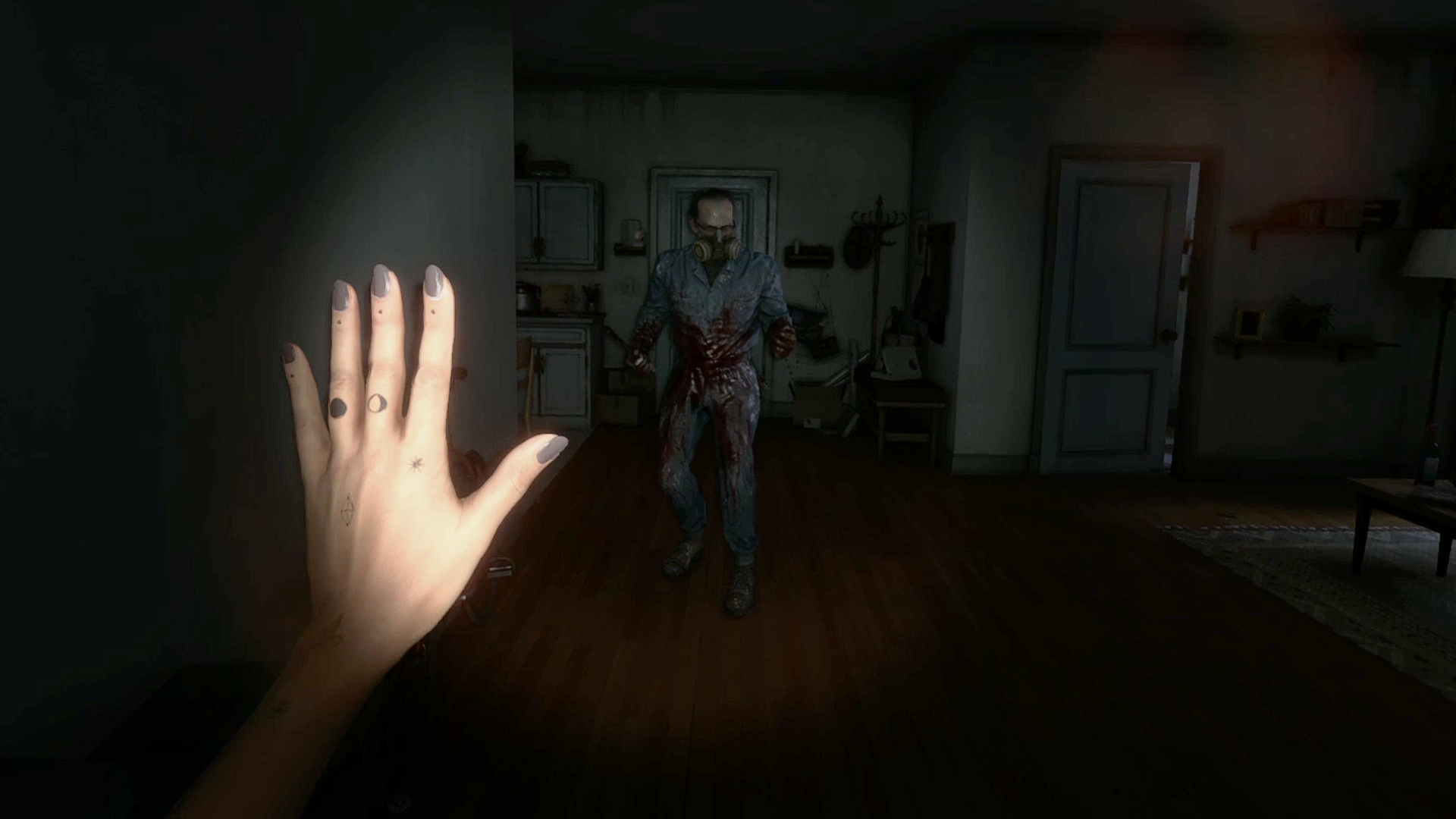
At its heart, Unhinged is a point-and-click horror game. The narrative follows Ava, a woman trapped in an apartment building during a devastating hurricane that has cut all power, plunging the facility into absolute darkness. To navigate the hallways and evade a blood-soaked antagonist, players must rely on their mobile devices. The phone acts as a dual-purpose tool: it is a navigation cursor and a simulation of the character’s own phone, which she uses to text her friend, Claire, for guidance and assistance.
The premise is undeniably strong. By utilizing the player’s phone to mimic the in-game device, the developers aim to create a "fourth-wall-breaking" experience. When Ava needs to light her way, the player is essentially manipulating the very tool she is using. However, this innovative approach to input comes with significant technical and psychological baggage that, at times, undermines the very tension the game seeks to cultivate.
Chronology of a Crisis: The 30-Minute Descent
The experience is designed to be a compact, high-intensity sprint. Over the course of a 30-minute play session, the pacing is frantic.
- The Introduction: The player is introduced to the control scheme through a series of atmospheric, low-light explorations of the apartment building. The initial novelty of using a smartphone to guide a flashlight beam across a screen is engaging, grounding the player in the cold, claustrophobic reality of the setting.
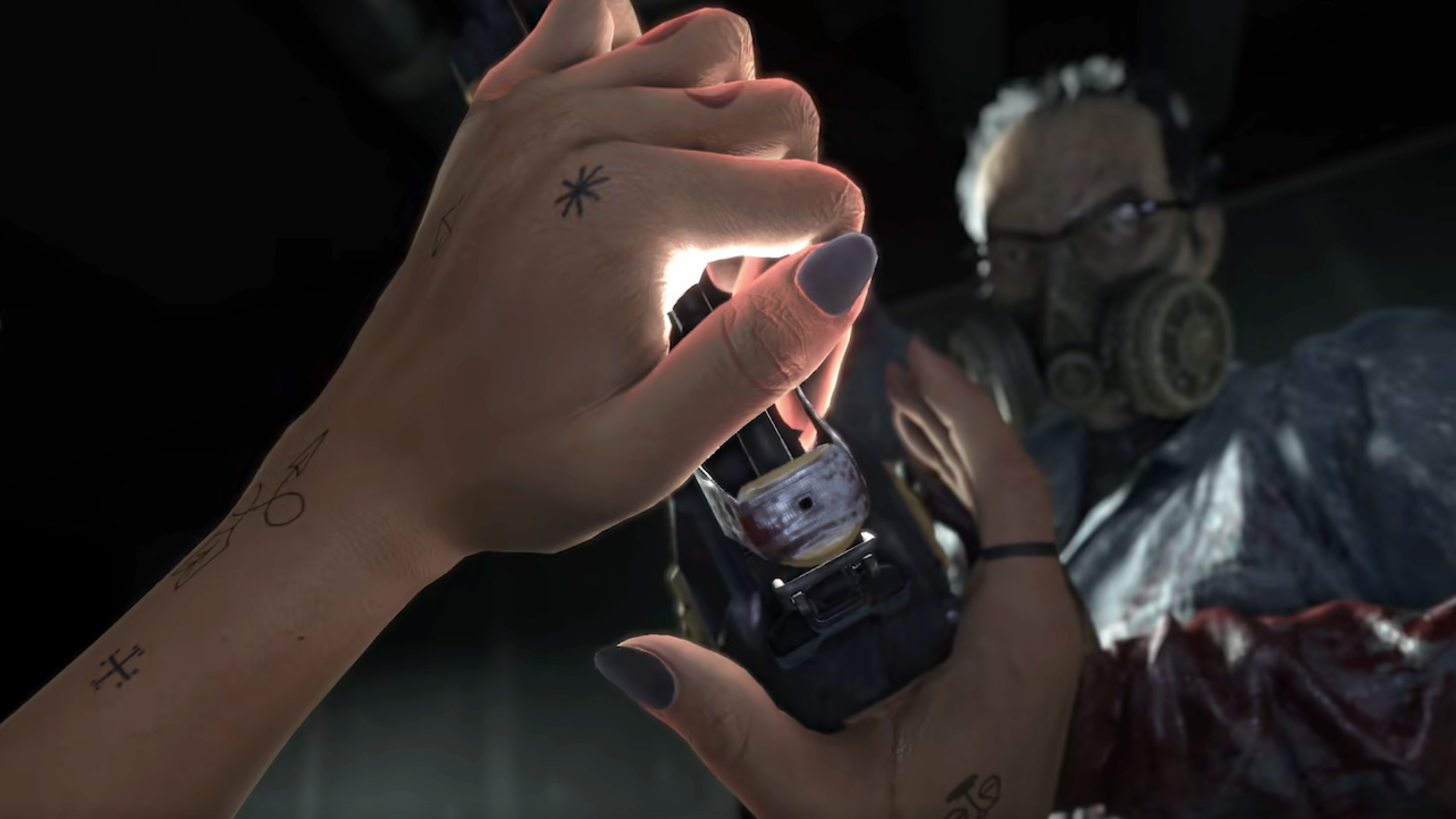
- The Escalation: As the narrative progresses, the "creep" begins his pursuit. This is where the game’s mechanics shift from exploration to high-stress survival. Quick-Time Events (QTEs) require precise, rapid movements on the phone’s touch surface to avoid detection or to reach for makeshift weapons.
- The Climax: The final act forces a collision between the player’s real-world environment and the game’s world. Constant notifications, phone calls from the character Claire, and the need to manage the virtual flashlight reach a fever pitch, leading to the game’s conclusion.
Supporting Data: The Immersive Paradox
The central tension in Unhinged lies in the "Immersion Paradox." While the developers clearly intended for the phone to serve as a bridge to the character’s struggle, it frequently serves as a barrier.
The Frustration of Technical Input
Using a smartphone as a mouse replacement for point-and-click mechanics is fundamentally temperamental. Accuracy is the primary casualty of this design choice. In a standard horror game, a missed input is often a failure of strategy; in Unhinged, a missed input is often a failure of the hardware-to-software translation. During the high-pressure QTEs, where every millisecond counts, the latency inherent in mobile-to-TV connectivity becomes glaringly obvious. When the killer is lunging, the player needs the responsiveness of a tactile controller or the precision of a gaming mouse; what they receive is a laggy, touch-sensitive interface that often feels detached from the onscreen chaos.
The Auditory Interference
The game’s reliance on the phone for communication is equally double-edged. Players reported that the constant, persistent calls from the character Claire—who often reaches out at the most inconvenient times—shattered the suspense. In one instance, a player noted that the character’s phone continued to ring and vibrate while a killer was standing mere inches away, an illogical narrative choice that pulled the player out of the terror. The frustration was so tangible for some that it prompted the unconventional solution of setting their own physical devices to "Do Not Disturb," effectively opting out of the game’s core "immersive" feature to preserve their sanity.
Star Power: A Saving Grace
If Unhinged succeeds, it is largely due to the pedigree of its cast. The project features Zoë Kravitz as the lead, Ava, and Sadie Sink as her beleaguered friend, Claire. Troy Baker, a titan in the voice-acting industry, provides the voice and presence for the antagonist.
The performances in Unhinged are, by any objective metric, stellar. Kravitz manages to convey genuine, palpable fear, while Sink delivers a performance that makes the player actually care about the messages appearing on their screen. Baker’s turn as the killer is haunting, providing a level of gravitas that the game’s short runtime might otherwise lack. These performances act as the glue holding the experience together, providing the emotional weight that the temperamental controls simply cannot provide.
Implications for the Future of Netflix Games
The release of Unhinged serves as a litmus test for the future of interactive entertainment on the Netflix platform. Does the "phone as a controller" model have a future?
The Accessibility Argument
On one hand, the accessibility of the model is clear. By allowing anyone with a smartphone to play, Netflix effectively removes the hardware barrier to entry. This is a massive market-share play, targeting casual users who would never purchase a console but are willing to download an app to engage with a 30-minute horror story.
The Design Philosophy
However, the critical reception suggests that "cool" factor is not a substitute for functionality. For Unhinged to have been truly successful, the mechanics needed to be as robust as the acting. If the goal is to make players feel like they are in the game, the interface must be invisible. When the interface becomes a source of irritation, the illusion of immersion is broken. Future iterations must address the latency and the logic of the "phone-within-a-phone" mechanic. If the game demands a specific input method, that method should feel like an evolution of control, not a regression to a less precise one.
Conclusion: A Curated Experiment
Unhinged is an interesting, albeit flawed, experiment in narrative horror. It is a testament to the fact that talent and atmosphere can only go so far when hampered by experimental hardware requirements. For the horror aficionado, the game is worth the 30-minute time investment—if only to witness the powerhouse performances of Kravitz, Sink, and Baker.
However, for those seeking a tight, responsive, and seamless gaming experience, Unhinged will likely feel like an exercise in patience. Netflix has shown that they are willing to take risks, and while Unhinged doesn’t quite stick the landing, it provides a valuable lesson: innovation in the gaming space must always prioritize the player’s agency. Until the input methods catch up to the cinematic ambition, Netflix Games might find that the best way to keep players immersed is to stop asking them to fumble with their phones and let them simply play.

