

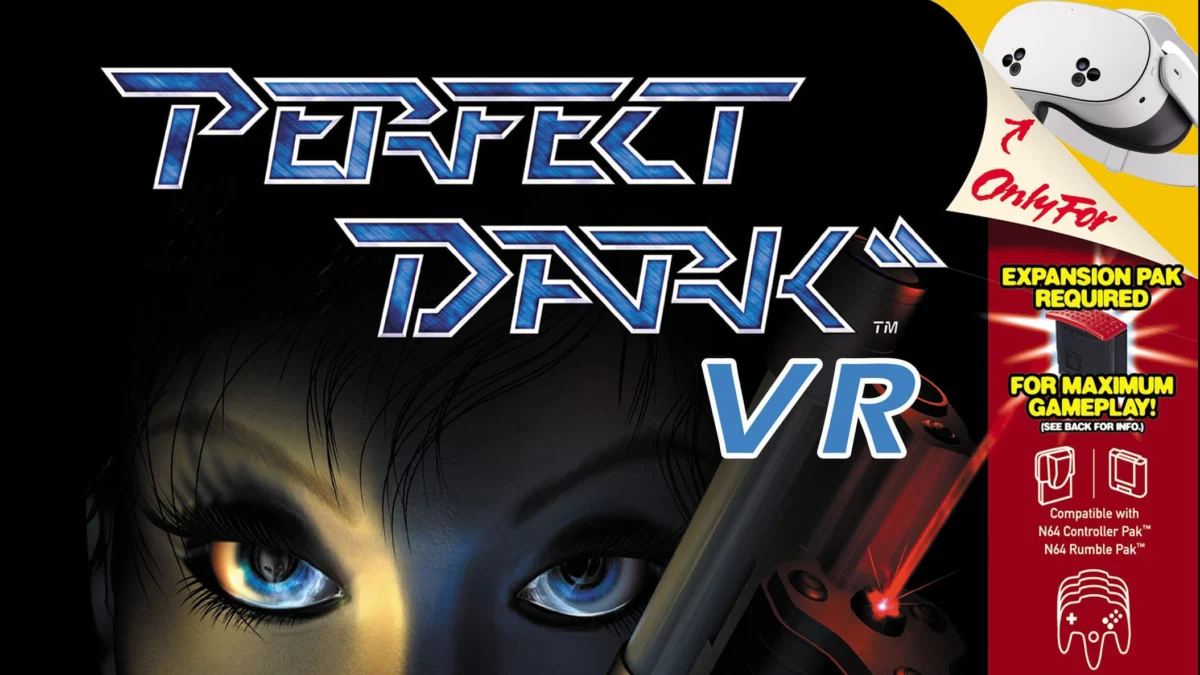
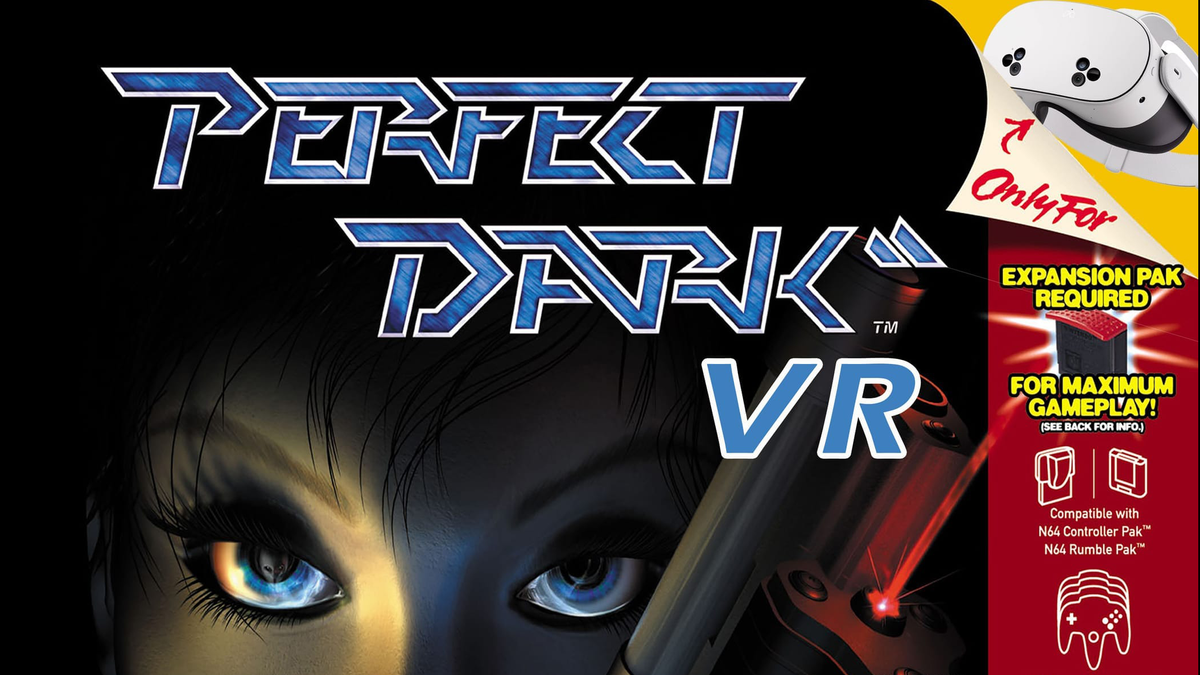
The landscape of interactive entertainment is currently witnessing a fascinating convergence: the cutting-edge immersion of modern Virtual Reality and the timeless appeal of 90s-era classics. This intersection has reached a new milestone with the release of the first public build of Perfect Dark VR, a fan-made project that transports Rare’s legendary Nintendo 64 shooter into the immersive realm of Meta Quest and PC VR.
Developed by modder Alex Le Tux, this project represents more than just a novelty; it is a sophisticated technical achievement that leverages the 2022 Perfect Dark decompilation project to breathe new life into one of the most beloved first-person shooters in gaming history.
The Core Achievement: Perfect Dark in Virtual Reality
The release of Perfect Dark VR marks the culmination of months of development that began in earnest earlier this year. Since the initial preview footage surfaced in February, the project has evolved from a tantalizing proof-of-concept into a functional, playable build.
Technical Foundation
The port is built upon the foundation of the open-source Perfect Dark decompilation project, which successfully reverse-engineered the original N64 assembly code into C. By having access to the game’s source code, Alex Le Tux was able to hook into the game’s engine, effectively replacing the standard 2D perspective with a stereoscopic VR view.
The current build features:
- Full Head-Tracking: Players can physically look around the iconic environments of the Carrington Institute or the rooftops of Paris.
- Motion Control Aiming: Gone are the analog stick constraints of the original N64 controller. The mod integrates modern VR motion controls, allowing for precise, intuitive aiming that makes Joanna Dark’s arsenal feel revitalized.
- Multi-Platform Accessibility: The build is optimized for both PC VR headsets and standalone Meta Quest hardware, making it one of the most accessible retro-VR mods to date.
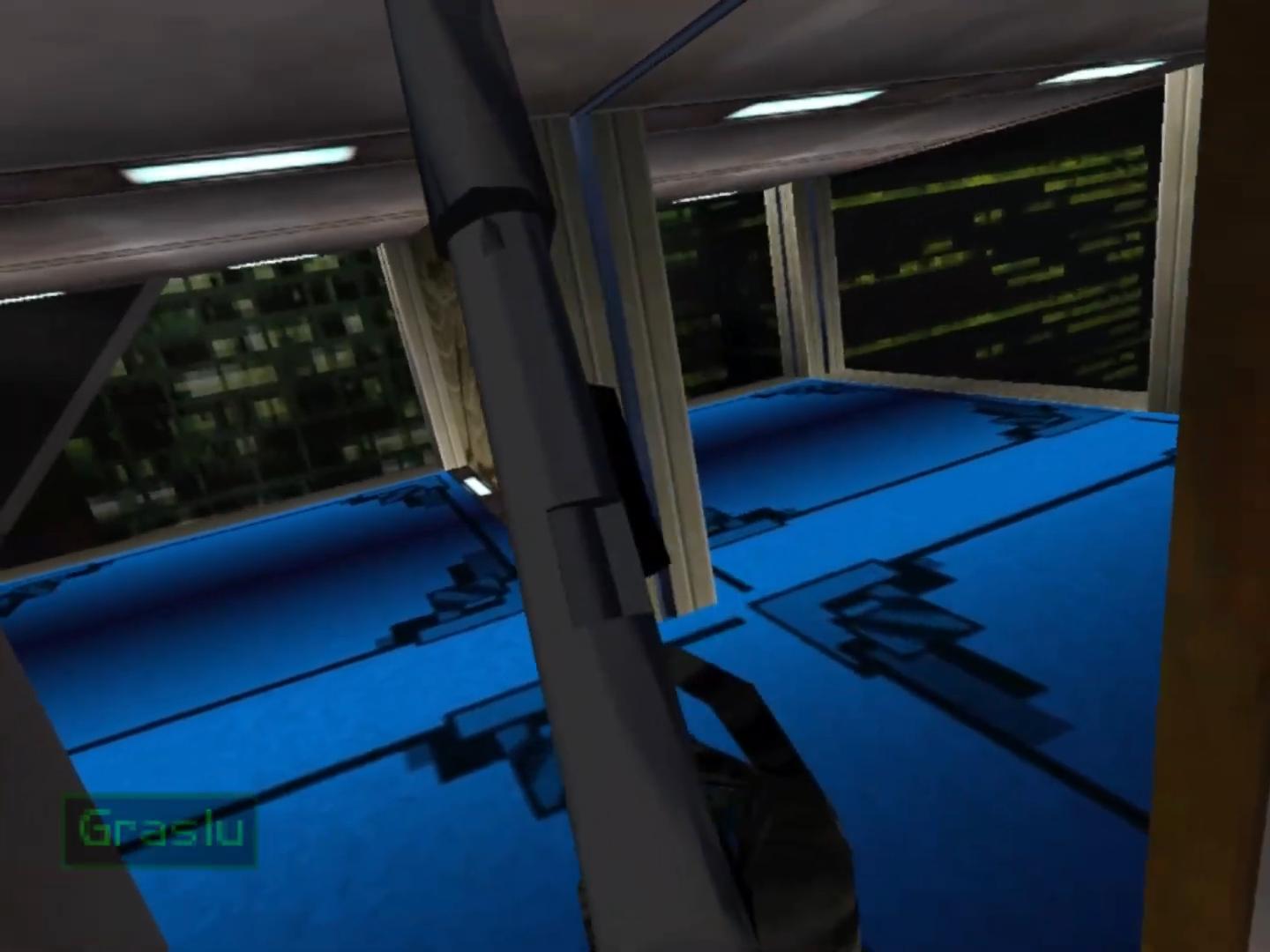
The gameplay experience, as highlighted in a recently published trailer by YouTube creator Graslu00, shows a seamless transition between the game’s classic, high-octane gunplay and the tactile sensation of VR combat. The environments, once static on a television screen, now possess a sense of scale and depth that truly captures the ambitious vision Rare had for the title in 2000.
A Chronology of the Project
The journey to Perfect Dark VR is part of a broader trend of "fan-led preservation." Below is the timeline of the project’s development:
- 2022: The Perfect Dark community successfully completes the game’s decompilation. This is the "Big Bang" moment, as it provides the necessary roadmap for modders to manipulate the game’s internal logic.
- February 2026: Alex Le Tux shares the first teaser video. The gaming community reacts with overwhelming positivity, noting the fluidity of the movement and the integration of head-tracking.
- March – June 2026: Throughout the spring, the developer releases sporadic updates via YouTube, showcasing bug fixes, improved UI integration, and better weapon handling.
- July 2026: The first public build is officially released, allowing players to experience the opening levels and various multiplayer maps in full VR.
The Rising Tide of Retro-VR Ports
Perfect Dark VR does not exist in a vacuum. It is part of an ecosystem of independent developers and modders who are effectively "remastering" gaming history through the lens of immersion.
The Team Beef Precedent
Perhaps the most significant influence on this scene is Team Beef. Known for their "QuestZDoom" and Jedi Knight ports, this group has demonstrated that classic game engines—when coupled with modern VR hardware—can feel like contemporary releases. Their work has been so influential that it caught the eye of id Software co-founder John Carmack, who famously expressed interest in facilitating the official support of such projects.
These ports typically involve:
- Engine Injection: Replacing the original rasterizer with a VR-capable renderer.
- Input Mapping: Translating controller inputs to VR motion data.
- UI Overhaul: Adjusting heads-up displays (HUDs) so they are readable in 3D space rather than being "glued" to the screen.
Virtual Boy Go: Preservation as Innovation
Beyond traditional PC ports, projects like Virtual Boy Go show the versatility of modern VR. By emulating the failed but ambitious Nintendo Virtual Boy, developers are not just playing games; they are honoring the hardware history of the industry. This project allows users to experience the unique, red-and-black aesthetic of the 1995 console in a way that is actually comfortable and immersive, proving that VR is the ultimate tool for digital preservation.
Implications: Preservation or Piracy?
The rise of these VR mods brings up complex questions regarding intellectual property (IP) and the state of game preservation.
The Preservation Argument
Proponents argue that when companies allow legacy titles to languish in "abandonware" status, the community has a moral imperative to keep them playable. By porting these games to VR, modders are ensuring that classic game design—which is often superior to modern "service-based" games—remains accessible to new generations.
The Corporate Stance
Historically, companies like Nintendo have been fiercely protective of their IP. The use of decompilation projects—while technically non-profit and non-commercial—occupies a legal gray area. However, the open-source nature of these projects often makes them difficult to litigate, as they rely on the user owning the original game assets (the ROMs or data files) to function.
As VR hardware becomes more ubiquitous, we are likely to see a shift in how major publishers view these mods. Will we see a "SteamVR" style repository for official retro-ports, or will the "Wild West" of community-led modding continue to be the primary driver of this innovation?
Why Perfect Dark Matters Today
Perfect Dark was more than a shooter; it was a technical marvel that pushed the Nintendo 64 to its absolute limits. Its inclusion of a deep single-player campaign, customizable multiplayer bots, and an expansive list of weapons made it a cultural touchstone.
By placing this game in VR, Alex Le Tux has highlighted several design principles that remain relevant:
- Pacing: Perfect Dark’s levels were designed with verticality and exploration in mind, which translates perfectly to the "room-scale" VR experience.
- Complexity: The AI bots, often cited as being ahead of their time, provide a robust challenge in VR, where the player’s physical movement can be countered by smarter computer-controlled enemies.
- Immersion: The atmosphere of the Carrington Institute or the dark, neon-lit corridors of the game’s urban environments gains a newfound claustrophobia and tension when experienced through a headset.
Looking Forward: The Future of Fan-Made VR
The success of Perfect Dark VR suggests that the appetite for retro-gaming in VR is nowhere near satisfied. As standalone headsets like the Meta Quest 4 (or its future iterations) continue to grow in processing power, the barrier to entry for these projects will continue to drop.

We are likely to see:
- Increased Collaboration: Modders sharing decompilation data to speed up development.
- Advanced AI Integration: Using modern LLMs or procedural generation to make retro-NPCs feel more responsive in VR.
- Haptic Feedback: The integration of modern haptic suits and accessories with these classic games.
Conclusion
The release of Perfect Dark VR is a testament to the passion and technical ingenuity of the gaming community. It bridges the gap between the 20th-century gaming landscape and the 21st-century medium of Virtual Reality. Whether or not it leads to official recognition or legal scrutiny remains to be seen, but for now, players can once again step into the shoes of Joanna Dark—only this time, they’ll be looking through her eyes.
In an era where games are increasingly ephemeral, fleeting experiences, Perfect Dark VR stands as a beacon of longevity. It reminds us that if a game is truly great, it will find a way to endure—even if that means evolving into a reality its creators could only have dreamed of back in the year 2000.

