

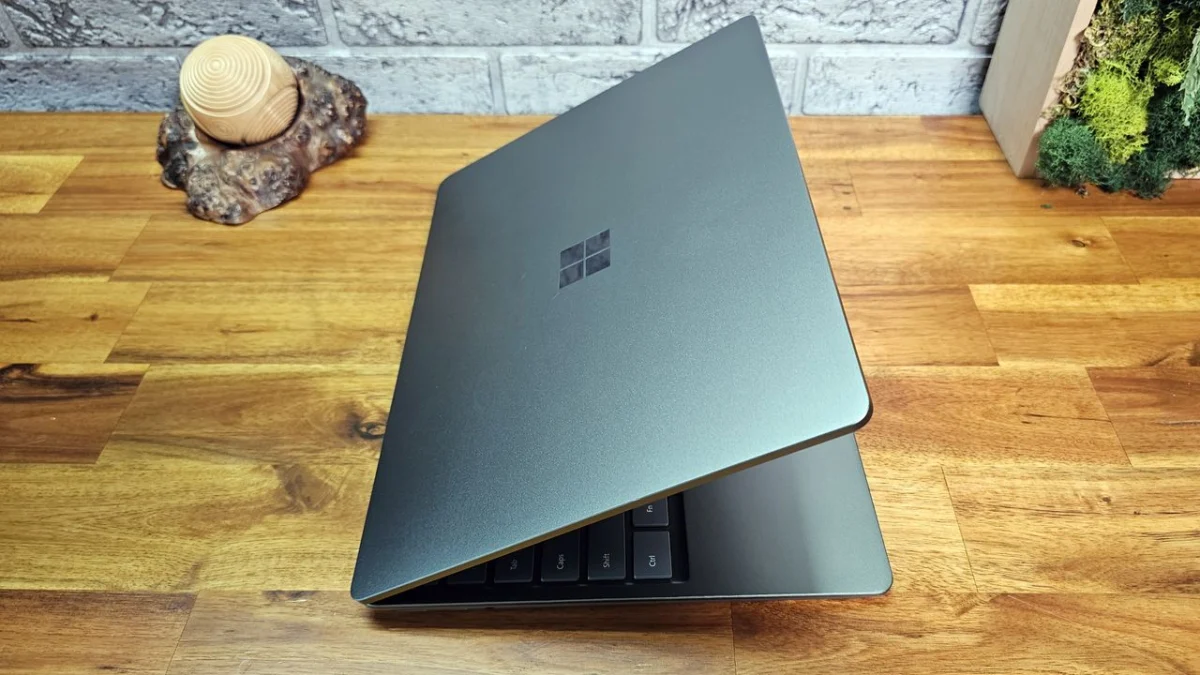
REDMOND, WA – In a significant strategic shift, Microsoft is further streamlining its Surface hardware portfolio, reportedly discontinuing its budget-focused Surface Go and Surface Laptop Go device lines. This move signals a pronounced pivot towards a more premium and consolidated product offering, leaving behind the company’s efforts to capture the entry-level segment of the Windows device market.
According to a report by Windows Central, citing sources intimately familiar with Microsoft’s hardware roadmap, the tech giant has ceased manufacturing the latest iterations, the Surface Go 4 and Surface Laptop Go 3, and has no plans to develop successor devices. This decision effectively removes Microsoft’s most accessible Surface options, compelling consumers and businesses alike to consider higher-priced alternatives or turn to third-party manufacturers for their affordable computing needs. The Surface lineup, once celebrated for its diverse and experimental form factors under former head Panos Panay, is now being distilled down to its core premium offerings: the Surface Pro and Surface Laptop, alongside the forthcoming Surface Laptop Ultra and the specialized RTX Spark Dev Box.
Main Facts: Microsoft Axes Budget Surface Lines, Streamlining Portfolio
The End of an Era for Affordable Surface Devices
The discontinuation of the Surface Go and Surface Laptop Go lines marks a critical juncture in Microsoft’s hardware journey. These devices were specifically designed to offer the Surface experience at a more accessible price point, targeting students, casual users, and businesses requiring lightweight, portable, and cost-effective Windows devices. The Surface Go, with its tablet-first design and detachable keyboard, offered a compelling alternative to iPads and Chromebooks, while the Surface Laptop Go provided a more traditional laptop form factor with a premium feel at a mid-range price.
The Surface Go 4, notably, was exclusively available through Microsoft’s "Surface for Business" line, finding particular favor among commercial customers who needed robust, portable devices for fieldwork, point-of-sale systems, and other mobile professional applications. Its ruggedness and integration with the Windows ecosystem made it a practical choice for enterprises seeking reliable hardware solutions without the premium cost of the flagship Surface Pro. The Surface Laptop Go 3, on the other hand, was positioned as an attractive option for general consumers seeking a sleek, portable laptop for everyday tasks, balancing performance with a refined design that belied its more affordable price tag. The decision to cut these lines indicates a clear recalibration of Microsoft’s market focus, prioritizing profitability and a high-end brand image over market breadth.
A Strategic Pivot Towards Premium and Core Offerings
This latest move is not an isolated incident but rather the culmination of a multi-year strategy by Microsoft to streamline its hardware division. The Surface brand, which debuted over a decade ago with a vision of redefining personal computing through innovative form factors, is now consolidating around its most successful and profitable product categories. The Surface Pro series, known for its versatility as a 2-in-1 tablet-laptop, and the Surface Laptop series, celebrated for its premium design and performance, will form the backbone of Microsoft’s consumer and business offerings.
The upcoming Surface Laptop Ultra, slated for release later this year with Nvidia’s RTX Spark technology, further underscores this premiumization trend. This device is anticipated to push the boundaries of performance and AI integration, aligning with Microsoft’s broader vision for the "AI PC" era. While the RTX Spark Dev Box is Surface-branded, its niche as a developer tool means it doesn’t serve the mainstream consumer market, reinforcing the idea that Microsoft’s primary consumer focus is squarely on higher-tier devices. The shift implies a deliberate choice to let third-party manufacturers cater to the budget and mid-range Windows PC market, allowing Microsoft to concentrate its resources on developing cutting-edge, high-margin products that showcase the best of Windows and its burgeoning AI capabilities.
A Chronology of Simplification: The Evolving Surface Strategy
From Innovation Hub to Focused Ecosystem
The Surface brand, launched in 2012, was initially a bold venture by Microsoft to demonstrate its vision for Windows hardware. Under the leadership of Panos Panay, then Chief Product Officer, the Surface division became a crucible of innovation, introducing a plethora of unique form factors and experimental designs. Panay envisioned Surface as a "playground" for hardware, pushing boundaries with devices like the original Surface RT and Pro, the ambitious Surface Book with its detachable screen, and the all-in-one Surface Studio desktop. This era was characterized by a willingness to take risks, often resulting in devices that, while sometimes niche, garnered critical acclaim for their design and engineering prowess. The Surface Headphones and Earbuds, too, were part of this expansive ecosystem, aiming to offer a complete Microsoft-designed experience.
However, maintaining such a diverse and experimental portfolio proved challenging. High development costs, niche market appeal for some devices, and fierce competition in various segments likely contributed to a re-evaluation of this broad strategy. Over time, subtle shifts began to appear, hinting at a more focused approach.
Notable Departures: A Graveyard of Form Factors
The pruning of the Surface lineup has been a gradual process, with several iconic and innovative devices being retired over the past few years:
- Surface Book: Introduced as a powerful laptop with a unique detachable clipboard design, the Surface Book series offered a blend of performance and versatility. It was eventually superseded by the Surface Laptop Studio, indicating a refinement of the "performance convertible" concept.
- Surface Studio Desktop: A stunning all-in-one PC designed for creative professionals, featuring a unique "Zero Gravity Hinge" that allowed the screen to tilt into a drafting table position. While lauded for its design, its high price point and niche market meant it never achieved mainstream success, ultimately being discontinued.
- Surface Duo Smartphone: Microsoft’s ambitious foray back into the smartphone market with a dual-screen Android device. Despite its innovative form factor, it struggled with software issues, high pricing, and an evolving mobile landscape, leading to its quiet discontinuation.
- Surface Laptop Studio: Positioned as a successor to the Surface Book, offering a flexible display that could transition between laptop, stage, and studio modes. While a powerful machine, reports suggest it too may be on the chopping block, further narrowing the focus to traditional laptops and 2-in-1s.
- Surface Headphones and Earbuds: These audio accessories aimed to integrate seamlessly with the Surface ecosystem, offering premium sound and active noise cancellation. Their discontinuation reflects a broader trend of Microsoft focusing purely on its core computing devices rather than peripherals.
Each of these discontinuations, in isolation, might have seemed like a response to market forces or product evolution. However, viewed collectively, they paint a clear picture of a strategic retreat from peripheral or highly experimental categories, consolidating resources around the most successful and scalable product lines.
The Last Stand of the Budget-Friendly Surface
The Surface Go and Surface Laptop Go represent the latest, and arguably most impactful for the mainstream user, casualties of this consolidation. These were the last vestiges of Microsoft’s attempt to offer a first-party Windows experience at a genuinely accessible price point. The Surface Go 4, as mentioned, was largely confined to commercial channels, suggesting that its consumer appeal had already waned. The Surface Laptop Go 3, however, was still a viable option for many consumers seeking a compact and stylish Windows laptop without breaking the bank. Their removal leaves a distinct gap in the market, forcing those with tighter budgets to look elsewhere, either to more expensive Surface Pro models or to the myriad of third-party Windows OEMs. This move effectively closes a chapter where Microsoft aimed to cater to every segment of the PC market with its own hardware.
Supporting Data and Market Context
The Commercial Niche of the Surface Go 4
The Surface Go 4’s exclusive availability through the "Surface for Business" program offers crucial insight into its market position. This device was not aimed at the general consumer scrambling for a cheap tablet, but rather at organizations requiring a compact, durable, and manageable Windows device for specific tasks. Use cases included mobile sales teams, inventory management in retail, data collection in the field, and as thin clients in specialized industrial settings. Its full Windows compatibility, robust security features, and enterprise-grade support made it a logical choice for IT departments.
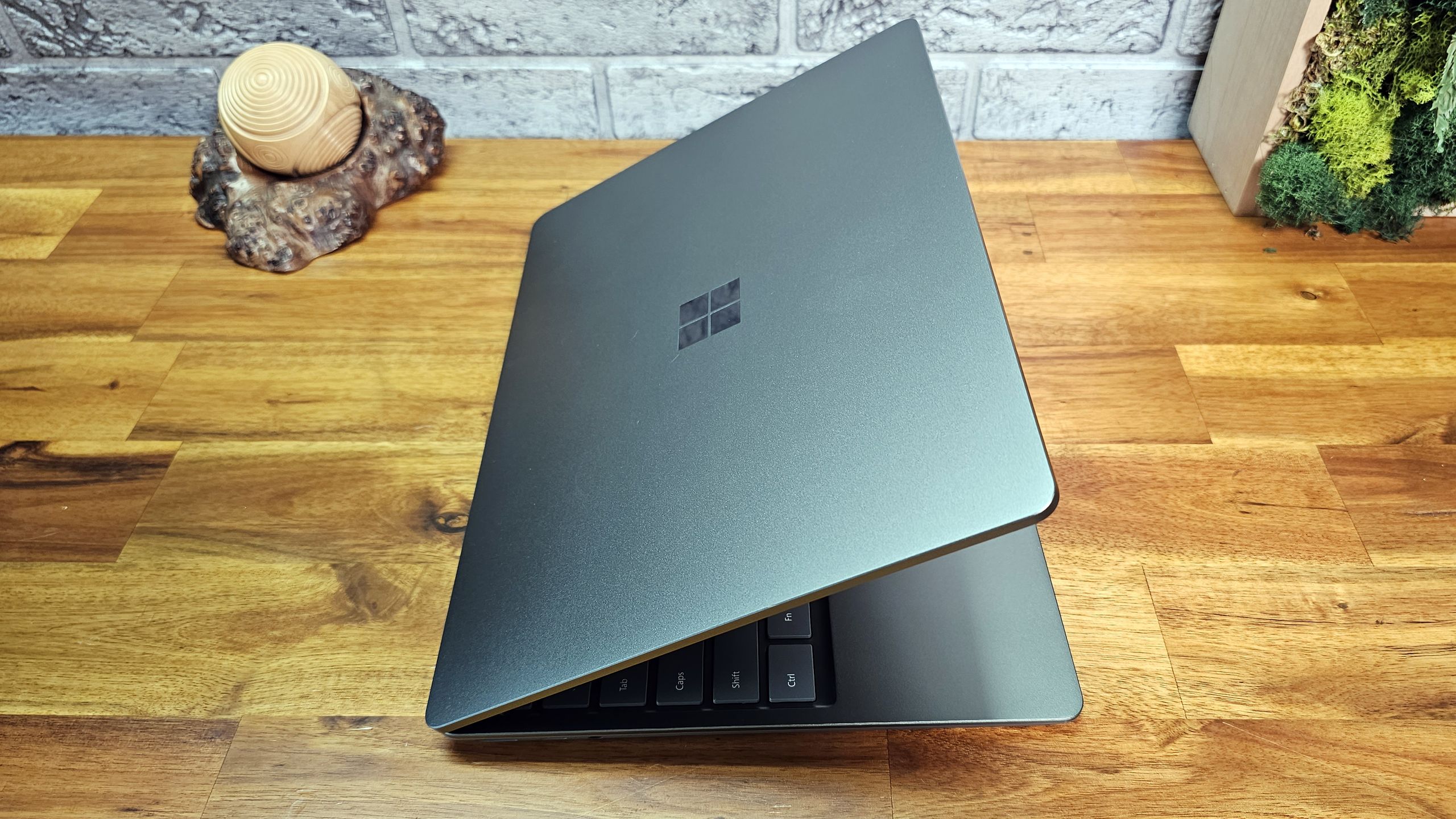
The discontinuation of the Go 4 therefore presents a challenge for these commercial customers. While the Surface Pro offers a more powerful alternative, its significantly higher price point and potentially larger form factor may not align with the specific budget and portability requirements that made the Go 4 attractive. Businesses will now have to re-evaluate their hardware procurement strategies, potentially turning to more ruggedized tablets from other manufacturers or deploying higher-end, more costly Surface Pro devices.
Pricing Disparity and the Gap Left Behind
The most immediate and tangible impact of this decision is the significant price gap it creates in Microsoft’s first-party lineup. The Surface Go 4 was priced at $579, offering an entry point into the Surface ecosystem that was palatable for many budget-conscious buyers. The Surface Laptop Go 3, while slightly higher, also remained competitive within the mid-range laptop segment.
With these gone, the effective entry-level for a Microsoft-branded computing device now shifts dramatically upwards:
- Surface Pro (12-inch, with Snapdragon X Plus): Starts at $849. This is a nearly 50% increase from the Surface Go 4’s price, and importantly, the keyboard and pen are often sold separately, adding further to the total cost.
- Surface Laptop (13-inch): Starts at $949.99, also with the latest chips. This represents an even steeper barrier to entry for consumers previously considering the Laptop Go.
This substantial increase in the baseline cost for a Microsoft-designed device effectively prices out a significant segment of the market that the Go and Laptop Go lines once served. Students, users with basic computing needs, and those simply seeking an affordable yet premium-feeling Windows device will now find their options within the Surface family severely limited.
The Broader PC Market Landscape
Microsoft’s decision also needs to be viewed within the context of the broader personal computing market. The low-end and mid-range segments are fiercely competitive, dominated by a multitude of third-party OEMs (Dell, HP, Lenovo, Acer, Asus, etc.) offering a vast array of Windows laptops and 2-in-1s at various price points. These manufacturers operate on thinner margins and often have more diversified supply chains and product development cycles tailored to budget segments.
Furthermore, the sub-$600 market for portable computing is heavily influenced by non-Windows ecosystems. Chromebooks, with their low cost, cloud-centric design, and robust security, have carved out a significant share, particularly in education. iPads, especially the base models, continue to dominate the consumer tablet market, offering a rich app ecosystem and user-friendly interface at competitive prices. By withdrawing from the budget segment, Microsoft is implicitly conceding this battleground to these alternative platforms and to its own hardware partners.
Competitive Pressures and the Chromebook/iPad Challenge
The Surface Go was Microsoft’s direct answer to the challenge posed by Apple’s iPad and Google’s Chromebooks in the education and casual use sectors. It aimed to provide a full Windows experience in a compact, portable, and affordable package. However, the consistent price advantage and often simpler user experience of its rivals proved formidable. While the Go offered the versatility of Windows, its performance at the lowest price points could sometimes be limiting, and the cost of accessories like the Type Cover often pushed the total price closer to that of more capable devices.
The Laptop Go faced similar pressures. While aesthetically pleasing, it competed in a crowded market against numerous well-specced laptops from other brands. For Microsoft to compete effectively in these segments, it required significant investment in R&D, manufacturing, and marketing, often with lower profit margins compared to its premium devices. The decision to discontinue suggests that the return on investment in these segments was no longer aligned with Microsoft’s strategic objectives, especially as the company increasingly focuses on high-value AI-centric computing.
Official Responses and Unofficial Insights
Microsoft’s Silence Speaks Volumes
When Tom’s Hardware reached out for comment regarding the Windows Central report, Microsoft did not immediately provide an official statement. Instead, a representative reportedly pointed Windows Central to Microsoft’s Surface website, which has already been updated to reflect the streamlined lineup, conspicuously omitting any mention of the Surface Go or Surface Laptop Go. This lack of direct confirmation, coupled with the immediate website update, is a classic corporate strategy: a quiet, deliberate phase-out rather than a fanfare announcement of discontinuation. It allows the company to avoid potentially negative press cycles and focus public attention on its remaining and upcoming premium products.
This quiet removal suggests a well-planned internal decision rather than a reactive measure. The absence of an official press release or statement further reinforces the idea that Microsoft views this as an internal portfolio adjustment rather than a major market disruption, at least from its own perspective.
Industry Analyst Perspectives
While the original article does not include specific analyst quotes, a plausible interpretation from tech industry analysts would likely focus on several key themes. Analysts might suggest that Microsoft is finally aligning its Surface strategy with its overall software and services business model, which increasingly prioritizes high-value solutions and enterprise contracts. "This move solidifies Microsoft’s position as a premium hardware provider, much like Apple," states a hypothetical industry analyst. "They are no longer trying to compete on price in a crowded market where their first-party offerings often struggled against the sheer volume and aggressive pricing of OEM partners. Instead, they’re focusing on showcasing the absolute best of Windows and its AI capabilities on high-end, high-margin devices."
Another analyst might highlight the economic realities. "Maintaining a broad portfolio, especially in the low-margin budget segment, requires significant overhead. Given the global economic uncertainties and the drive towards profitability, it’s a logical step for Microsoft to prune less profitable lines and reallocate resources towards areas like AI and cloud services, where their growth potential is immense." The decision, reportedly made prior to recent memory price hikes due to component shortages, further underscores that this was a long-term strategic play rather than a short-term reaction to supply chain issues.
The Panos Panay Legacy and Post-Panay Direction
The streamlining of the Surface lineup also coincides with a significant leadership change. Panos Panay, the charismatic figurehead who led the Surface division since its inception and was largely responsible for its innovative spirit, departed Microsoft in September 2023 to join Amazon. His departure marked the end of an era defined by a willingness to experiment with diverse form factors and push the boundaries of PC design.
With Panay’s exit, the Surface division, now under new leadership, appears to be adopting a more conservative and commercially focused approach. The "playground for form factors" that Panay championed has been replaced by a more disciplined strategy centered on core products that have proven market success and align with Microsoft’s long-term vision for premium Windows experiences, particularly those integrating advanced AI capabilities. This shift suggests that the new leadership is prioritizing efficiency, profitability, and a clear brand identity over broad market reach through diverse hardware offerings.
Implications for Consumers, Businesses, and the Future of Surface
Impact on Entry-Level Buyers and the Education Sector
For consumers seeking an affordable, first-party Windows device, the options have now vanished. Students, budget-conscious individuals, and those requiring a secondary, portable Windows machine will no longer find a Microsoft-designed solution at their price point. This vacuum will likely be filled by third-party OEMs, which offer a wide array of laptops and 2-in-1s across various price ranges. However, it means losing the unique design language, build quality, and integrated experience that Microsoft’s Surface devices offered.
The education sector, which often benefits from budget-friendly devices for students, will also feel this impact. While Chromebooks dominate the K-12 market, the Surface Go provided a viable Windows alternative for schools and universities that prefer the full Windows ecosystem. These institutions will now have to invest in more expensive Surface Pro models or explore Windows devices from other manufacturers, which may lack the consistent quality control and integrated support of the Surface brand.
Shifting Focus for Commercial Clients
The Surface Go 4’s popularity within commercial circles for fieldwork and specialized tasks means that businesses will need to adapt. Those who deployed the Go 4 for its specific blend of portability, Windows compatibility, and cost-effectiveness will now face a dilemma. Upgrading to a Surface Pro means a higher per-unit cost and potentially a larger device, which might not be ideal for all field applications. This could lead businesses to explore ruggedized tablets from other OEMs or even consider Android-based solutions for specific workflows, potentially fragmenting their device ecosystems.
Microsoft’s strategy here seems to be pushing commercial clients towards the more robust and higher-margin Surface Pro line, emphasizing its versatility and performance for a broader range of business applications, even if it means a higher initial investment.
The AI PC Era: A New Strategic Imperative
The discontinuation of the budget Surface lines can also be viewed as a strategic maneuver to clear the deck for Microsoft’s aggressive push into the "AI PC" era. With the upcoming Surface Laptop Ultra featuring Nvidia’s RTX Spark and the specialized RTX Spark Dev Box, Microsoft is signaling its commitment to leading the charge in integrating advanced AI capabilities directly into its hardware. These AI-centric features, such as enhanced Copilot integration, advanced on-device processing, and new creative tools, often require more powerful and, consequently, more expensive hardware.
By focusing exclusively on premium devices, Microsoft can ensure that its first-party hardware fully showcases the potential of its AI software innovations. This strategy allows them to control the narrative around the AI PC, presenting a high-performance, feature-rich experience that sets the standard for the broader Windows ecosystem, leaving the foundational, less AI-intensive computing to its partners.
What Lies Ahead for the Surface Brand
The future of the Surface brand appears to be one of refined focus and premium positioning. It is evolving from a broad experimental playground to a curated collection of high-end devices designed to showcase the pinnacle of the Windows experience, particularly with an emphasis on AI integration. While this shift might disappoint budget-conscious consumers and some commercial clients, it solidifies Microsoft’s intent to compete at the top tier of the hardware market, mirroring the strategies of companies like Apple.
The Surface Pro and Surface Laptop lines will continue to evolve, incorporating the latest processors, display technologies, and AI capabilities. The introduction of devices like the Surface Laptop Ultra suggests that innovation will now be concentrated on enhancing performance, user experience, and AI integration within these core, premium categories. Microsoft is making a clear statement: the Surface brand is no longer about offering a Windows device for everyone, but rather about delivering a premium, cutting-edge Windows experience for those willing to invest in it. The era of the affordable, experimental Surface is definitively over.

