

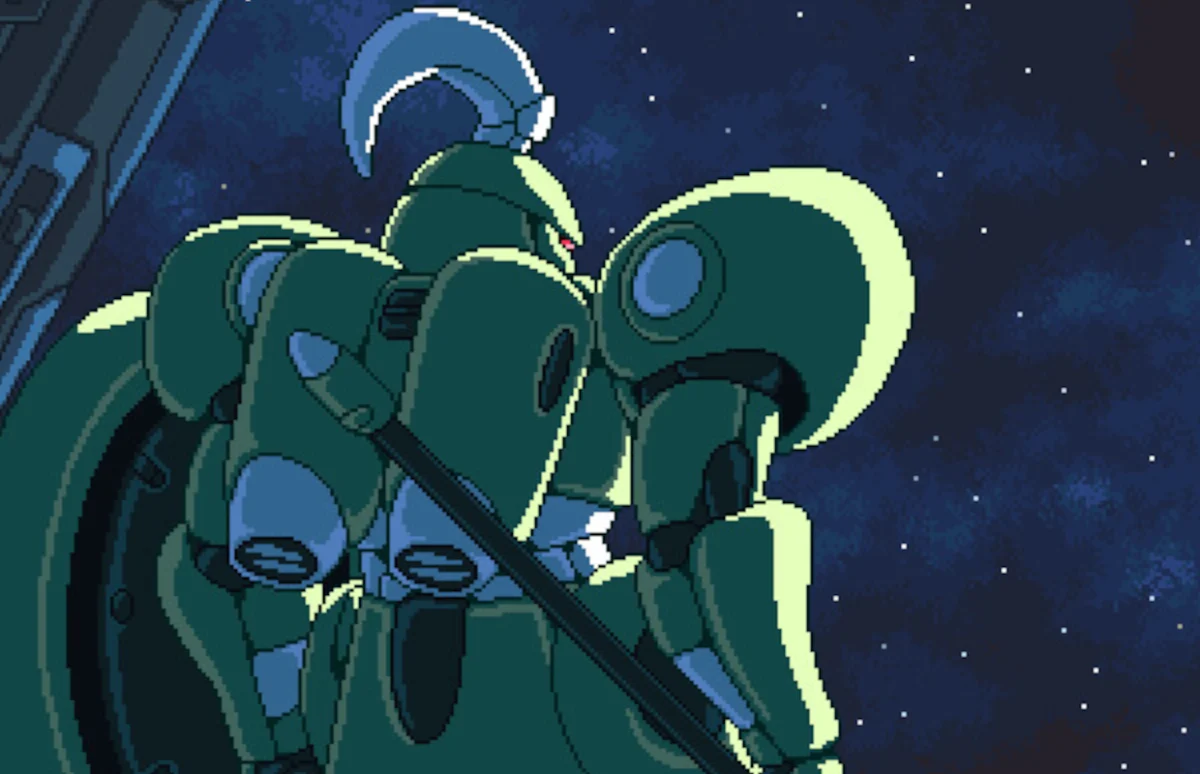
The indie strategy landscape is bracing for a significant expansion as Chaos Galaxy Studio officially confirmed the release date for its highly anticipated title, Chaos Front. The strategy RPG, which serves as the latest entry in the acclaimed Chaos Galaxy series, is slated to launch on PC via Steam on September 4. Developed entirely by solo creator Han Zhiyu, the game promises to marry the tactical depth of classic Japanese strategy titles with the freedom of an open-world mercenary simulation.
Main Facts: A New Frontier in Tactical Strategy
Chaos Front represents a pivot for the Chaos Galaxy franchise. While previous entries in the series focused on grand-scale faction management, Chaos Front narrows the scope to the life of a mercenary captain in the volatile Centersea Sector. Players are tasked with building their own corps, navigating the complex political landscape of a war-torn galaxy, and deciding the ultimate fate of the Centersea War through their strategic choices.
The game is a love letter to the golden era of strategy gaming. Han Zhiyu has cited legendary titles such as Super Robot Wars, Advance Wars, and Koei’s Romance of the Three Kingdoms as primary influences. By blending these mechanical inspirations with a modern, non-linear narrative structure, the game offers a unique synthesis of high-stakes combat and personal agency. Upon release, Chaos Front will support multiple languages, including Simplified and Traditional Chinese, Japanese, English, and Latin American Spanish, reflecting the developer’s commitment to a global audience.
Chronology: The Fall of the Solaris Union and the Rise of the Mercenary
To understand the stakes in Chaos Front, one must look at the lore established by the developer. The galaxy was once unified under the Solaris Union, humanity’s first true interstellar government. However, the Union eventually collapsed under the weight of its own tyranny and systemic corruption during the Great Rebellion.
In the power vacuum that followed, the galaxy fractured into three dominant powers. Unable to achieve a decisive military victory against one another, these powers signed a fragile ceasefire, establishing the Interstellar Consortium to act as a regulatory body. Yet, this organization quickly devolved into a tool for exploitation, imposing restrictive navigation laws and crushing economic policies on independent planets.
The timeline reaches a critical juncture in the 16th year of the Consortium Calendar, when a revolution erupts on the planet Massilia in the Centersea Sector. The Consortium’s attempt to suppress the uprising was stifled by the defection of the "Black Flag" faction, leading to a bloody military stalemate. Desperate to break the deadlock, the powers began issuing contracts to mercenaries—a desperate maneuver that has turned the Centersea Sector into a magnet for soldiers of fortune, pirates, and disgraced nobles alike. It is here that the player enters the fray, tasked with navigating this chaotic era of greed, ideology, and war.
Supporting Data: The Mechanics of Modern Conflict
Chaos Front is not merely a narrative-driven experience; it is a complex engine of tactical combat. The game features an extensive roster of over 100 unique characters, each possessing distinct backgrounds, talents, and combat skills. Whether you are recruiting seasoned commanders, stealthy pirates, rogue scientists, or even mysterious psychics and alien entities, the composition of your mercenary corps will define your playstyle.
The hardware at your disposal is equally diverse. Players can deploy over 100 different unit types, ranging from massive battleships and titans to agile mecha, submarines, and specialized artillery. The tactical depth is further augmented by a wide array of unit abilities. The game’s combat system encourages experimentation, allowing players to utilize:
- Environmental Warfare: Spreading fog to obscure movement or deploying space mines to deny territory.
- Tactical Maneuvers: Ramming enemy vessels, seizing equipment, or utilizing stealth to ambush unsuspecting fleets.
- Defensive Engineering: Deploying energy shields and force fields to withstand heavy shelling.
These mechanics are designed to reward players who take the time to research the game’s systems, enabling the creation of highly specialized armies that can adapt to the shifting demands of the Centersea War.
Official Responses and Developer Philosophy
The development of Chaos Front is a testament to the singular vision of Han Zhiyu. As a solo developer, Han has been responsible for the entirety of the program, art, and game design. This total creative control has allowed the Chaos Galaxy series to maintain a distinct, cohesive aesthetic that feels both retro-inspired and mechanically contemporary.
In official statements, the studio emphasized that Chaos Front is designed to be more "open" than its predecessors. By shifting the player’s role from a faction head to an independent mercenary leader, the game provides a sandbox environment where the player’s allegiance is fluid. You can accept missions from various factions, participate in massive battles initiated by these powers, and even influence the strategic directives of your allies. Han Zhiyu notes that while the galaxy is filled with established powers, the player’s agency acts as the ultimate catalyst for the world’s conclusion.
Implications: The Evolution of Indie Strategy
The release of Chaos Front arrives at a time when the "strategy RPG" sub-genre is experiencing a resurgence. By pulling inspiration from titans of the 90s and early 2000s, Chaos Front taps into a nostalgic player base while simultaneously offering the depth and replayability expected of modern indie titles.
The Impact of Player Agency
The decision to focus on the mercenary experience—rather than a pre-defined path of conquest—has profound implications for the game’s replayability. Because the player’s choices directly impact the ending of the Centersea War, the game effectively functions as a narrative engine. Every contract accepted and every battle won or lost shifts the political map, ensuring that no two campaigns will play out exactly the same.
The Success of the Solo Developer
The continued success of the Chaos Galaxy series serves as a case study for the viability of solo development in complex strategy genres. By focusing on deep, systemic mechanics rather than high-fidelity visual spectacles, Han Zhiyu has carved out a dedicated niche. Chaos Front demonstrates that there is a significant, underserved market for games that prioritize tactical complexity, rich lore, and player-driven narratives.
Strategic Globalism
The inclusion of multiple language options at launch is a strategic move that acknowledges the international appeal of turn-based, tactical RPGs. By ensuring that players in East Asia, Europe, and the Americas can engage with the story in their native tongues, the studio is positioning Chaos Front to transcend the "niche indie" label and compete on a broader stage.
Conclusion: A New Chapter in the Centersea Sector
As September 4 approaches, the anticipation for Chaos Front continues to mount. For fans of the Chaos Galaxy series, this title represents the most ambitious project yet, offering a blend of sandbox exploration and deep, hex-based tactical combat.
Whether you are looking to align with the revolutionary forces of Massilia, serve the interests of the Interstellar Consortium, or simply carve out a fortune as a ruthless mercenary, Chaos Front offers a compelling canvas. Through the lens of Han Zhiyu’s solo development journey, the game stands as a reminder of the power of focused design and the enduring appeal of the space-opera strategy genre. With its release, the Centersea Sector will finally open its doors to the mercenaries who will decide its fate.

