

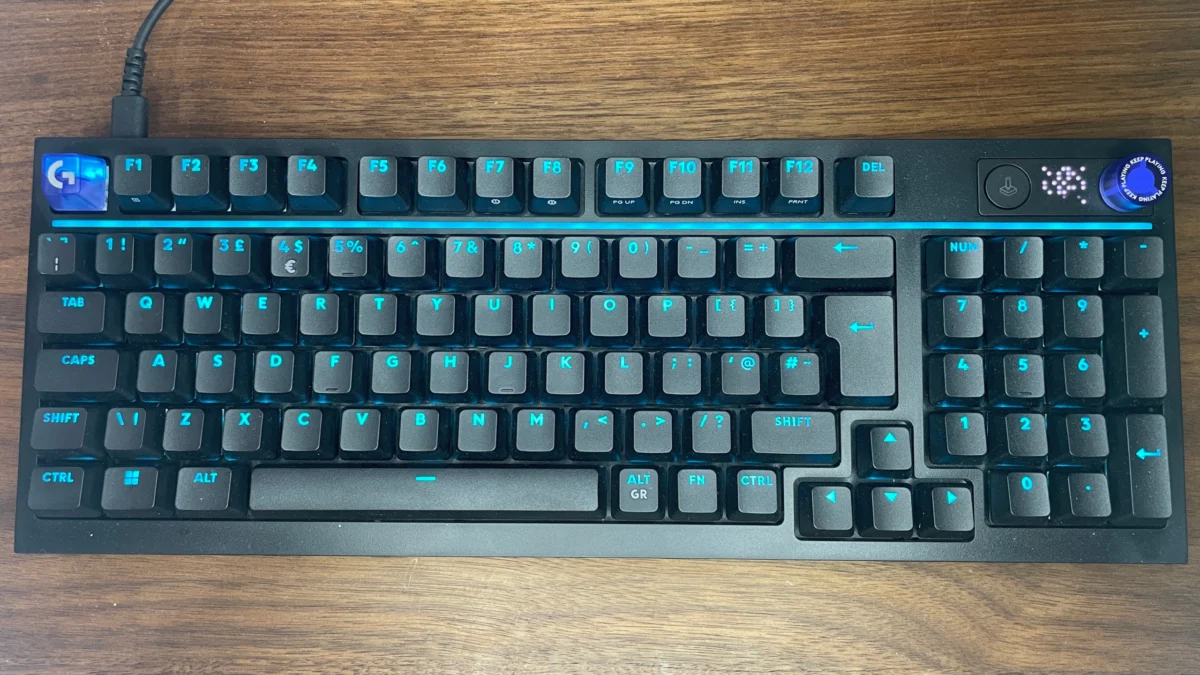
Logitech’s “G3” series was designed to occupy a strategic space in the gaming peripheral market: the elusive “affordable, but not budget” category. It is a segment that promises the robust build quality of premium gear without the eye-watering price tags often associated with flagship models. For those of us who prioritize performance-per-dollar, this has historically been a fruitful hunting ground. However, the latest entrant, the Logitech G316 X, serves as a stark reminder that even legacy brands can stumble when the fundamentals of tactile feedback are ignored.
While the G316 X arrives with a laundry list of features—including hot-swappable switches, per-key RGB, and a unique light bar—it is ultimately betrayed by a fundamental failure in its primary function: the typing and gaming experience.
The Core Problem: A Misunderstood "Tactile" Experience
At the heart of the G316 X’s failure is its switch implementation. The version provided for review utilized the company’s "tactile" switches, which are slated to be the primary option for the UK market. For a keyboard to be marketed as tactile, a user expects a distinct, physical bump during the actuation point of the keypress. This feedback is crucial for gamers and typists alike, as it provides a sensory confirmation that a command has been registered without needing to "bottom out" the key.
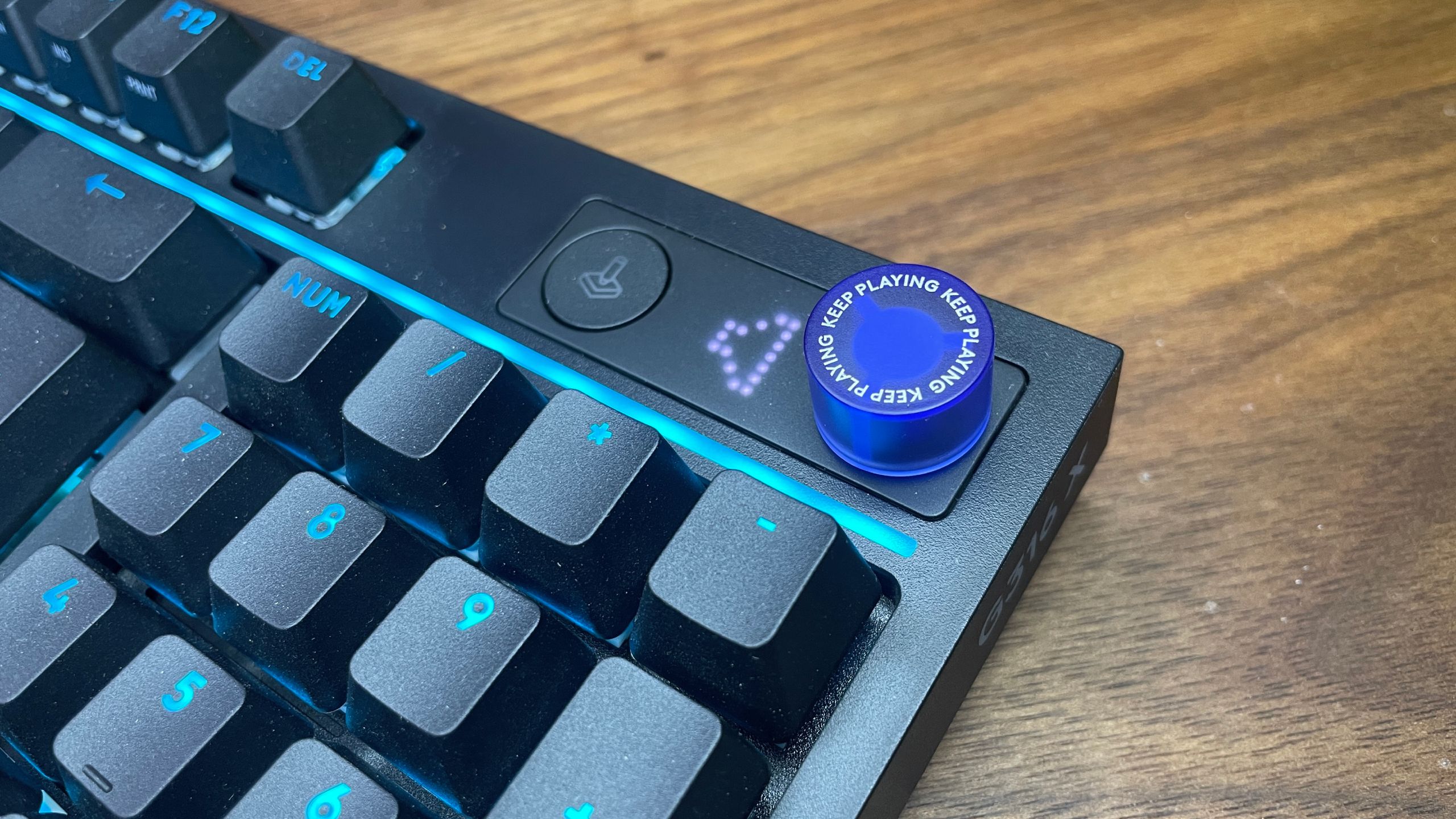
The reality of the G316 X, however, is far from this ideal. Instead of a crisp, defined bump, the switches require an alarming amount of initial force to engage. Once that threshold is breached, the key plunges downward with a linear, hollow feel. It does not provide the sophisticated feedback of a high-end mechanical switch; rather, it mimics the sensation of a heavy, stiff membrane keyboard.
This leads to a paradox of performance: you are forced to exert significant effort to initiate movement, but once that movement begins, there is no tactile "stop" to guide your finger. Consequently, the user is almost physically compelled to slam the key into the base of the chassis. This is not just uncomfortable; it is inefficient.
Chronology of the Testing Experience
My time with the G316 X spanned several days of both professional productivity and intensive competitive gaming.
Day One: The Honeymoon Phase
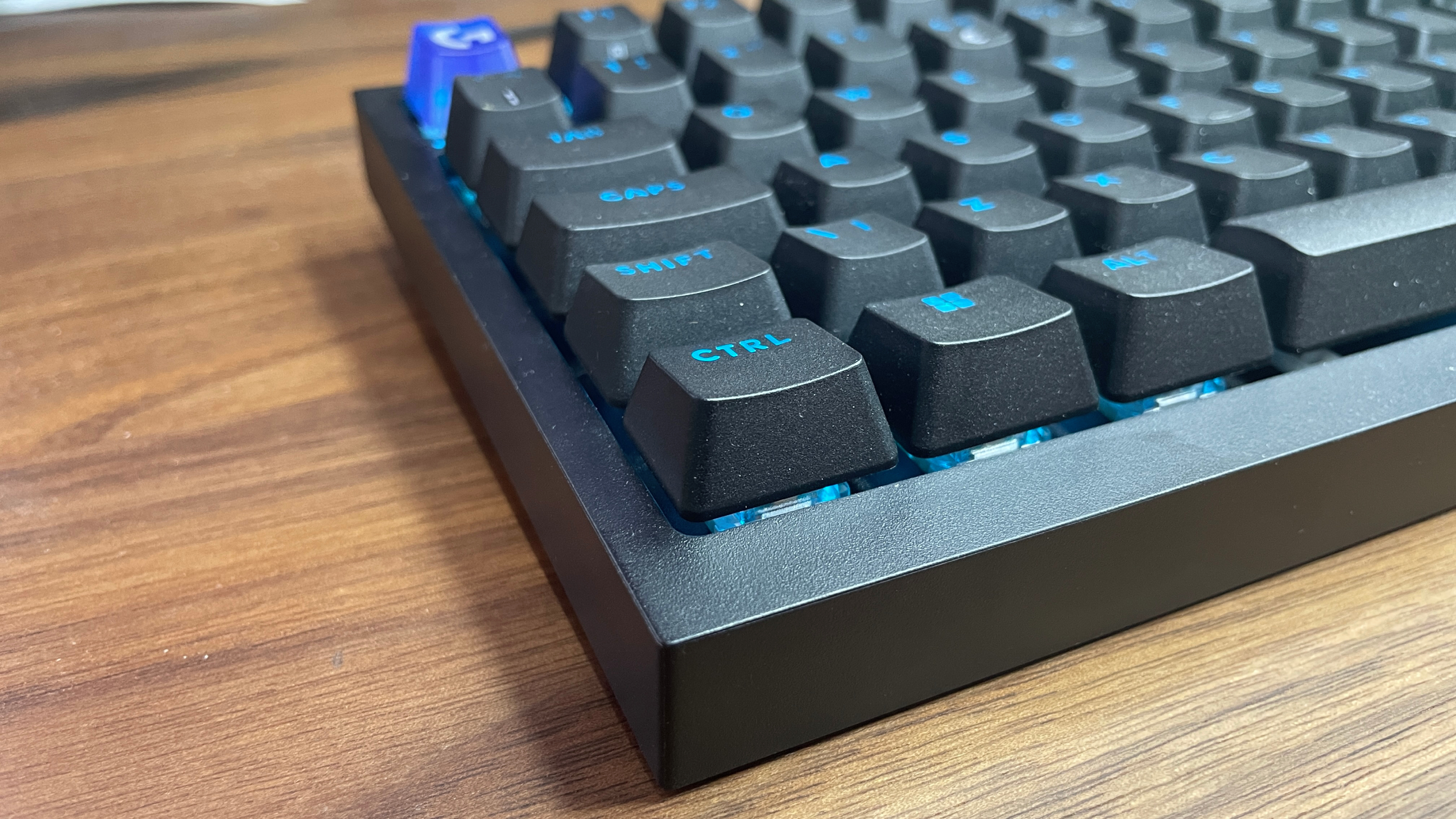
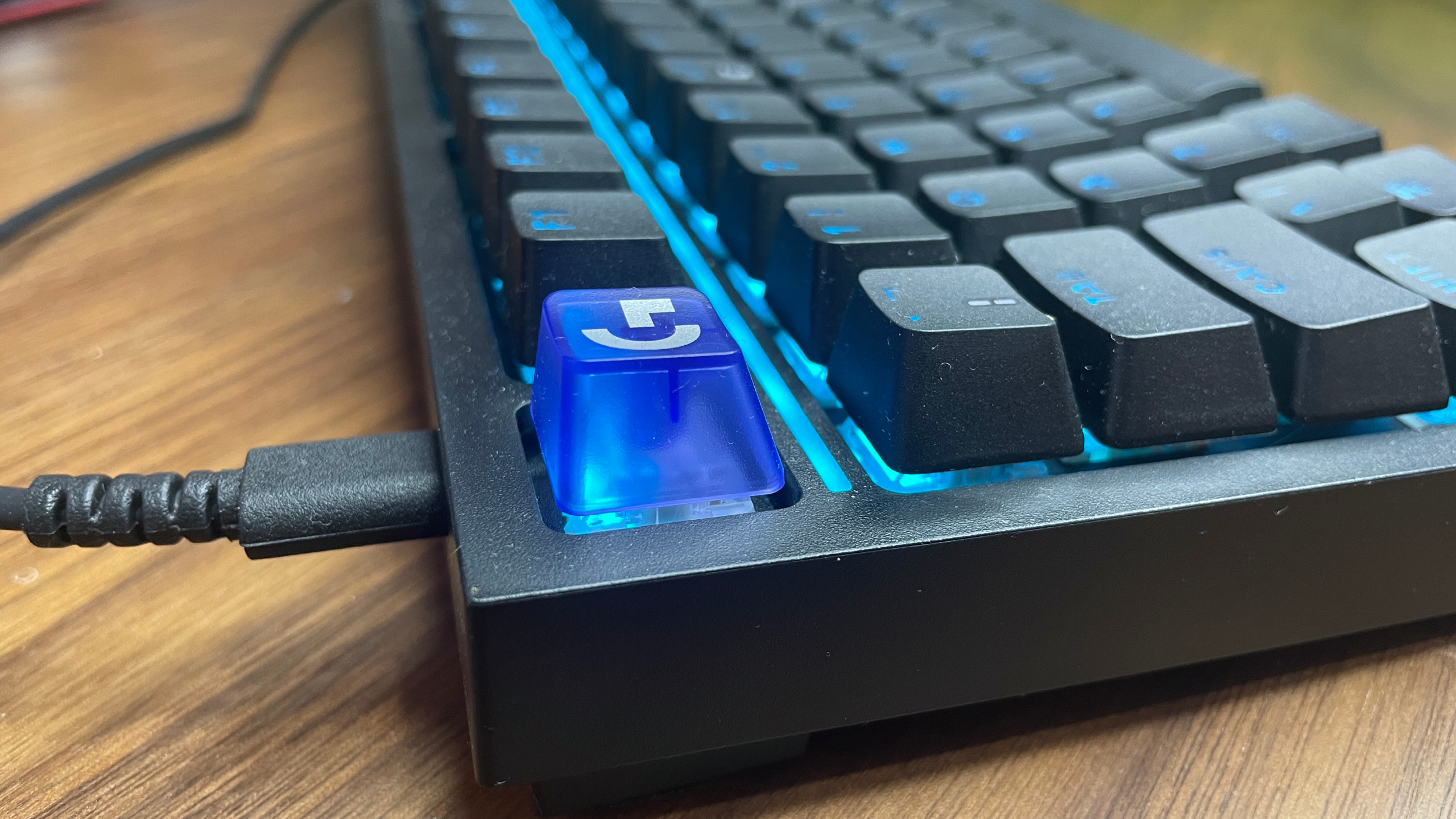
Initial impressions were surprisingly positive. The keyboard’s aesthetic is clean, and the "clack" of the keys, while distinct, has a certain acoustic charm that many users might appreciate. The sturdy keycaps and the brightness of the RGB lighting gave a strong first impression of a premium-feeling device.
Day Two: The Onset of Fatigue
As I transitioned into a full day of writing, the "stiff" nature of the switches began to manifest as genuine physical fatigue. By the afternoon, the constant exertion required to overcome the heavy initial actuation force took its toll on my fingers. The experience solidified the realization that this is not a keyboard designed for heavy typists or long-form content creators.
Day Three: The Competitive Failure
The final test was in Counter-Strike 2. This is where the keyboard moved from "unpleasant" to "actively detrimental." In competitive shooters, precision is everything. Key-feel is the conduit through which a player executes movement, and when a switch lacks a clear actuation point and requires varying levels of force, consistency evaporates. I found myself unable to execute reliable counter-strafing, leading to missed shots and ruined clutch situations.
One particular incident stands out: while attempting to re-take a bomb site, the inconsistency in the spacebar’s actuation force caused me to jump accidentally. That single error cost me the round. It is a rare day when a hardware review makes me regret my input device so deeply that my teammates feel compelled to suggest I uninstall the game, but with the G316 X, the frustration was palpable.
Supporting Data and Technical Specifications
To understand why the G316 X fails to live up to its $120 price tag, we must look at the technical specifications relative to its competition.
- Switch Type: "Tactile" (lacking the industry-standard mid-press bump).
- Keycaps: Double-shot PBT (a genuine positive, offering longevity).
- Lighting: Per-key RGB with a 30-zone light bar.
- Connectivity: Detachable USB-C to USB-A.
- Polling Rate: 1–8 kHz (highly competitive).
- Weight: 880g (substantial, providing a stable footprint).
- Price: $120 (US) / £110 (UK) / €120 (EU).
While the technical specs look impressive on paper, they are disconnected from the user experience. The inclusion of a 1–8 kHz polling rate is ostensibly a "pro" feature, but it serves little purpose when the mechanical switches themselves are fighting against the user’s input. Furthermore, the software integration for the RGB light bar is arguably underdeveloped. Animations are limited, and the software interface can be frustratingly laggy, often requiring users to manually input hex codes to achieve the desired color.
Official Positioning vs. Market Reality
Logitech has publicly positioned the G3 series as an accessible entry point into their ecosystem. In a vacuum, this might seem like a noble goal. However, the market has shifted dramatically. Today, consumers can purchase high-end keyboards utilizing Hall Effect (magnetic) switches—which offer analog control, rapid-trigger, and adjustable actuation points—for as little as $80 to $100.
By pricing the G316 X at $120, Logitech has entered a tier where it must compete with established, high-performance brands like Keychron, Wooting, and various boutique mechanical keyboard manufacturers. Against this backdrop, the G316 X’s reliance on a proprietary, "stiff" switch mechanism is a strategic misstep. It is a "gaming" keyboard that fails to meet the performance standards set by budget competitors, let alone premium ones.
Implications for the Consumer
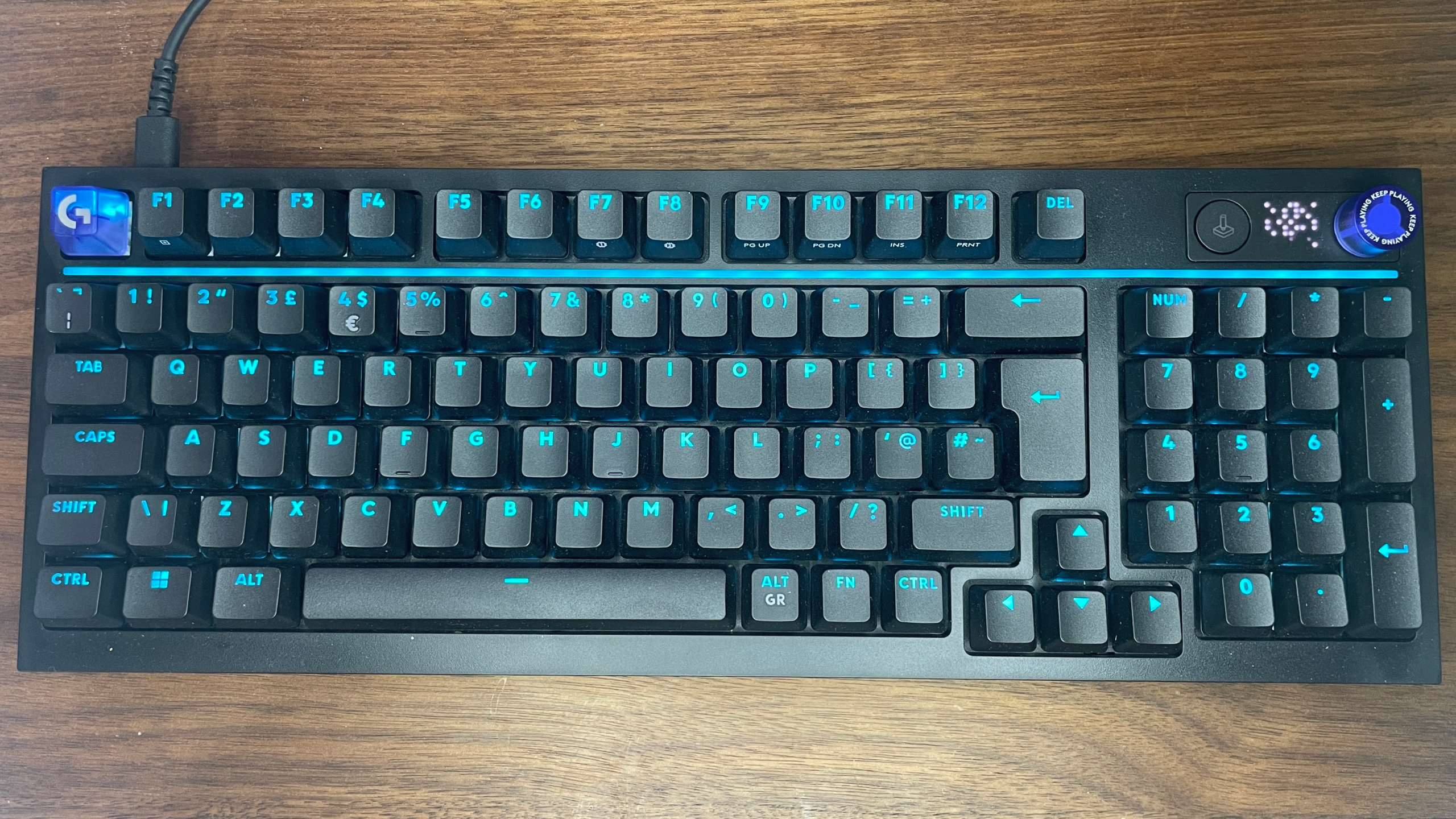
The most significant implication for the potential buyer is the need for caution. The G316 X is essentially a "looker" rather than a "performer." Its aesthetic—characterized by a clean, plastic chassis, a stylish light bar, and a functional volume knob—is its greatest strength.
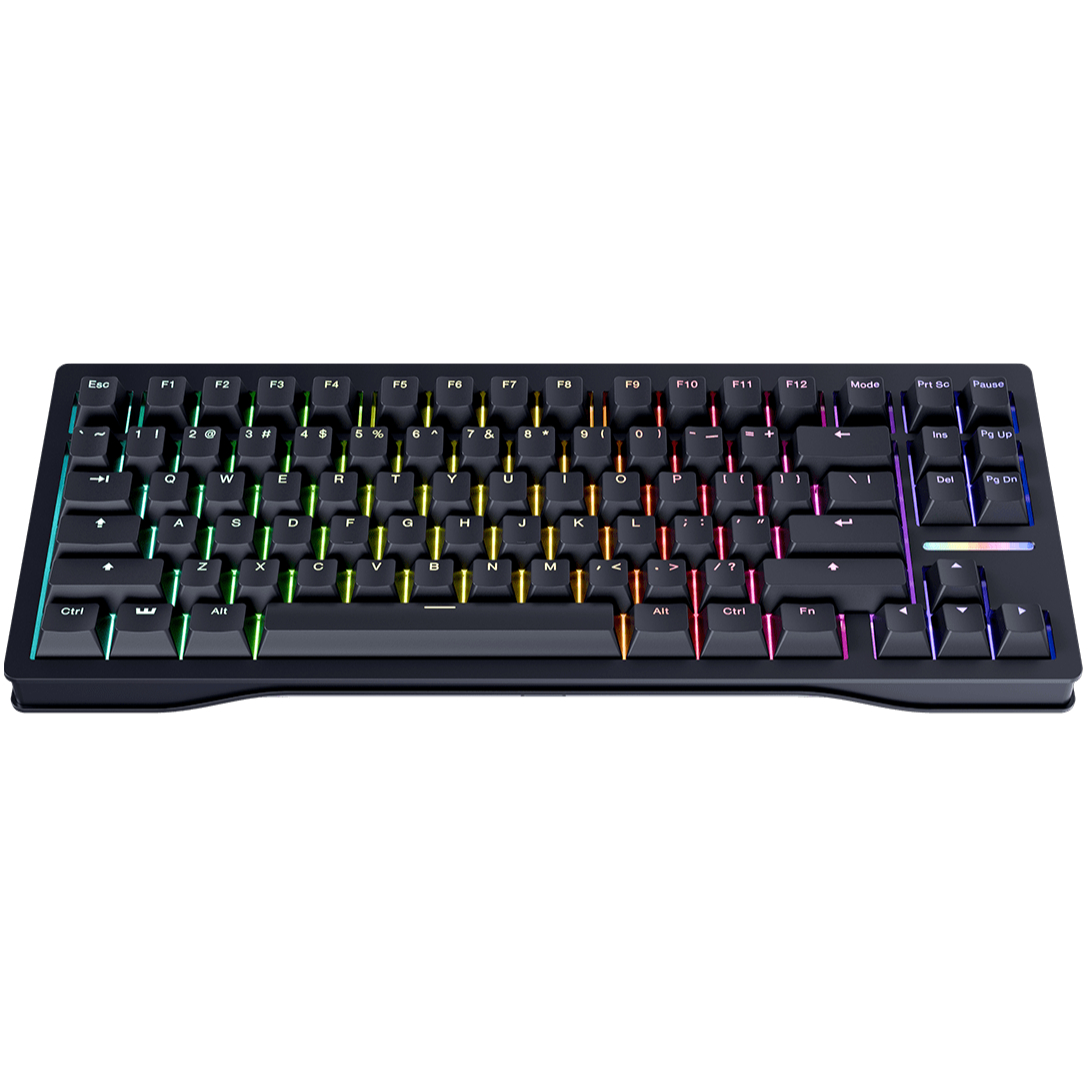
However, looks alone cannot justify a $120 price point. The inclusion of hot-swappable switches is the keyboard’s saving grace. If a consumer is absolutely enamored with the chassis and the lighting, they could theoretically purchase the board and replace the switches with a set that offers a more traditional, refined tactile or linear feel. But this adds a significant hidden cost in time and money, bringing the total investment well into the territory of much better pre-built alternatives.
Summary Verdict
- Buy if: You prioritize desk aesthetics and lighting above all else, and you are willing to invest in a secondary set of aftermarket switches to replace the stock ones.
- Avoid if: You are a competitive gamer who requires precision, or a professional who spends long hours typing. The fatigue and lack of consistent actuation make this a poor choice for high-volume use.
Conclusion: A Pivot Required
The Logitech G316 X represents a missed opportunity. It is a product that clearly aimed to balance form and function but became lost in the execution of its core mechanical components. In the current landscape of PC gaming hardware, where innovation is moving toward Hall Effect sensors and custom-tuned stabilizers, the G316 X feels like a relic of a previous generation.
For Logitech, the path forward is clear: the G3 line needs to focus on the "feel" as much as it does on the "aesthetic." Until the switch implementation is addressed, or the price point is brought down to a level that reflects its mediocre performance, it is difficult to recommend the G316 X to anyone but the most casual of users. There is simply too much high-quality competition at this price point to settle for a keyboard that makes you want to "uninstall" your own gaming experience.

