


The release of the latest DC Universe (DCU) installment, Supergirl, has ignited a firestorm of discussion across the cinematic landscape. While the film ostensibly centers on the "Maid of Might," Kara Zor-El, a significant portion of the critical and audience discourse has shifted toward a different, more boisterous figure: Lobo. Portrayed by Jason Momoa, the "Main Man" has arrived in the DCU not just as a supporting character, but as a definitive statement on the franchise’s new creative direction.
For nearly a decade, Momoa was the face of Arthur Curry, the Aquaman of the now-defunct DC Extended Universe (DCEU). However, his debut as the Czarnian bounty hunter in Supergirl suggests that his entire tenure as the King of Atlantis may have been a high-profile rehearsal for the role he was arguably born to play. As the DCU under James Gunn and Peter Safran begins to take shape, Momoa’s transition from sea king to space biker represents a unique case study in actor-character synthesis and franchise recalibration.
Main Facts: A Seamless Cinematic Pivot
The primary takeaway from the Supergirl theatrical release is the overwhelming consensus that Jason Momoa’s Lobo is a scene-stealer. Unlike his portrayal of Aquaman, which required significant creative lifting to "modernize" and "toughen up" a character often mocked for talking to fish, Lobo requires no such apology. The character is inherently designed for Momoa’s specific brand of high-energy, physically imposing, and irreverent performance.
Key facts regarding this transition include:
- The Debut: Momoa appears as Lobo in the Supergirl film, which is based on the critically acclaimed Supergirl: Woman of Tomorrow comic book run by Tom King and Bilquis Evely.
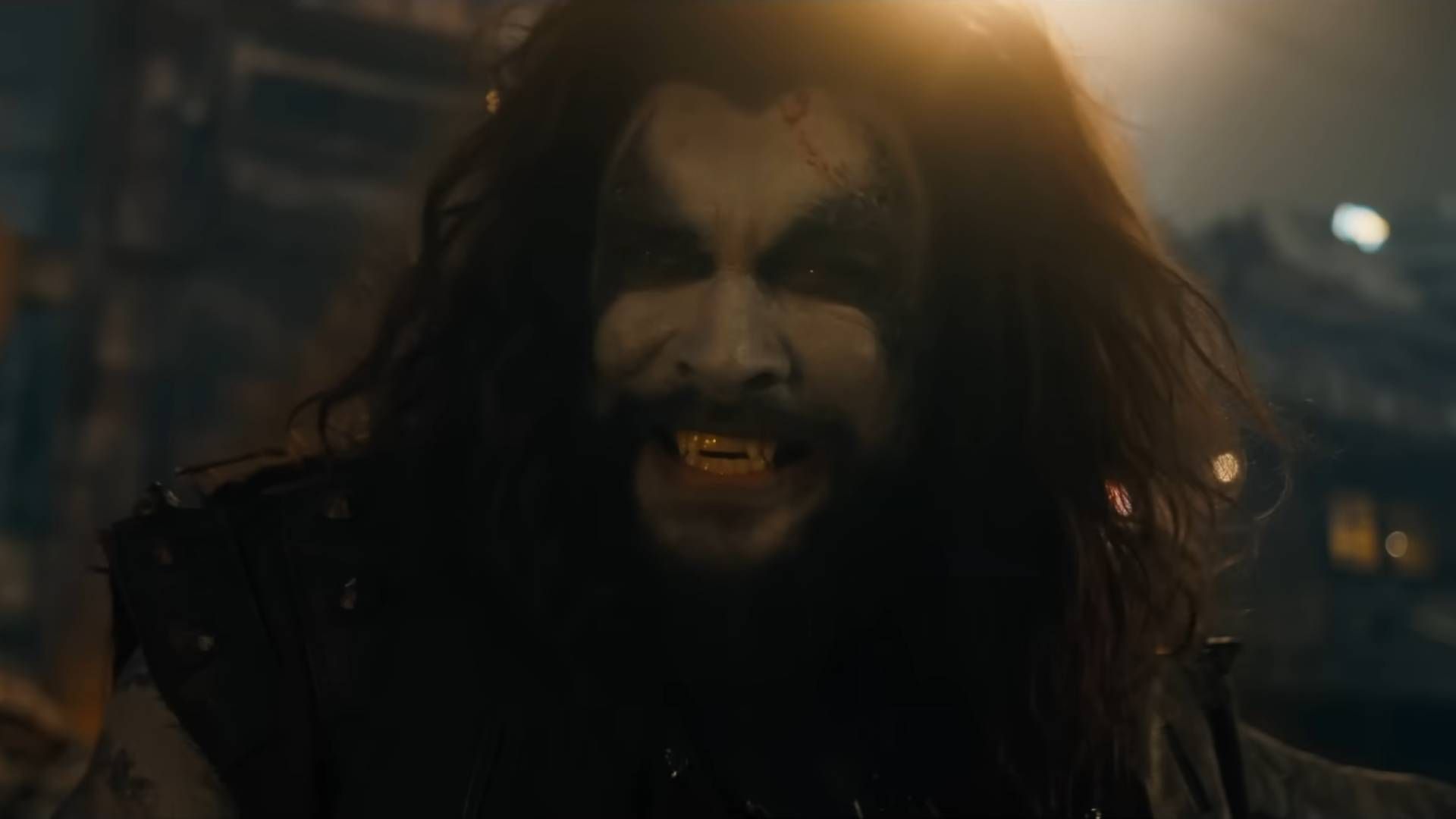
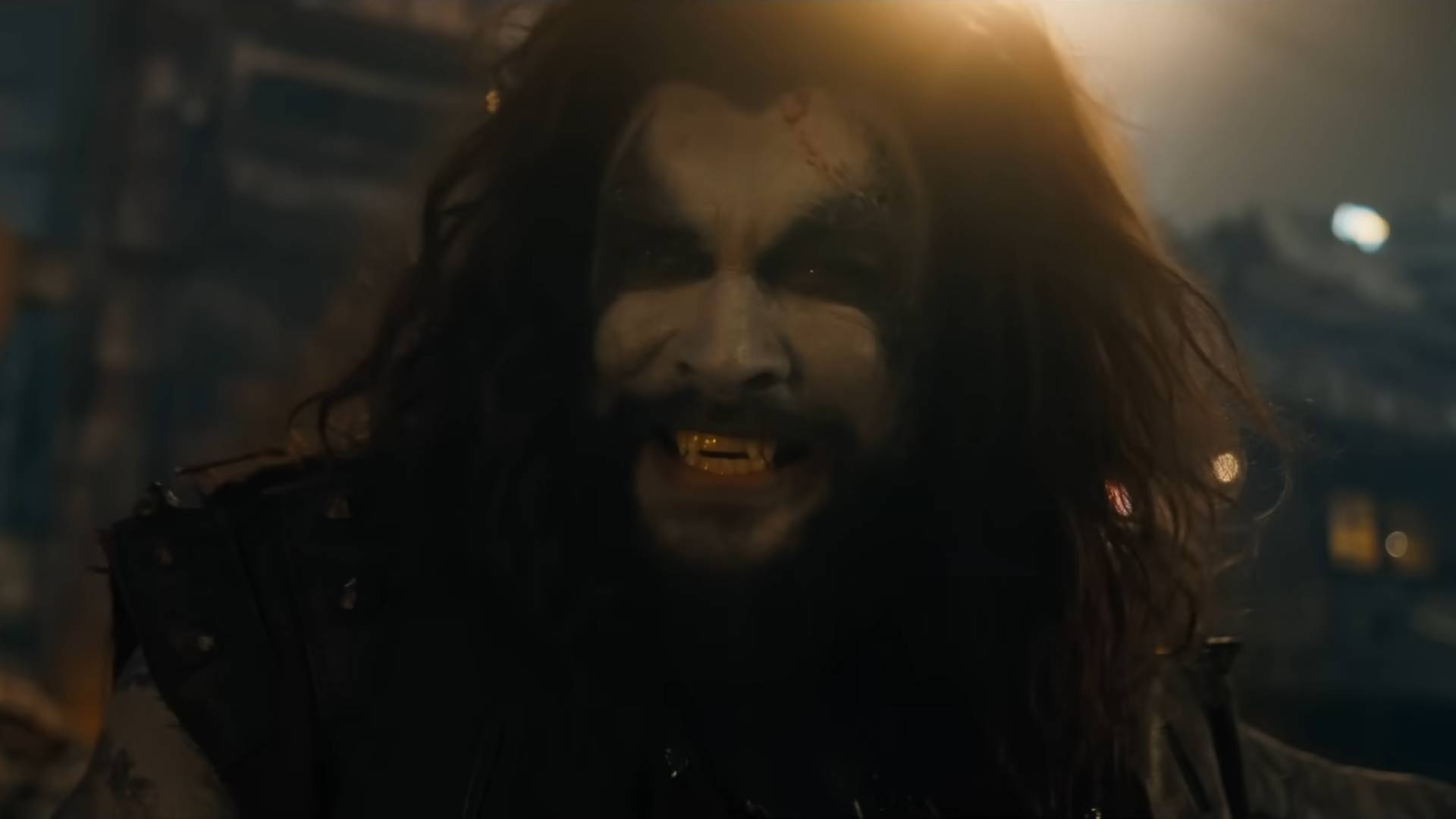
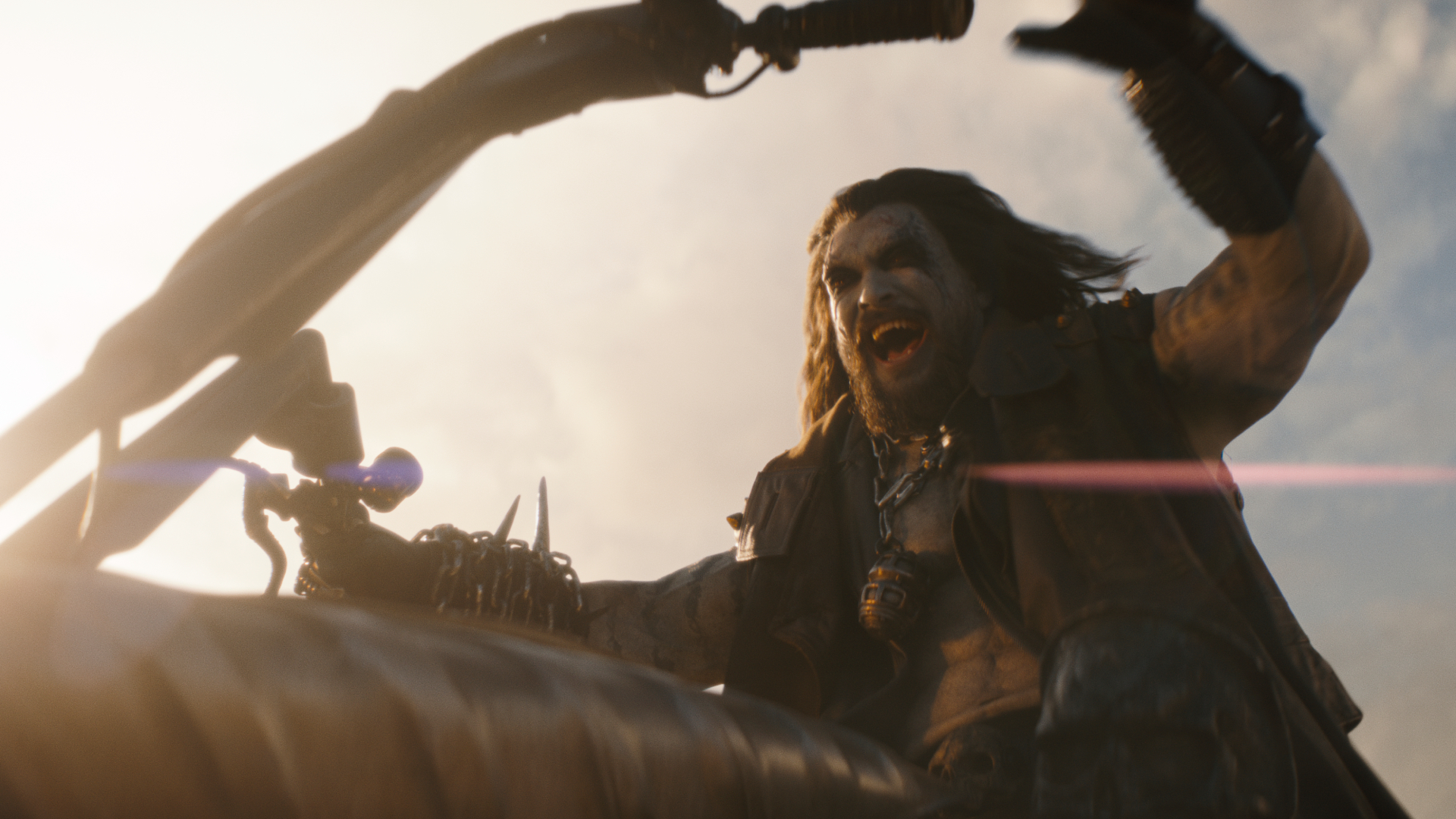
- The Look: The character design stays remarkably faithful to the source material, featuring Momoa in pale grey/white skin, glowing red eyes, and his signature wild hair, albeit enhanced by the actor’s natural 6’4” frame.
- The Performance: Critics have noted that while Momoa’s Aquaman often felt like "Momoa playing a superhero," his Lobo feels like a natural extension of his own public persona—a brash, ultra-violent, yet strangely charismatic rogue.
- Creative Stewardship: The character’s introduction was facilitated by the new heads of DC Studios, James Gunn and Peter Safran, who have expressed a desire to match actors with roles that better fit their inherent sensibilities.
Chronology: From the Depths of Atlantis to the Stars of Czarnia
The journey to Momoa becoming Lobo is a decade-long narrative of shifting cinematic tides. To understand the significance of this casting, one must look at the timeline of Momoa’s involvement with DC.
2014–2016: The Aquaman Gamble
In 2014, Zack Snyder cast Jason Momoa as Arthur Curry. At the time, it was seen as a radical departure from the blonde, clean-cut Aquaman of the comics. Momoa made his first brief appearance in Batman v Superman: Dawn of Justice (2016). The goal was clear: utilize Momoa’s "Game of Thrones" (Khal Drogo) intensity to erase the "Super Friends" stigma associated with the character.
2017–2023: The DCEU Tenure
Momoa headlined Justice League (2017) and two solo Aquaman films. While 2018’s Aquaman became a billion-dollar success, fans and critics often noted a friction between the character’s royal responsibilities and Momoa’s desire to play a "bro-y," bar-fighting badass. By the time Aquaman and the Lost Kingdom (2023) arrived, the DCEU was winding down, and Momoa’s performance had become more "Momoa" than "Arthur Curry."
Late 2022: The Text Message Heard ‘Round the Studio
On the morning it was announced that James Gunn and Peter Safran would lead DC Studios, Momoa reportedly took immediate action. Eschewing formal channels, he sent Gunn a two-word text: "Fucking Lobo." This moment marked the beginning of the end for his Aquaman and the birth of his new role. Gunn, a fan of the character and Momoa’s energy, reportedly agreed almost instantly.
2024–Present: The DCU Era
The filming of Supergirl allowed Momoa to finally step into the boots of the intergalactic bounty hunter. The film’s release confirms that Momoa has officially migrated from the old continuity to the new one, not as the same character, but as a brand-new entity tailored to his strengths.
Supporting Data: Why Lobo Fits the "Momoa Brand"
The character of Lobo was created in 1983 by Roger Slifer and Keith Giffen, but he didn’t find his true identity until the 1990s. During that era, he was reimagined as a parody of the "dark and gritty" anti-hero trend exemplified by Marvel’s Wolverine and DC’s Batman.
Data points that support why this role is a superior fit for Momoa include:
- Physical Congruency: In the comics, Lobo is a massive, muscular alien with a penchant for motorcycles and cigars. Momoa’s real-life interests in motorcycles, rock climbing, and rugged aesthetics align perfectly with the "Main Man" archetype.
- Tonal Alignment: Lobo’s dialogue is peppered with unique slang (such as "bastiche" and "frag") and a nihilistic sense of humor. In Supergirl, Momoa’s delivery of this dialogue has been praised for its authenticity, whereas his attempts at "regal" dialogue in Aquaman often felt forced.
- The "Anti-Hero" Metric: Market research during the DCEU era often showed that audiences responded best to Momoa when he was being rebellious. Lobo, a character who murdered his entire species for a high school science project (to ensure he was "unique"), provides a playground for that rebellious energy without the baggage of being a traditional hero.
Official Responses: Gunn and Momoa Speak Out
The transition has been met with public enthusiasm from the key architects of the DCU. James Gunn has been vocal about the casting, stating in recent interviews that he felt Momoa "should have been Lobo for years." Gunn’s philosophy for the DCU involves a closer adherence to the "soul" of the comic characters, even if the plots diverge.
Momoa himself has been uncharacteristically candid about the shift. In promotional junkets for Supergirl, he described playing Lobo as "getting to let the dog off the leash." He noted that while he was grateful for the opportunity to play Aquaman and the impact it had on his career and environmental causes, Lobo represents a creative freedom he hadn’t yet experienced in the superhero genre.
The studio’s strategy appears to be one of "controlled continuity." By allowing a popular actor like Momoa to return in a different role, they retain his star power while signaling to the audience that the "Snyderverse" rules no longer apply. This stands in stark contrast to other actors, like Henry Cavill, who were not brought back, suggesting that the "Lobo fit" was seen as an opportunity too good to pass up.
Implications: The Future of the "Frag" and the DCU
The success of Momoa’s Lobo in Supergirl has significant implications for the future of the DCU, even as the film faces a challenging box office environment.
1. The "Supporting Character" Strategy
Lobo’s role in Supergirl mirrors the way Marvel utilized characters like Hulk in Thor: Ragnarok. By placing a powerhouse character in a supporting role, the studio can bolster a film’s appeal without needing to greenlight a standalone project immediately. This suggests we may see Lobo pop up in various corners of the DCU, acting as a connective tissue between disparate storylines.
2. Future Project Possibilities
There are several logical next steps for the character:
- Man of Tomorrow: The upcoming Superman film (currently in production) could easily feature a Lobo cameo, given the historical rivalry between the Man of Steel and the Main Man.
- Lanterns (HBO Series): Lobo frequently tangles with the Green Lantern Corps in the comics. His presence in the upcoming "Earth-based" detective show could provide the necessary cosmic stakes.
- Wonder Woman Reboot: With Supergirl writer Ana Nogueira reportedly attached to write the new Wonder Woman, there is a creative bridge already built for Lobo to appear alongside Diana Prince.
3. Tonal Recalibration
Momoa’s Lobo serves as a bellwether for the DCU’s tone. It suggests a move away from the self-serious, operatic tone of the previous decade and toward something more colorful, violent, and self-aware. If audiences embrace this version of Lobo, it validates Gunn’s "weird and wonderful" approach to the DC mythos.
4. The "Fast & Furious" Connection
Interestingly, the DCU is becoming a landing spot for several Fast & Furious alumni. With Momoa joining John Cena (Peacemaker), the potential for a high-octane onscreen reunion is high. Fans are already speculating about a "Lobo vs. Peacemaker" confrontation, which would likely be a marketing goldmine for the studio.
Conclusion: The Right Man in the Right Makeup
While the Supergirl movie may be the focus of current box office tracking, the long-term narrative may well be the "redemption" of Jason Momoa’s DC career. By shedding the trident and picking up the chain-hook, Momoa has moved from a role that required him to change his nature to one that celebrates it.
Lobo is the perfect loose cannon for a new cinematic universe that is trying to find its footing. Whether he is coaching a young Kara Zor-El in the ways of ultra-violence or hunting bounties across the galaxy, Momoa’s presence ensures that even if the DCU’s path is rocky, it will at least be loud, brash, and entertaining. As Lobo himself might say, the "Main Man" is here to stay, and he’s ready to frag anyone who says otherwise. Ya bastiches.

