

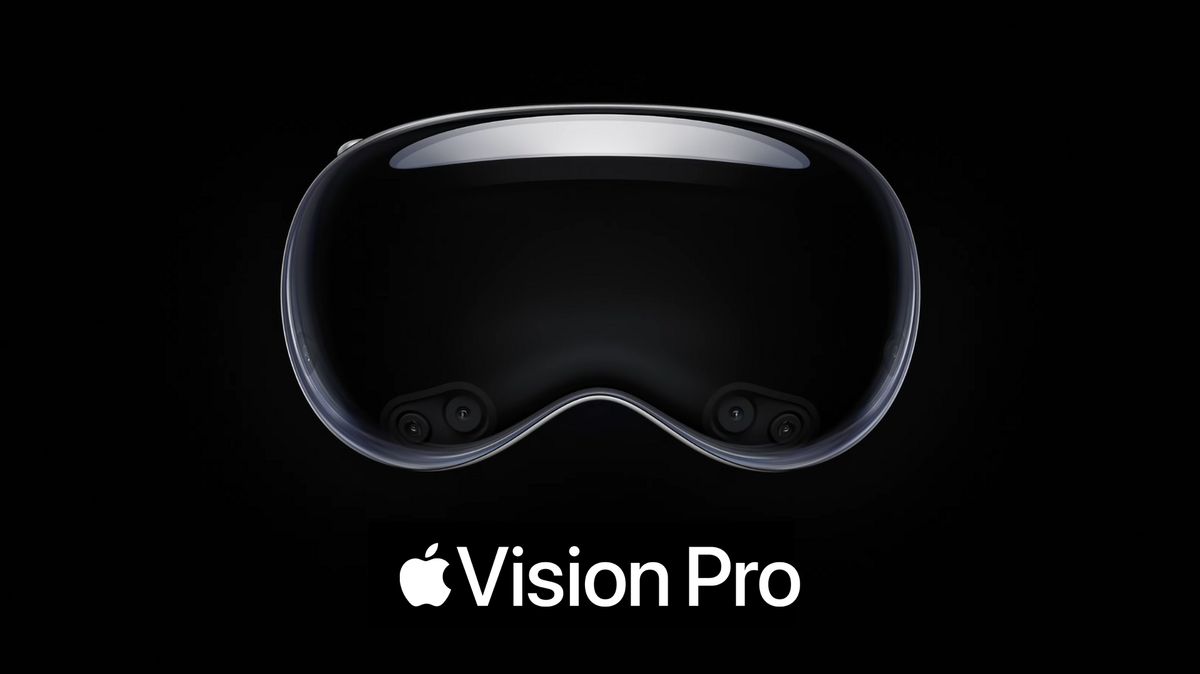
The era of accessible consumer technology is facing its most significant upheaval in decades. In a move that signals a broader structural shift in the global hardware market, Apple has officially raised the entry price for its flagship Vision Pro headset to $3,700. This increase is not an isolated incident of corporate greed; it is the most prominent indicator of a systemic, industry-wide crisis fueled by the insatiable appetite of artificial intelligence.
For consumers who had hoped that the maturation of spatial computing would eventually lead to more affordable entry-level headsets, the current market trajectory represents a "darker timeline." As component costs skyrocket, the dream of sub-$1,000 high-end VR hardware is rapidly evaporating, replaced by a new, expensive reality that spans from smartphones to gaming consoles.
The Anatomy of the Memory Crisis
To understand why a headset now costs more than a high-end desktop workstation, one must look at the supply chain. The tech industry is currently grappling with a severe global shortage of high-bandwidth memory (HBM) and standard RAM chips. This crunch is directly attributable to the explosive growth of "AI frontier models."
Large Language Models (LLMs) and generative AI systems require massive amounts of server-side inference. As companies like OpenAI, Google, and Meta race to scale their models, they are absorbing the global production capacity of RAM and storage components. Because AI agents are now being designed to run in complex loops—generating and storing data at an unprecedented rate—the demand for high-performance memory has decoupled from traditional consumer electronics manufacturing.
In this new ecosystem, Apple, Sony, and Valve are effectively bidding against the massive budgets of data center operators to secure the chips necessary to build their products. When supply cannot keep pace with this level of demand, the price for the remaining stock inevitably climbs.
A Chronology of the Hardware Price Hike
The recent Apple price adjustments are the latest in a wave of increases that have swept across the tech sector over the past 18 months.

- Early 2024: Sony continued its series of price adjustments for the PlayStation 5, citing rising logistics and component costs as the primary drivers.
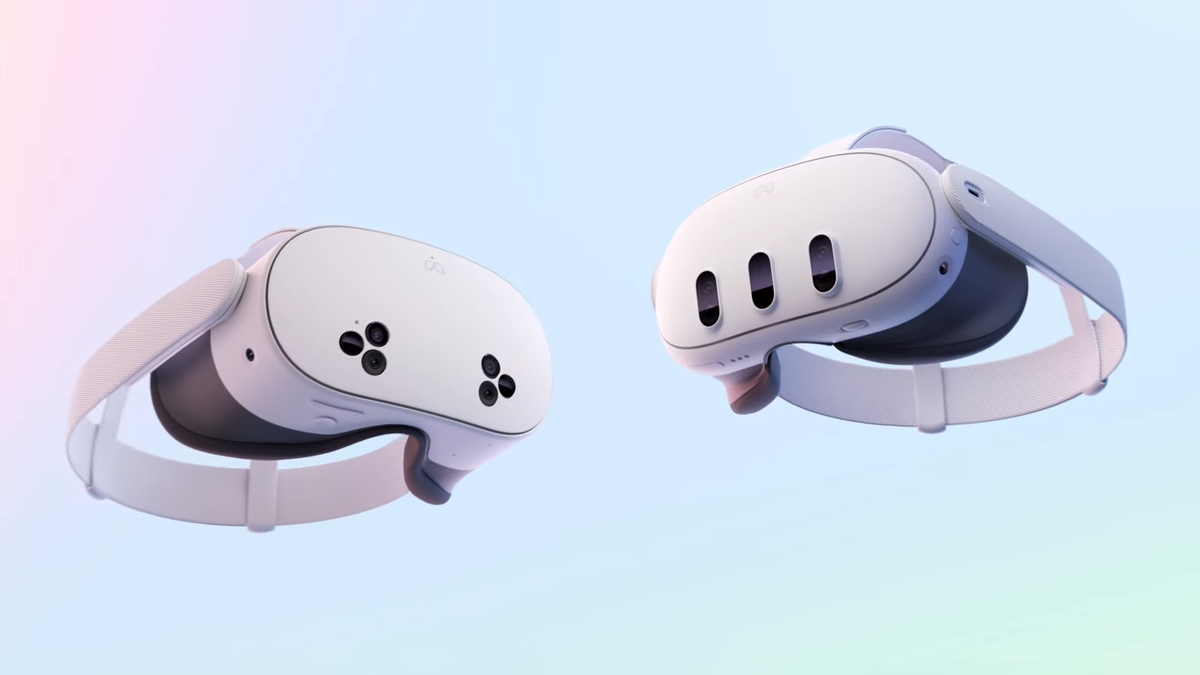
- April 2024: Meta, the dominant player in the standalone XR space, increased the pricing for both the Quest 3 and the Quest 3S, acknowledging that the memory crisis was no longer just an enterprise issue, but a consumer-facing one.
- Late Spring 2024: Microsoft followed suit with adjustments to its Xbox ecosystem, confirming that the cost of silicon was putting downward pressure on profit margins across the industry.
- June 2024: Valve opened reservations for its "Steam Machine" consolized PC. The initial price tag of $1,050—widely criticized by the gaming community—was revealed to be a direct result of the memory shortage. Internal industry estimates suggest that under normal market conditions, the hardware could have retailed for approximately $750.
- July 2024: Apple officially raised the price of its Vision Pro headset to $3,700, marking a pivot away from consumer-grade pricing for its spatial computing line.
Official Responses and Industry Perspectives
Outgoing Apple CEO Tim Cook has been remarkably candid about the situation. In a recent briefing with The Wall Street Journal, Cook characterized the current volatility as a phenomenon unlike anything he has witnessed in his 40-year career in the tech industry.
"We are seeing a convergence of factors that have fundamentally altered the economics of hardware production," Cook noted. He emphasized that the global memory crisis is not a temporary fluctuation but a structural challenge that threatens to stifle innovation if left unaddressed.
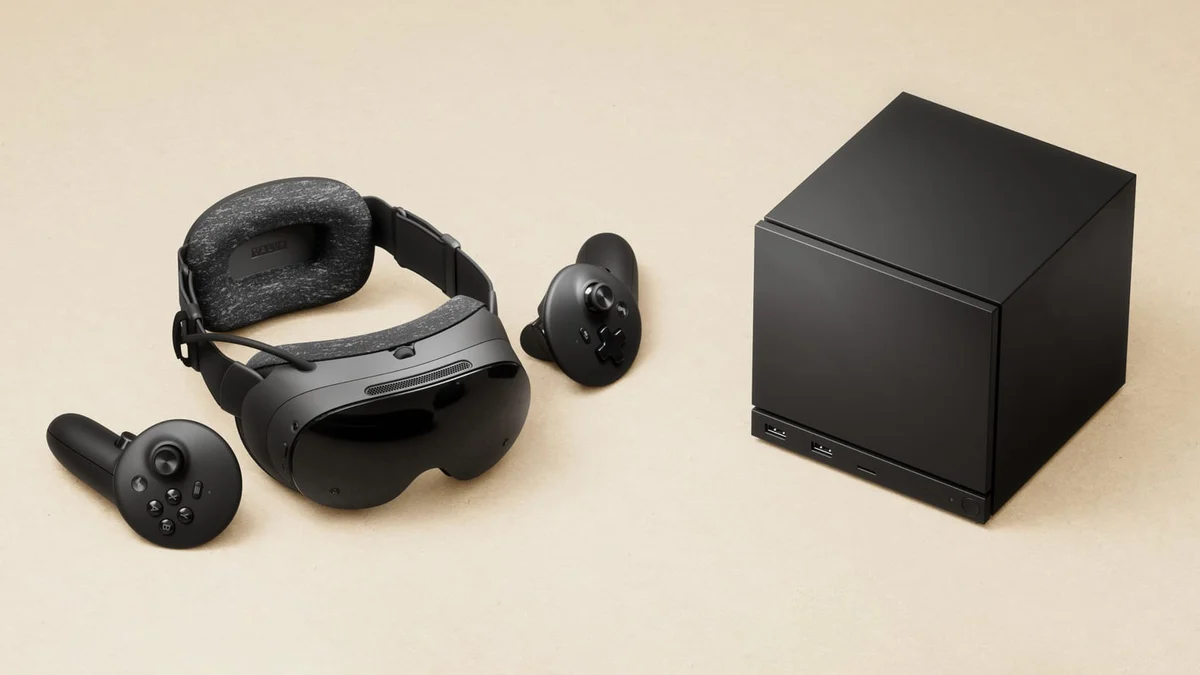
Valve, meanwhile, has been forced to "revisit" its shipping and pricing strategies for the upcoming Steam Frame headset. When the device was first announced in November, Valve executives expressed an intent to undercut the $1,000 price point of the Index full-kit. As of this summer, those plans are in flux. Whether the company can maintain a competitive price point while absorbing the current costs of high-speed memory remains the primary question surrounding the headset’s upcoming launch.
The AI-Hardware Feedback Loop
The implications of this crisis extend far beyond a few hundred dollars on a price tag. We are entering a period where hardware development is subservient to the needs of the AI sector.
Industry analysts suggest that as AI agents become more autonomous—running in the background for hours rather than seconds—the memory requirements per device will increase exponentially. Manufacturers such as SK Hynix and Micron are scrambling to build new fabrication plants, but these projects require massive capital investment and years to reach operational capacity.
This creates a "demand trap." Even as production increases, the sophistication of AI models is advancing at a faster rate, meaning the supply of memory will likely remain constrained through at least 2027. Consequently, the consumer technology market is facing a sustained period of high prices, with no meaningful relief expected until 2028 at the earliest.

Long-term Implications for the XR Market
The standalone XR (Extended Reality) market, which relies heavily on high-density RAM to process visual data and spatial tracking in real-time, is perhaps the most vulnerable sector.
For startups and legacy players alike, the current cost of entry is becoming prohibitive. If the Quest series and the Vision Pro continue to trend upward in price, we may see a significant cooling in adoption rates. Innovation in VR and AR depends on a broad user base to drive software development; if hardware becomes a luxury good, the "killer app" for the metaverse may never find its audience.
Furthermore, new entrants to the standalone XR market will face a steep barrier to entry. Companies looking to challenge Meta or Apple will find it nearly impossible to subsidize hardware costs to gain market share—a strategy that was common in the industry just three years ago. The age of the "loss leader" headset is over.
Conclusion: A New Economic Reality
The message from the industry is clear: the age of low-cost, high-performance consumer hardware has been put on indefinite hold.
For the average consumer, the immediate future will require a recalibration of expectations. The luxury of affordable, cutting-edge technology was built on a foundation of stable component costs and predictable supply chains—a foundation that has been dismantled by the rapid expansion of the AI economy.
As we look toward 2025 and beyond, the "Silicon Squeeze" will continue to dictate which products reach the market and how much they will cost. Whether one is looking to upgrade their gaming PC, purchase a new tablet, or dive into the world of spatial computing, the price of admission has officially increased. In this high-stakes environment, consumers must prepare for a marketplace where the technology is undeniably impressive, but increasingly exclusive.

