

For over two decades, Thief: The Dark Project has remained a cornerstone of immersive sim design—a haunting, atmospheric masterpiece that defined the stealth genre. Yet, for all its brilliance, the game has been held back by the visual limitations of 1998, with its iconic, hand-drawn cutscenes relegated to flickering, low-resolution artifacts of a bygone era.
Now, the masterminds at Nightdive Studios are poised to rectify this. In a recent episode of the Nightdive Deep Dive podcast, studio head Stephen Kick and producer Daniel Grayshon revealed that they are not merely upscaling the game’s assets; they are collaborating with an original Looking Glass veteran to meticulously remaster the cinematic heart of the game.
The Return of an Architect: Daniel Thron’s Involvement
The most significant revelation from the podcast is the direct involvement of Daniel Thron, one of the original artists from Looking Glass Studios. Thron was instrumental in the creation of Thief’s distinct, charcoal-sketch aesthetic, having served as a director, animator, and lead artist alongside industry legends Robb Waters and Mark Lizotte.
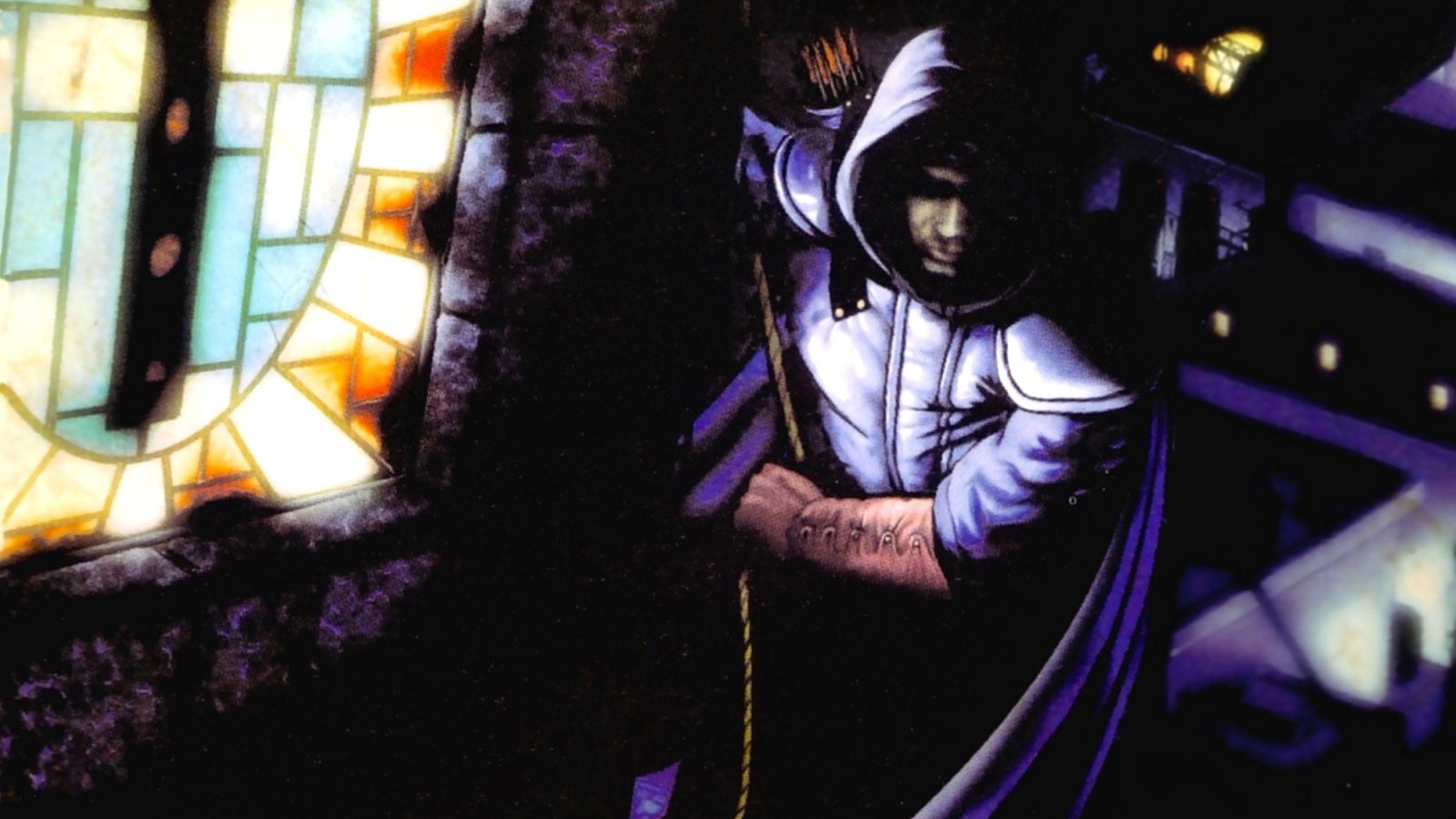
"We have one of the original artists back who did work on the original game," producer Daniel Grayshon stated during the broadcast. "When you look at the cutscenes in the 1998 release, they’re in a very low resolution and have a limited frame rate. But now, we have the original artist back, and he’s really helping us nail down that look."
For fans of the series, this is the gold standard of remastering. Rather than relying on modern AI-upscaling algorithms that often smear the artistic intent of original source material, Nightdive is opting for a "reconstruction" approach. By bringing in the person who originally penned the visuals, the studio ensures that the "new" 4K cutscenes will retain the exact grim, gothic texture of the 1998 originals while stripping away the technical limitations that made them difficult to view on modern displays.
A Chronology of Shadows: From 1998 to 2024
To understand the significance of this project, one must look at the technical trajectory of the Thief franchise.
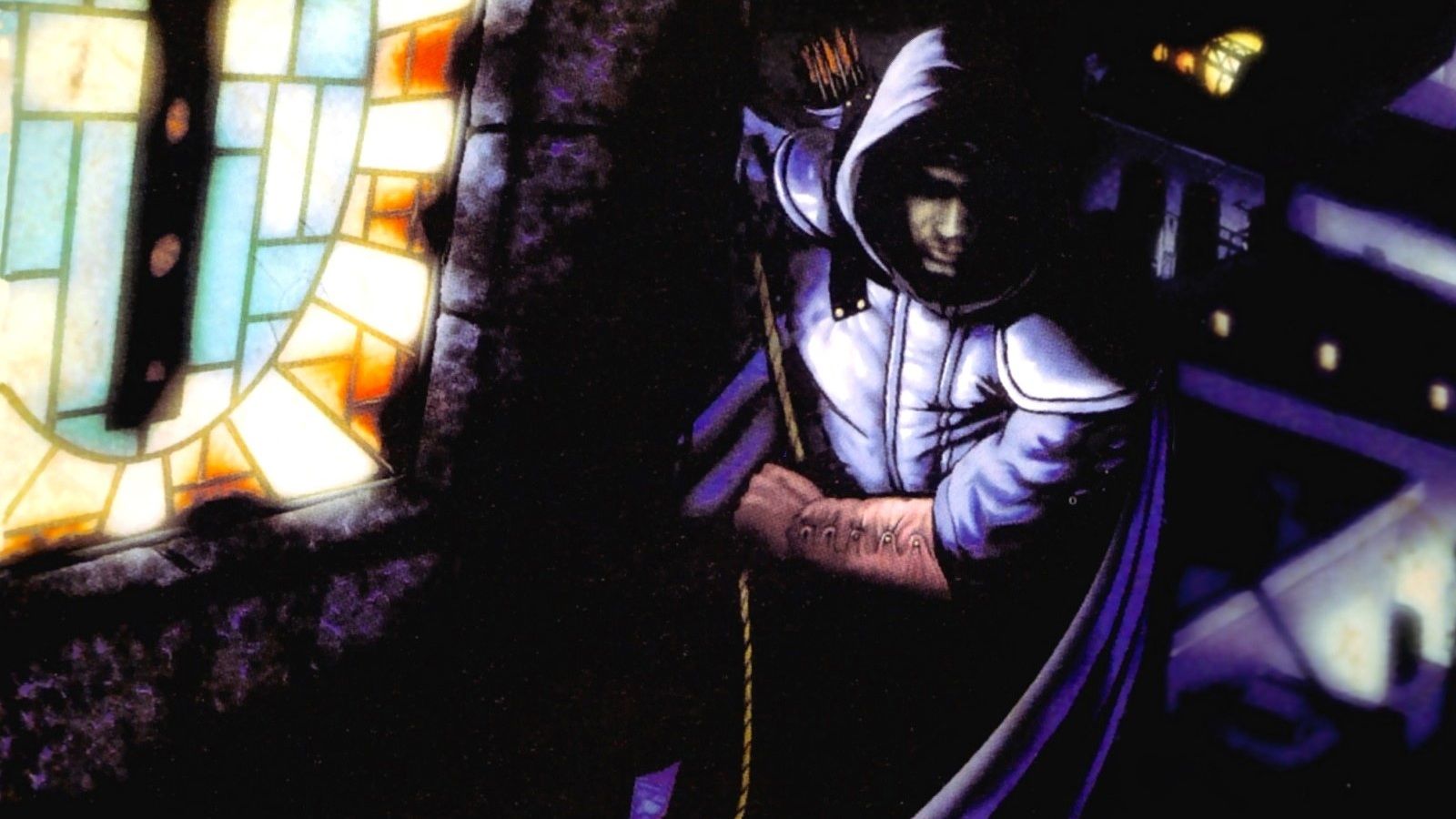
- 1998: Thief: The Dark Project launches, utilizing the proprietary "Dark Engine." The game pushes boundaries with its sound-based stealth mechanics and pre-rendered, 2D-animated cutscenes that resemble moving oil paintings.
- The Early 2000s: As monitor resolutions climb from 480p to 1080p and beyond, the original cinematics—rendered at a humble 320×240 resolution and 15 frames per second—become increasingly difficult to parse, appearing as pixelated blocks on high-definition screens.
- The Modding Era: Dedicated fans attempt to bridge the gap, releasing community-made upscaling mods. While these tools offer a clearer image, they often struggle to retain the original color grading and "noise" of the source art.
- 2023–2024: Nightdive Studios, having solidified its reputation with the System Shock remakes and the System Shock 2 25th Anniversary edition, turns its gaze toward Garrett’s original adventure.
- Winter 2024: The anticipated release window for Thief: The Dark Project Remastered.
Technical Fidelity: Beyond Simple Upscaling
The challenge of remastering a title like Thief lies in its specific, non-photorealistic art style. The cutscenes are characterized by high-contrast lighting and rough, sketch-like textures. In the past, AI upscalers have been criticized for "smoothing" over these details, effectively erasing the "teeth" of the original art.
Grayshon was adamant about the quality of the new visuals, offering a confident, if bold, prediction: "It looks the same, but in 4K—so much better. The animation is smoother. I don’t think there would be anybody—and I’m making a bold prediction saying this—I don’t think anybody would be unhappy with what we’re doing."
This commitment to the "same, but better" philosophy mirrors Nightdive’s approach to the System Shock 2 remaster. By avoiding AI-heavy crutches and opting for manual, artist-led refinement, the team is ensuring that the transition from 320×240 to 4K doesn’t lose the haunting, otherworldly atmosphere that defined the original experience.
The Human Element: VO and Artistic Legacy
The influence of the original developers extends beyond just the visuals. Daniel Thron was not only an artist but also a voice actor, lending his talents to various characters throughout the game. This "thrifty" practice of developers pulling double duty was a hallmark of the Looking Glass culture, resulting in iconic, low-budget-yet-high-impact performances that have stood the test of time.
The inclusion of Thron on the remaster team suggests a deep reverence for this legacy. The game’s mission briefings, narrated by the incomparable Stephen Russell as Garrett, rely on parchment-style motion graphics that are as essential to the Thief experience as the gameplay itself. Given the level of care being applied to the cinematics, it is highly probable that these briefings are receiving similar attention, ensuring the paper-textured aesthetic remains crisp and readable at modern resolutions.
Implications for the Immersive Sim Genre
The Thief: The Dark Project Remastered project represents more than just a trip down memory lane; it serves as a case study for the preservation of video game history. As the industry moves toward digital-only distributions and "live service" models, the work Nightdive is doing to maintain the original vision of titles like Thief is vital.
By proving that a game can be modernized without altering its fundamental "soul," Nightdive is setting a standard for how legacy titles should be treated. The implications are clear: gamers are no longer satisfied with simple ports or lazy "HD" re-releases. They want the artifacts of their childhood to be polished, not replaced.
Furthermore, this remaster keeps the Thief brand alive for a new generation. For a modern player, the barrier to entry for a 1998 game is often its UI and its visual resolution. By removing these hurdles, Nightdive is effectively "future-proofing" one of the most important games ever made, ensuring that the legacy of Garrett—the Master Thief—continues to cast its shadow over the gaming landscape for years to come.
Conclusion: A Winter of Anticipation
As we approach the winter release window, the gaming community remains in a state of high anticipation. While questions remain regarding the exact release date—with many hoping for a December drop to allow for a playthrough during the long, dark nights of the season—the confirmation of Thron’s involvement has largely quelled any fears regarding the project’s artistic integrity.
Nightdive has already proven their command over the Dark Engine; now, they are poised to prove that they are the true custodians of the Looking Glass legacy. If the results are as promising as the team suggests, Thief: The Dark Project Remastered will not just be a graphical upgrade—it will be the definitive way to experience one of the greatest stealth games in history.
For the fans who have been lurking in the shadows of the Thief community for decades, the wait is almost over. The city is ready to be explored anew, in higher resolution than ever before, but with the same haunting, familiar darkness that we fell in love with all those years ago.

