

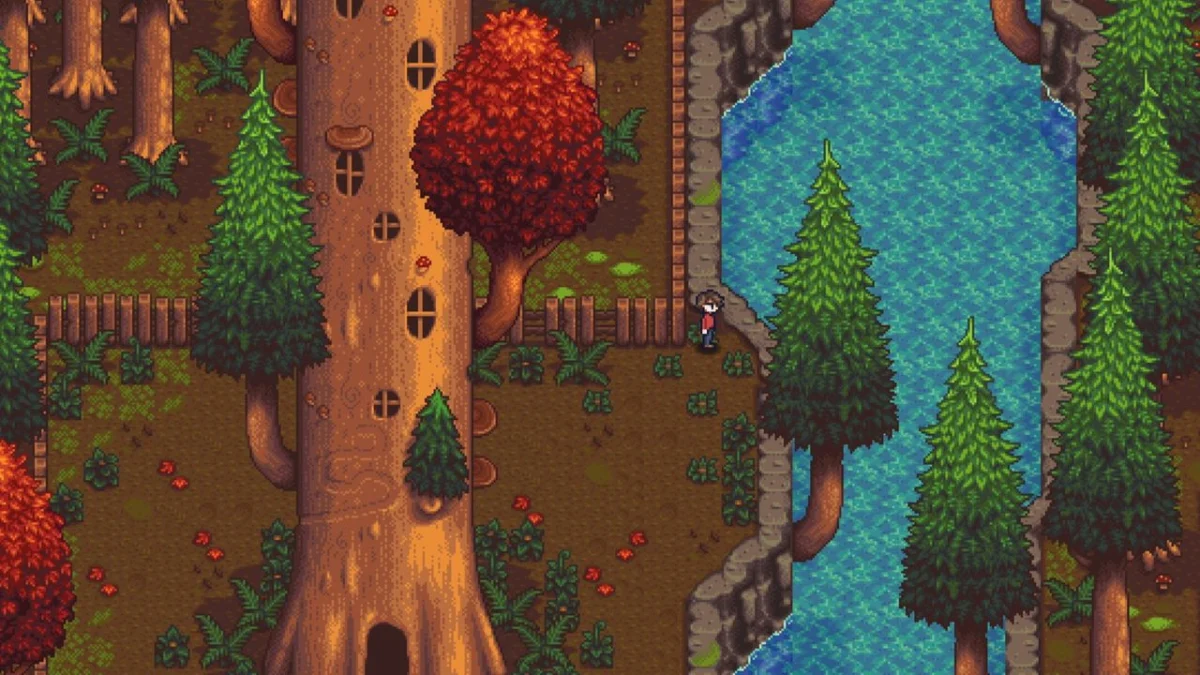
In the rapidly evolving landscape of independent video game development, few names carry as much weight or evoke as much trust as Eric Barone, known professionally as "ConcernedApe." As the sole creator of Stardew Valley—a title that redefined the farming simulation genre and became a global cultural phenomenon—Barone occupies a unique position in the industry. He is a developer who possesses the rare luxury of time, fueled by unprecedented commercial success and a fan base that values quality over speed.
Recently, Barone broke his silence regarding his highly anticipated second project, Haunted Chocolatier. In a blog post titled "Still here, still grinding," Barone provided a rare glimpse into his current workflow, his design philosophy, and the reasons behind the game’s extended development cycle. While the update was light on new gameplay footage, it offered a profound look at the "perfectionist" approach that has come to define Barone’s work.
Main Facts: The State of Haunted Chocolatier
The primary takeaway from Barone’s latest update is a confirmation of continued progress. Despite the long intervals between public announcements, the developer remains deeply entrenched in the creation of Haunted Chocolatier. However, he was candid about the challenges of the process and his reluctance to share "half-baked" content.
A Philosophy of Perfection
Barone’s update emphasized a commitment to a "seamless, clear, intuitive, satisfying, and aesthetic" experience. Unlike many modern studios that utilize Early Access models to refine gameplay through public testing, Barone is opting for a traditional, complete release. He noted that the game is "taking a long time" because he is "fussing over" every detail to ensure it meets his internal standards of excellence.
The Scope of the Project
While Stardew Valley was a sprawling epic of rural life, Barone has previously hinted that Haunted Chocolatier will be even larger in scope. The game shifts the focus from farming to the artisanal craft of chocolate making, set within a haunted castle. It incorporates more robust RPG elements, a revamped combat system, and a shop-management loop that promises to be more complex than the shipping-bin mechanics of its predecessor.
The Dual-Development Burden
A significant factor in the timeline of Haunted Chocolatier is Barone’s continued dedication to Stardew Valley. Even eight years after its launch, Stardew Valley receives massive content updates. Barone revealed that he currently splits his week, spending five days on Haunted Chocolatier and two days on Stardew Valley (specifically working on the upcoming 1.7 update and maintaining current versions). This dual-tasking ensures that his legacy project remains healthy while his future project slowly takes shape.
Chronology: From Farm to Castle
Understanding the current state of Haunted Chocolatier requires a look back at the timeline of Barone’s career and the development milestones of his projects.
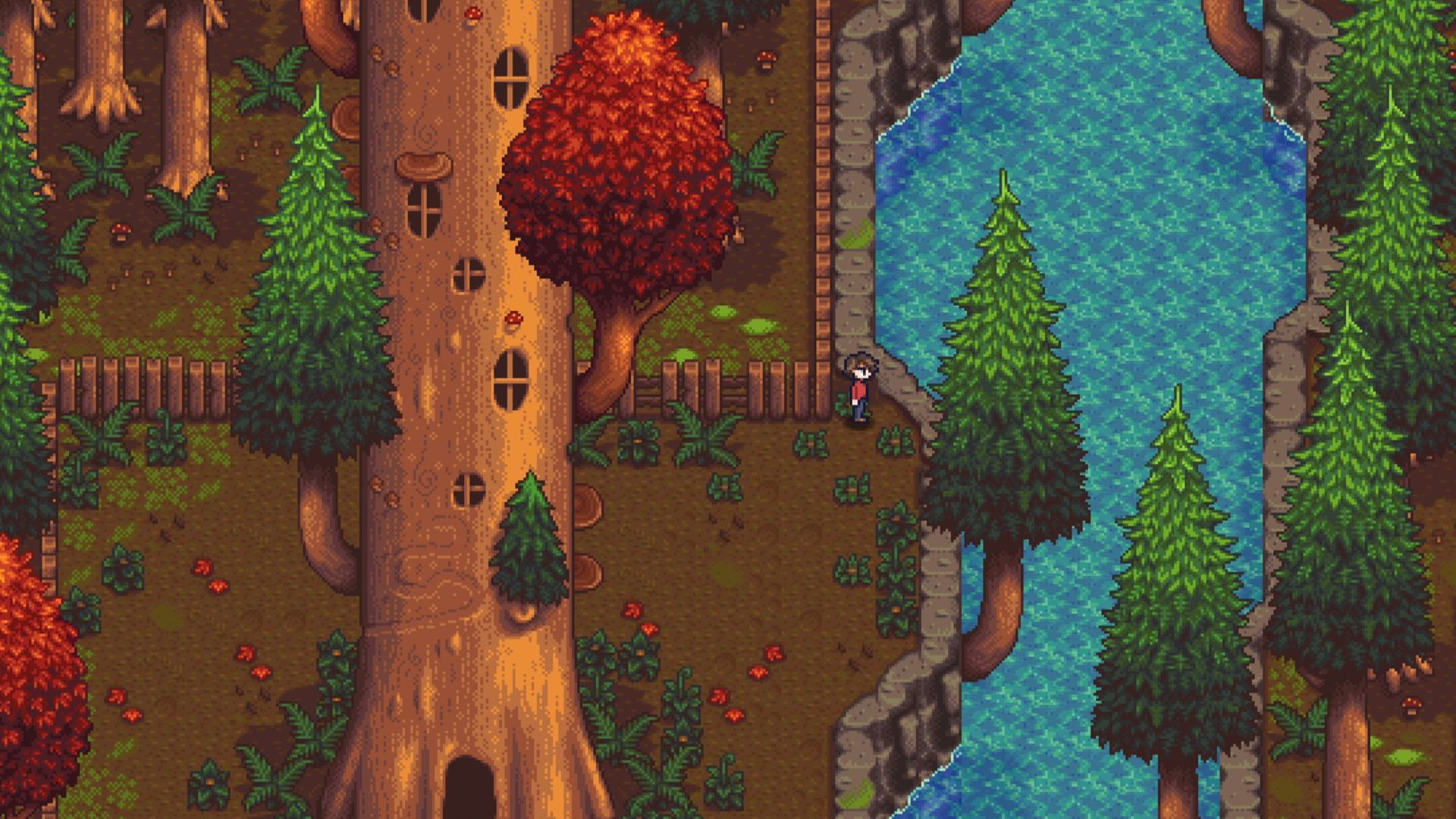
- February 2016: Stardew Valley is released on PC. What began as a solo passion project intended to pay homage to Harvest Moon quickly becomes a runaway success, eventually selling over 30 million copies across all platforms.
- 2016–2020: Barone spends years providing free "mega-updates" (v1.1 through v1.5), adding multiplayer, new regions like Ginger Island, and hundreds of hours of additional content.
- October 2021: Barone officially announces Haunted Chocolatier with a gameplay trailer. The footage shows a familiar pixel-art style but introduces new mechanics: gathering ingredients in the wild, battling monsters with shields and swords, and managing a chocolate shop staffed by friendly ghosts.
- 2022–2023: Development continues, but Barone largely goes "radio silent" on Haunted Chocolatier to focus on the massive Stardew Valley 1.6 update. He explains that he cannot comfortably move forward with the new game until the 1.6 update is stable across all platforms (PC, console, and mobile).
- March 2024: Stardew Valley 1.6 is released on PC, introducing a new farm type, festivals, and thousands of lines of dialogue. Barone pivots back to Haunted Chocolatier as his primary focus.
- June 2024: The "Still here, still grinding" update is published, reaffirming his commitment to the project while managing expectations regarding a release date.
Supporting Data: The Economics of Creative Freedom
The reason Barone can afford to take his time—a luxury most indie developers do not have—lies in the staggering success of Stardew Valley. As of early 2024, the game has surpassed 30 million units sold. At an average price point of $15, and considering Barone acted as his own publisher for much of the game’s life cycle, the financial returns have placed him in a position of total creative independence.
Comparative Development Cycles
In the indie gaming world, "sophomore" projects from successful solo devs often take significantly longer than their debuts:
- Team Cherry: Hollow Knight: Silksong has been in development for over five years following the massive success of the original.
- Toby Fox: Deltarune is being released in chapters, with the full game expected to take nearly a decade to complete following Undertale.
Barone’s timeline follows this trend. By removing the pressure of a publisher-imposed deadline, he avoids the "crunch" culture prevalent in AAA studios. Furthermore, the data suggests that Barone’s "slow and steady" approach yields high player retention. Stardew Valley consistently maintains a top-50 spot on Steam’s most-played games list, nearly a decade after its debut.
Official Responses: Insights from the Developer
In his recent blog post and subsequent interactions on social media, Barone has been transparent about the psychological weight of development. His statements provide a window into the mind of a solo creator who is both the artist and the critic.
The "Bread" Analogy
One of the most poignant parts of his update was the comparison of game development to baking. "Partly, it feels like I’m serving a half-baked bread," Barone wrote. "I would rather serve a fully baked bread." This analogy serves as a direct rebuttal to the industry trend of "Live Service" games, where titles are often launched in a skeletal state with the promise of future patches.
Avoiding the Marketing Trap
Barone also addressed why he is not participating in the traditional hype cycle. "Fortunately, I’m in a position where I don’t need to market the game, so I can take my preferred approach," he stated. He acknowledged that revealing systems too early can lead to player disappointment if those systems are later cut or altered during the refinement process. By keeping the "inner workings" of Haunted Chocolatier private, he preserves the sense of discovery that made Stardew Valley so magical.
The Difficulty of the New Engine
In previous comments, Barone noted that Haunted Chocolatier is "a lot harder to make" than Stardew Valley. While Stardew followed a established blueprint of the farming sim, Haunted Chocolatier is a hybrid of several genres—action RPG, management sim, and social sim. Balancing these disparate elements requires a level of mechanical fine-tuning that far exceeds his previous work.
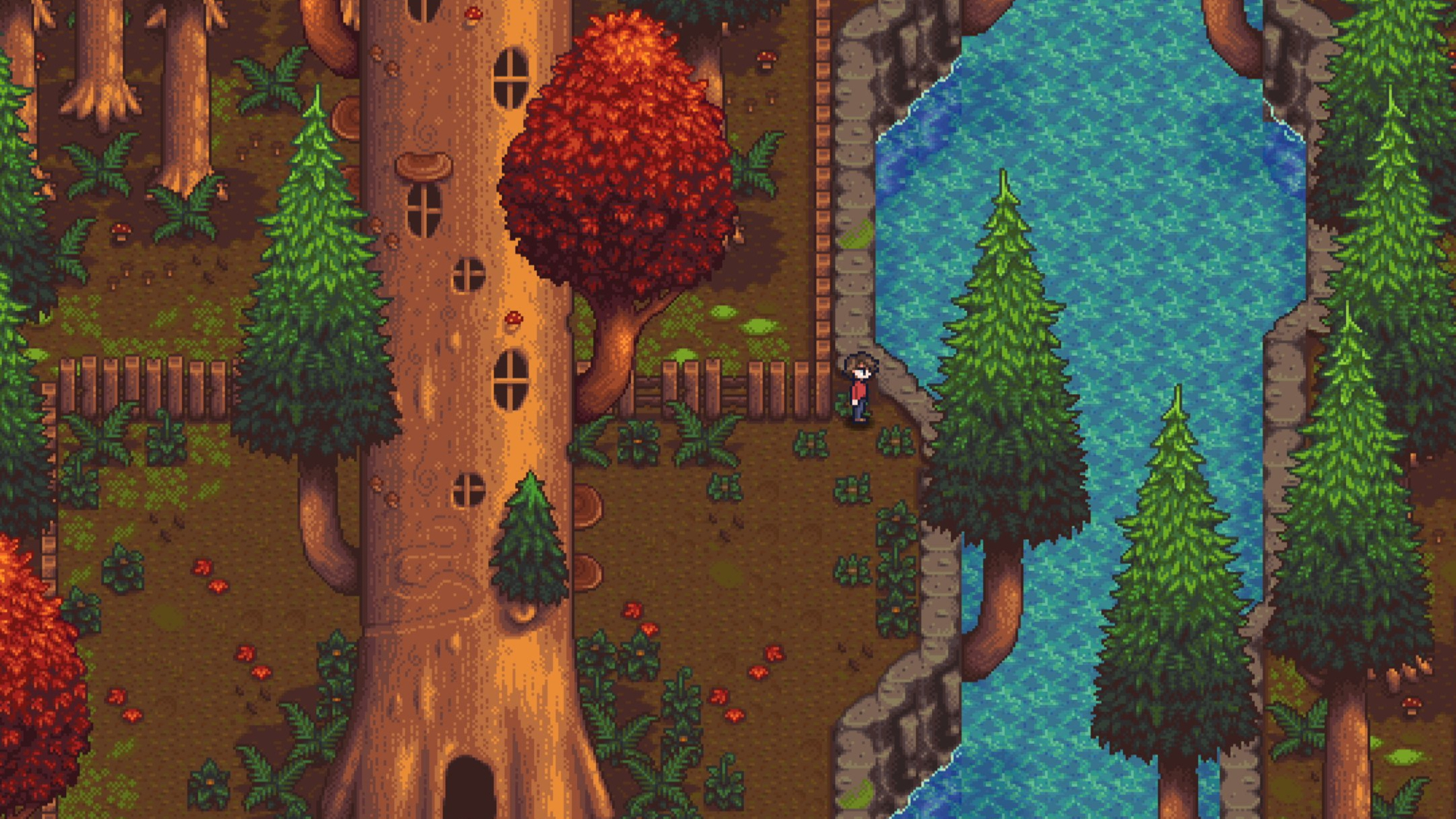
Implications: What This Means for the Industry and the Fans
The development of Haunted Chocolatier is more than just the story of a single game; it is a case study in the power of the "Auteur" in gaming. Barone’s refusal to rush has several broader implications for the industry.
The Rejection of "Release Now, Fix Later"
In an era where even major titles like Cyberpunk 2077 or Star Wars Jedi: Survivor launched with significant technical issues, Barone’s stance is a breath of fresh air. He is setting a precedent that for an indie developer with a strong enough brand, the "Traditional Release" (a complete, polished game on Day One) is still a viable—and perhaps superior—business model.
Managing the "Stardew Legacy"
The shadow of Stardew Valley is both a blessing and a curse. Any project Barone releases will be compared to what is arguably the most perfect farming sim ever made. By taking his time, Barone is attempting to ensure that Haunted Chocolatier is not just "Stardew with Chocolate," but a distinct, evolutional step in his career. The implication for fans is that while the wait is long, the likelihood of a high-quality product is significantly higher than with almost any other developer.
The Future of the "Cozy" Genre
Stardew Valley launched the modern "cozy game" explosion. Since its release, hundreds of farming and life sims have flooded the market. Haunted Chocolatier, with its spookier atmosphere and focus on combat/crafting, suggests that Barone is looking to push the boundaries of the "cozy" genre into "cozy-action" or "cozy-gothic" territory. This could potentially trigger a new wave of indie trends focused on artisanal shop management and atmospheric storytelling.
Conclusion
Eric Barone’s "Still here, still grinding" update is a testament to the virtues of patience and precision. In a world of instant gratification and rapid-fire content cycles, Barone remains an outlier—a craftsman who views game development not as a race to a quarterly earnings report, but as a slow-baked loaf of bread that must be perfect before it leaves the oven.
For the millions of fans waiting to step into the haunted castle and start their new lives as chocolatiers, the message is clear: the game is coming, it will be massive, and it will be exactly what the creator intended it to be. Until then, the community remains content to wait, knowing that when ConcernedApe finally rings the dinner bell, the feast will be worth the years of anticipation.

