

For decades, Warhammer 40,000 has occupied a unique, albeit intimidating, space in the tabletop gaming industry. Often described as a "hobby within a hobby," the game is renowned for its rich, grimdark lore, its intricate painting requirements, and a rulebook that has historically rivaled university textbooks in both density and physical weight. For newcomers, the barrier to entry has often felt like an insurmountable wall of terminology, faction-specific nuances, and prohibitive startup costs.
However, the launch of the 11th Edition of Warhammer 40,000 signals a significant shift in philosophy for Games Workshop. With the release of the "Armageddon" launch box, the developers are attempting to reconcile the game’s deep strategic complexity with a newfound emphasis on accessibility. This is not merely another edition update; it is a fundamental recalibration of how the game welcomes new players into its fold.
Main Facts: What is the Armageddon Box?
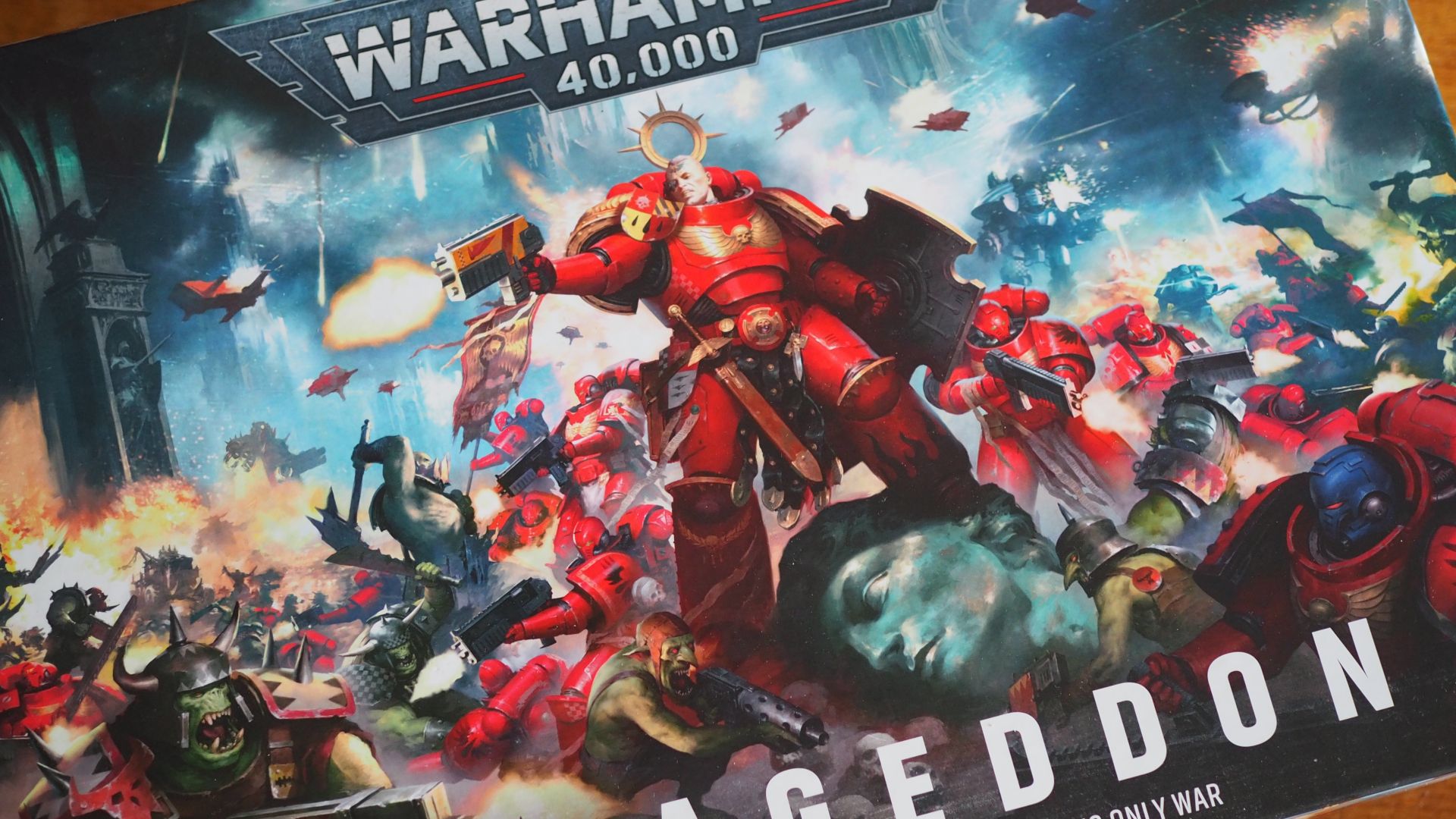
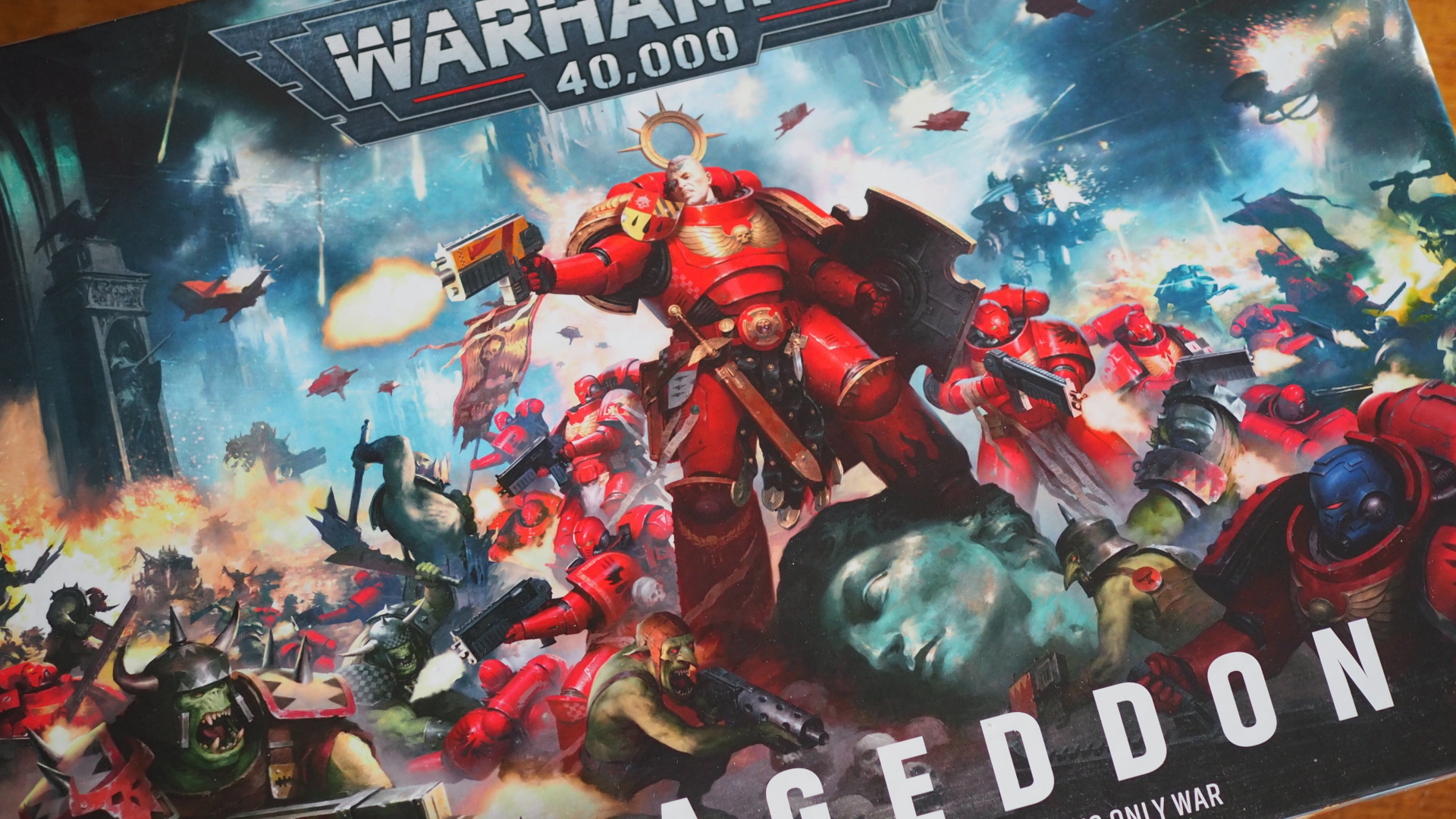
The Armageddon box set serves as the primary gateway for the 11th Edition. It is designed as a "complete experience" package, intentionally curated to provide everything a player needs to move from a curious bystander to an active participant on the battlefield.
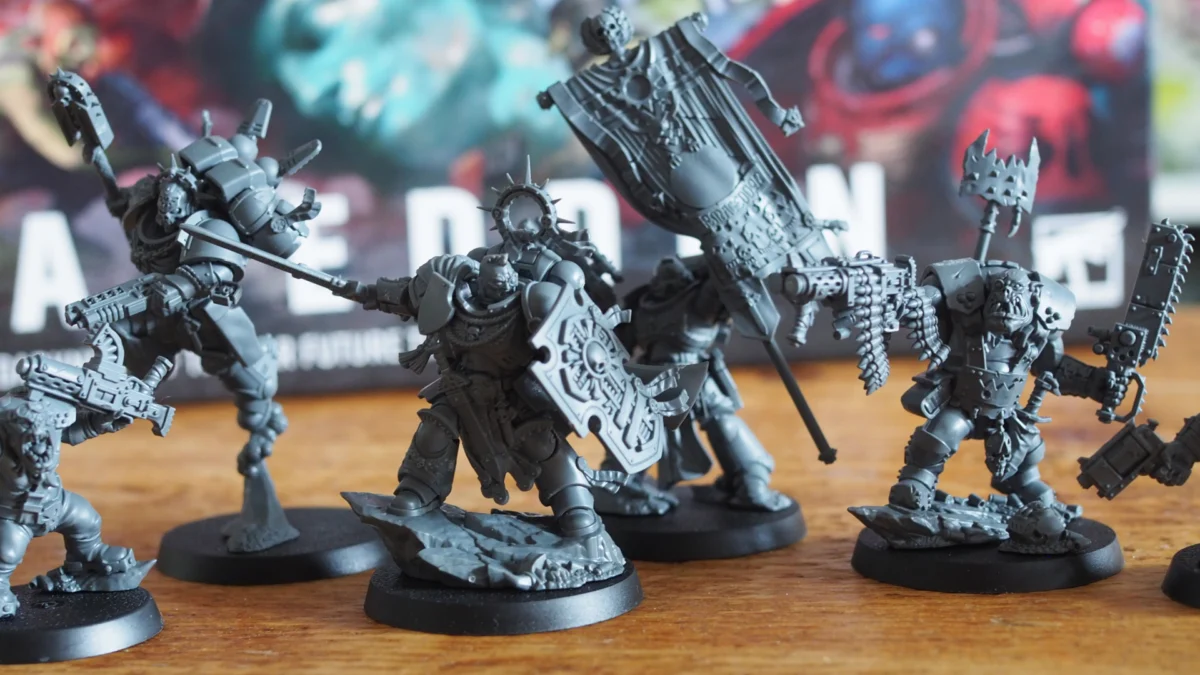
At its core, the set provides two full-scale combat forces: the stalwart, iconic Space Marines and the chaotic, brutal Orks. Unlike previous starter sets that often provided smaller "combat patrol" style forces, the Armageddon box offers a substantial starting collection that allows for meaningful tactical choices from the first game.
Crucially, the box includes the new, streamlined core rulebook. This volume has undergone a significant editorial overhaul, stripping away the excessive narrative bloat that previously plagued the physical rulebook. The result is a utilitarian, field-ready manual that prioritizes readability and quick reference during play. Alongside these, the set features a suite of mission and campaign cards, which serve to automate the setup process for new players and reduce the mental load required to organize a balanced game.
Chronology: The Evolution Toward 11th Edition
To understand why the Armageddon box is so vital, one must look at the recent history of Warhammer 40,000.
- The 9th Edition Era: While lauded for its tactical depth, 9th Edition was widely criticized for its "rules bloat." Players were often required to carry multiple hardback codexes, supplements, and FAQ printouts to a standard match, making it a difficult environment for newcomers to navigate.
- The 10th Edition Shift: Games Workshop began the process of "sanding off the edges" with 10th Edition, introducing streamlined data sheets and simplified core mechanics. This was the first major step toward making the game more approachable.
- The Current Transition (11th Edition): With the arrival of 11th Edition, the developers have taken the lessons learned from the previous cycle and accelerated the simplification process. The Armageddon box represents the culmination of this design philosophy, moving away from "collectible" starter sets toward "functional" starter sets.
Supporting Data: The Value Proposition
In an industry where premium miniatures can carry high individual price points, the value of a launch box is usually measured by the total cost of the components if purchased separately. While Games Workshop has not yet released the individual MSRP for every component within the Armageddon set, early analysis suggests the bundle offers a significant discount—often ranging from 30% to 50% off the total retail value of the included sprues and accessories.
Beyond the monetary value, there is the "time-value" of the components. The inclusion of campaign and mission cards is a masterstroke in user experience design. In previous editions, mission generation was a manual, sometimes tedious process of cross-referencing tables in the back of the rulebook. By physicalizing these missions, the developers have removed the friction that often caused games to stall before they even began.
The miniatures themselves represent the cutting edge of injection-molded plastic technology. The Orks, in particular, showcase a level of detail and character that was impossible just a decade ago. Each model is designed with "push-fit" technology in mind, allowing beginners to assemble their armies with minimal need for specialized modeling tools or complex adhesives.
Official Responses and Design Philosophy
Games Workshop’s design team has been vocal about their shift in strategy. In various developer diaries and community briefings, the team has emphasized that the goal of the 11th Edition is to "bring the game to the table."
The design philosophy behind the new rulebook, specifically, was to create a "tactical tool rather than a lore encyclopedia." By separating the dense, expansive universe lore—which can be consumed through the extensive library of Black Library novels—from the rules of the game, the company has made the physical product significantly more portable. This shift signals a move toward treating Warhammer 40,000 as a competitive sport that happens to have a hobby aspect, rather than a hobby that happens to have a game.
Implications: The Future of the Hobby
The release of the Armageddon box has profound implications for the tabletop ecosystem:
- Lowering the Barrier to Entry: By providing a "box-in-a-box" solution, the company is directly addressing the "analysis paralysis" that affects many potential hobbyists. A player no longer needs to spend weeks researching which units to buy; they can start with the Armageddon set and have a fully functional, balanced game on day one.
- Community Standardization: Because the Armageddon box is likely to become the standard starting point, the community will have a shared baseline. This makes it easier for veterans to teach the game to new players, as they will both be familiar with the exact same miniatures and mission cards.
- The Shift to Subscription-style Rules: The emphasis on cards and streamlined rules suggests that Games Workshop is moving toward a more iterative model of game balance. By keeping the core rules thin, they leave themselves room to adjust the game via digital updates or supplemental card packs without needing to rewrite the entire foundational text.
- Market Competition: With other skirmish-style wargames gaining popularity, Warhammer 40,000 had to become more agile. The Armageddon box is a clear response to the demand for a faster, more accessible tabletop experience that doesn’t compromise on the epic scale the brand is known for.
Final Thoughts: A New Horizon for 40K
The Armageddon box is more than a product; it is an olive branch from one of the most established names in gaming to a new generation of players. It acknowledges the faults of the past—the weight of the books, the complexity of the setup, the intimidation factor—and addresses them with a pragmatic, consumer-first approach.
For those who have long admired the aesthetic of the Warhammer universe but were deterred by the perceived difficulty, there has never been a better time to engage. The hobby is, in many ways, being reborn. The path to the battlefield is no longer a labyrinthine journey; it is now a well-marked road. Whether you are drawn to the stoic, high-tech armor of the Space Marines or the gritty, hilarious, and unpredictable nature of the Orks, the Armageddon box provides the perfect, low-friction starting line.
As we look toward the future of the 11th Edition, it is clear that the game is entering a new phase of maturity. It is a game that is finally comfortable in its own skin—a game that recognizes that while its lore is infinite, its rules should be precise, and its entry point should be welcoming to all.

