

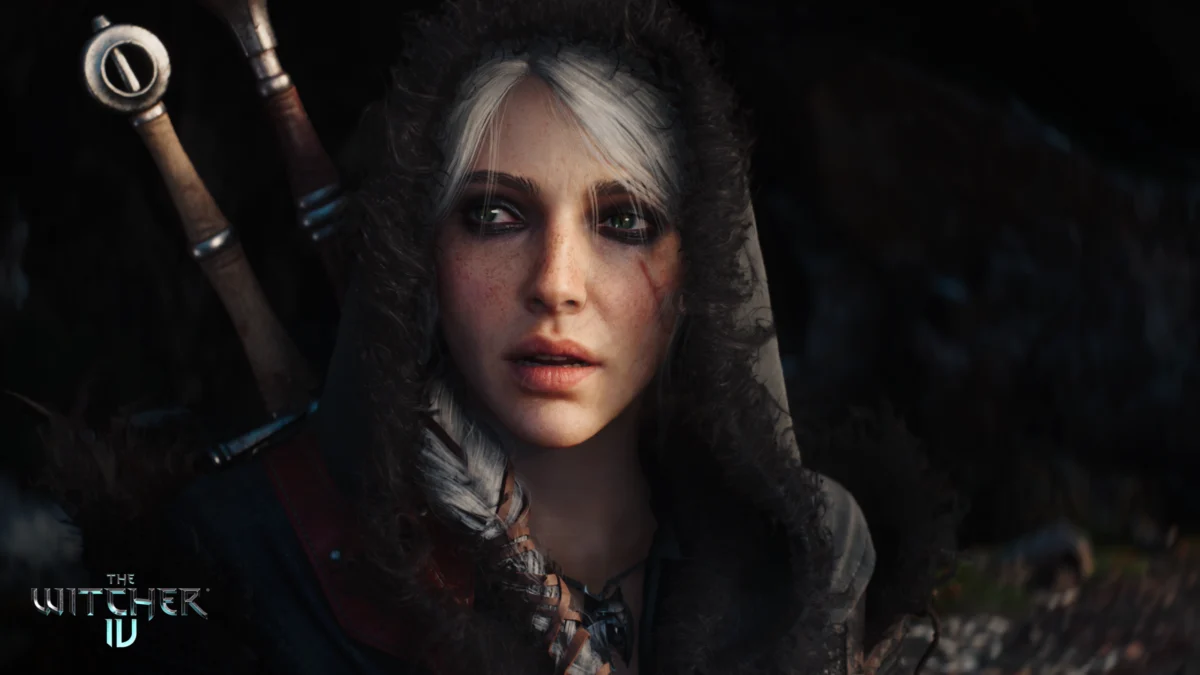
In a move that signals a profound shift in corporate strategy and brand identity, the Polish gaming titan formerly known as CD Projekt has officially changed its name to CD Projekt Red. The decision, ratified during the company’s general meeting on June 23, marks the end of an era for the holding company and aligns the parent firm’s name with its most recognizable and successful creative studio.
Main Facts: Unifying the Brand
The transition, which was first reported by the Polish financial outlet Bankier.pl, is more than a mere cosmetic change. According to the official documentation provided to shareholders ahead of the vote, the rebranding serves to “ensure consistency in the communication of the CD Projekt Red brand.”
For years, the corporate structure of the company has been a source of occasional confusion for investors and fans alike, particularly as the "CD Projekt Red" studio became the primary engine of the company’s revenue and global reputation. By adopting the studio’s name, the company aims to simplify its global identity, making it easier for consumers, partners, and shareholders to identify the corporate entity directly with the high-profile games it produces.
The management board stated clearly in their justification: “The studio’s activities currently correspond to the Company’s core operational activity, which consists of producing and publishing video games and managing the Company’s brands.” This pivot reflects a reality where the company is no longer a diversified conglomerate—which previously included the GOG digital storefront—but a focused, pure-play video game development and publishing house.
A Historical Chronology: From Distribution to Development
To understand the significance of this name change, one must look at the company’s evolution since its inception.
1994: The Early Years
CD Projekt was founded in 1994 by Marcin Iwiński and Michał Kiciński. Originally, the company was not a developer but a distributor of foreign video games within Poland. During these formative years, the company played a crucial role in bringing Western titles to the Polish market, helping to foster a local gaming culture that would eventually produce some of the industry’s most talented developers.
2002: The Birth of the Studio
Eight years after its founding, the company made its most consequential decision: it established the CD Projekt Red studio. This was the birth of the development arm that would eventually define the company’s trajectory. By securing the rights to Andrzej Sapkowski’s The Witcher book series, the team began the arduous task of creating a world-class RPG.
2007–2020: The Rise to Stardom
The release of the original The Witcher in 2007 was a modest success, but it paved the way for The Witcher 2: Assassins of Kings and, most notably, the global phenomenon The Witcher 3: Wild Hunt in 2015. The Witcher 3 cemented the studio as a premier developer, a status that remained largely intact even through the tumultuous, rocky launch of Cyberpunk 2077 in 2020. Despite the initial backlash, the studio’s commitment to post-launch support and the subsequent success of the Phantom Liberty expansion proved the brand’s resilience.
2025: Divestiture and Focus
The sale of the GOG platform to co-founder Michał Kiciński for $25 million at the end of 2025 was the final catalyst for this name change. By shedding the GOG platform, which served as a separate digital storefront with its own distinct business strategy, the parent company was finally able to streamline its operations. With the studio being the sole remaining core operation, the name "CD Projekt Red" became the only logical fit for the holding company.
Supporting Data: Why Now?
The rationale for the rebranding is rooted in modern brand management and market perception. In the global video game industry, "CD Projekt Red" is a household name associated with high-production-value RPGs. Conversely, "CD Projekt" (the holding company) was often seen as an ambiguous entity.
Management’s justification ahead of the June general meeting highlighted three key objectives:
- Brand Synergy: Eliminating the distinction between the developer and the parent company prevents "brand dilution."
- Market Identification: Global investors and consumers often conflate the two; formalizing the name recognizes the reality of how the company is already perceived by the public.
- Operational Focus: As the company shifts toward a multi-project development pipeline, having a single, unified banner helps in marketing and talent acquisition.
Official Responses and Strategic Shifts
The departure from GOG was described by GOG managing director Maciej Gołębiowski as a "natural" evolution. Speaking to GamesIndustry.biz, Gołębiowski noted that while the deal was initiated by CD Projekt, it was mutually beneficial. "We have different strategies," he explained. "GOG has a different strategy, CD Projekt has [its] own strategy."
This separation of powers allows CD Projekt Red to dedicate 100% of its resources to its massive upcoming slate of projects. The company is currently in what executives have described as its most intensive development phase in history.
Implications: What Lies Ahead?
The rebranding is not just a reflection of the past; it is a declaration of intent for the future. The company is currently juggling several high-stakes projects that will determine its legacy for the next decade:
- The Witcher 4: Currently in its most intensive phase of development, the team has expanded to over 500 developers. This title represents the studio’s return to its most iconic fantasy world.
- Cyberpunk 2077 Sequel: Development of the follow-up to the hit dystopian RPG is being handled by the company’s Boston office, showcasing the firm’s global expansion.
- Project Sirius: A multiplayer-focused entry in The Witcher universe, currently in development at CD Projekt Red North America.
- Project Hadar: Perhaps the most exciting venture for the long term, this project marks the creation of the studio’s first truly original IP, signaling that the company intends to be more than just a purveyor of licensed adaptations.
A New Chapter
By shedding the legacy of its distribution roots and the digital storefront business, CD Projekt Red is positioning itself as a leaner, more focused entity. For investors, the move represents a commitment to the core development business that has brought the company its greatest successes. For players, it confirms that the "Red" identity—once associated solely with a studio—is now the definitive face of the entire organization.
As the company moves forward, the "CD Projekt Red" name will likely become synonymous with the high-stakes, multi-project strategy that is currently underway. While the name change is a final formality in a long, storied transition, it marks the beginning of a chapter where the company is finally, completely, and unifiedly, "Red."
In an industry defined by constant change and rapid consolidation, this move provides a rare sense of clarity. The company is no longer a distributor, a storefront, or a conglomerate; it is a creator, and it is ready to be judged by its next generation of titles. As it pivots to Project Hadar and the next Witcher trilogy, the market will be watching closely to see if this unified brand can maintain the level of excellence that first made the name "CD Projekt Red" a household term.

