

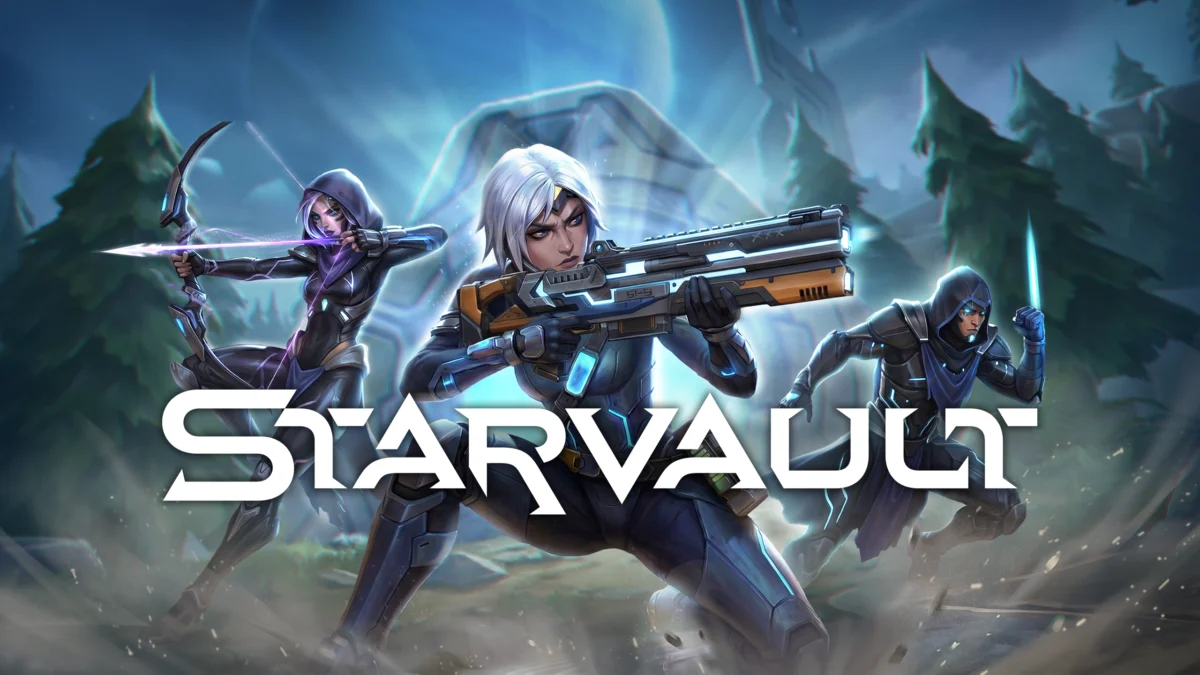
In the crowded landscape of virtual reality shooters, where "the next big thing" often fades into obscurity within weeks of launch, STARVAULT has achieved the unthinkable: it has not only survived its transition from Meta Quest to SteamVR, but it has thrived. Developed and published by Theia Games, STARVAULT brands itself as VR’s first true first-person MOBA (Multiplayer Online Battle Arena). While the genre is a staple of traditional desktop gaming, the attempt to marry the high-speed, high-stakes complexity of a MOBA with the immersive, physical nature of VR was a gamble.
After spending over thirty hours in the Steam version within just two weeks of its release, it is clear that this gamble has paid off. For a player who historically keeps their distance from the MOBA genre, STARVAULT is a masterclass in design, proving that virtual reality can host deep, strategic, and endlessly replayable competitive experiences.
The Facts: At a Glance
For those looking to dive into the action, here is the essential information regarding STARVAULT:
- Genre: Strategic First-Person MOBA / Hero Shooter
- Developer/Publisher: Theia Games
- Platforms: Meta Quest, SteamVR
- Release Date: November 27, 2025 (Quest); June 25, 2026 (Steam)
- Monetization: Free-to-play, with optional cosmetic and progression-accelerating purchases.
- Core Loop: Lane-based base destruction featuring NPC "Creeps," Jungle objectives, and pilotable Titan mechs.
Chronology: A Trajectory of Growth
The evolution of STARVAULT is a study in iterative development. When the game first entered early access, it arrived as a polished, albeit modest, project. It was a well-crafted curiosity that caught the eye of early adopters but lacked the "hook" necessary to retain players for the long haul.
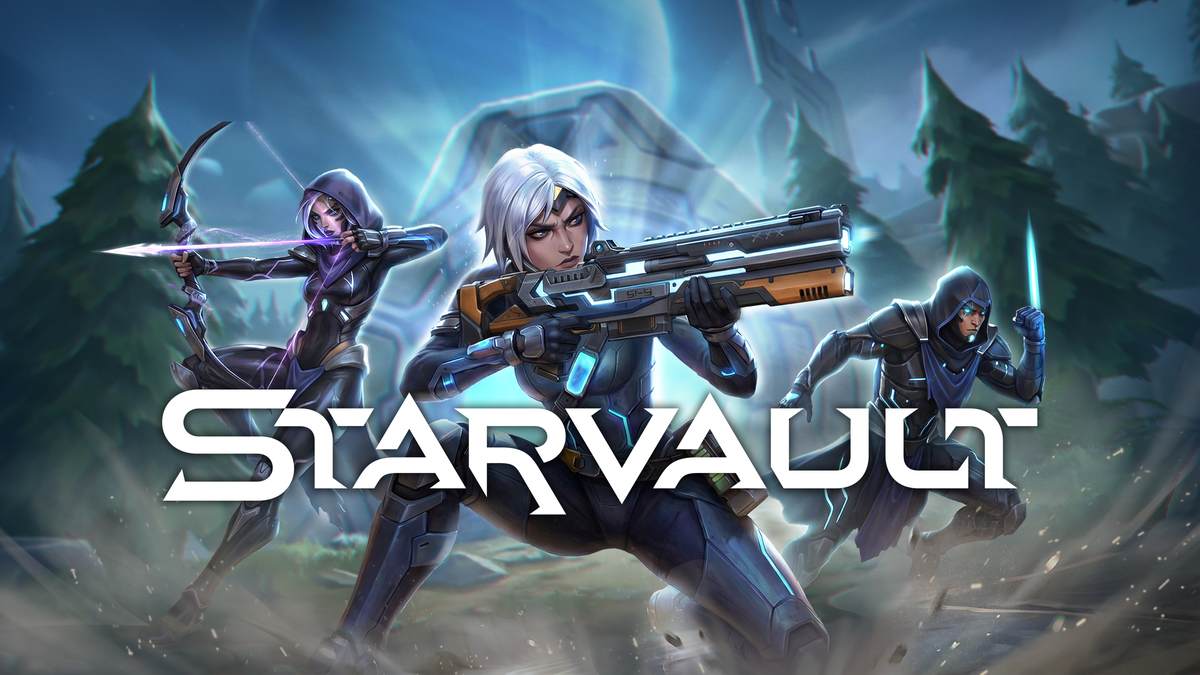
However, Theia Games utilized the time between its initial November 2025 Quest launch and the mid-2026 Steam release to refine its systems. The developers focused heavily on onboarding—creating a robust hub world where players can test heroes in a safe environment—and deepening the meta-game. By the time the Steam version arrived in late June 2026, the game had transformed from a technical proof-of-concept into a fully-fledged competitive ecosystem. The jump from the standalone mobile chipset of the Quest to the high-fidelity environment of PCVR has served to highlight the game’s strong art direction, which remains consistent and readable across all platforms.
The Mechanics of Strategy: "Zero to Hero"
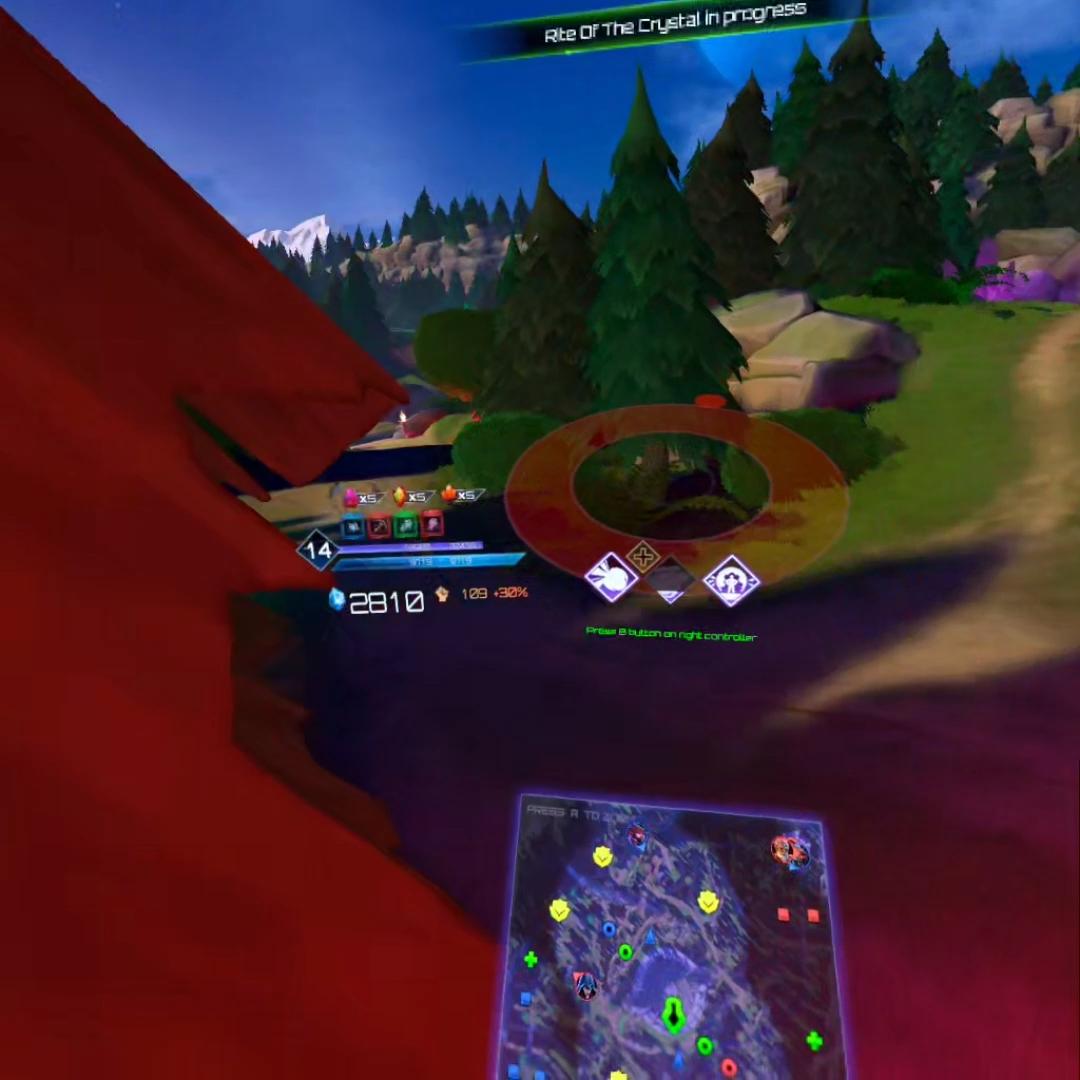
At its core, STARVAULT follows the traditional MOBA objective: destroy the enemy base. Yet, the brilliance of the game lies in the granular decisions required every sixty seconds. Players must manage lane pressure provided by NPC "Creeps," contest powerful "Jungle Creeps" for team-wide buffs, and coordinate movements around timed objectives.
The inclusion of the Titan—a massive, pilotable stone automaton—adds a layer of "comeback potential" that keeps matches tense until the final moments. When a team successfully secures the Titan, the dynamic of the match shifts instantly from tactical skirmishing to a desperate, high-stakes assault or defense. This constant oscillation between farming, objective control, and team fighting requires a level of communication and map awareness rarely seen in VR shooters. The game rewards not just mechanical aim, but macro-level decision-making: knowing when to rotate, when to abandon a lost fight, and when to commit resources to a lane push.
A Roster of Unrivaled Diversity
Theia Games has achieved a remarkable feat in character design. Currently boasting fifteen playable heroes, the roster avoids the "sameness" that plagues many hero-based shooters. Because the game is built in VR, the movement mechanics of each character are fundamentally different.
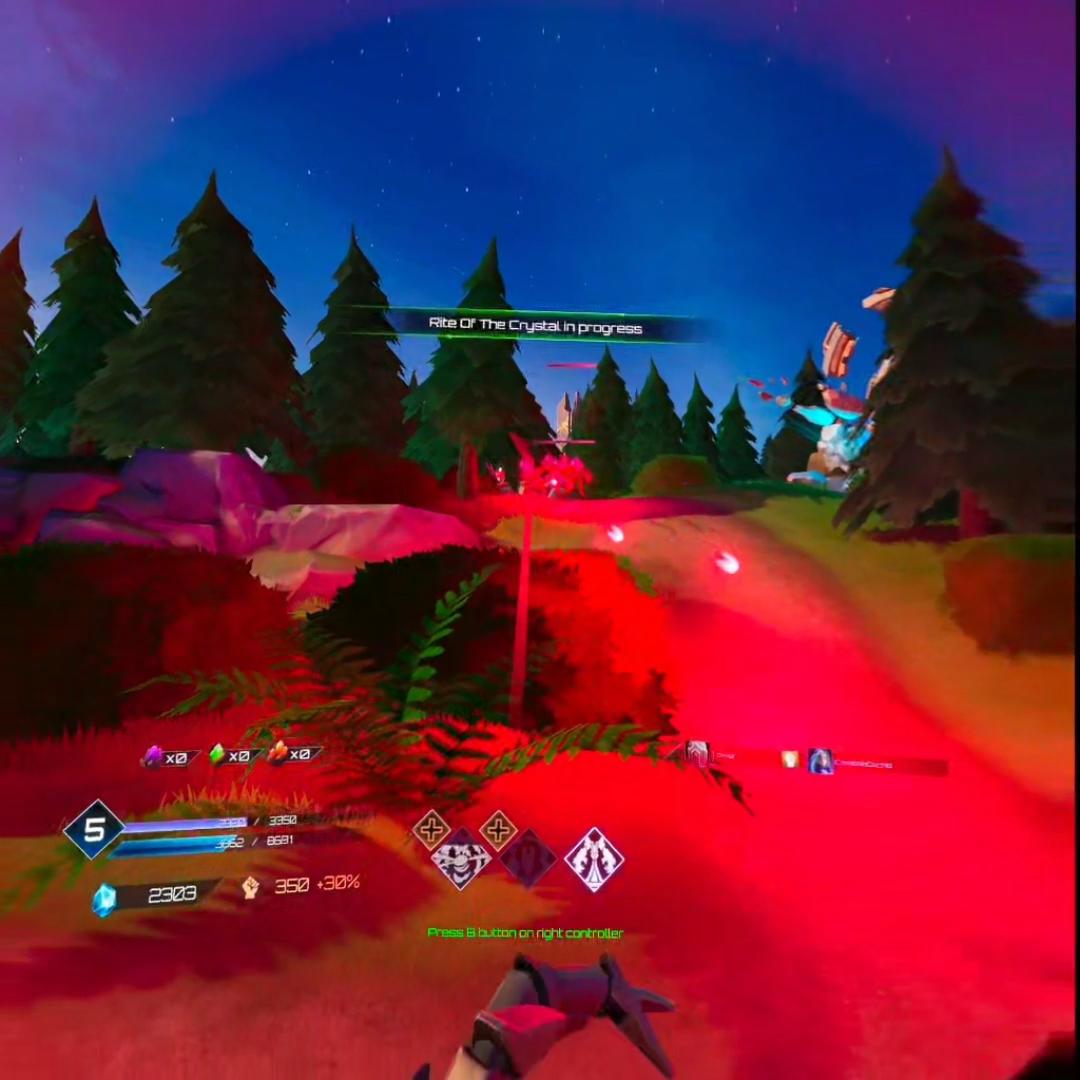
We see this variety manifest in extreme ways:
- Mechanical Depth: Some heroes utilize traditional stick-based locomotion, while others employ arm-swing mechanics reminiscent of Gorilla Tag, allowing for fluid, athletic traversal.
- Role Variability: While the game categorizes heroes into tanks, supports, and damage dealers, these labels feel secondary to the unique utility each hero brings. A drone-based character might dominate the vertical space, while a blade-wielding assassin uses high-mobility maneuvers to disrupt backlines.
- Viability: Perhaps the most impressive achievement is the balance. Despite the vast differences in playstyle, every hero feels viable. There is no clear "meta" that renders other choices obsolete, and the learning curve is mitigated by the ability to test every hero in the practice hub before purchase.
Supporting Data: Progression and Retention
One of the most common pitfalls for free-to-play titles is the implementation of "pay-to-win" mechanics. STARVAULT avoids this entirely. While players can choose to accelerate their progression through microtransactions, every hero and upgrade can be earned through gameplay. This creates a fair playing field that respects the player’s time while providing a clear sense of progression.
The community health is another vital indicator of the game’s success. Even during non-peak hours, matchmaking is remarkably snappy. The game’s ability to integrate bots into matches where player count might be thin ensures that games never feel empty. Furthermore, the matchmaking system excels at pairing players of similar skill levels, which is essential for a game with such a steep tactical ceiling. The emergence of a competitive tournament scene, complete with cash prizes, signals that the developers have successfully fostered a "long-tail" interest in the game.
Official Responses and Developer Intent
In various developer logs leading up to the Steam release, Theia Games emphasized that their primary goal was to create a "socially active" competitive space. By prioritizing spatial audio—which allows players to pinpoint enemies through sound—and designing the maps with significant verticality, they have clearly prioritized the unique strengths of VR.
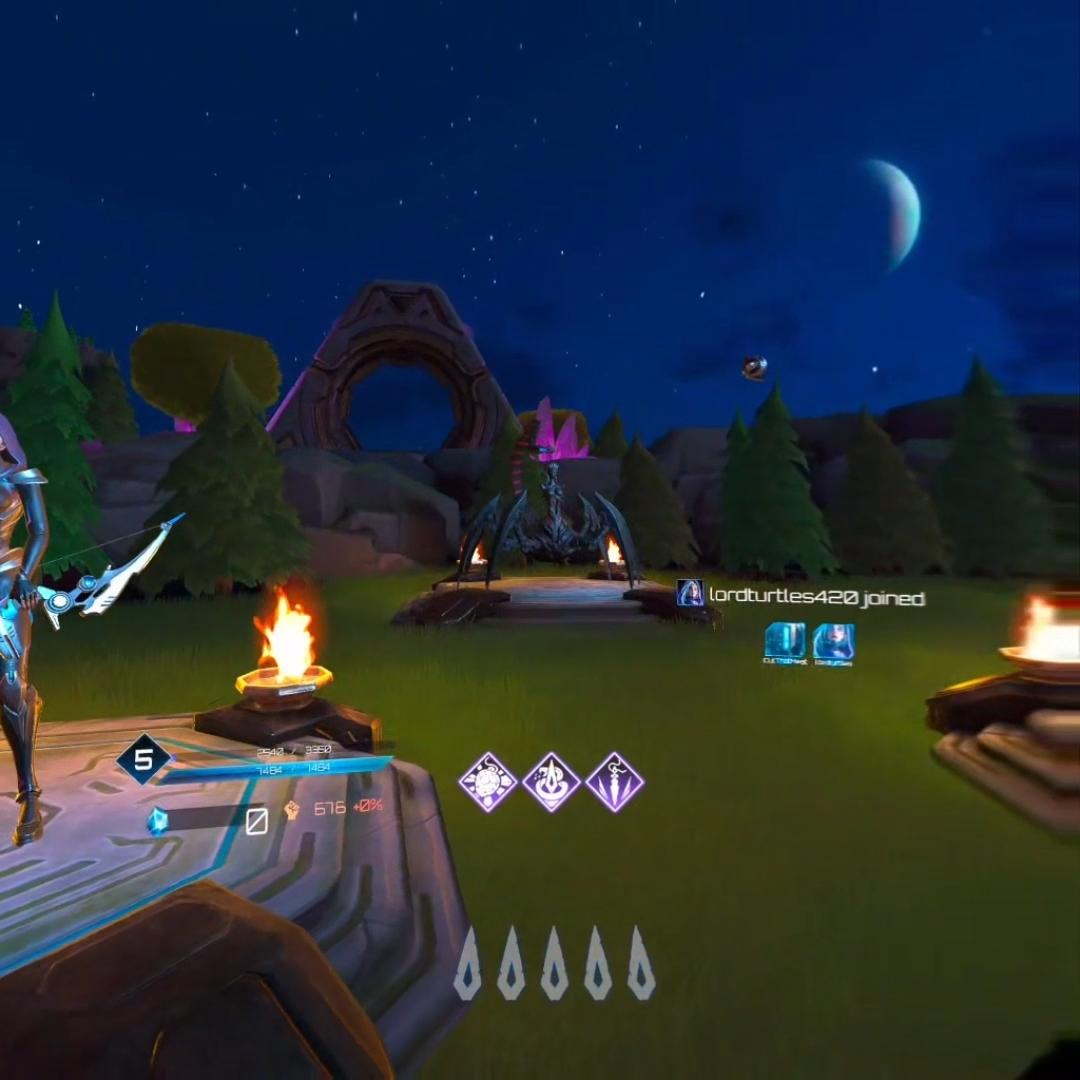
Theia Games has also been responsive to player feedback regarding the "grind." The inclusion of the practice hub and the ability to test heroes for free directly addressed early criticism that the game’s complexity was inaccessible to newcomers. The developers have signaled a commitment to long-term support, with the promise of future content drops and seasonal balance patches, ensuring that the current roster of fifteen is only the beginning.
Implications: The Future of VR Esports
The success of STARVAULT has profound implications for the VR gaming industry. First, it proves that the "MOBA" genre is not only viable in VR but perhaps improved by the added immersion. The physical act of aiming, ducking, and navigating a 3D space adds a layer of tension that a mouse and keyboard simply cannot replicate.
However, the game also highlights the inherent challenges of the platform. As noted in the critique of match length, VR is an intensely physical medium. Spending forty minutes in a high-intensity, sweaty, standing-room-only VR session is a tall order for the average player. The potential for player fatigue is real. If the genre is to evolve, developers like Theia Games will need to consider "shorter form" modes—perhaps a 15-to-20-minute variant of the map—to accommodate the reality of VR gaming sessions.
Final Thoughts: A New Standard
STARVAULT is a rare example of a title that exceeds the sum of its parts. It is a game that forces you to think, move, and coordinate in ways that feel genuinely fresh. While it demands a time commitment that might scare off the casual enthusiast, the reward is one of the most satisfying competitive experiences available on a VR headset today.
For those who have been waiting for a reason to jump back into their Quest or boot up their SteamVR library, STARVAULT is not just a recommendation; it is an essential experience. It is a testament to the fact that with enough polish, strategic depth, and a commitment to player-first design, virtual reality can host the next generation of competitive esports. The only danger? You might find yourself thirty hours in before you realize you’ve barely scratched the surface.

