

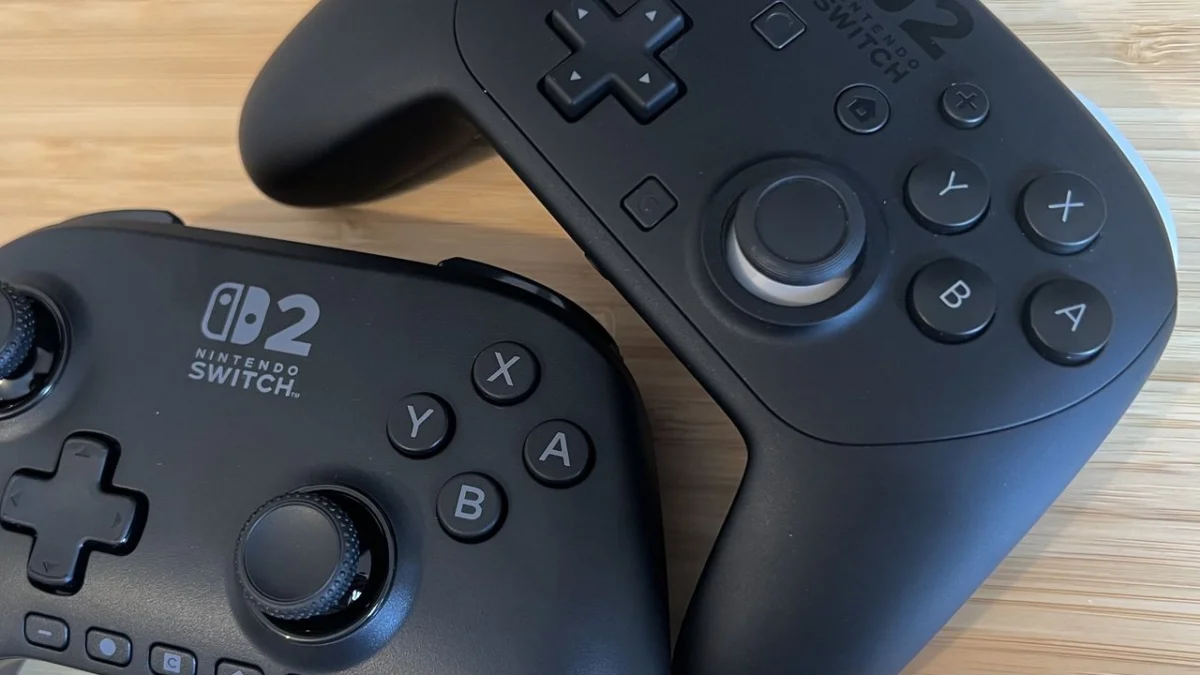
For a full year, the Nintendo Switch 2 Pro Controller has stood as the gold standard for enthusiasts—a sleek, ergonomic masterpiece of gaming hardware. Yet, it has also remained a symbol of Nintendo’s famously rigid pricing strategy. With an MSRP hovering stubbornly at $89, the official gamepad is a premium investment that many casual players simply cannot justify.
However, as we head into the peak of early Prime Day sales, the market has finally offered a reprieve. The PowerA Advantage Wired Controller, a budget-friendly alternative, has seen a drastic price reduction, dropping to just $17.99 from its usual $39.99 retail price. This shift raises a critical question for the gaming community: when it comes to the high-stakes world of Nintendo hardware, is the "official" experience always worth the nearly 400% price premium, or is it time to embrace the value-driven alternatives?
The Anatomy of the Market: A Chronology of Pricing
To understand why the PowerA deal is turning heads, one must look at the historical trajectory of Nintendo’s peripheral pricing. When the original Nintendo Switch launched, its Pro Controller remained at a high price point for years, rarely seeing meaningful discounts. Nintendo’s hardware philosophy has always prioritized brand integrity and perceived value over aggressive market-share pricing.
When the Switch 2 Pro Controller hit the market last year, it followed this same blueprint. Early adopters were expected to pay the "Nintendo Tax"—a premium for the assurance of perfect haptic feedback, flawless wireless connectivity, and the official aesthetic. For twelve months, that $89 barrier has remained largely impenetrable.
In contrast, third-party manufacturers like PowerA, 8Bitdo, and GameSir have spent the last year refining their own designs to capture the demographic that feels alienated by Nintendo’s pricing. The current $17.99 price point for the PowerA Advantage is not just a standard sale; it is a tactical play to capture market share during the most competitive retail window of the year.
Supporting Data: The Value Proposition
When comparing the $89 official Pro Controller to the $17.99 PowerA Advantage, the numbers reveal a fascinating disparity in the "feature-to-dollar" ratio.
The Performance Divide
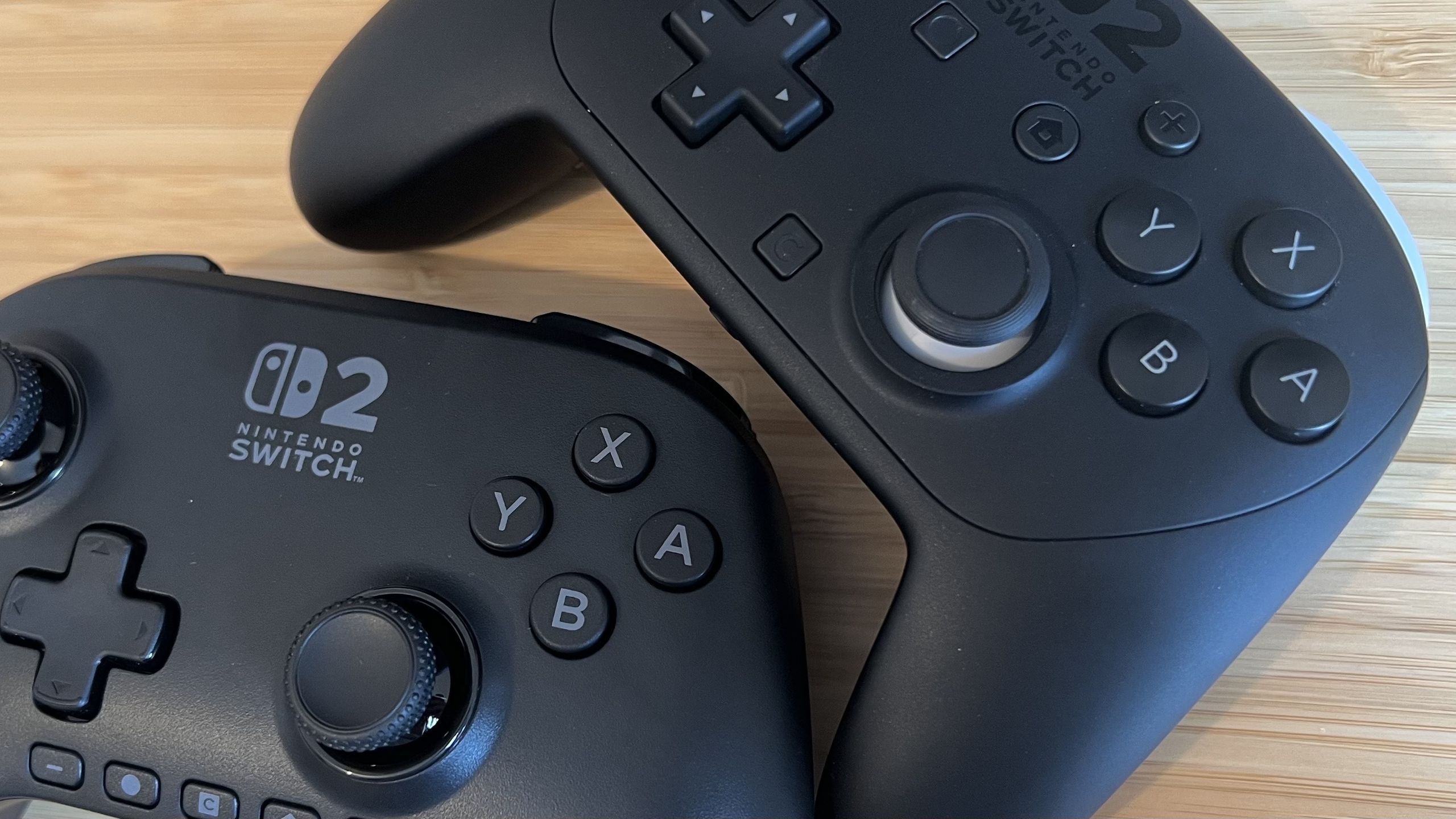
Testing both devices side-by-side reveals where the money actually goes. The official Switch 2 Pro Controller is a study in industrial design. Its weight is balanced, its plastics feel premium to the touch, and the tactile feedback of the thumbsticks provides that signature "soft-landing" snap that competitive players demand.
The PowerA Advantage, conversely, is lighter and possesses a more hollow chassis. The buttons, while responsive, lack the sophisticated dampening of the Pro model, resulting in a more audible "click" that some users may find distracting. Furthermore, the placement of navigation buttons at the bottom of the controller is a deviation from the industry standard, requiring a slight adjustment in muscle memory.
The "Cost vs. Utility" Analysis
If we quantify the experience, a user paying the full $89 for the official controller is paying for:
- Wireless Freedom: Bluetooth connectivity that remains rock-solid during long sessions.
- Build Quality: High-grade polymers and refined internal components.
- Integrated Tech: Advanced motion sensors and HD rumble that sync perfectly with proprietary software.
Conversely, the PowerA Advantage offers approximately 60% of the functionality of the official controller for roughly 20% of the price. For the average player—specifically those playing docked at home who do not require complex wireless setups—this represents an efficiency gain that is difficult to ignore.
Official Responses and Industry Context
Nintendo has historically maintained a "no comment" stance on third-party controller pricing, preferring to let the quality of their proprietary hardware dictate the conversation. However, the surge in high-quality third-party options has forced a shift in the broader peripheral market.
Industry analysts suggest that the rise of "Pro-tier" budget controllers—such as those produced by PowerA—has created a "middle-ground" category. These controllers offer mappable back buttons and ergonomic grips that even some official controllers lack, effectively challenging the notion that "official" always equates to "superior." While Nintendo’s engineers focus on the core experience, third-party manufacturers are focusing on the "extra" features that players are increasingly demanding: customizable button layouts, textured grips, and aesthetic flair.
The Practical Implications for Players
What does this mean for the person holding a Switch 2? The answer depends entirely on the player’s relationship with the hardware.
The Case for the Pro Controller
If you are a competitive player, a fan of titles that rely heavily on precise motion controls, or someone who values the tactile longevity of premium thumbsticks, the $89 price tag is an investment in durability. Official controllers are designed to withstand hundreds of hours of drift-free play, and the software integration remains, as always, seamless. When the console updates, the official controller updates; when new, experimental games utilize unique haptics, the Pro Controller is the first to be fully compatible.
The Case for the Budget Alternative
For the vast majority of players, however, the PowerA Advantage—and similar alternatives—is a rational choice. The "cramp factor" caused by the Joy-Cons is a universal complaint among Switch 2 owners. By purchasing a budget controller, you are effectively solving the console’s primary ergonomic hurdle for the price of a takeout meal.
The current deal highlights a shift in consumer behavior. Players are becoming increasingly comfortable with the "disposable-premium" model: buying a $18 controller that performs well enough for casual play, with the understanding that it can be replaced easily if wear and tear occur, rather than committing to a single, high-cost device that acts as a "lifetime" investment.
Conclusion: Weighing the Options
The debate between the PowerA Advantage and the Switch 2 Pro Controller is not merely a question of money; it is a question of intent.
If you view your controller as an extension of your gaming precision, the official Pro Controller remains the gold standard. It is the refined, high-end experience that Nintendo promises. But if you view your controller as a tool to facilitate comfort and social play, the current market landscape is heavily tilted in favor of the budget buyer.
By dropping 79% of the cost while retaining a functional, ergonomic device, the savvy consumer is essentially winning the math game. While you lose the polish and the wireless convenience of the official hardware, you gain the ability to outfit an entire living room for local multiplayer for the cost of a single first-party controller.
As the industry moves forward, these deals are likely to become more frequent. The "Pro" title is no longer a monopoly held by console manufacturers. With options like the PowerA Advantage, the barrier to entry for comfortable, traditional gaming has never been lower. Whether this prompts a change in how Nintendo prices its own hardware remains to be seen, but for now, the player has the power—and the discount—to choose their own path.

