

Main Facts:
The highly anticipated Amazon Prime Day, slated to run from June 23rd to June 26th, 2026, is poised to ignite a fierce competition in the 3D printing market, offering consumers unparalleled opportunities to acquire cutting-edge additive manufacturing technology at significantly reduced prices. While Amazon serves as a central hub for these deals, a broader trend sees leading manufacturers like Bambu Lab, Creality, Elegoo, and Anycubic hosting their own aggressive sales directly on their websites, often sweetened with incentives such as free shipping and attractive filament bundles. This confluence of promotional events extends beyond just printers, encompassing substantial discounts on essential consumables like filament and resin, as well as a wide array of accessories. Notably, these concurrent sales celebrations include Bambu Lab’s 4th-anniversary festivities, Creality’s Father’s Day promotions extending through June, and Elegoo’s ongoing discounts on its already budget-friendly lineup, collectively creating a buyer’s market ripe for both seasoned enthusiasts and curious newcomers alike. The current landscape promises to make advanced 3D printing more accessible than ever before, fostering innovation and creativity across a diverse user base.
Chronology and Market Context:
The journey of 3D printing from an industrial prototyping tool to a mainstream consumer technology has been marked by rapid innovation and a steady decline in cost. For years, the barrier to entry for hobbyists and small businesses was substantial, with high price points and complex operational requirements limiting adoption. However, a significant shift began around the mid-2010s, accelerating into the early 2020s, as Chinese manufacturers, in particular, disrupted the market with open-source designs and mass production capabilities. This led to a dramatic reduction in printer costs and an explosion of features previously reserved for high-end machines.
By 2026, the market has matured to a point where features like multi-color printing, auto-leveling, quick-swap nozzles, and integrated ecosystems are no longer premium add-ons but expected standards even in entry-level and mid-range devices. Sales events like Amazon Prime Day have become critical inflection points, not just for clearing inventory, but for driving wider adoption and setting new benchmarks for affordability and performance. Manufacturers actively strategize around these periods, leveraging them to introduce new models, offer compelling bundles, and engage directly with a global customer base. The current period represents a culmination of these trends, where technological advancements, competitive pressures, and strategic retail events align to democratize access to sophisticated 3D printing capabilities. The fierce competition ensures that consumers are the ultimate beneficiaries, gaining access to powerful tools that were once unimaginable at these price points. This ongoing evolution is not merely about cheaper gadgets; it’s about empowering individuals and small enterprises to transform digital designs into tangible realities, fostering a new wave of makers and innovators.
Supporting Data: In-Depth Look at Featured 3D Printers
The 2026 Prime Day event, coupled with direct manufacturer sales, presents an array of compelling 3D printer deals. Here’s a closer examination of some of the standout offerings:
Anycubic Kobra X: Speed and Versatility for Discerning Makers
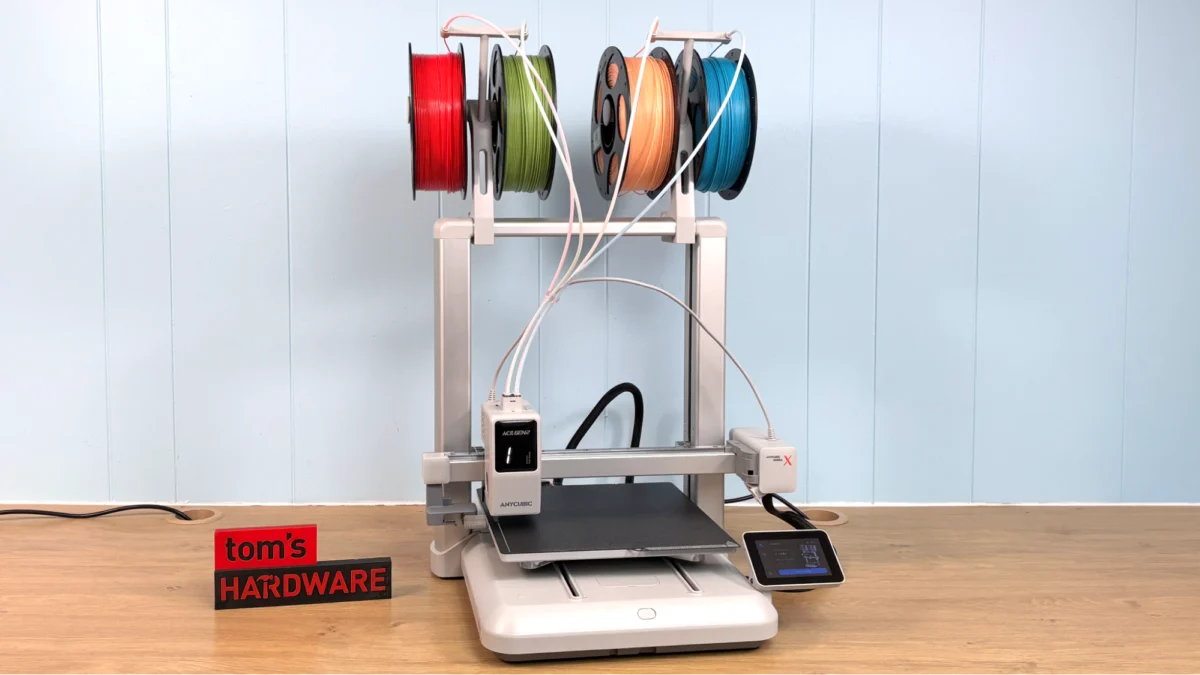
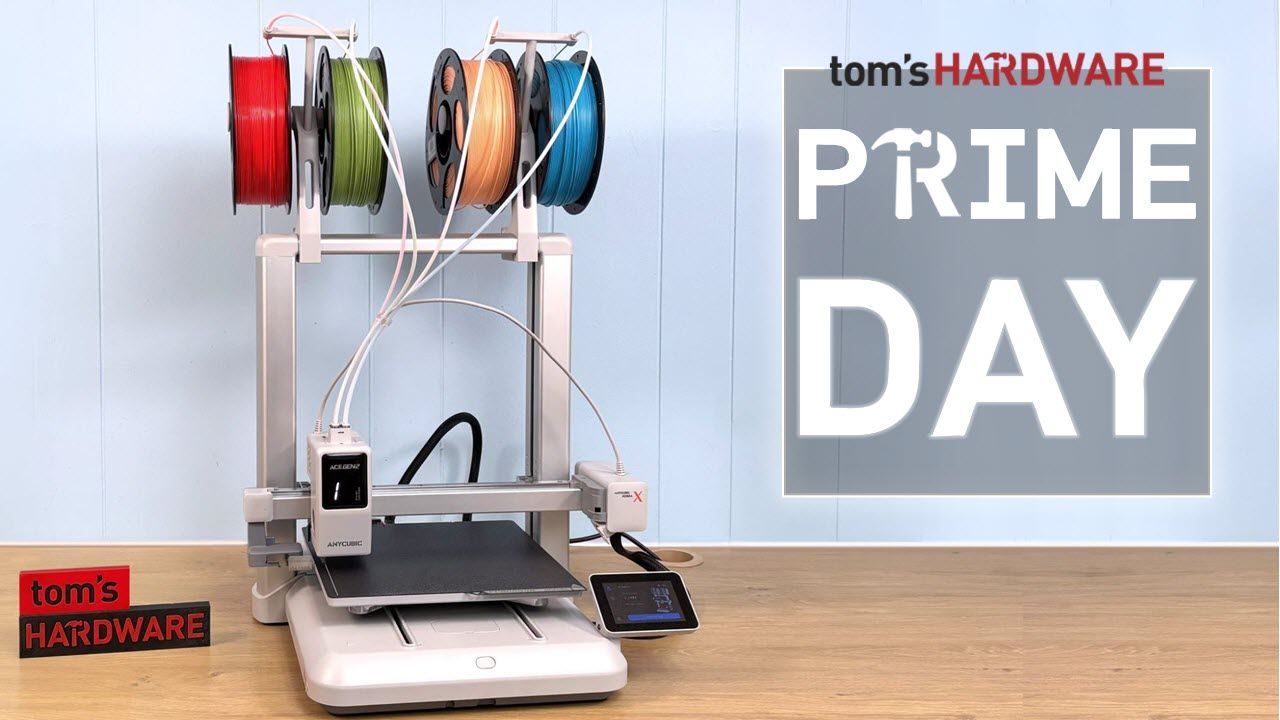
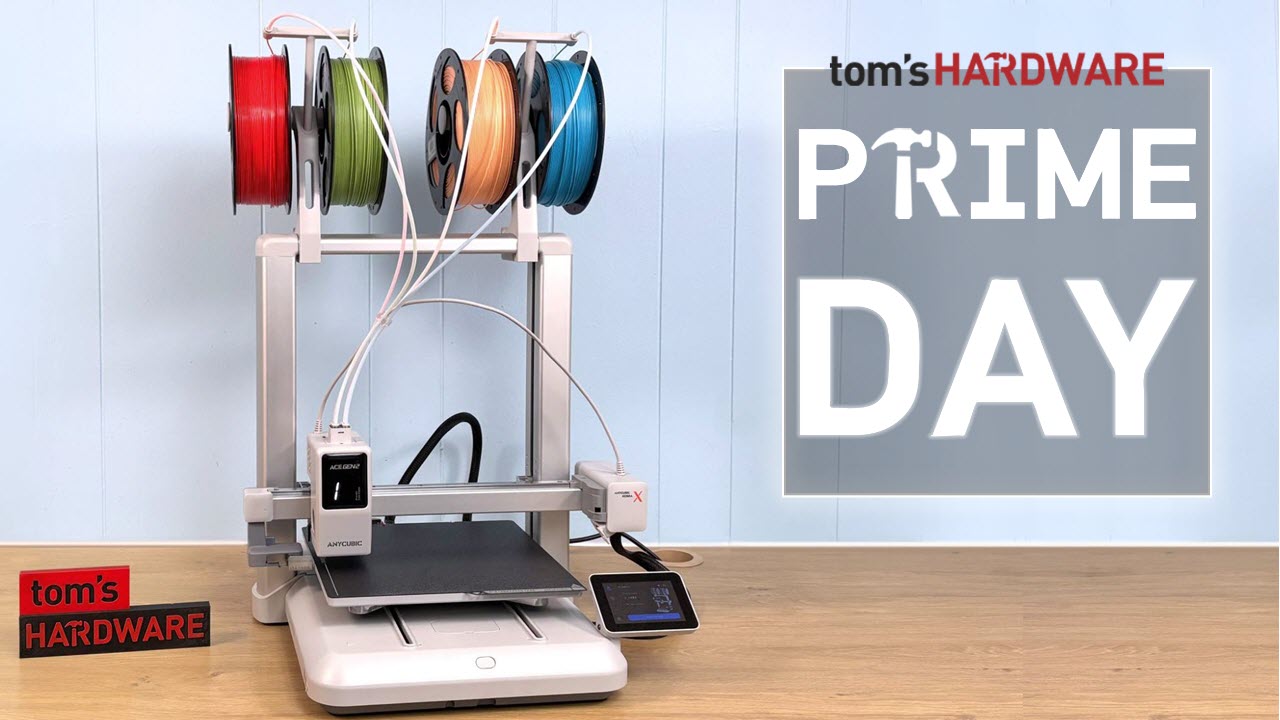
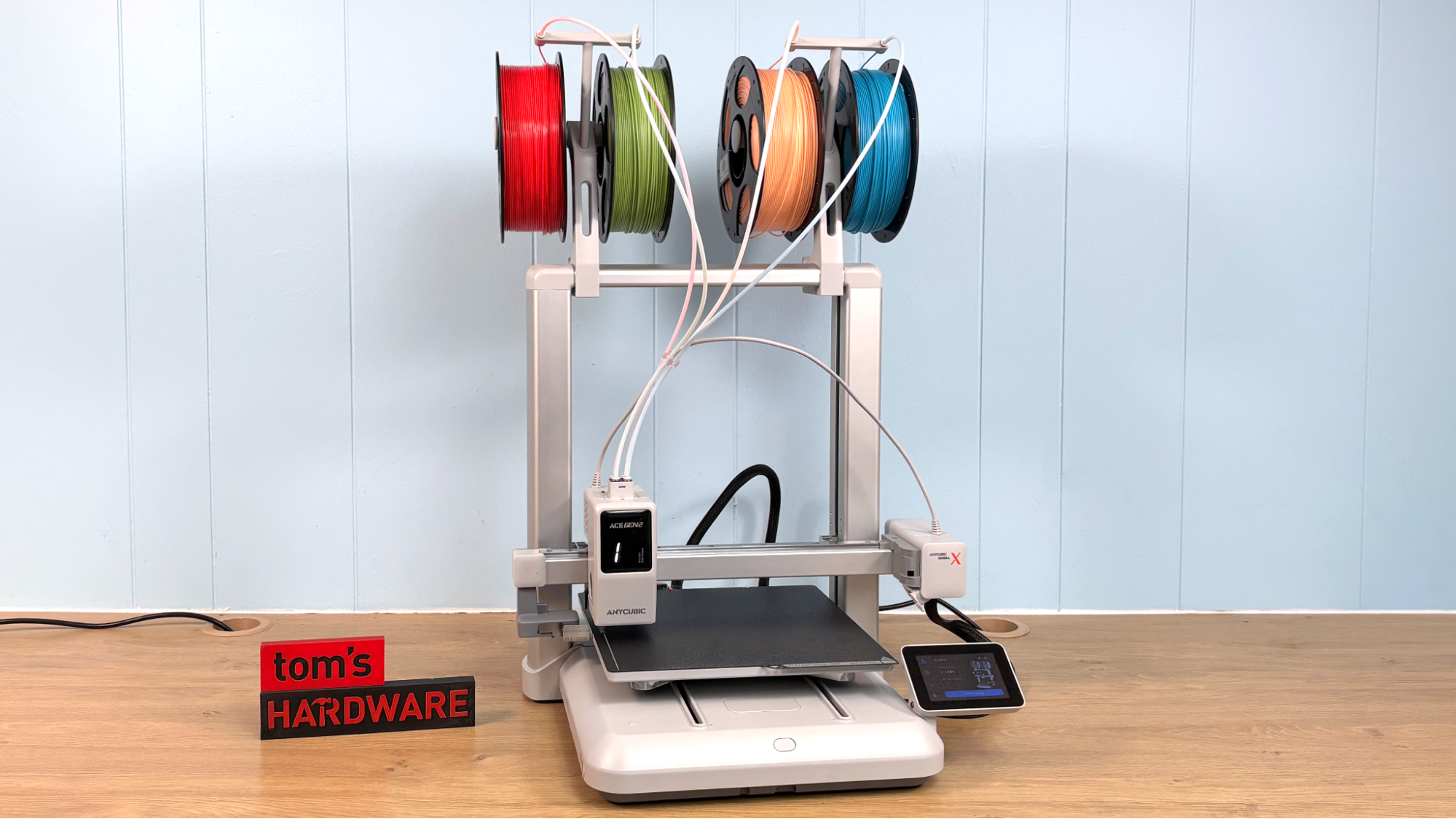
The Anycubic Kobra X stands out as a highly recommended option for those seeking both affordability and advanced features. Priced at an attractive $299.99 for Prime members on Amazon, this machine encapsulates smart design with robust performance. Its space-saving architecture is immediately noticeable, featuring top-mounted spools that minimize its footprint, a crucial advantage for users with limited workspace. A key innovation is its compact multimaterial handler, ingeniously integrated directly into the tool head. This design choice is not merely aesthetic; it confers a significant speed advantage. During extensive testing, the Kobra X demonstrated the ability to swap colors in approximately 35 seconds from filament cut to purge – a remarkable feat when compared to competitors like the Bambu A1, which can take up to 90 seconds for a similar operation. Over hundreds of layers in a multi-color print, these saved seconds accumulate, drastically reducing overall print times.
Beyond speed, the Kobra X boasts a quick-swap nozzle system, simplifying maintenance and material changes, thereby enhancing user convenience. Its roomy 260 x 260 mm build plate provides ample space for a wide range of projects, from intricate models to larger functional prototypes. Perhaps its most unique selling point is its capability to mix standard TPU (thermoplastic polyurethane) and PLA (polylactic acid) within a single print. This is largely due to its minimal filament retraction distance, a direct benefit of the integrated multimaterial handler. This flexibility opens up a world of possibilities for creating prints with both rigid and flexible components, pushing the boundaries of what affordable FDM (Fused Deposition Modeling) printers can achieve. The Kobra X is ideal for hobbyists who dabble in diverse projects and even small businesses looking for an efficient, versatile machine without a prohibitive upfront cost.
Bambu Lab A1 and A1 Mini: The Ecosystem Advantage for All Ages
Bambu Lab, a formidable player known for its innovative approach, strategically focuses its Amazon offerings on its most popular and beginner-friendly machines: the A1, A1 Mini, and P1S.
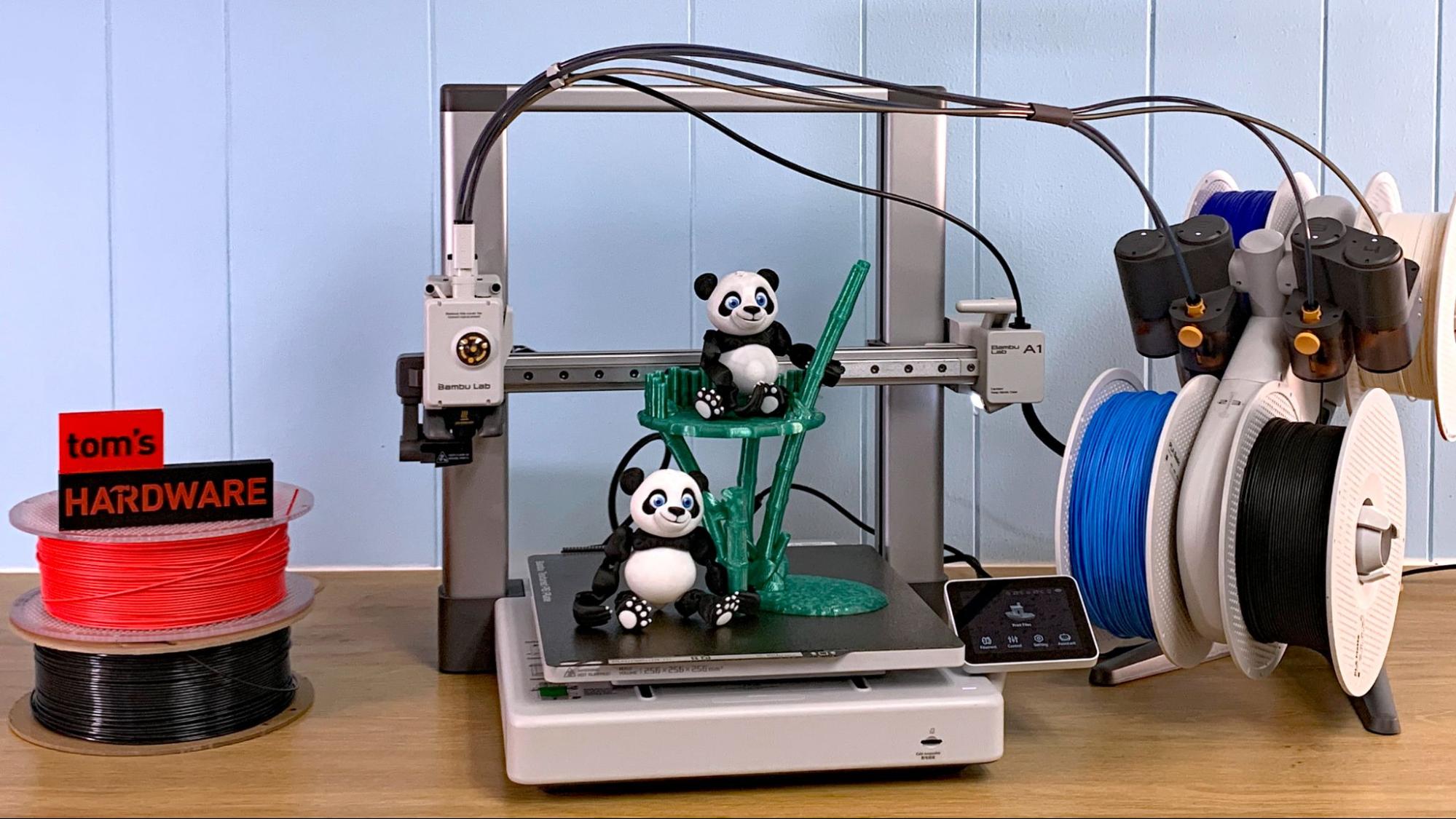
The Bambu Lab A1 Mini emerges as an exceptional recommendation, particularly for younger enthusiasts or those just embarking on their 3D printing journey. Its compact size makes it perfect for a bedroom or small workshop, while its inherent ease of use significantly lowers the learning curve. Priced at $349 with a four-color AMS (Automatic Material System) Lite bundle or an even more accessible $234 for a single-color configuration on Amazon, it represents outstanding value. What truly sets the A1 Mini apart is its seamless integration into Bambu Lab’s comprehensive ecosystem, which includes intuitive software, a robust online community, and reliable support. This ecosystem provides a nurturing environment where users can gradually develop their skills, making the A1 Mini a machine that truly grows with its operator. Its user-friendly interface and robust safety features make it an attractive option for educational settings and families.
For those seeking a full-sized machine without compromising on beginner-friendliness, the Bambu Lab A1 is a compelling choice. Featuring a standard 256x256mm build plate, it offers a larger printing volume while retaining the A1 Mini’s acclaimed print quality, speed, and straightforward interface. The A1 has become so influential that it’s now one of the most frequently cloned 3D printers on the market, a testament to its successful design and performance. While Amazon currently lists the A1 Combo at $394, savvy shoppers can find an even better deal on Bambu Lab’s official website, where it’s available for $379 with a customizable filament bundle, offering spools at a generous 45% discount. This direct-from-manufacturer offer underscores the competitive pricing strategies in play. The Bambu Lab ecosystem, while sometimes perceived as a "walled garden" due to its proprietary nature, offers unparalleled ease of use, making it a "cozy place" for beginners to learn and excel without being overwhelmed by complexities. The integrated software and material handling system simplify multi-color printing and material management, ensuring a smooth user experience.
Bambu Lab P1S: The Enclosed Workhorse for Advanced Materials
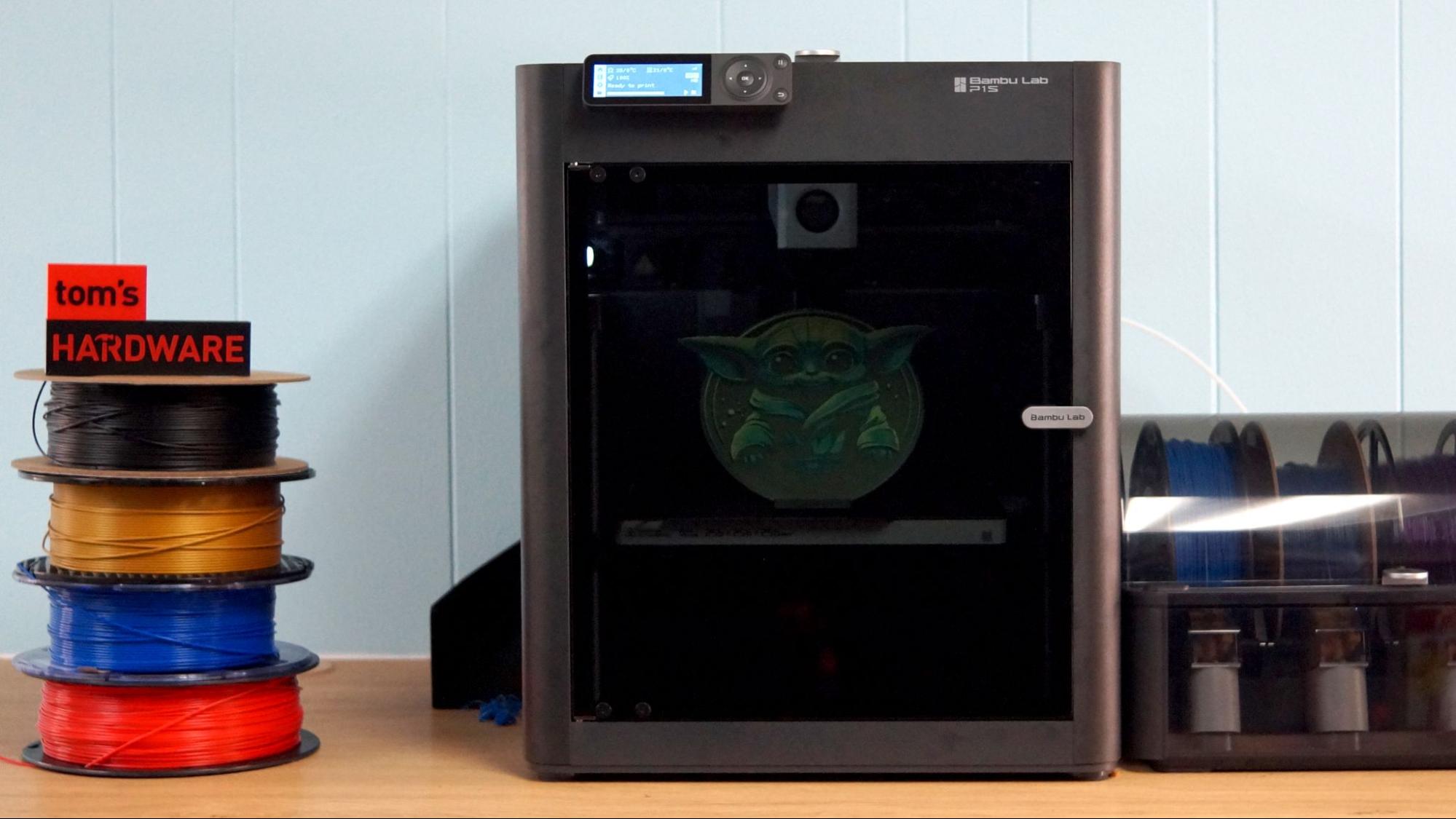
The Bambu Lab P1S, launched in 2023, quickly established itself as a "fan favorite workhorse" among 3D printing enthusiasts. Available on Amazon for $499 as a four-color combo unit including the original AMS, the P1S is Bambu Lab’s "bargain, no-frills, fully enclosed" 3D printer. Its enclosed design is a significant advantage, particularly for printing with more advanced and temperature-sensitive filaments like ABS, ASA, and Nylon, which benefit from a stable, controlled build environment. The P1S delivers the exceptional print quality and speed that users have come to expect from Bambu Lab machines, making it a reliable choice for consistent, high-volume production or intricate projects.
However, the P1S does retain a few "old-school quirks" that differentiate it from its more refined siblings. Swapping the nozzle, for instance, requires a minor surgical procedure involving a screwdriver, thermal paste, and a steady hand, which can be a deterrent for less experienced users. Additionally, its "dumb screen" interface on the printer itself is quite basic, offering limited functionality. Fortunately, this can be easily circumvented by utilizing the highly functional Bambu Handy mobile app or by operating the printer directly from a PC, which many users prefer for more granular control and a richer interface. Despite these minor inconveniences, the P1S remains a compelling option for those who prioritize print quality, speed, and the ability to work with a wider range of materials, all within a budget-friendly enclosed system. It appeals to intermediate users ready to tackle more demanding prints and those who appreciate a robust, reliable machine for continuous operation.
Elegoo Centauri Carbon: The Value Leader in Enclosed Single-Color Printing
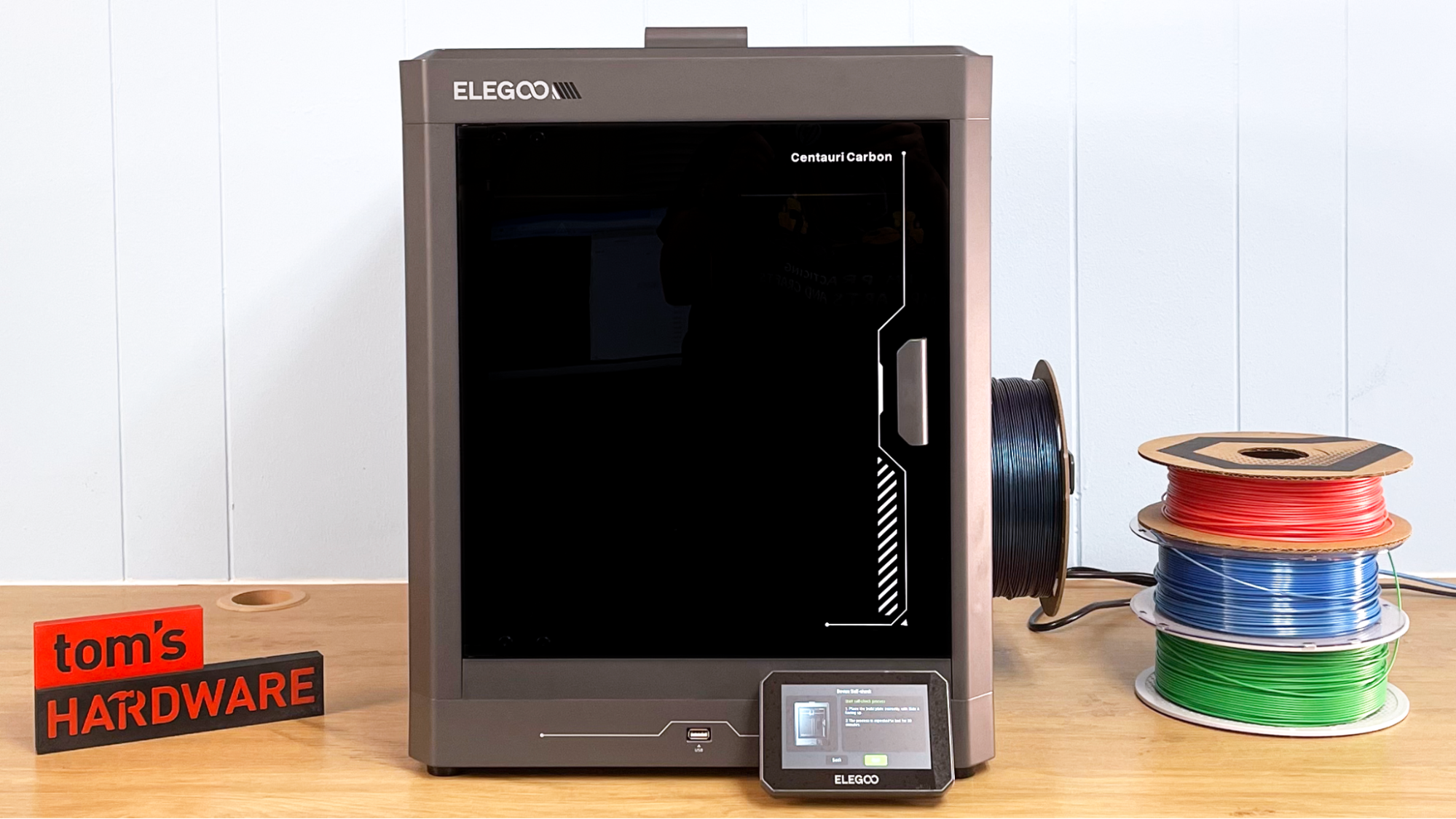
Elegoo continues to solidify its reputation as a value leader with the Centauri Carbon, a single-color, fully enclosed 3D printer that maintains an attractive $299.98 price tag on Amazon. While it can also be purchased directly from the Elegoo website, buyers should factor in additional shipping costs. The Centauri Carbon is a bare-bones yet highly effective enclosed printer, capable of handling a diverse array of filaments with commendable results. From common PLA and PETG to more demanding ASA and flexible TPU, it performs well without necessitating a heated chamber, a feature often found in higher-priced enclosed models. Its standard 256 x 256mm build plate ensures compatibility with a vast ecosystem of third-party build plate upgrades, offering users flexibility in customization.
One notable drawback, however, is the printer’s dim internal light, which, when combined with a smoked glass door, makes monitoring prints difficult. This minor design flaw can be inconvenient for users who like to visually track their printing progress. Elegoo has recently introduced a $55 four-color CANVAS upgrade kit for the Centauri Carbon, allowing existing owners to add multi-color capabilities. However, this upgrade requires a time investment of approximately 2 to 3 hours for modification. For those primarily interested in a ready-to-go four-color machine, the Centauri Carbon 2 Combo, available exclusively on the Elegoo website for $449, offers a more integrated and immediate multi-color experience. The Centauri Carbon is an excellent choice for budget-conscious users who need an enclosed printer for a variety of filaments and are comfortable with single-color printing or a moderate DIY upgrade.
Creality SparkX i7: Affordable Multi-Color with Smart Spool Management
For individuals seeking an affordable gateway into the world of multi-color 3D printing, the Creality SPARKX i7 Color Combo presents a fantastic proposition. Currently priced at $369 on Amazon, a key differentiator for this machine is its innovative CFS Lite spool manager. This "magic box" is lauded for its low-maintenance design and exceptional adaptability, effortlessly accommodating a wide variety of spool sizes and types, including quarter-sized mini spools and even spoolless filament coils. This versatility significantly reduces headaches associated with filament compatibility and storage, a common pain point for multi-color setups.
The SPARKX i7 Combo features a generous build volume of 260 x 260 x 255mm, offering more space than Creality’s older Ender 3 series without venturing into "Plus size" territory, making it suitable for a broad range of projects. A significant enhancement for new users is the Creality Cloud mobile app. This intuitive application allows users to browse and select fun models directly from their smartphone, seamlessly process them through an easy-to-use slicer, and send them wirelessly to the printer, eliminating the need for a PC in many common workflows. This streamlines the entire printing process, making it incredibly accessible for beginners. The SPARKX i7 offers a compelling package for those eager to experiment with multi-color prints and benefit from smart filament management and a user-friendly mobile ecosystem.
Flashforge AD5X and Creator 5: Core XY Efficiency and Advanced Tool Changing
Flashforge enters the competitive arena with the AD5X, a solid entry into four-color, Core XY printing on a budget. Available on Amazon for $322 as an open-frame machine, the AD5X distinguishes itself with the efficiency and speed inherent in Core XY motion systems. For users desiring an enclosed environment, Flashforge offers a DIY kit for $50, which includes acrylic panes and screws, with the remaining structural components designed to be 3D printed by the user. This innovative approach keeps costs down while offering customization. The AD5X excels with standard filaments, soft TPU, and when enclosed, demonstrates robust performance with ASA. Its simple material handler, akin to Elegoo’s Centauri Carbon 2, keeps each filament close to the toolhead, eliminating the need for lengthy retractions back to the spool and contributing to faster, more reliable color changes. This "keeping it simple" philosophy proves highly effective for consistent multi-color results.
While the AD5X focuses on accessible multi-color FDM, the more advanced Flashforge Creator 5 is notably absent from Prime Day deals on Amazon. However, it is currently on sale for $699 on Flashforge’s official website. The Creator 5 is a significant offering, featuring a tool changer mechanism that allows the printer to automatically switch between different tools, such as multiple extruders or specialized print heads, within a single print job. This capability drastically expands the printer’s versatility, enabling multi-material, multi-color, or even multi-process (e.g., printing and laser engraving) projects with unprecedented ease. Recent testing has positioned the Creator 5 as one of the "best 3D printers of the year," underscoring its advanced capabilities and value proposition, particularly for professionals and advanced hobbyists seeking sophisticated manufacturing solutions. Its presence on Flashforge’s direct channels highlights the growing trend of manufacturers curating exclusive deals and products on their own platforms, often offering better value or access to their latest innovations.
Official Responses and Industry Commentary:
The intense competition evident in these Prime Day 2026 and concurrent sales events reflects a dynamic and maturing 3D printing market. Industry analysts suggest that manufacturers are strategically using these periods to both capture market share and drive innovation. "The aggressive pricing we’re seeing, especially on multi-color and enclosed machines, indicates a clear shift," explains Dr. Anya Sharma, a lead analyst at Additive Manufacturing Insights. "Brands like Bambu Lab have successfully set a new standard for user experience and speed, forcing competitors to either innovate rapidly or offer superior value to remain relevant. Elegoo and Anycubic, by focusing on robust, affordable machines, are expanding the base of new users, while Creality continues to impress with smart features like their CFS Lite."
Manufacturers themselves emphasize the goal of making 3D printing more accessible. A spokesperson for Anycubic stated, "Our aim with the Kobra X was to deliver high-performance multi-material printing in a compact, user-friendly package that doesn’t break the bank. Prime Day allows us to reach a broader audience who might be hesitant to invest otherwise." Similarly, Bambu Lab’s 4th-anniversary celebration underscores their commitment to their growing community. "Our ecosystem is designed to make 3D printing enjoyable and productive for everyone, from beginners to advanced users," a Bambu Lab representative commented. "These sales help us bring that experience to even more homes and workshops." The prevalence of direct-to-consumer sales on manufacturer websites, often with exclusive bundles and free shipping, also points to a strategy of fostering direct relationships with customers, gathering valuable feedback, and maintaining greater control over pricing and branding.
Implications:
The implications of these aggressive pricing strategies and feature-rich offerings during Prime Day 2026 are profound for the entire 3D printing ecosystem. Firstly, the continued democratization of access to 3D printing technology will inevitably lead to an explosion of creativity and innovation. As more individuals, educators, and small businesses can afford these machines, we can expect a surge in personalized products, educational projects, and rapid prototyping. This lowers the barrier for entry into fields like product design, engineering, and art, potentially fostering a new generation of makers.
Secondly, the competitive landscape will continue to drive rapid technological advancements. Manufacturers are compelled to integrate advanced features like faster print speeds, more reliable multi-material systems, and intuitive software interfaces into increasingly affordable machines. This "race to the bottom" in terms of price, coupled with a "race to the top" in terms of features, benefits consumers immensely and pushes the boundaries of what is possible with desktop 3D printing. We might see further integration of AI for print optimization, more diverse material compatibility, and even greater automation in setup and maintenance in future models.
Finally, these sales events are solidifying the role of 3D printers as essential tools in modern homes and workshops, moving them beyond niche hobbyist items. The emphasis on user-friendliness, exemplified by machines like the Bambu Lab A1 Mini and Creality SparkX i7 with its mobile app integration, indicates a future where 3D printing is as commonplace and straightforward as traditional inkjet printing. This widespread adoption will not only fuel demand for printers but also for consumables like filament and resin, creating a robust and growing market for ancillary products. For prospective buyers, the current climate presents an unprecedented opportunity to invest in powerful, versatile 3D printing technology, empowering them to bring their digital ideas to life with ease and affordability.

