

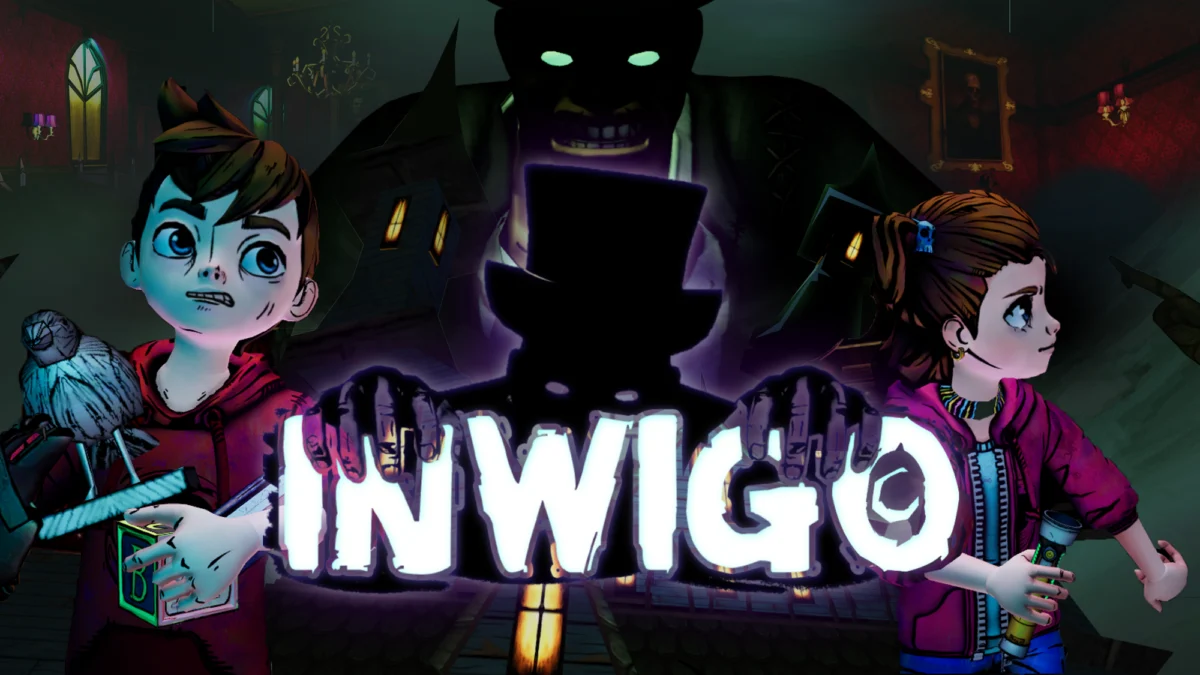
The virtual reality landscape has seen a surge in "extraction" titles, but few have dared to blend the high-stakes tension of the genre with the immersive, terrifying atmosphere of a supernatural ghost story. Today, that changes with the official release of Inwigo, a free-to-play cooperative horror experience that debuted during the highly anticipated VR Games Showcase. Now available on Meta Quest, Inwigo invites players to step into haunted mansions, test their nerves against adaptive terrors, and navigate a narrative landscape that changes every time they cross the threshold.
Main Facts: What is Inwigo?
At its core, Inwigo is a multiplayer, cooperative extraction game designed specifically for the sensory demands of virtual reality. Unlike traditional horror games that offer a static, linear experience, Inwigo leans heavily into procedural generation and emergent gameplay.
The primary objective for players is straightforward: infiltrate a haunted mansion, secure valuable artifacts and secrets, and escape before the entity guarding the premises claims them. However, the game’s "extraction" mechanics add a punishing layer of difficulty. If a team fails to reach the extraction point, all loot gathered during the run is permanently forfeited. This "high-risk, high-reward" loop is the engine that drives Inwigo’s tension, forcing players to constantly weigh the greed of grabbing one more treasure against the life-saving necessity of retreat.
Beyond the extraction mechanics, the game promises a deep, interactive ghost story. Developers have integrated a narrative system where player choices and team cohesion directly influence the unfolding events. With multiple mansions to explore, each harboring a unique supernatural threat that requires specific strategies to overcome, the game aims to provide a robust, repeatable horror experience.
The Chronology of Development: From Playtests to Launch
The road to Inwigo’s release was characterized by a transparent, community-focused development cycle. Rather than relying on closed-door testing, the development team opted for multiple open playtests. These sessions, which took place over the last few months, served as a crucial proving ground for the game’s core mechanics.
- Early Development: The initial concept phase focused on capturing the "claustrophobic" nature of VR horror. The developers identified early on that the feeling of being "watched" is more potent in VR than in any other medium.
- The Playtest Phase: During the open playtest weekends, thousands of VR enthusiasts jumped into the early builds. These tests allowed the developers to gather telemetry on player behavior, identifying which monsters felt too oppressive and which mechanics needed better "game feel."
- The VR Games Showcase: Inwigo was featured prominently in the recent VR Games Showcase, where the developers unveiled a new trailer highlighting the game’s visual fidelity and the sheer terror of its supernatural antagonists.
- The Official Launch: Following the success of the showcase, the game officially went live on the Meta Quest store today.
This iterative approach has resulted in a game that feels polished upon arrival, benefiting from the feedback of early adopters who helped refine the balance between frustration and challenge.
Supporting Data: Procedural Design and Adaptive AI
What sets Inwigo apart from its peers is its commitment to replayability. In many horror titles, the "scare" factor diminishes once a player learns the map layout. Inwigo negates this through a sophisticated procedural generation system.
The Mansion Shuffle
Every time a team enters a mansion, the environment undergoes a structural shift. Treasure locations, hidden secrets, and even the layout of the rooms are randomized. This ensures that players cannot rely on muscle memory or "speedrunning" tactics to survive. They must constantly communicate, scout, and adapt to the environment in real-time.
Adaptive Horror
Perhaps the most significant feature is the "adaptive monster" system. The supernatural threats in Inwigo are not merely following set paths. They react to the players’ actions. If a team is loud, the entity may become more aggressive; if the team is stealthy, the entity might adopt a "stalker" behavior, slowly closing in on their position. This creates a psychological layer to the gameplay: players are not just fighting the monster, they are fighting their own fear of being discovered.
Technical Performance
Running natively on the Meta Quest headset, the game maintains a stable frame rate, which is critical for preventing motion sickness in VR. The lighting engine is particularly impressive, using dynamic shadows that shift with the players’ flashlights, effectively turning every darkened corridor into a source of potential dread.
Official Responses and Developer Vision
In recent communications, the development team emphasized that Inwigo is designed as a living platform. "We didn’t just want to build a game you finish and put away," a representative stated. "We wanted to build a space where you and your friends can tell a new, terrifying story every single night."
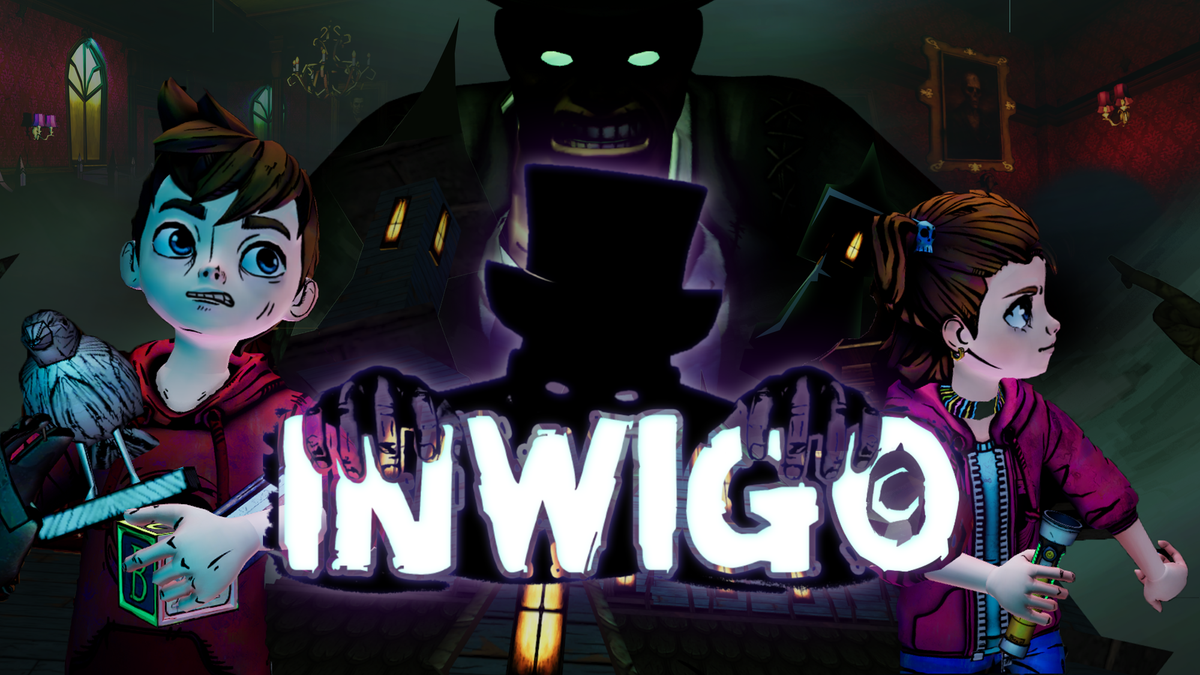
The decision to make the game free-to-play was strategic. The developers believe that in the VR space, lowering the barrier to entry is essential for building a healthy, active player base. By removing the initial purchase cost, they are encouraging players to bring their friends into the game, which is essential for a title that relies so heavily on cooperative coordination.
When asked about the future of the game, the developers hinted at a roadmap that includes new mansion environments, additional supernatural entities, and expanded customization options for player characters. This "live service" model is intended to keep the community engaged long after the initial launch buzz subsides.
Implications for the VR Extraction Genre
The release of Inwigo carries significant implications for the future of VR gaming.
The Rise of Free-to-Play VR
For years, the VR market was dominated by premium, one-time-purchase titles. The success of Inwigo as a free-to-play extraction game could signal a shift in how developers monetize VR experiences. If Inwigo can sustain its player base through cosmetic microtransactions or seasonal content, it may encourage other studios to adopt similar models, potentially leading to an influx of high-quality multiplayer experiences.
Cooperative Horror as a Pillar of VR
Horror has always been a "killer app" for virtual reality, but it has historically been a lonely experience. Inwigo is part of a growing movement to make horror communal. By forcing players to rely on one another—whether it’s holding a light, solving a puzzle, or dragging an injured teammate to the extraction point—the game fosters a level of social bonding that is rarely seen in single-player horror.
The Cross-Platform Future
While the game is currently available on Meta Quest, the announcement of a planned Steam release is a major development. The potential for cross-play between Meta Quest and PC VR users could significantly expand the player pool, ensuring that wait times for matchmaking remain low. While there is no official word on whether the Steam version will also be free-to-play, market trends suggest that a free-to-play model on Steam would be the logical choice to maximize the game’s reach across the broader PC VR ecosystem.
Conclusion: Is Inwigo Worth Your Time?
Inwigo arrives at a pivotal moment in the VR industry. It is a game that understands exactly what makes virtual reality special: the ability to immerse the player in an environment that feels dangerous, unpredictable, and deeply personal.
For fans of the extraction genre, Inwigo offers a fresh take on the formula, trading the military-sim aesthetic for something far more unsettling. For fans of horror, it offers a rare opportunity to share the fear with friends in a way that feels genuinely terrifying.
As the game evolves, the developers face the challenge of keeping the procedural generation feeling fresh and the monsters feeling threatening. However, given the strong foundation established by the open playtests and the polish on display at launch, Inwigo is poised to become a staple of the VR library.
Whether you are a veteran of extraction shooters or a newcomer looking for a reason to put on your headset, Inwigo provides a compelling, free-to-play entry point into the haunted mansions of your nightmares. It is a game of luck, skill, and nerves—and it is waiting for you to step inside. Just remember: once the door closes behind you, the only thing that matters is making it back out alive.
For those interested in joining the hunt, Inwigo is currently available for download on the Meta Quest store. Keep an eye on the official social channels for updates regarding the upcoming Steam release and future content drops.

