


With the release of Grand Theft Auto 6 still months away, the gaming world is currently gripped by a level of anticipation rarely seen in the history of interactive entertainment. Rockstar Games’ upcoming title is not just a game; it is a cultural juggernaut, a sequel to one of the most profitable media products ever created. However, where there is intense consumer demand, there is almost inevitably a swarm of bad actors looking to capitalize on that fervor.
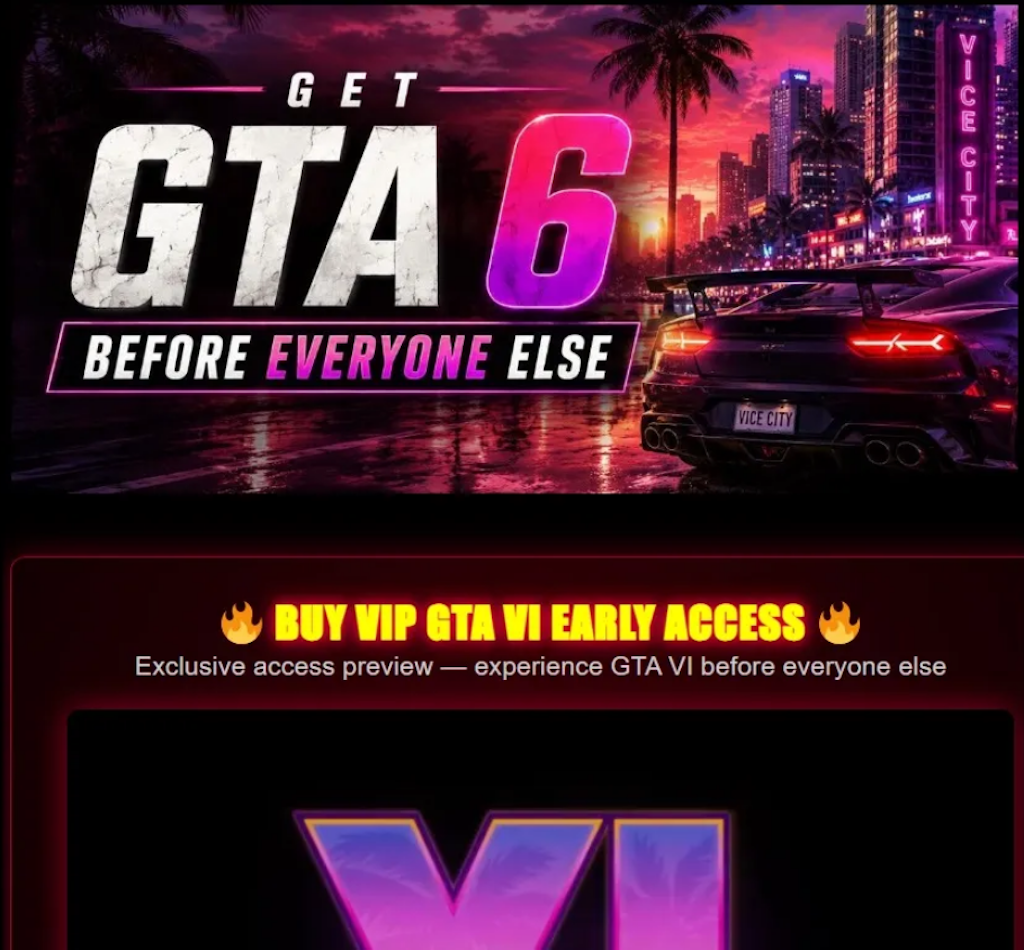
Cybersecurity experts at Malwarebytes have issued a stark warning: a sophisticated wave of scam websites is currently circulating online, promising eager fans "VIP early access" to Grand Theft Auto 6. These sites are designed to look professional, legitimate, and urgent, tricking players into handing over significant sums of money for a product that does not exist.
The Anatomy of the Scam: A Digital "Gold Rush"
The mechanics of these scams are alarmingly simple yet highly effective. By leveraging the immense brand recognition of the Grand Theft Auto franchise, these fraudulent websites present themselves as "exclusive portals" where users can bypass the standard release date.
According to a recent report by Stefan Dasic of Malwarebytes, these platforms are demanding "VIP" fees—often totaling several hundred dollars—for the privilege of playing the game early. The most insidious element of these schemes is the payment method: the sites exclusively demand payment in cryptocurrency. By utilizing decentralized digital currencies, these scammers ensure that the transactions are irreversible. Once the money is sent, it is effectively gone, with no mechanism for a chargeback or fraud recovery through traditional banking channels.

The sophistication of these sites varies, but some are surprisingly elaborate. Malwarebytes researchers highlighted one instance where a scam site combined the branding of Grand Theft Auto 6 with the massive internet presence of MrBeast and the nostalgic appeal of LEGO. This "mash-up" marketing tactic is designed to lower the guard of younger or less internet-savvy users, creating a false sense of legitimacy through association with trusted household names.
A Chronology of Anticipation and Deception
To understand why these scams are flourishing, one must look at the timeline of the game’s development and the subsequent marketing cycle.
- December 2023: Rockstar Games releases the first official trailer for Grand Theft Auto 6, setting the internet ablaze and confirming a 2025 release window.
- Early 2024: Cybercriminals begin registering domains that mimic Rockstar Games’ official branding, preparing for a long-term campaign.
- May 2024: Anticipation reaches a fever pitch as rumors of pre-order dates begin to circulate on social media platforms.
- June 2024: Official announcements regarding the launch date (November 19) and the official pre-order window (June 25) are made.
- Present Day: Scammers exploit the confusion between the official June 25 pre-order date and the unofficial "early access" rumors to siphon funds from impatient fans.
The gap between the announcement of the release date and the actual availability of the game has provided a "fertile soil" for these scams to take root. As the clock ticks down, the desperation of fans to secure their copy—or to be the first to experience the streets of Leonida—increases, making them more susceptible to the "fear of missing out" (FOMO) that these sites exploit.
The Psychology of the "Perfect Bait"
Why do people fall for these scams, especially when common sense suggests that a major publisher like Rockstar Games would never sell "early access" through a random, third-party crypto site?

Stefan Dasic notes that Grand Theft Auto is the "perfect bait." The franchise has sold hundreds of millions of units over its 25-year history. For many gamers, GTA is not just a pastime; it is a vital part of their digital identity. When a consumer is deeply invested in a franchise, their critical thinking skills regarding site security can be bypassed by the sheer emotional desire to play the next installment.
Furthermore, the gaming industry itself has inadvertently created a climate where "early access" and "deluxe editions" are normalized. In the current market, it is standard practice for publishers to offer tiered editions that grant players 48 to 72 hours of "early access" to a title. Because this practice is now common, scammers can easily frame their fraudulent offerings as "VIP editions" or "beta tests" without raising immediate red flags for a less experienced gamer.
The Broader Implications: Cybersecurity in the Gaming Era
The rise of these scams serves as a sobering reminder of the changing landscape of digital threats. Gaming has evolved into a massive, multi-billion-dollar economy, and as a result, it has become a primary target for sophisticated cybercrime syndicates.
The implications for the industry are profound:
- Normalization of Crypto-Fraud: By forcing users into cryptocurrency transactions, these scammers are not only stealing money but are also normalizing the use of unregulated, non-refundable payment methods for digital goods.
- Erosion of Consumer Trust: While these scams are not officially linked to Rockstar Games, the confusion they cause can lead to a erosion of trust in official pre-order channels. Users may become wary of legitimate links if they have already been burned by a fraudulent one.
- Targeting Vulnerable Demographics: As Dasic points out, these scams are particularly dangerous for younger players. A teenager with access to a digital wallet or a parent’s credit card may not possess the financial literacy to recognize the red flags of a phishing attempt, making them prime targets for these predatory campaigns.
Official Guidance and Protecting Yourself
As of this writing, there is no legitimate "early access" program for Grand Theft Auto 6. The game is scheduled for release on PlayStation 5 and Xbox Series X/S on November 19, with official pre-orders commencing on June 25. Any site claiming to offer access before this window—or any site demanding payment in cryptocurrency—is a fraudulent entity.
To protect yourself, keep these fundamental cybersecurity principles in mind:
- Verify the URL: Always ensure that you are on an official domain (e.g., rockstargames.com). Scammers often use "typosquatting," where they register URLs that are one letter off from the official site.
- Beware of Crypto Payments: If a site selling a mainstream consumer product demands payment in Bitcoin, Ethereum, or any other cryptocurrency, leave immediately. Legitimate publishers use established payment processors like credit card gateways or platform-specific stores (PlayStation Store, Xbox Store, Steam).
- Trust Official Social Media: Only follow links provided by the official, verified Rockstar Games social media accounts. Avoid clicking on "sponsored" links that appear in search engine results, as these are often purchased by scammers to appear at the top of the page.
- Manage Expectations: If a deal sounds too good to be true—such as playing one of the most anticipated games of the decade weeks before anyone else—it almost certainly is.
Conclusion
The wait for Grand Theft Auto 6 is a test of patience, but it should not be a test of one’s financial security. While the allure of jumping into the game early is undeniable, the risks associated with these scam sites far outweigh the fleeting satisfaction of a fake download. As the official release date approaches, stay vigilant, stick to official retailers, and remember that no amount of hype is worth the price of a stolen identity or a drained crypto wallet. Rockstar Games will provide the keys to the city in November; until then, keep your wallet closed and your security settings high.

