

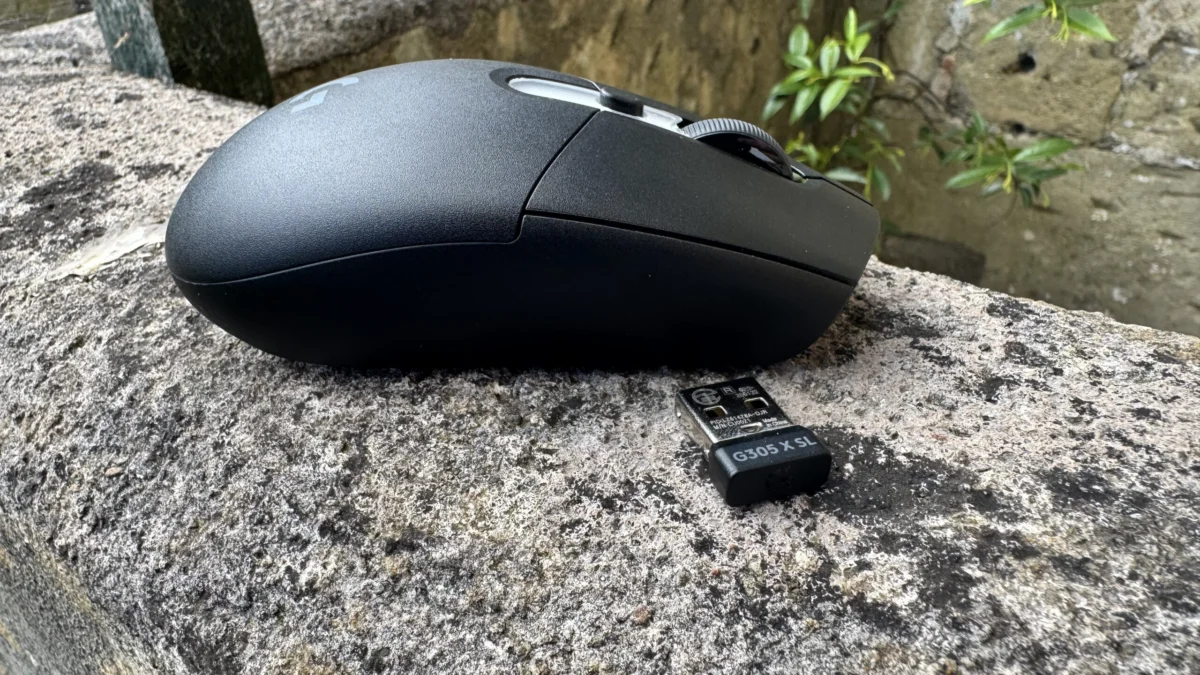
For nearly a decade, the Logitech G305 stood as the undisputed monarch of the budget wireless gaming mouse category. With its unassuming "egg" silhouette, reliable Hero sensor, and a price point that made high-performance wireless gaming accessible to the masses, it became a staple on desks worldwide. However, the hardware landscape is a volatile beast. As competitors from niche manufacturers began encroaching on Logitech’s territory, the company finally responded with the G305 X Superlight. But in an era where "budget" and "pro-grade" are increasingly blurring, does this legacy refresh have enough to reclaim its crown, or is it merely resting on the laurels of its predecessor?
A Chronology of the "Budget Beast"
To understand the weight of the G305 X Superlight, one must look at the timeline of its progenitor. The original G305 was launched in an era where wireless gaming mice were often prohibitively expensive or plagued by input latency. Logitech’s Lightspeed technology effectively erased the stigma surrounding wireless connectivity for competitive gaming, and the G305 brought that innovation to a price point under $60.
For eight years, the G305 remained a benchmark. It survived countless trends, from the ultralight honeycomb craze to the rise of optical switches. It only recently felt the pressure when the Mchose G3 V2 Pro hit the scene, offering a near-identical form factor with modern refinements that made the original G305 feel suddenly long in the tooth.
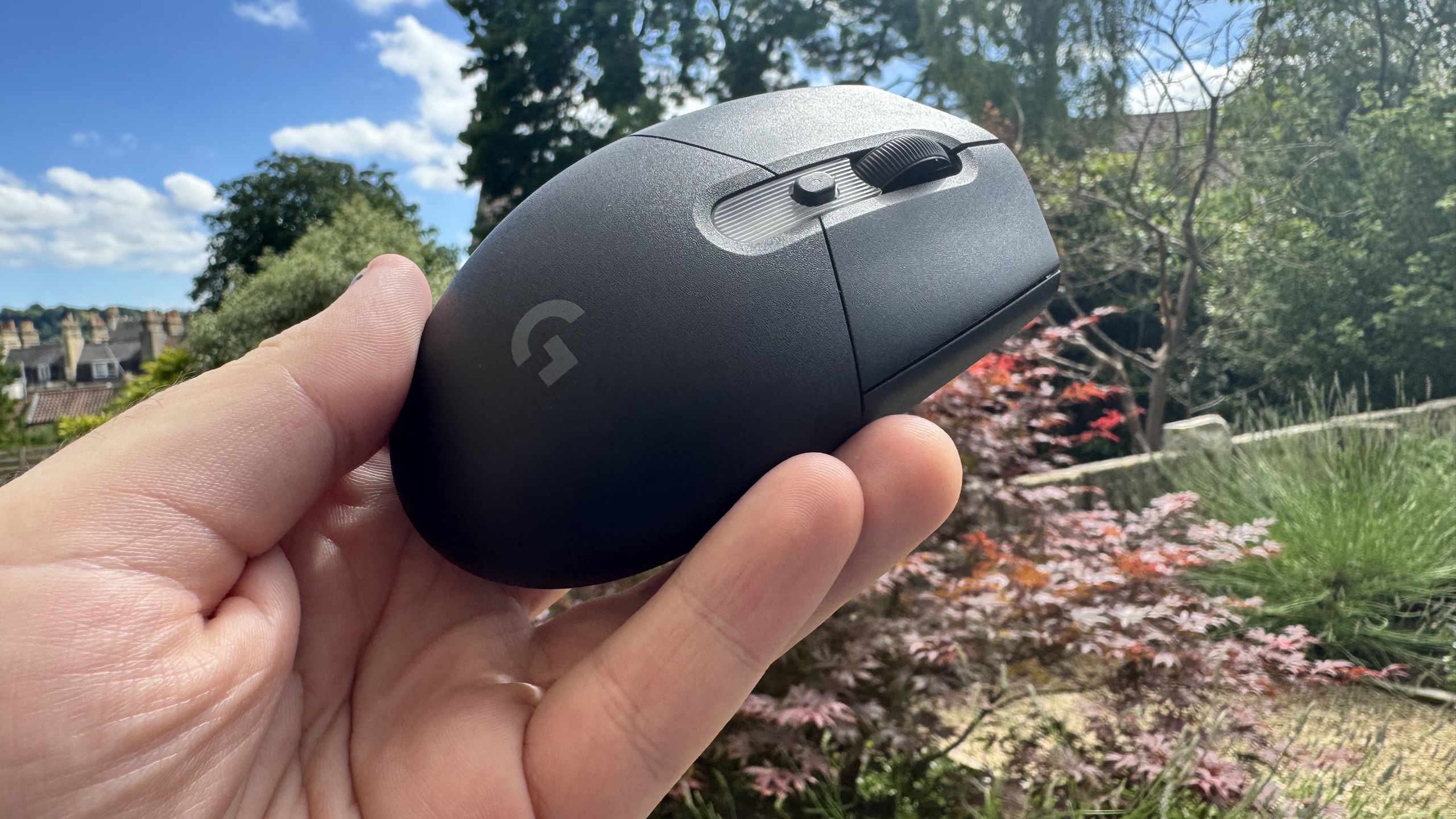
Logitech’s decision to launch the G305 X Superlight is a clear, if somewhat cautious, reaction to this shifting tide. By integrating the Hero 44K sensor and subtle aesthetic upgrades like the translucent RGB base—designed to pair with the G316 X 98 keyboard—Logitech is attempting to bridge the gap between their heritage design and the aesthetic expectations of the modern gamer.
Technical Specifications: The Numbers Game
The G305 X Superlight is not just a cosmetic update; it packs significant internal improvements that aim to justify its higher price tag.
- Sensor: Hero 44K
- Connectivity: Wired (USB Type-C), 2.4 GHz Wireless, and Bluetooth
- Polling Rate: 1,000 Hz native (upgradeable to 8,000 Hz with an optional dongle)
- DPI: Up to 44,000
- Weight: 59 grams
- Battery Life: Up to 130 hours
- MSRP: $80 / £70
The inclusion of a 44,000 DPI sensor is, for most users, a marketing luxury, yet it signals Logitech’s commitment to keeping this device competitive with flagship-tier peripherals. The move to optional 8,000 Hz polling is a strategic decision: it keeps the base cost lower for the average consumer while providing an "upgrade path" for esports enthusiasts who demand extreme polling rates.
Performance and User Experience
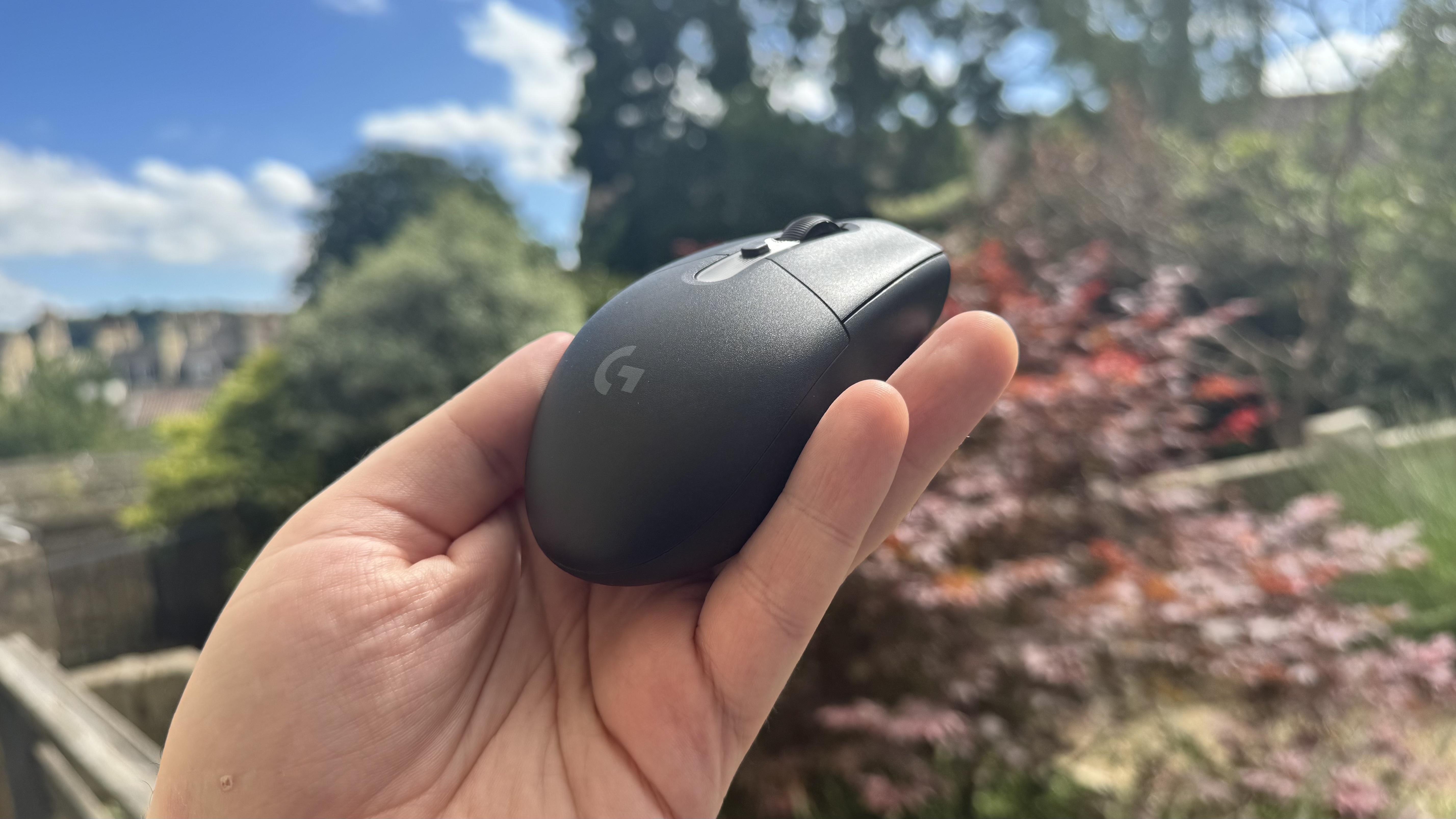
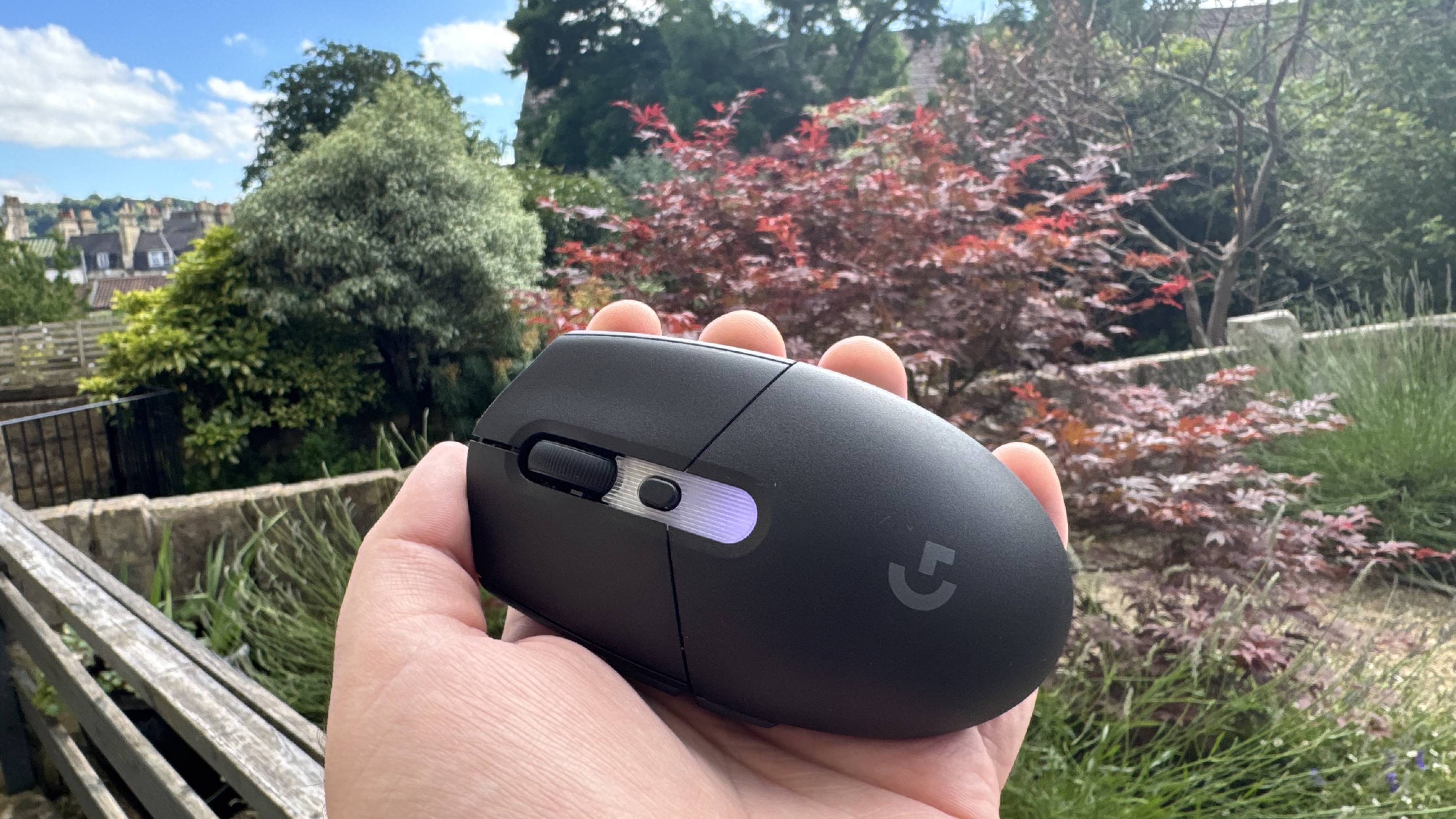
In practical application, the G305 X Superlight feels remarkably familiar. The chassis retains the iconic egg shape, which continues to be one of the most ergonomic designs for a variety of grip styles. At 59 grams, the mouse feels nimble, balancing structural integrity with a weight that provides enough resistance to remain controlled during high-intensity flicks.
However, the experience is not without its frustrations. During testing, the mouse skates proved to be a point of contention. Unlike the ultra-smooth glide found on many modern rivals, these skates exhibit a noticeable, audible scratchiness against standard mouse pads. For a device positioning itself as a premium "Superlight" iteration, this is a distinct oversight. While aftermarket skates can mitigate this, the necessity of replacing factory components on a new, $80 mouse is a hurdle that shouldn’t exist.
The tactile experience is otherwise robust. The main switches are crisp and satisfying, and the inclusion of an easy-access DPI switch on the top of the device makes it a versatile tool for both gaming and productivity. Using the mouse in titles like Mouse: PI for Hire and Counter-Strike 2, the sensor tracking was flawless, with zero perceived drop-outs or acceleration issues.
Repairability and Design Philosophy
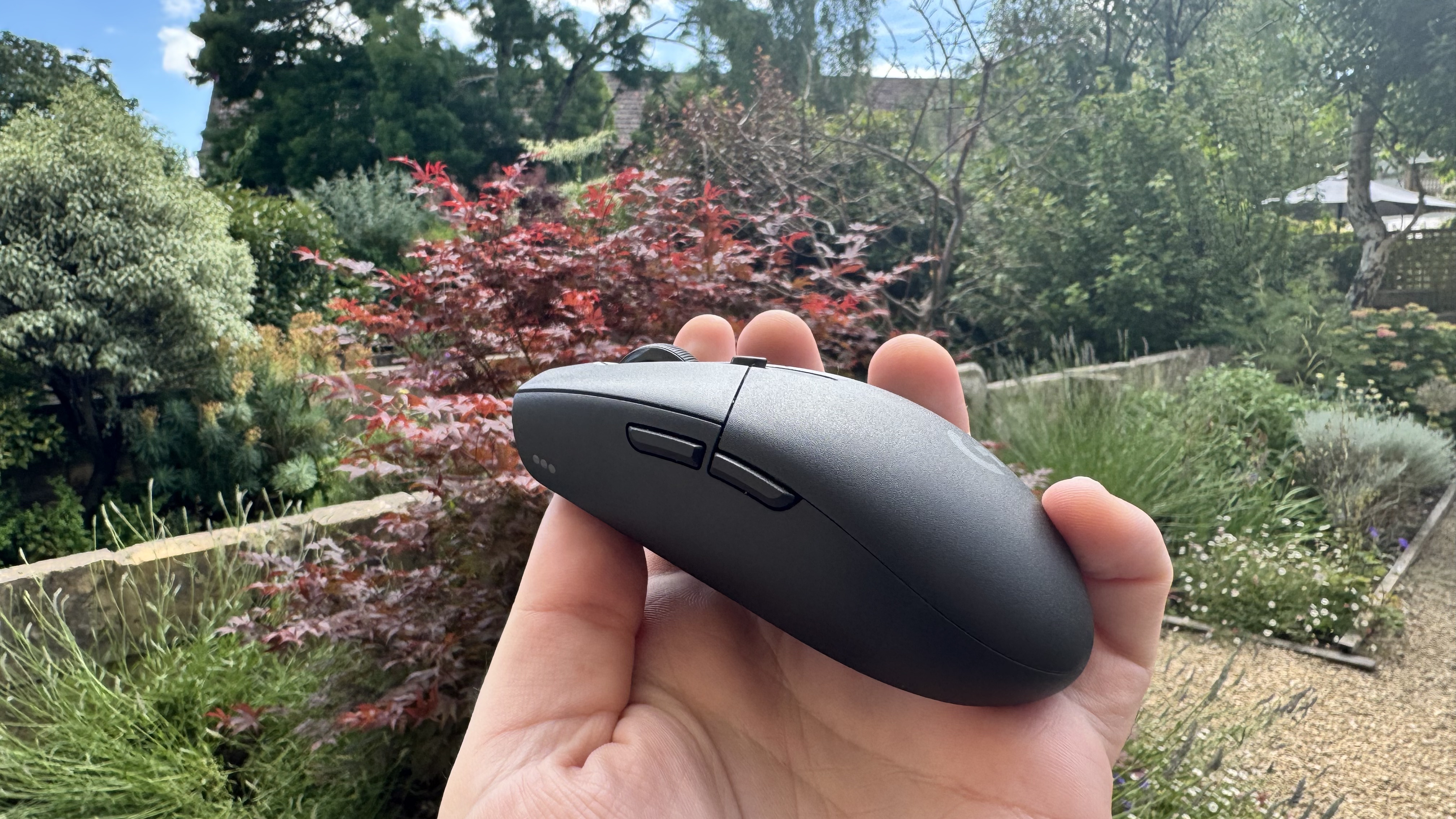
A commendable aspect of the G305 X Superlight is its nod to modularity. The visible screws on the bottom plate suggest a design philosophy that prioritizes user access. In an industry trending toward non-repairable, glued-shut electronics, the ability to easily access the internals and replace the battery is a breath of fresh air.
The aesthetic remains clean and understated. The RGB strip at the base provides a modern flair without the overwhelming "gamer-centric" glow that often plagues budget hardware. It fits into a professional office setup as easily as it does a darkened gaming room.
The Competitive Landscape: Is it Worth the Investment?
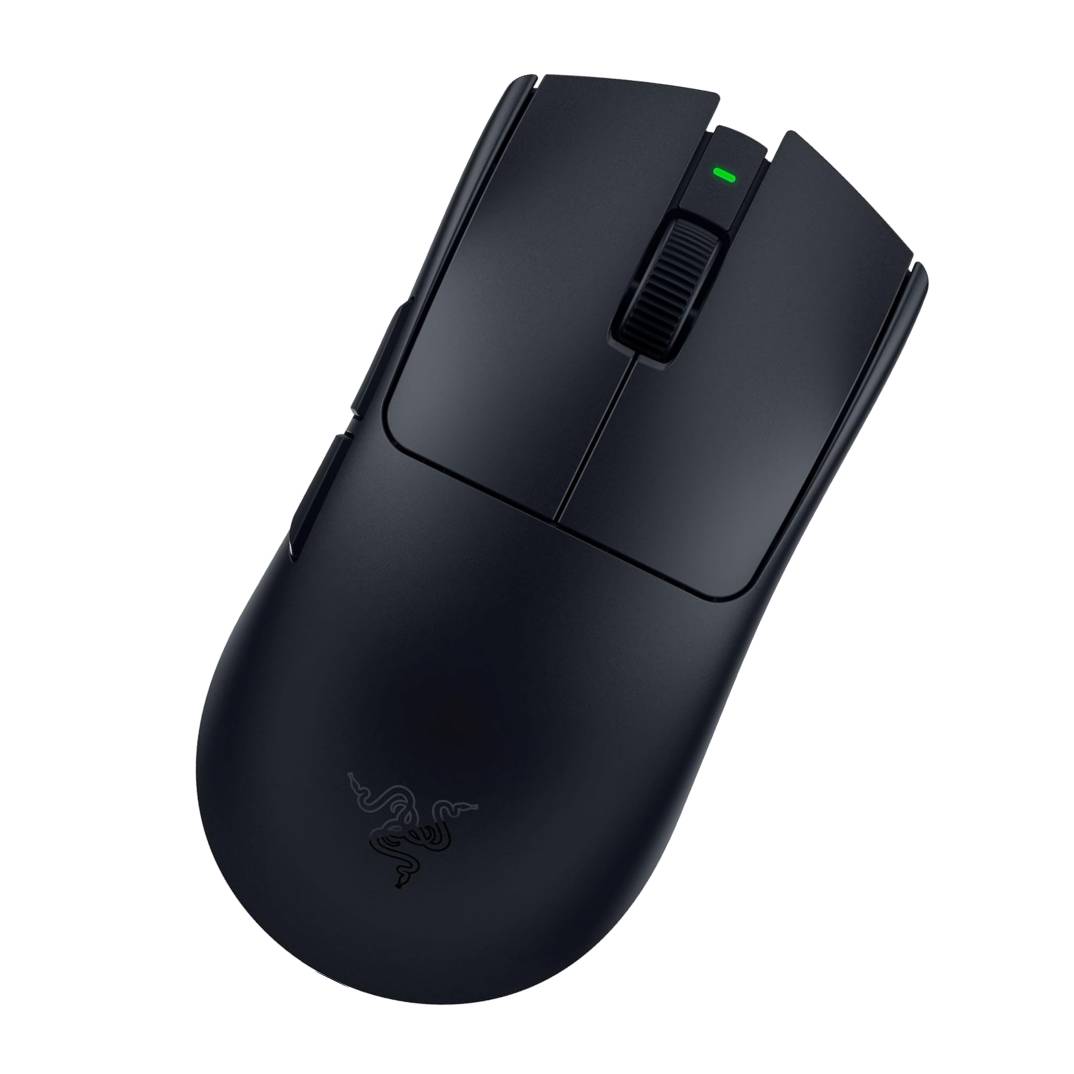
The primary challenge for the G305 X Superlight is not internal—it is external. The market is currently flooded with alternatives that challenge the value proposition of established brands. The Mchose G3 V2, for instance, offers a similar aesthetic, highly competitive sensors, and—crucially—better stock skates, all for roughly half the price of the G305 X.
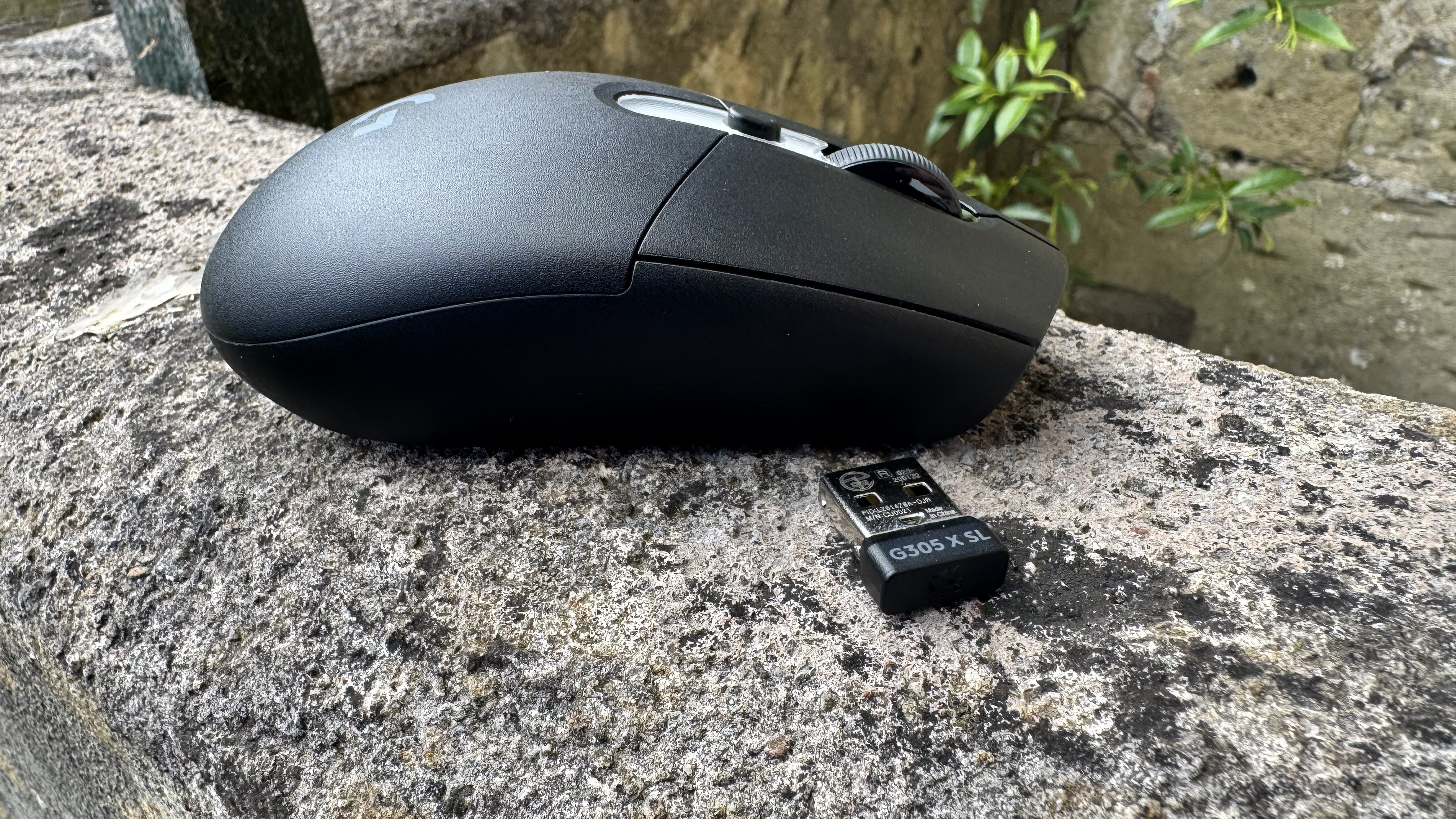
When you look at the total package, the G305 X Superlight is a high-quality device, but it enters the market at a precarious time. The original G305 thrived because it was the best value proposition. By raising the price to $80, Logitech has moved the G305 X out of the "no-brainer" category and into the "mid-range competitive" category. In this bracket, users are more likely to scrutinize every detail, from the sound of the mouse feet to the quality of the side buttons.
Implications for the Future of Peripheral Design
The release of the G305 X Superlight highlights a broader trend in the PC hardware industry: the "legacy refresh." Companies are increasingly leaning on their historical hits to capture nostalgia, updating them with just enough modern tech to remain relevant.
However, as competitors like Mchose and 8BitDo demonstrate, the "Logitech premium"—the extra cost associated with the brand name—is becoming harder to justify. If the G305 X Superlight is to succeed, it must rely on Logitech’s legendary customer support, software ecosystem (G Hub), and the sheer trust in their hardware longevity.
Final Verdict
The Logitech G305 X Superlight is a refined, capable, and highly reliable gaming mouse. For those who have loved the original G305 for years and simply want a modern, lighter, and more capable version of the same shape, it is a satisfying upgrade.
However, it is not the market-shaking value proposition that its predecessor was. The rougher-than-expected skates and the increased price point leave it vulnerable to a wave of aggressive, high-value competitors. It is a solid mouse, perhaps even a great one, but it is no longer the automatic recommendation for the budget-conscious gamer. In the current, hyper-competitive market, the G305 X Superlight is a testament to the fact that even legends have to fight to keep their seats at the table.
Summary of Pros and Cons
Pros:
- Ergonomics: The classic, proven egg-shape remains exceptionally comfortable for diverse grip styles.
- Sensor Performance: The Hero 44K sensor is top-tier, offering precision and responsiveness suitable for professional-level play.
- Build Quality: Despite the plastic construction, the mouse feels sturdy and well-engineered.
- Modularity: Accessible internals and battery compartment are a win for long-term repairability.
Cons:
- Stock Skates: The feet are scratchy and lack the smooth glide expected at this price point.
- Value Proposition: With superior budget options now available from other manufacturers, the $80 price tag feels steep.
- Optional Upgrades: Having to purchase a separate dongle for 8,000 Hz polling adds an extra cost that may frustrate some users.
Ultimately, the G305 X Superlight is a device for the loyalist. If you are deeply attached to the Logitech ecosystem, it is a reliable workhorse. But if you are looking for the absolute best performance-per-dollar, the market currently offers compelling alternatives that warrant a look before committing to the legacy of the "egg."

