

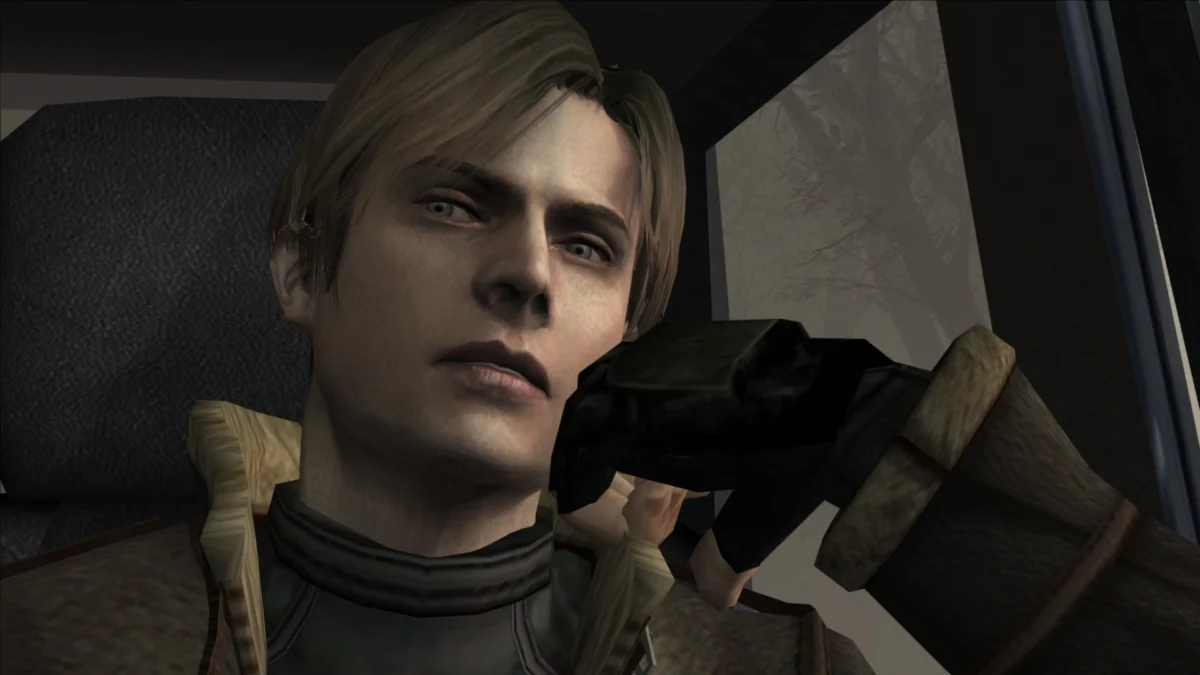
In the modern gaming landscape, the barrier between player and spectator has become increasingly porous. With the meteoric rise of platforms like Twitch and YouTube, the "Let’s Play" phenomenon has evolved from a niche hobby into a dominant pillar of gaming culture. For many, consuming a game through the lens of a charismatic creator is now as valid an experience as picking up a controller.
However, this shift has sparked a profound debate among the industry’s most influential architects. Recently, Shinji Mikami, the legendary creator of the Resident Evil franchise, ignited a firestorm of discussion with a blunt assessment of modern game design: if a player is fully satisfied by simply watching a playthrough, the game itself has failed in its primary objective—to be truly engaging.
The Evolution of the "Let’s Play" Era
To understand the gravity of Mikami’s statement, one must first recognize how deeply streaming has integrated itself into the gaming ecosystem. In the late 2000s, the "Let’s Play" format began as a way for gamers to share their experiences. By the mid-2010s, it had transformed into a professionalized industry.
For many titles, particularly indie hits like Among Us, Phasmophobia, and Five Nights at Freddy’s, streaming served as the lifeblood of their success. The social, often chaotic nature of these games made them perfect for broadcast, effectively turning viewers into potential customers through a "try-before-you-buy" psychological hook.
However, a divergence has emerged. While multiplayer and social games benefit from the communal energy of a stream, narrative-heavy, single-player titles face a different reality. When a game’s value is pinned entirely on its narrative or visual spectacle, viewers may feel they have "experienced" the game without ever interacting with its mechanics. This is the crux of the crisis identified by industry veterans.
The Mikami Doctrine: Design as an Invitation to Action
The conversation originated from an exchange between Japanese comedian and YouTuber Eiko Kano and Shinji Mikami. Kano, who frequently streams the Resident Evil series, sought the developer’s perspective on whether the ease of accessibility provided by his streams might cannibalize actual sales or player engagement.
Mikami’s response was characteristically uncompromising: "If viewers watch a playthrough of a game all the way to the end and are satisfied with just that, then it was only that good of a game."
This statement serves as a critique of passive game design. Mikami argues that if a game is nothing more than a linear sequence of events—a "playable movie"—it lacks the fundamental "hook" of interactivity. He posits that a truly masterful game design should leave the spectator feeling unfulfilled, specifically because they are not the ones in control. The act of streaming should function as a teaser, not a replacement.
Mikami elaborated further, framing the developer’s duty as an act of enticement: "Our job is to make games that leave people wanting to clear them with their own hands, even if they’ve watched someone else do it." In his view, if the player isn’t itching to take the controller, the game’s core loop, challenge, or agency is insufficiently compelling.
A Growing Consensus Among Industry Titans
Mikami is not a lone voice in the wilderness. His sentiment is part of a growing movement of veteran creators who are concerned that the industry is drifting toward a "cinematic" model that prioritizes narrative delivery over player agency.
Yuji Horii, the visionary creator behind the Dragon Quest series, has reportedly echoed similar sentiments. In discussions regarding the future of RPGs, Horii has suggested that the goal of the developer is to create a journey so personal that a third-party view cannot replicate the feeling of triumph that comes with overcoming a boss or completing a quest personally.
Furthermore, Naoki Hamaguchi, director of the Final Fantasy 7 Remake series, has spoken publicly about the "crisis" facing the RPG genre. Hamaguchi noted that developers must be increasingly careful. With the rise of high-fidelity, story-driven RPGs, there is a distinct risk that players will treat these titles as "binge-watch" media. If the game does not provide enough mechanical depth or unique player expression, the audience will be perfectly content to let the streamer navigate the world for them, effectively sidelining the player.
The Mechanics of Engagement vs. Spectacle
To bridge the gap between "watching" and "doing," modern developers are forced to reconsider what makes a game worth playing in the 21st century. The consensus among these veterans suggests three core areas where developers must improve:
- Meaningful Agency: Players must feel that their decisions matter. If a story unfolds the same way regardless of the player’s choices or skill level, the motivation to play diminishes.
- Mechanical Satisfaction: The "feel" of gameplay—the tactile response of the controller, the rhythm of combat, or the complexity of puzzles—cannot be communicated via video. If a game is just "walking and watching," it lacks the friction that makes gaming a distinct art form from cinema.
- Unique Iteration: Games should encourage discovery that isn’t easily captured in a single, linear broadcast. Hidden secrets, complex build-crafting, or emergent gameplay moments ensure that every playthrough is distinct, making the viewer feel like they are missing out on their own version of the story.
The Economic and Cultural Implications
The industry finds itself in a strange paradox. Streaming is an essential marketing tool—it builds communities, drives brand awareness, and can keep a dying game alive for years. Yet, if that same streaming culture shifts the medium’s perception toward passive consumption, it risks devaluing the very product it is trying to sell.
If audiences become accustomed to consuming games as passive media, the incentive to purchase a $70 title drops significantly. This creates a challenging environment for developers who pour years of labor into interactive experiences, only to see them consumed as "content" to be watched on a second monitor while the viewer eats dinner.
The challenge for the next generation of game designers, therefore, is not to ban or limit streaming, but to outpace it. Developers must ask themselves: What can the player do here that the audience cannot experience through a screen?
Conclusion: The Future of Interactive Art
Shinji Mikami’s critique is a rallying cry for the preservation of interactivity. As technology pushes toward hyper-realistic graphics that blur the line between film and game, the temptation to favor style over substance is at an all-time high.
However, the warnings from legends like Mikami, Horii, and Hamaguchi serve as a vital reminder. Gaming is not merely a medium of visual storytelling; it is a medium of action. If a game can be fully "solved" or "completed" by watching someone else, it has failed to leverage the one thing that makes it unique: the player’s presence.
Ultimately, the goal is to make games that demand to be played. As long as developers continue to prioritize the friction, agency, and tactile joy of the gaming experience, there will always be a distinction between a spectator and a player—and that distinction is exactly what keeps the industry vibrant and essential. In the words of Mikami, we must keep streaming, but we must also ensure the game is so good that no one wants to stay on the sidelines for long.

