

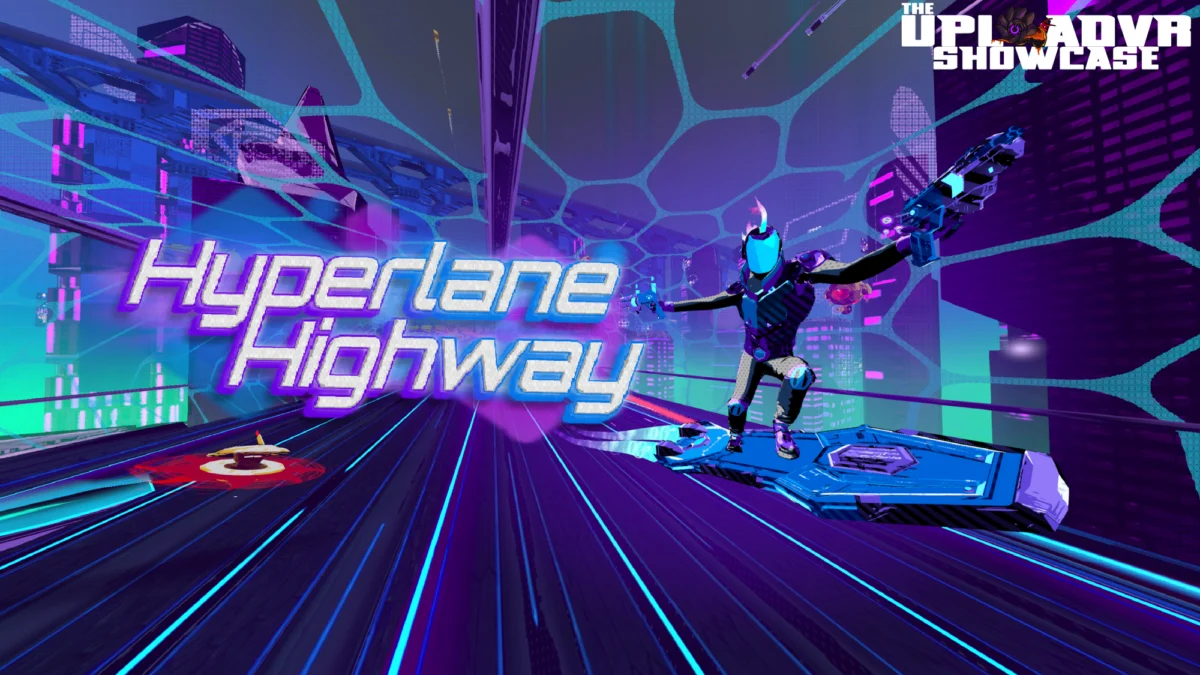
The virtual reality gaming landscape is often defined by the tension between high-octane immersion and the physical limitations of the human vestibular system. As developers push for faster, more dynamic experiences, the industry has hit a recurring wall: motion sickness. However, Ryality Studio’s upcoming roguelite shooter, Hyperlane Highway, promises to break through that barrier with a proprietary, physics-driven "head-leaning" locomotion system. Following a high-energy reveal at the UploadVR Summer Showcase, the neon-drenched project has confirmed a dual-platform release for Q4 2026, targeting both SteamVR and Meta Quest headsets.
The Core Concept: Redefining High-Speed Movement
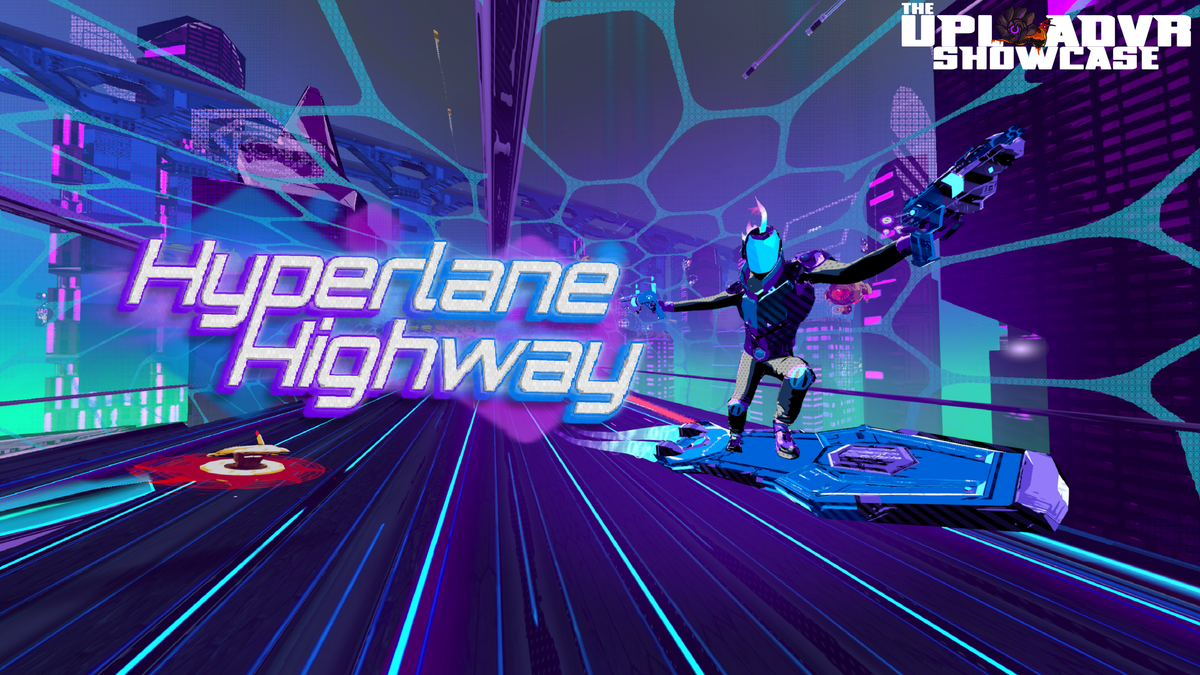
Hyperlane Highway is not merely another entry in the crowded roguelite FPS market; it is a fundamental experiment in how players interact with digital space. Developed as a solo project, the game casts players as hoverboard-riding combatants navigating dense, neon-lit corridors at breakneck speeds.
The standout feature is its movement mechanic. Instead of relying on traditional thumbstick-based artificial locomotion—which often causes sensory conflict in VR—Hyperlane Highway tracks the player’s head position to dictate steering. By leaning their entire body, players physically tilt their hoverboard, allowing for intuitive, rhythmic navigation. Because the player’s inner ear perceives the physical lean of their body, the cognitive dissonance that typically triggers motion sickness is significantly reduced. This "lean-to-steer" system is paired with dual-wielded blasters, forcing players to master a high-skill ceiling of movement and marksmanship simultaneously.
Chronology of Development
The journey of Hyperlane Highway has been one of focused, iterative development.
- Early 2025 – Conceptualization: Ryality Studio began experimenting with prototype movement mechanics, focusing on the relationship between vestibular input and VR tracking. The goal was to eliminate the "floaty" feeling of standard joystick movement.
- Late 2025 – The Prototype Phase: The core gameplay loop—hoverboarding while combat-ready—was finalized. Early playtesting confirmed that the leaning mechanic provided a sense of "weight" that made high-speed maneuvers feel grounded rather than nauseating.
- Mid-2026 – Public Reveal: The game gained initial traction as a Steam-only title. The community response was immediate, leading to an expansion of the project’s scope.
- June 2026 (UploadVR Summer Showcase): The major breakthrough occurred when the developer showcased a new trailer, officially announcing that the game would launch on the Meta Quest ecosystem in addition to its PCVR counterpart.
- Q4 2026 (Upcoming): The projected release window for the Early Access launch.
- 2027 (Post-Launch): The planned six-month Early Access roadmap, focusing on feedback integration, balancing, and content expansion.
Supporting Data: The Motion Sickness Challenge
The problem of Virtual Reality Motion Sickness (VRMS) remains the primary hurdle for mainstream VR adoption. According to various industry studies, nearly 40% to 70% of new VR users report some form of discomfort when using artificial locomotion. Traditional "smooth" movement, where the character moves via joystick while the player stands still, creates a "Vection" effect—a visual sensation of motion without corresponding physical acceleration.
Hyperlane Highway utilizes a design philosophy known as "Proprioceptive Alignment." By requiring the player to physically lean, the game aligns the visual field’s tilt with the player’s actual physical center of gravity. Preliminary reports from playtesters in the Ryality Studio Discord suggest that this system allows for longer play sessions compared to standard FPS titles in VR. While scientific clinical data is pending, the anecdotal evidence from the community indicates a significant reduction in the "nausea threshold" for high-velocity gameplay.
Official Stances and Developer Vision
In recent communications, the developer behind Ryality Studio has emphasized that Hyperlane Highway is designed to be a "living" project. The transition to Early Access is not merely a distribution strategy; it is a pedagogical tool for the developer to understand how different player bodies interact with the leaning system.
"The goal is to make the hoverboard feel like an extension of your own skeletal system," the developer noted during the showcase. "By leveraging the body’s natural instinct to lean into a turn, we are essentially ‘hacking’ the vestibular system to create a high-speed experience that doesn’t sacrifice comfort for intensity."
The developer has already opened the doors to an active playtesting community via Discord. This move is strategic: by fostering a direct line to the player base, Ryality Studio aims to refine the "snappiness" of the steering and the balance of the roguelite elements (upgrades, weapon variants, and procedural environment generation) before the full release.
Implications for the VR Industry
The success of Hyperlane Highway could have profound implications for the future of VR game design. If this leaning-based locomotion proves to be a scalable solution for high-speed action games, it could open the floodgates for a genre that has been largely underdeveloped in VR: the arcade-style racer/shooter hybrid.
1. Reducing the Barrier to Entry
Most VR shooters are forced to rely on "teleportation" or "snap-turning" to accommodate sensitive players. While these methods are effective, they often break immersion. If Hyperlane Highway succeeds, it provides a blueprint for developers to create immersive, high-speed movement without forcing players to "earn their VR legs" through weeks of discomfort.
2. The Future of Roguelite Design in VR
By incorporating procedural elements—randomized weapon drops, shifting environments, and evolving enemy AI—the game ensures high replayability. In the context of VR, where physical exhaustion is a factor, the roguelite format is ideal. It allows for "bite-sized" sessions that can be completed in 20-30 minutes, preventing the physical fatigue that can set in during long-form VR campaigns.
3. Cross-Platform Parity
The announcement that the game will hit Meta Quest is particularly significant. Bringing a high-fidelity, physics-heavy experience to standalone mobile hardware like the Quest suggests that the optimization for Hyperlane Highway is highly efficient. This proves that complex movement systems do not necessarily require the brute-force processing power of a high-end PC, provided the design is intentional and optimized from the ground up.
Looking Ahead: The Roadmap to 2027
As we look toward the Q4 2026 launch, the industry will be watching to see how Ryality Studio manages the transition from a solo hobbyist project to a commercial product. The six-month Early Access window is critical. The roadmap suggests a focus on:
- Mechanical Refinement: Fine-tuning the sensitivity of the head-tracking to accommodate different heights and mobility ranges.
- Weapon Diversity: Expanding the arsenal to complement the hoverboard’s speed, potentially including "drift-shot" mechanics that reward players for hitting targets while executing sharp turns.
- Environmental Scaling: Adding procedural obstacles that require more than just steering, but also physical dodging, to fully utilize the room-scale capabilities of modern headsets.
For those interested in the evolution of this project, the game is currently available for wishlisting on both Steam and the Meta Quest store. Whether you are a VR enthusiast looking for the next evolution in movement or a gamer seeking a high-octane roguelite fix, Hyperlane Highway represents one of the most intriguing developments in the virtual reality space for the coming year.
By prioritizing physical comfort through intuitive, human-centric design, Ryality Studio isn’t just making a game; they are defining a new standard for how we move, fight, and survive in the digital worlds of tomorrow. The neon lanes are waiting—and for the first time, they feel as real as the room you’re standing in.

