

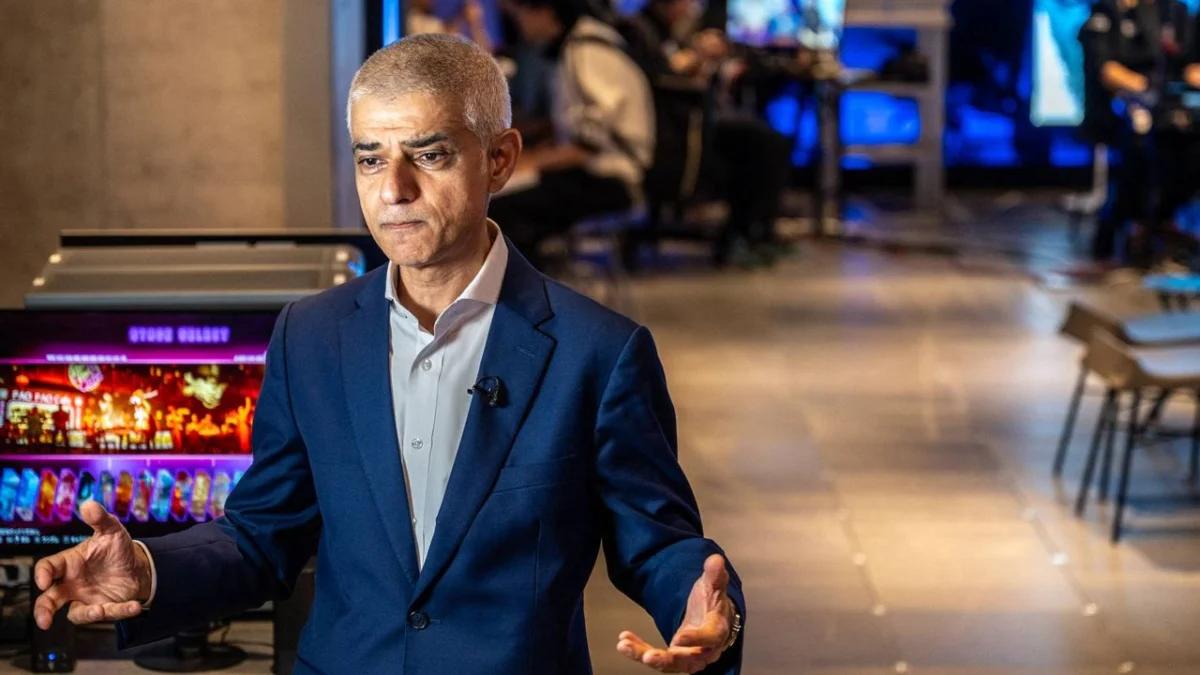
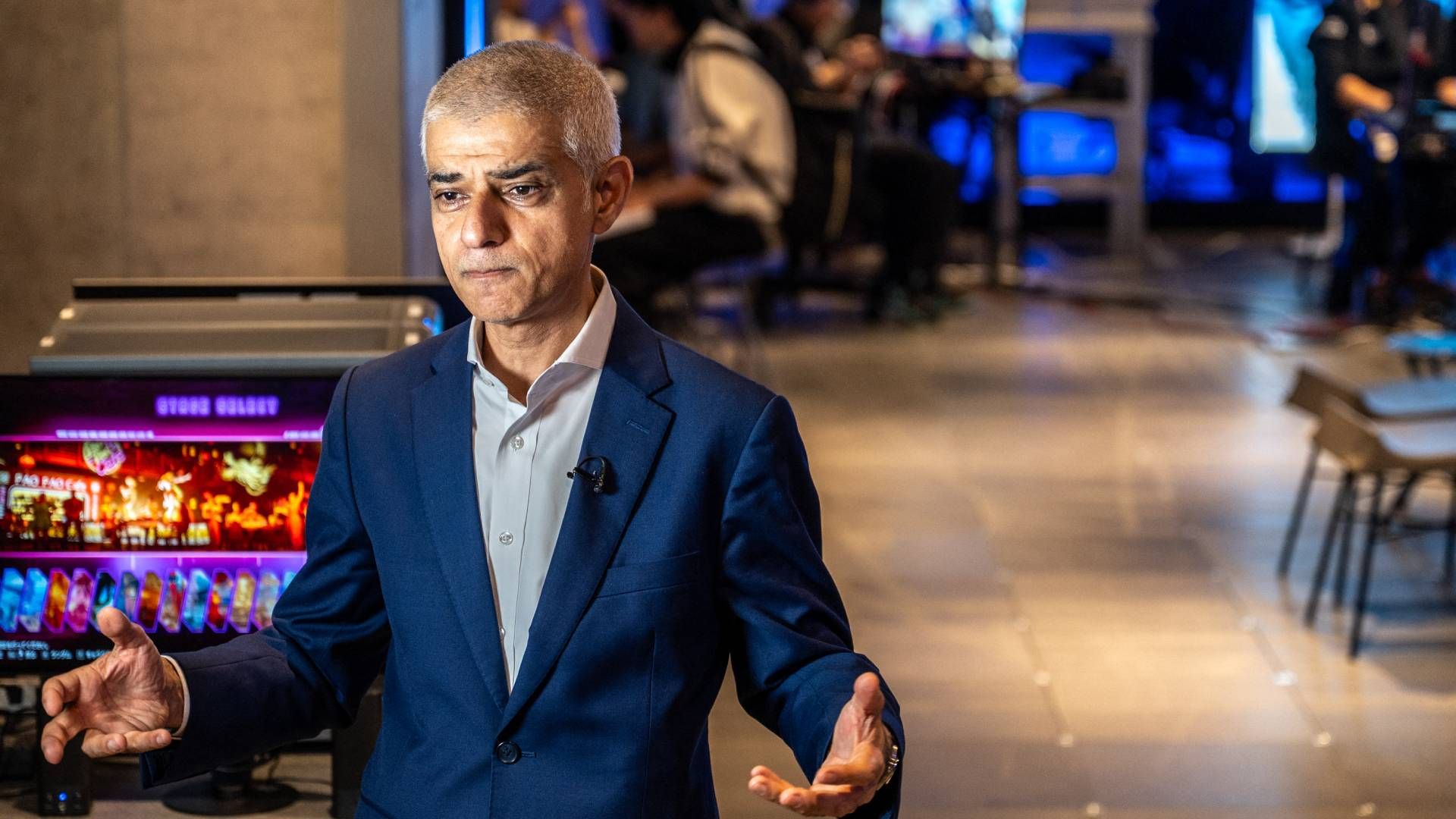
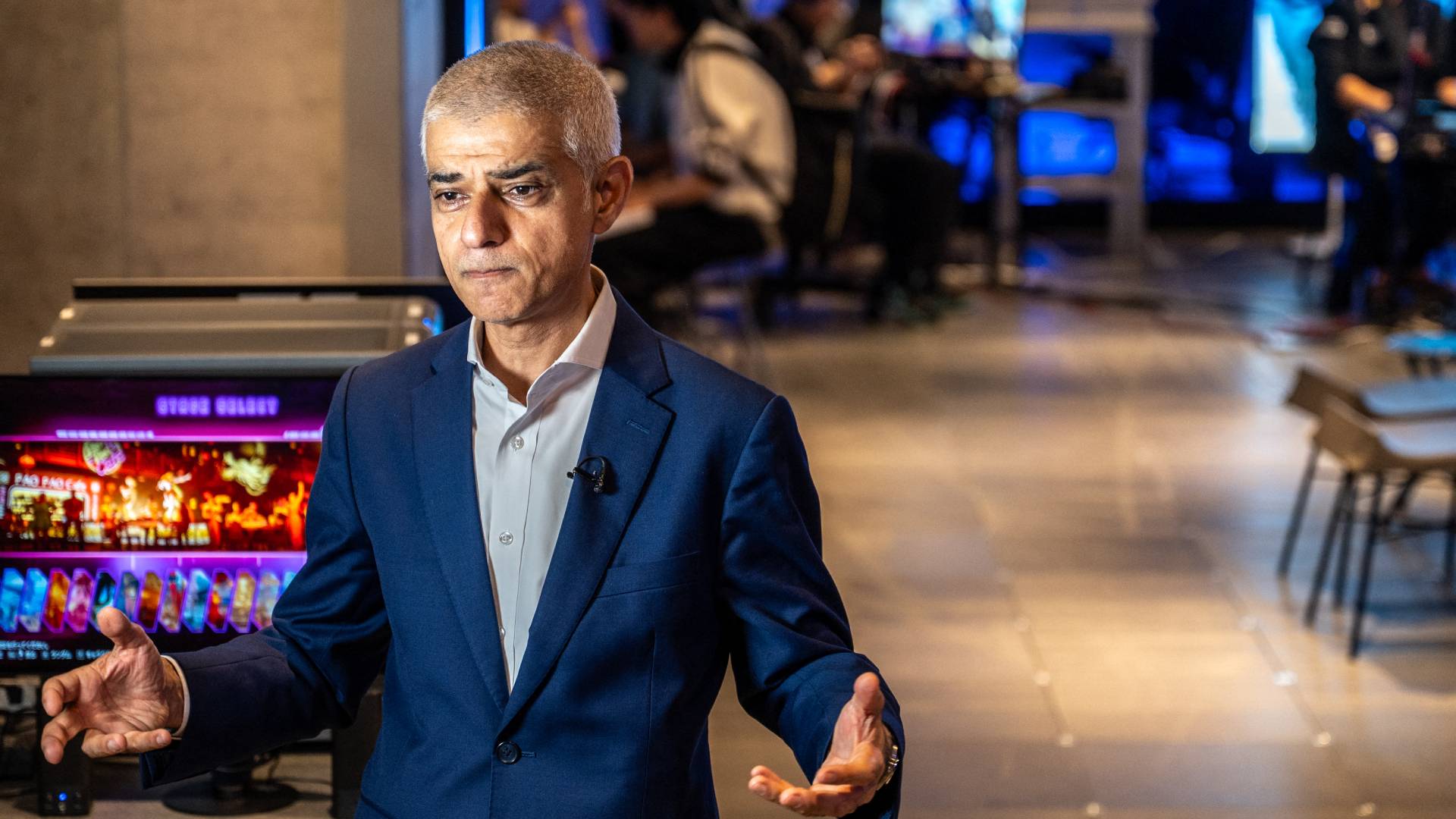
In a bold strategic pivot, London Mayor Sadiq Khan has announced an ambitious initiative to transform the UK capital into the global epicenter of professional esports. During a high-profile diplomatic visit to Tokyo, Japan, on June 18, 2026, the Mayor met with industry leaders at the Red Bull Gaming Sphere to unveil a roadmap designed to solidify London’s status as the primary destination for competitive gaming.
The announcement, which signals a significant shift in the city’s cultural and economic policy, aims to leverage the rapid expansion of the digital entertainment sector to bolster the local economy. However, while City Hall envisions a lucrative future of global tournaments and career pipelines, the move has sparked a wider conversation about the viability of esports as a cornerstone for youth opportunity and economic stability.
A Strategic Vision: The Path to Global Dominance
The Mayor’s vision for London is rooted in the recognition of esports as a multi-billion-dollar global industry. By engaging with industry stalwarts such as Fnatic and Sony, the London administration is seeking to bridge the gap between traditional city governance and the decentralized, high-speed world of professional gaming.
The core objective is to position London as the "esports capital of the world." This involves not only hosting world-class events but also establishing a robust ecosystem that supports the entire lifecycle of the industry—from grassroots development and education to professional-grade infrastructure. The ambition is to create a "level up" environment where the city acts as an incubator for global talent and a permanent home for major international championships.
Chronology of an Emerging Ambition
The path to this announcement has been marked by a series of successful, high-profile events that proved London’s capability as a host city:
- 2024: The League of Legends Milestone: The 2024 League of Legends World Championship Final at the O2 Arena served as the definitive proof of concept. The event was a massive success, drawing thousands of international visitors and injecting approximately £12 million into the local economy.
- 2025: Building Momentum: Following the success of the League of Legends event, the 2025 Blast Premier London Open held at the OVO Arena Wembley demonstrated that London could sustain high-level interest in competitive gaming. This event generated an impressive £30 million, further convincing city officials of the industry’s economic potential.
- June 2026: The Tokyo Summit: During his visit to Japan, the global leader in gaming culture, Sadiq Khan formalized his commitment to the sector. By visiting the Red Bull Gaming Sphere alongside representatives from Fnatic, he signaled a clear intent to adopt the Japanese model of community and professional integration.
- Future Outlook: The Mayor’s office has now commissioned a formal report to outline the specific legislative and infrastructural changes required to attract further investment and institutionalize the sector within the city’s broader economic framework.
Economic and Demographic Data
The rationale behind the Mayor’s pivot is backed by significant market projections. The global esports industry, which has matured rapidly over the last decade, is currently valued at approximately $2 billion. Analysts predict a meteoric rise, with the sector expected to grow to nearly $10 billion by 2033. For a city like London, which is looking to diversify its revenue streams post-Brexit, capturing a significant percentage of this growth is an attractive prospect.
However, the demographic landscape of the UK presents a more complicated picture. Currently, there are over 1.01 million individuals aged between 16 and 24 who are classified as NEET (Not in Education, Employment, or Training). The Mayor’s office posits that the esports industry could provide a novel pathway for these young people, offering careers in event management, broadcasting, data analysis, and professional coaching.
Official Perspectives and Proposed Initiatives
The London Assembly has released a series of recommendations to facilitate this transition. The policy proposal moves beyond merely hosting tournaments and focuses on structural integration:
- Educational Integration: The proposal advocates for partnerships between universities and esports organizations to create talent pipelines. This includes the development of specialized courses and vocational training programs tailored to the gaming industry.
- Apprenticeships: By working with local businesses, City Hall aims to launch apprenticeship schemes that allow young people to gain hands-on experience in the technical aspects of running large-scale esports events.
- Infrastructure Investment: The government intends to support the development of dedicated gaming hubs and arenas, ensuring that London has the technical infrastructure to host continuous, high-fidelity competitive play.
"London is ready to level up," Mayor Khan stated in his official address. "We are looking at a future where our capital leads not just in finance and the arts, but in the digital arenas where the next generation of global competition is taking place."
Implications and Critical Perspectives
While the economic incentives for the city are clear, the initiative has met with a mix of optimism and skepticism. Critics argue that relying on esports as a solution to youth unemployment is a "short-sighted" strategy that ignores the precarious nature of the industry.
The Problem of Career Longevity
One of the most cited concerns is the fleeting nature of an esports career. Unlike traditional professional sports, where careers can span decades, esports athletes often face early retirement—sometimes in their early 20s—due to the intense physical and mental strain of high-level competition and the rapid evolution of game titles. For a young person entering the industry, this creates a high-pressure environment with limited long-term stability.
Socio-Economic Realities
There is also a broader question of priorities. Critics point to the persistent issue of child poverty within the UK and London specifically. While the potential for £30 million in event revenue is significant, many argue that this capital should be prioritized toward addressing basic needs, such as housing and primary education, rather than speculative investments in niche industries.
"We must be careful not to mistake the glamour of the arena for a holistic solution to structural unemployment," says Dr. Helena Vance, a sociologist specializing in the digital economy. "While the esports sector offers exciting opportunities for a select few, it is not a panacea for the millions of young people currently left behind by the traditional job market. A balanced approach would see this initiative as part of a larger, more comprehensive plan for social mobility."
The Road Ahead
As London moves toward this new frontier, the success of the "Esports Capital" project will likely depend on the city’s ability to balance commercial growth with social responsibility. If the Mayor’s office can successfully create a sustainable pipeline that leads to transferable skills—rather than just professional gaming—the initiative could indeed become a model for other global cities.
However, the pressure is on. As other global hubs like Seoul, Tokyo, and Los Angeles continue to refine their own esports ecosystems, London must move quickly to implement its proposed reforms. Whether this will lead to a new era of digital prosperity or prove to be a well-intentioned but limited venture remains to be seen.
For now, the message from City Hall is one of unwavering confidence. By marrying the city’s historic reputation for hosting global events with the cutting-edge growth of the digital age, London is betting that its future, like its gaming screens, is bright, fast-paced, and—above all—highly competitive.

