

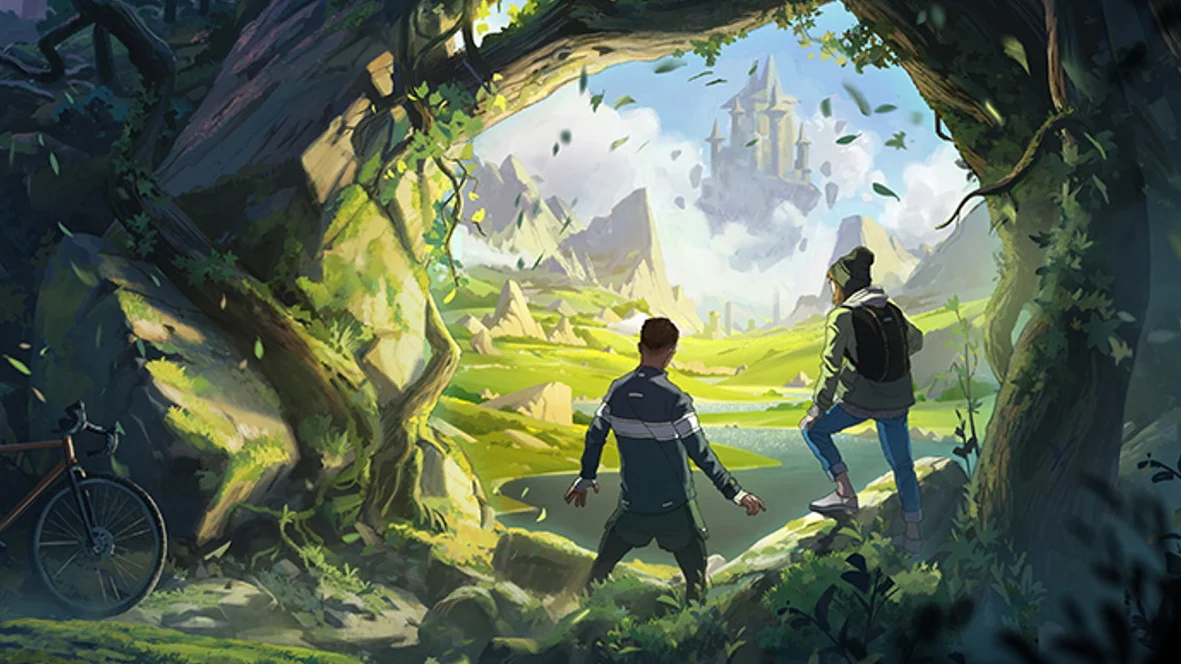
In the evolving landscape of the gaming industry, Microsoft’s Xbox division has long been viewed as a juggernaut of acquisition and expansion. Under the stewardship of former CEO Phil Spencer, the company embarked on an unprecedented spending spree, absorbing iconic studios like Bethesda Softworks and Activision Blizzard to solidify a "Netflix for Games" model via Xbox Game Pass. However, the narrative has shifted dramatically. Under the new leadership of CEO Asha Sharma, Microsoft has pivoted toward a philosophy of extreme fiscal discipline, resulting in widespread layoffs and the systematic dismantling of long-gestating projects.
As the company doubles down on established intellectual properties and safer, shorter-term development cycles, the industry is left to reckon with the collateral damage: a series of ambitious, high-budget, and conceptually daring games that were quietly shelved before they could ever reach a player’s console.
The Era of the "Xbox Reset"
The past few years have been defined by a relentless cost-cutting campaign across Microsoft’s gaming wing. What was once an era of "growth at any cost" has been replaced by an environment of lean operations, where projects that do not show an immediate path to profitability or fit into a specific, conservative growth strategy are deemed expendable.
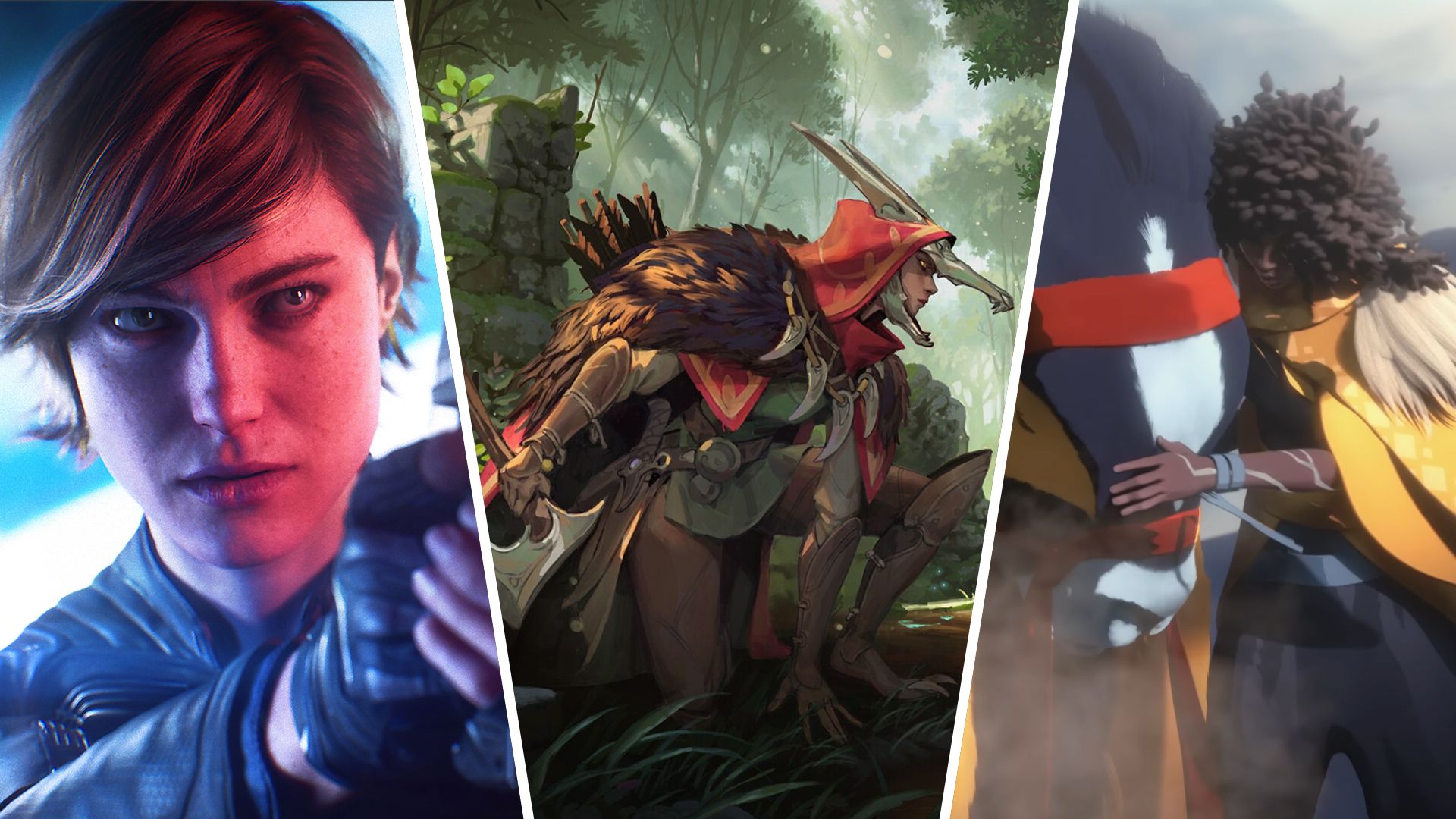
This "Xbox Reset" has seen the closure of several legendary studios and the cancellation of dozens of projects. While Microsoft maintains that these represent "hard but necessary decisions" to ensure long-term sustainability, the internal reality paints a picture of discarded potential. From survival games at Blizzard to ambitious MMOs at ZeniMax, the company has effectively wiped the slate clean of its most experimental ventures.
A Chronology of Discarded Dreams
Odyssey (Blizzard Entertainment) – Cancelled 2024
The cancellation of Odyssey sent shockwaves through the industry. Revealed to the public in 2022, the project had been in development for nearly five years. It was envisioned as a AAA survival game set in an entirely new, vibrant universe. Former Blizzard President Mike Ybarra had been a vocal proponent of the title, noting he had spent countless hours playing the build and was enamored with the world-building.
The project’s downfall was not necessarily a lack of quality, but a conflict of infrastructure. According to internal reports, the team was forced to migrate from the industry-standard Unreal Engine to a proprietary internal engine originally designed for mobile games. This technical friction, combined with the post-acquisition pressure to streamline, ultimately led to its cancellation.
Everwild (Rare) – Cancelled 2025
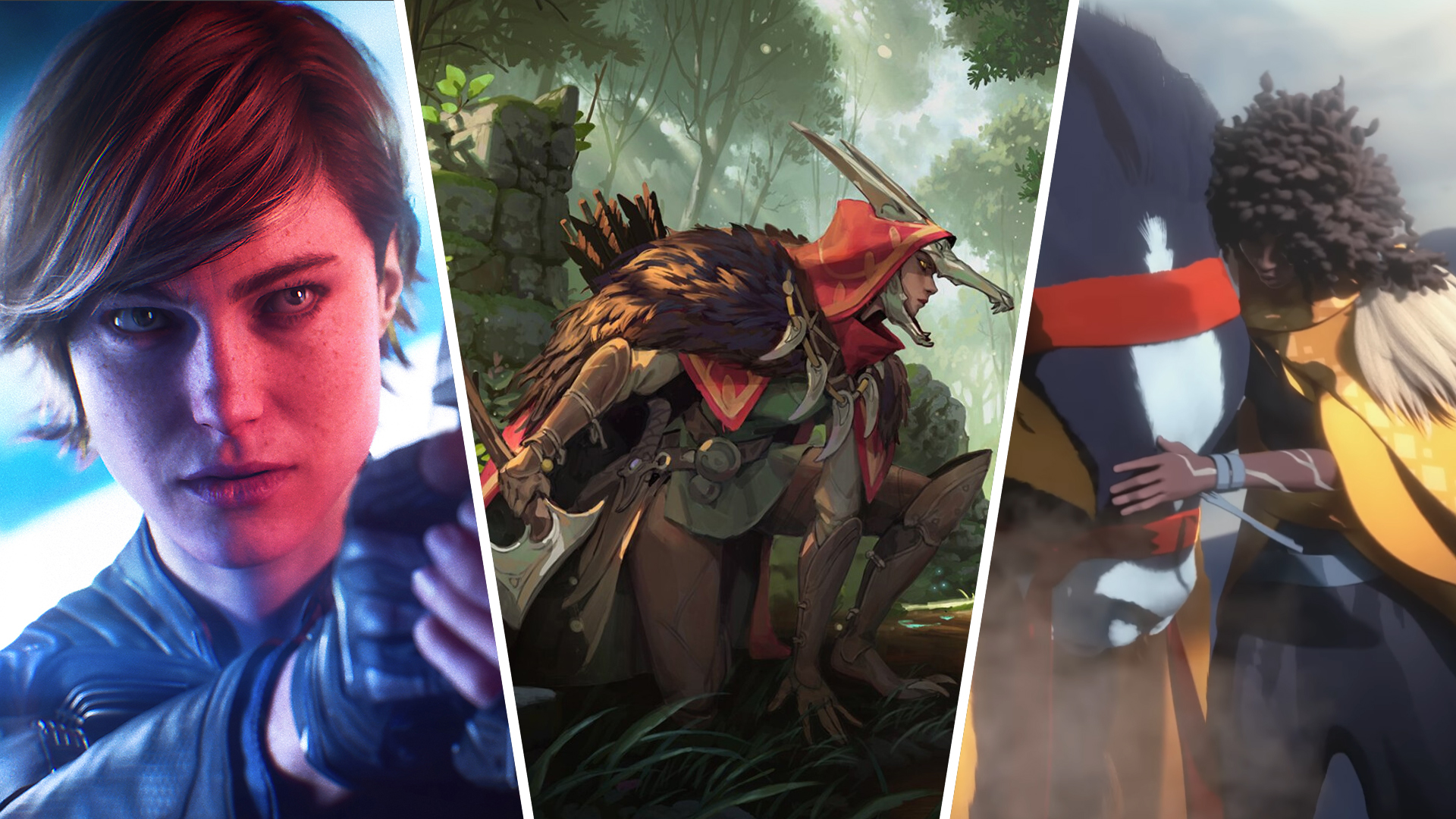
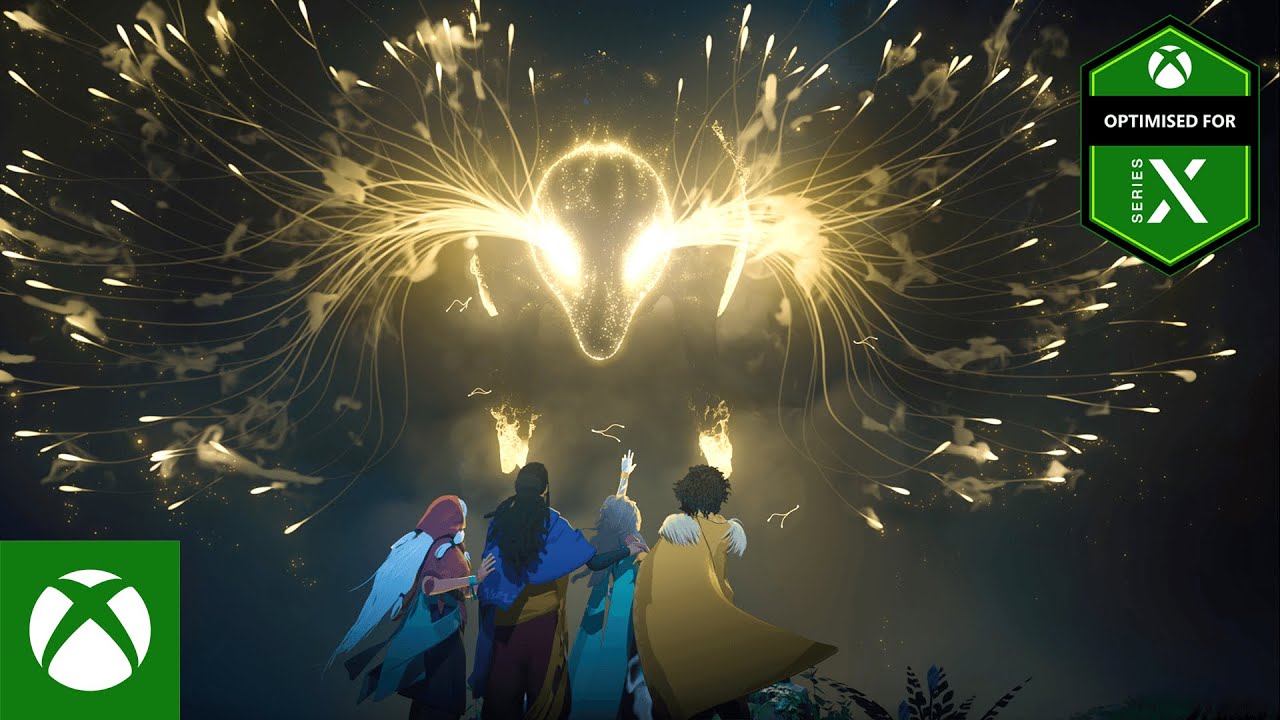
Perhaps the most visually distinct casualty, Rare’s Everwild was a beacon of artistic promise. Known for Sea of Thieves, Rare attempted to create something meditative and nature-focused with Everwild. The project suffered from multiple reboots, a common symptom of a studio trying to find its "voice" under corporate pressure. When the 2025 layoff waves hit, the studio’s most ambitious project—a game that prioritized beauty and kindness over the industry’s standard "exploding barrels and grimacing men"—was deemed too risky to continue.
Perfect Dark (The Initiative) – Cancelled 2025
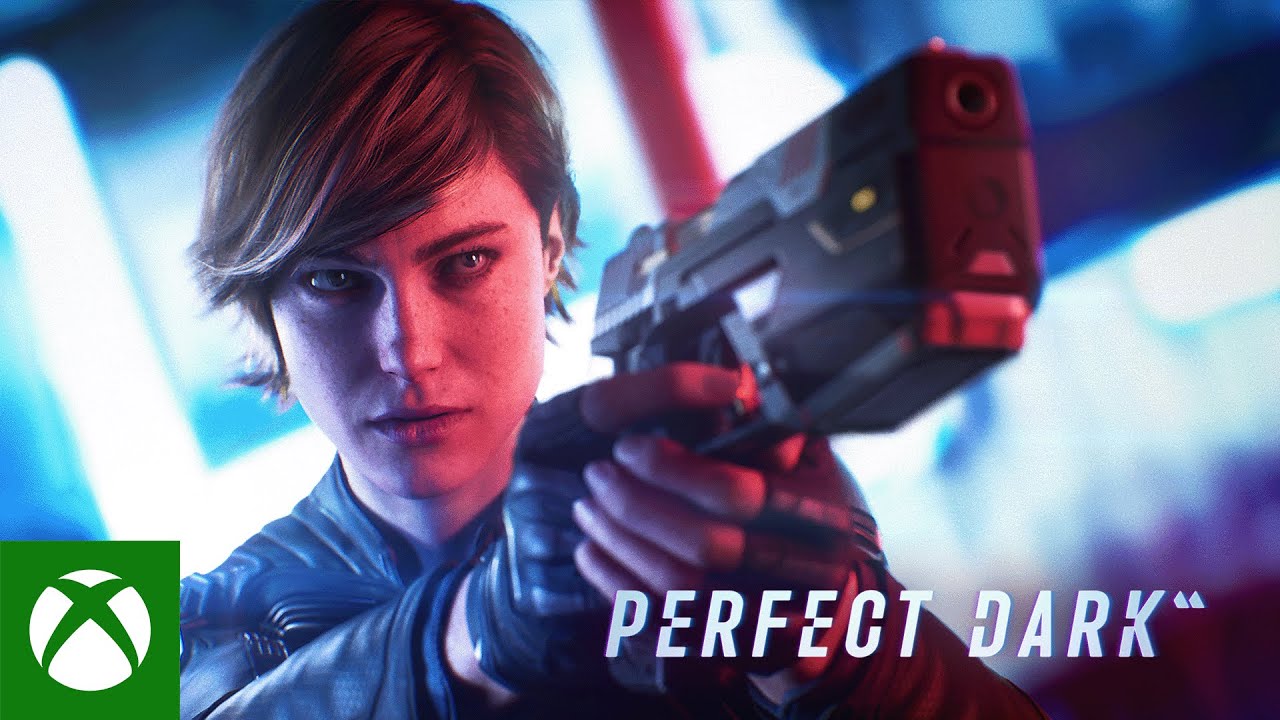
The reboot of the legendary Perfect Dark was once the crown jewel of The Initiative, a studio Microsoft built specifically to house top-tier talent. The gameplay reveal in 2024 generated genuine excitement, showcasing an immersive, gadget-heavy shooter that felt like a modern evolution of the classic formula. Despite this, the game was axed in 2025. Intriguingly, reports indicate that Take-Two Interactive attempted to step in and save the project, but the deal collapsed over intellectual property ownership disputes.
Contraband (Avalanche Studios Group) – Cancelled 2025
Announced at the 2021 Xbox & Bethesda Games Showcase, Contraband was a collaborative effort between Microsoft and the masters of open-world chaos, Avalanche Studios (the team behind Just Cause). Set in the 1970s, it was designed as a co-op smuggling game. Its cancellation represents a loss of a specific type of gameplay—the high-octane, sandbox, co-op crime genre—that remains relatively underserved in the current market.
Project Blackbird (ZeniMax Online Studios) – Cancelled 2025
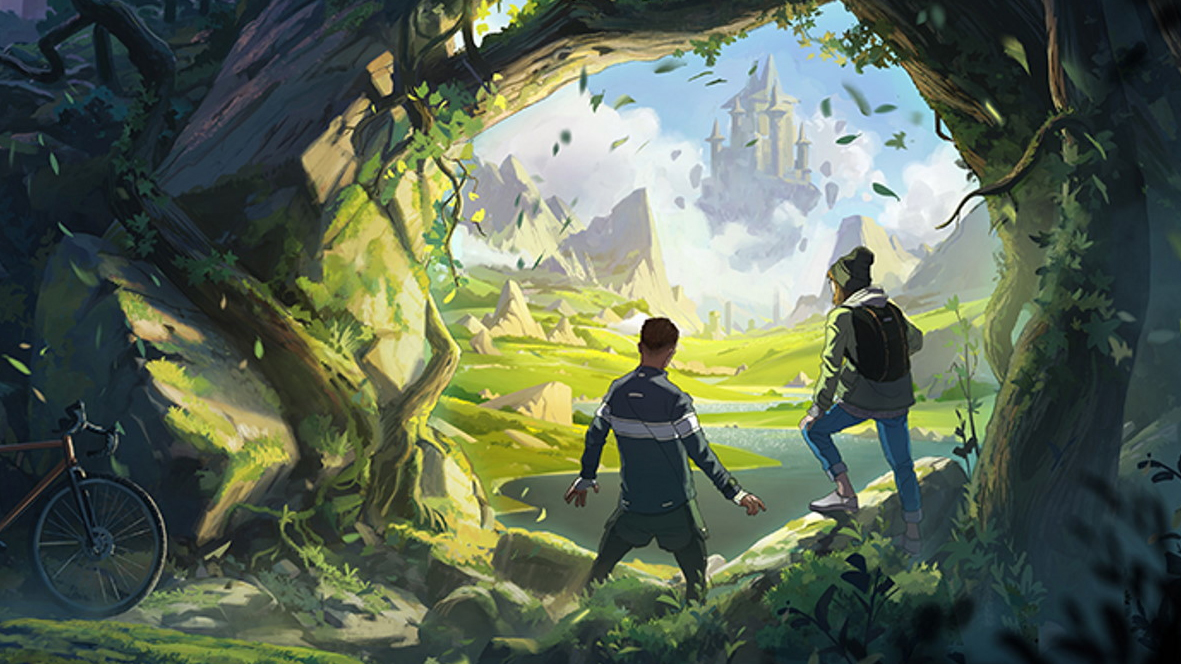
Perhaps the most tragic loss for the industry was Project Blackbird, an ambitious MMO from the creators of The Elder Scrolls Online. It had been in development for six years and had reportedly impressed top-tier executives, including Phil Spencer. ZeniMax Online Studios founder Matt Firor, who resigned following the cancellation, expressed that this was the game he had spent his entire career preparing to make.
Supporting Data: Why "Safe" Isn’t Always Better
Microsoft’s strategy rests on the assumption that "risky" games are poor investments. However, market data suggests otherwise. Even in the current economic climate, innovative titles find massive audiences. Subnautica 2, for example, sold over 4 million copies within its first week of early access.
The industry is currently suffering from a "sequel fatigue" crisis. By canceling Odyssey and Everwild, Microsoft is effectively pruning its portfolio of everything that doesn’t fit into a pre-approved, low-risk bucket. This creates a feedback loop: if the only games that get released are sequels to Halo or Gears of War, the public eventually loses interest, which then leads to further revenue stagnation, which then leads to more budget cuts. It is a cycle of contraction that leaves little room for the "next big thing."
Official Perspectives and the Corporate Divide
Microsoft’s official stance remains centered on "strategic alignment." When asked about the layoffs, spokespeople consistently emphasize the need to refocus resources on "key pillars" of the business.
However, the perspective from the developers themselves is far more critical. Matt Firor’s comments regarding the cancellation of Project Blackbird are telling. He noted that for a massive entity like Microsoft, a project must be gargantuan to move the needle. A "giant, successful game" is often seen as a failure if it isn’t a platform-defining success. This mismatch in scale—where a successful, profitable project is killed because it wasn’t a global, multi-billion-dollar phenomenon—is a hallmark of the current malaise within the AAA sector.
The Broader Implications for Gaming
The implications of these cancellations extend far beyond the titles themselves.
- Brain Drain: When studios like The Initiative are gutted, the talent doesn’t just sit idle. We are seeing a mass exodus of senior developers forming independent, employee-owned studios—like the team behind Sackbird. This is a positive development for indie gaming, but a catastrophic loss for the ability of large corporations to produce high-end innovation.
- Market Homogenization: As Microsoft shifts focus to established hits like The Elder Scrolls 6, the variety of games on the market shrinks. This creates an environment where players are offered the same mechanics in slightly different skins, leading to a dulling of the creative landscape.
- Erosion of Trust: When a company cancels games that have been in development for five or six years, it damages its reputation with both the creative community and the consumer base. Developers become less likely to take risks, and consumers become less likely to invest their time in "upcoming" announcements.
Conclusion: The Cost of Caution
The narrative of Microsoft’s recent years is one of transition—from an era of boundless optimism to one of rigid, data-driven austerity. While the company is undoubtedly more "profitable" in a narrow, quarterly sense, it is paying a heavy price in terms of cultural relevance and creative legacy.
By killing projects like Everwild and Project Blackbird, Microsoft has essentially told the world that it is no longer interested in being the home for the "risky, exciting, and new." Instead, it has opted to become a publisher of safe bets. For a medium that prides itself on imagination and the breaking of boundaries, this retreat into the comfort of the familiar is perhaps the most significant, and most disappointing, development of the decade. The industry will move on, and new studios will rise to fill the void, but the loss of these specific visions serves as a sobering reminder: in the world of big business, even the most promising ideas are only as valuable as their next quarterly report.

