

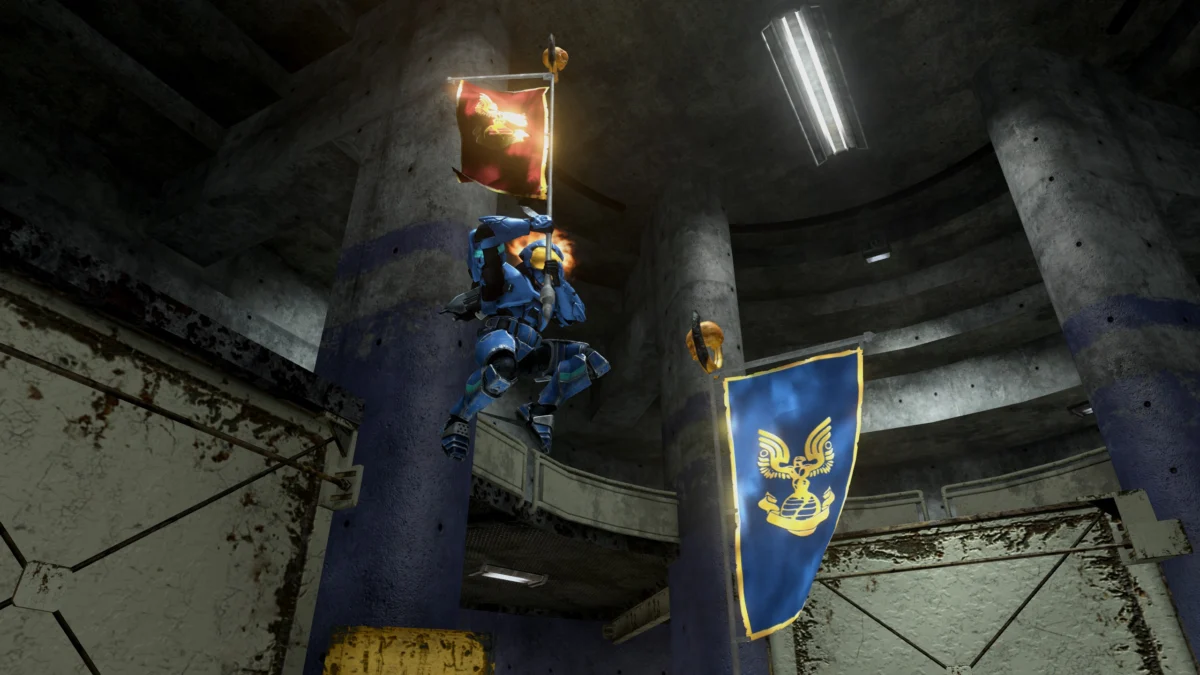
"FLAG STOLEN. FLAG DROPPED. FLAG STOLEN. FLAG DROPPED."
For three decades, these rhythmic, frantic announcer callouts have served as the heartbeat of the first-person shooter (FPS) genre. Long before the industry became dominated by the rigid, hyper-competitive structures of modern tactical shooters or the singular focus of battle royales, Capture the Flag (CTF) stood as the undisputed titan of multiplayer design. It was a mode that balanced the chaotic fun of a neighborhood pickup game with the high-stakes coordination of professional athletics. Yet, in today’s landscape of live-service shooters, the flag is increasingly nowhere to be found.
As we analyze the evolution of the genre, we must ask: What happened to the mode that once defined the golden age of PC gaming?
The Genesis: From Quake Mods to Industry Standards
The history of Capture the Flag is inextricably linked to the birth of the competitive FPS. While the concept of stealing a prize from an enemy base is as old as military strategy itself, its digital translation was cemented in the mid-90s.
The turning point occurred with the Threewave CTF mod for Quake, pioneered by Dave "Zoid" Kirsch. At a time when Quake was primarily defined by deathmatch arenas, Threewave introduced a structural layer that transformed the game. It wasn’t just about aiming; it was about map control, defensive posture, and the desperate, adrenaline-fueled sprint back to home base with an enemy’s flag in hand.
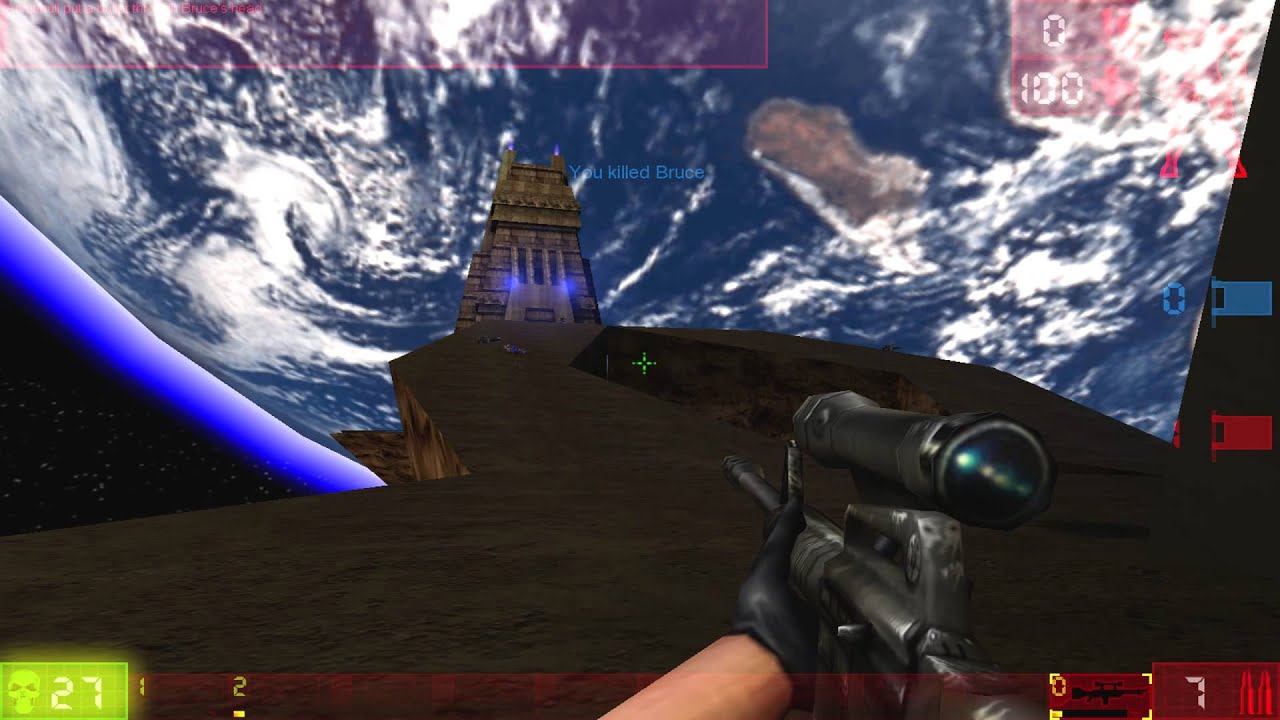
This innovation was transformative. It introduced a symbiotic relationship between offense and defense that required genuine teamwork. By the late 90s and early 2000s, this blueprint was adopted by industry giants. Unreal Tournament refined the high-speed, vertical nature of the mode, while Halo: Combat Evolved elevated it to a console-defining experience. The mode was not merely an "extra"; it was a cornerstone of the FPS identity.
Supporting the "Perfect" Mode: Why CTF Works
To understand why CTF is so sorely missed, one must look at where it sits on the spectrum of gameplay. FPS modes generally fall into two categories: the casual, low-stakes chaos of Team Deathmatch, and the "sweaty," high-precision tactical depth of Bomb Defusal modes like those found in Counter-Strike.
CTF occupies a unique middle ground—a "perfect" state of equilibrium. At a high level, it demands intense coordination, stealth, and map mastery. At a casual level, the objective can shift to the background, allowing players to treat the match as a social experience. Unlike Conquest or King of the Hill, where objective participation can be incidental, CTF requires intent.
The psychological draw is undeniable. There is perhaps no image more evocative in gaming than a flag dropped inches from a capture point. It represents a "near-miss" narrative—a story of a lone hero who braved enemy lines, outmaneuvered a defense, and ultimately succumbed to the pressure. These emergent stories are the hallmark of a mode that accommodates both the competitive "try-hard" and the casual player looking for a laugh.
The Structural Decline: The Death of the Arena Shooter
So, if the mode is so beloved, why has it vanished? The answer lies in the shifting economic and design philosophy of the modern gaming industry.
The waning presence of CTF directly correlates with the decline of the Arena Shooter—a genre defined by high-speed movement, map-based pickups, and varied game modes. In the era of Quake and Tribes, developers were expected to ship with a variety of ways to play. Today, the industry has shifted toward "live-service" models, which favor deep investment in a single, primary mode.
Modern giants like Counter-Strike 2 and Rainbow Six Siege are hyper-focused. They are built around the high-tension, singular objective of bomb defusal. Because these games are balanced down to the pixel for that one specific mode, they leave little room for the sprawling, open-ended map design required for a proper CTF experience. Similarly, Hero Shooters and Battle Royales, which now dominate the market, are fundamentally incompatible with the symmetrical, base-to-base nature of traditional CTF.

Even Call of Duty, which once boasted a diverse rotating playlist of game types, has relegated CTF to the sidelines. In the last seven years, it has appeared only as an occasional, late-season addition rather than a core launch staple.
Official Industry Stance and Developer Struggles
The difficulty of reviving this classic mode is best evidenced by the struggles of indie developers. In recent years, studios have attempted to create standalone shooters built around the "capture" objective, only to find that the market is indifferent to such singular concepts.
The developers of titles like Last Flag and Highguard have faced harsh realities, ranging from significant layoffs to the abandonment of projects. These failures highlight a painful industry truth: the modern audience, conditioned by matchmaking algorithms and battle passes, often struggles to engage with a mode that requires the patience and social cohesion of a server-based community.
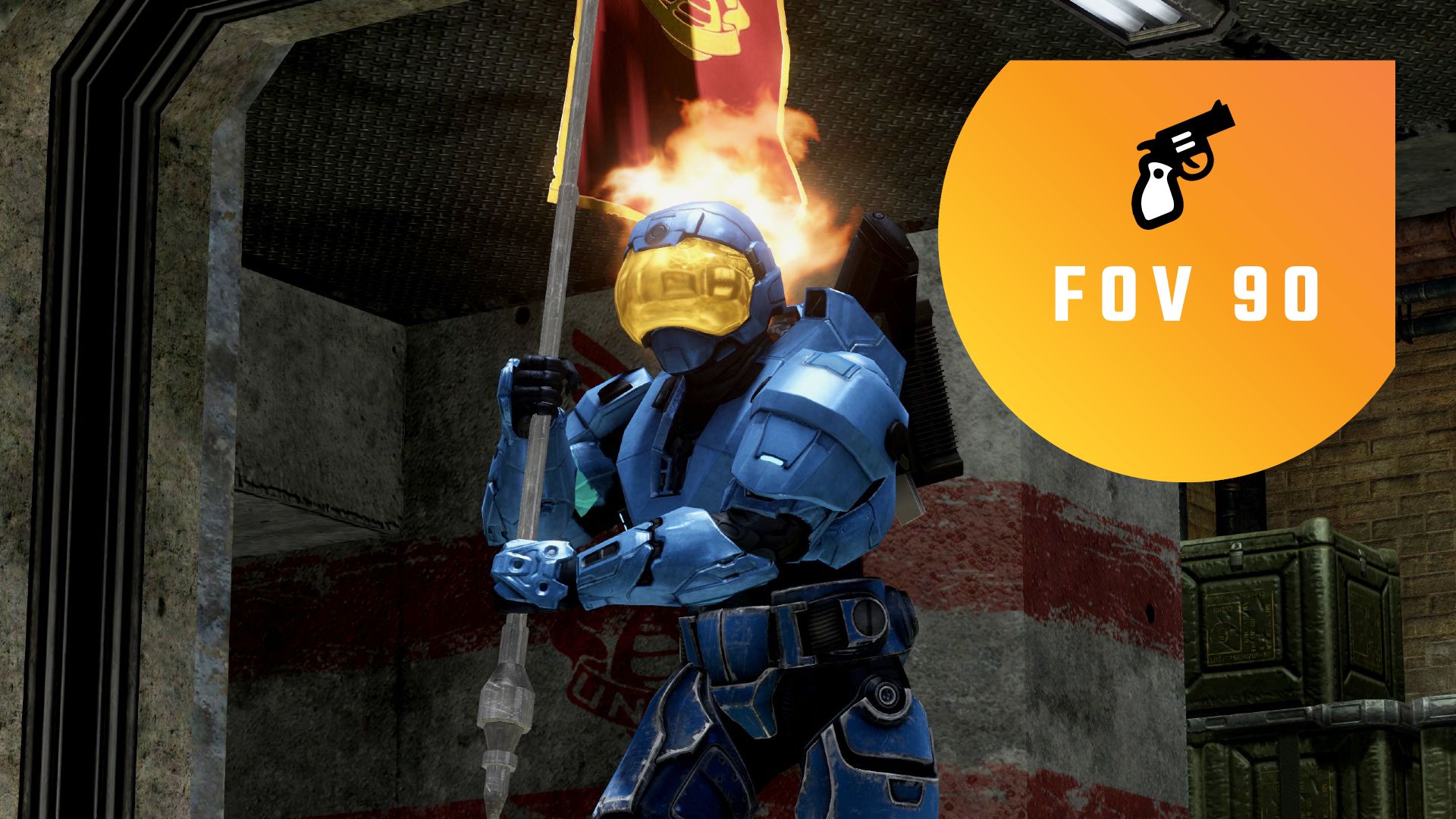
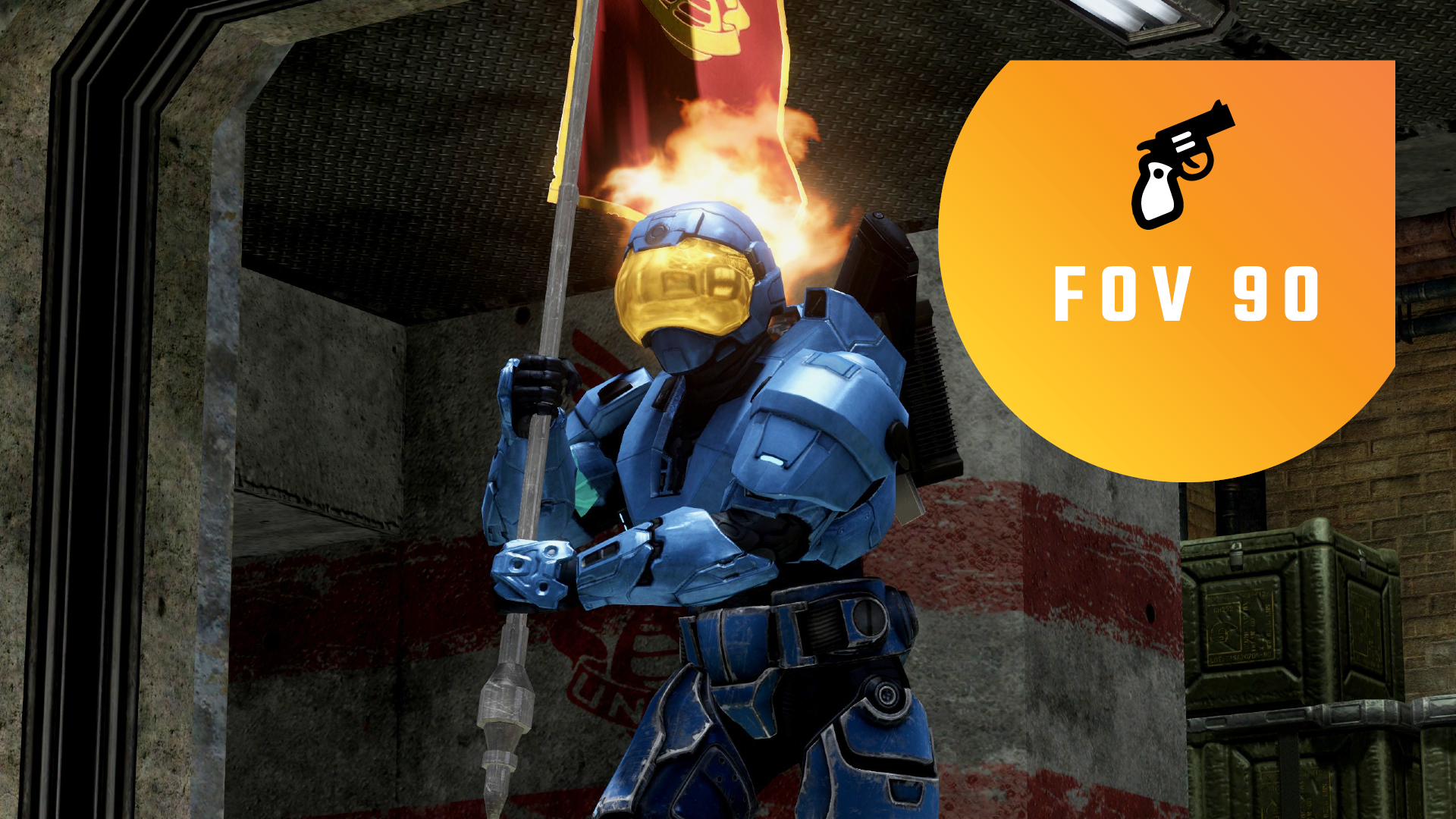
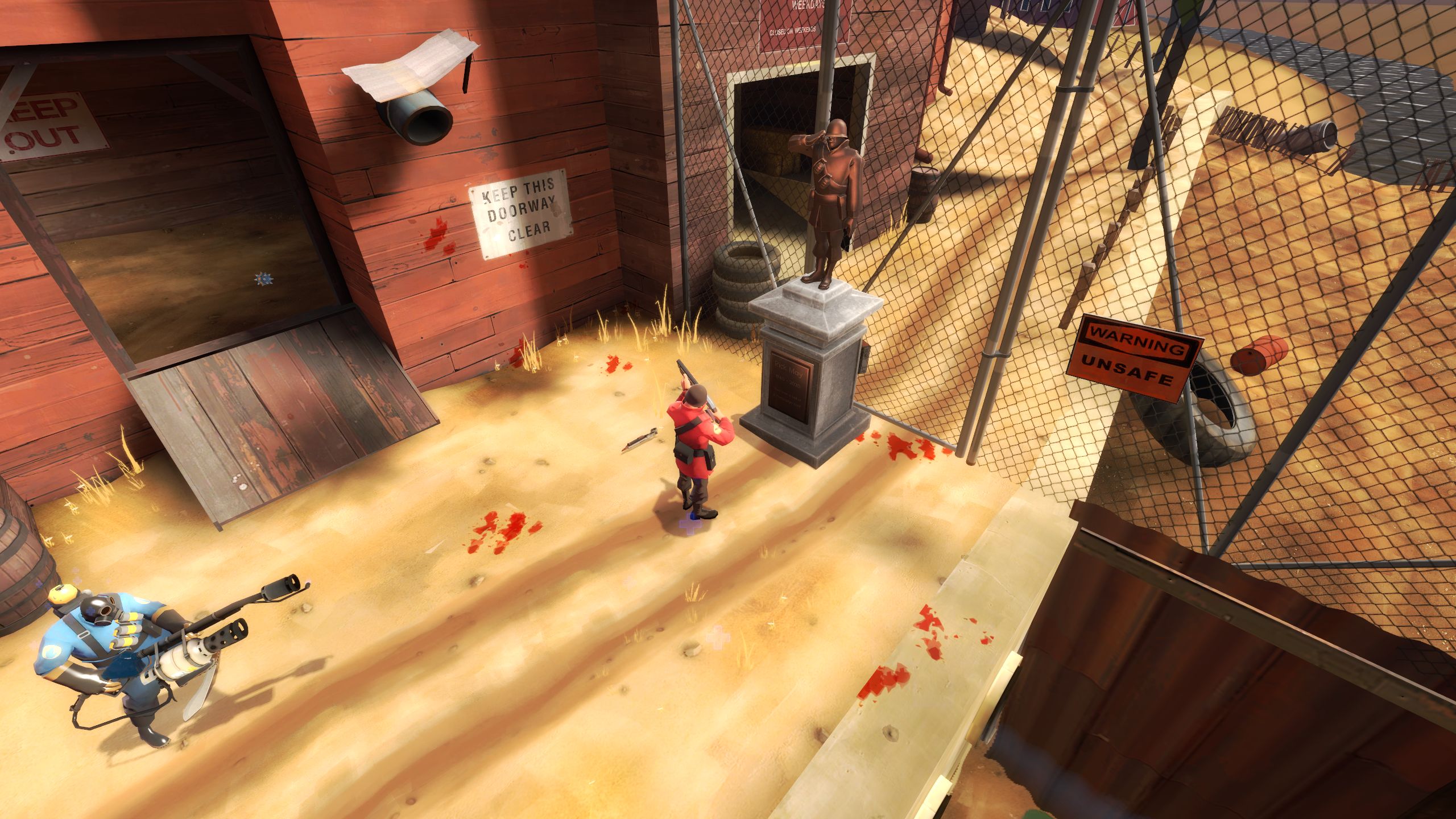
When we look at the few remaining bastions of the mode, we see how fragile the ecosystem is. Team Fortress 2 remains a survivor, with the map 2Fort serving as a legendary, swiss-cheese monument to the mode’s endurance. Meanwhile, Halo Infinite and the Master Chief Collection offer perhaps the most polished version of the mode currently available. Halo succeeds because it treats the flag as a physical entity—a heavy, vulnerable object that forces the team to guard the carrier, turning the flag itself into a weapon.
The Implications: What We Lose When We Lose Variety
The disappearance of CTF represents more than just the loss of a game mode; it reflects a fundamental change in the "spirit" of multiplayer gaming.
In the early 2000s, the multiplayer FPS was a "place"—a digital hangout spot with regulars, house rules, and community-run servers. You played to be part of that community. Today, the experience is dictated by aggressive, efficiency-focused matchmaking that isolates players from one another. We have traded the social, slightly messy, and highly flexible experience of a CTF lobby for the streamlined, competitive grind of modern seasonal shooters.
When we look back at the thread-count of gaming history, we see that CTF was the glue that held disparate playstyles together. It allowed for the speed-runner to thrive, the defender to hold the line, and the coordinated squad to dominate. By removing such flexible modes, the industry has narrowed the definition of what an FPS can be.
A Call for a Renaissance?
Is there a future for the flag? Perhaps not as the center of a new, major franchise, as the market is too saturated with tactical shooters and battle royales. However, there is a clear appetite for the variety that CTF once provided.
As player fatigue grows regarding the "one-mode-fits-all" approach of modern live services, there may be a window for developers to reconsider the value of the "side-mode." The success of retro-inspired shooters and the enduring, cult-like popularity of Halo’s arena modes suggest that players are still hungry for that specific brand of "pickup basketball" social competition.
Capture the Flag doesn’t need to be the next industry-shaking trend to be successful. It just needs to be given the space to exist. It remains, as it always has been, the perfect pastime—a testament to the idea that a game doesn’t have to be a hyper-realistic, high-stakes tactical simulation to be the most fun you can have online.
As we look toward the future of the genre, let us hope that someone remembers the simple, chaotic, and exhilarating joy of a flag run. Until then, the anthem of the genre remains a distant echo, waiting for someone to pick it back up.

