

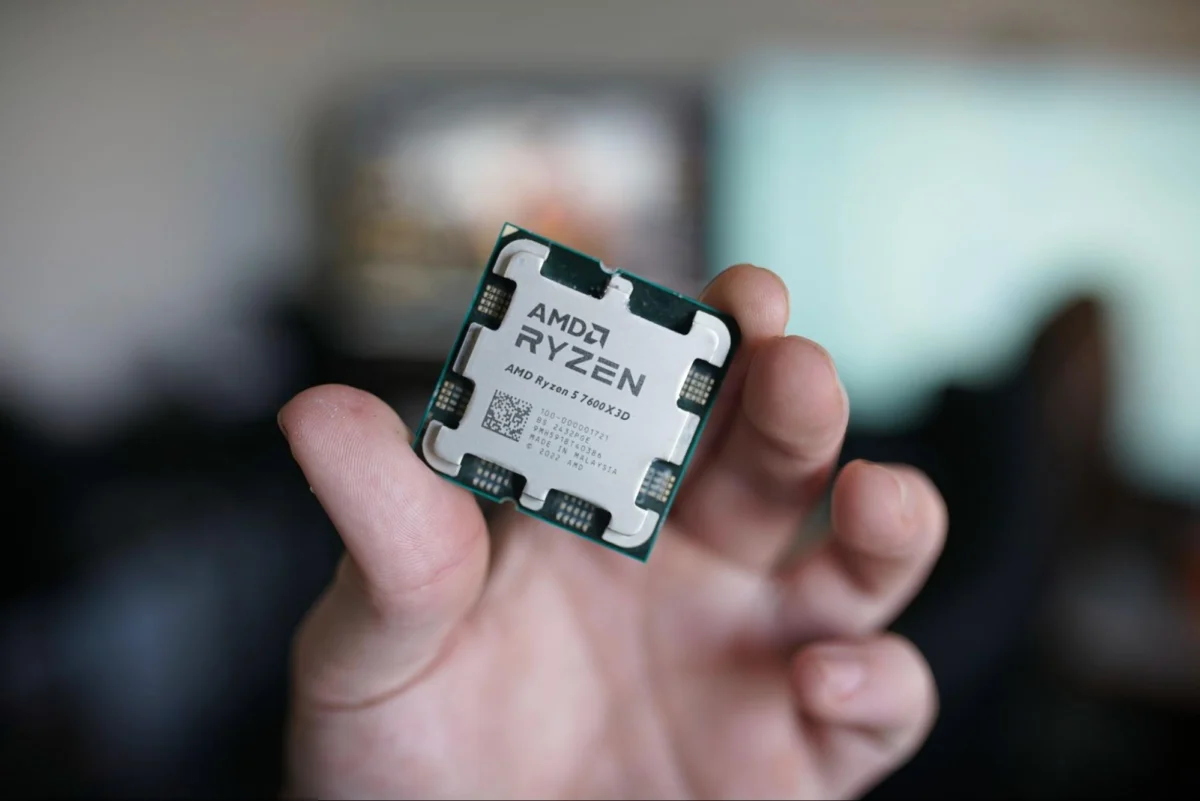
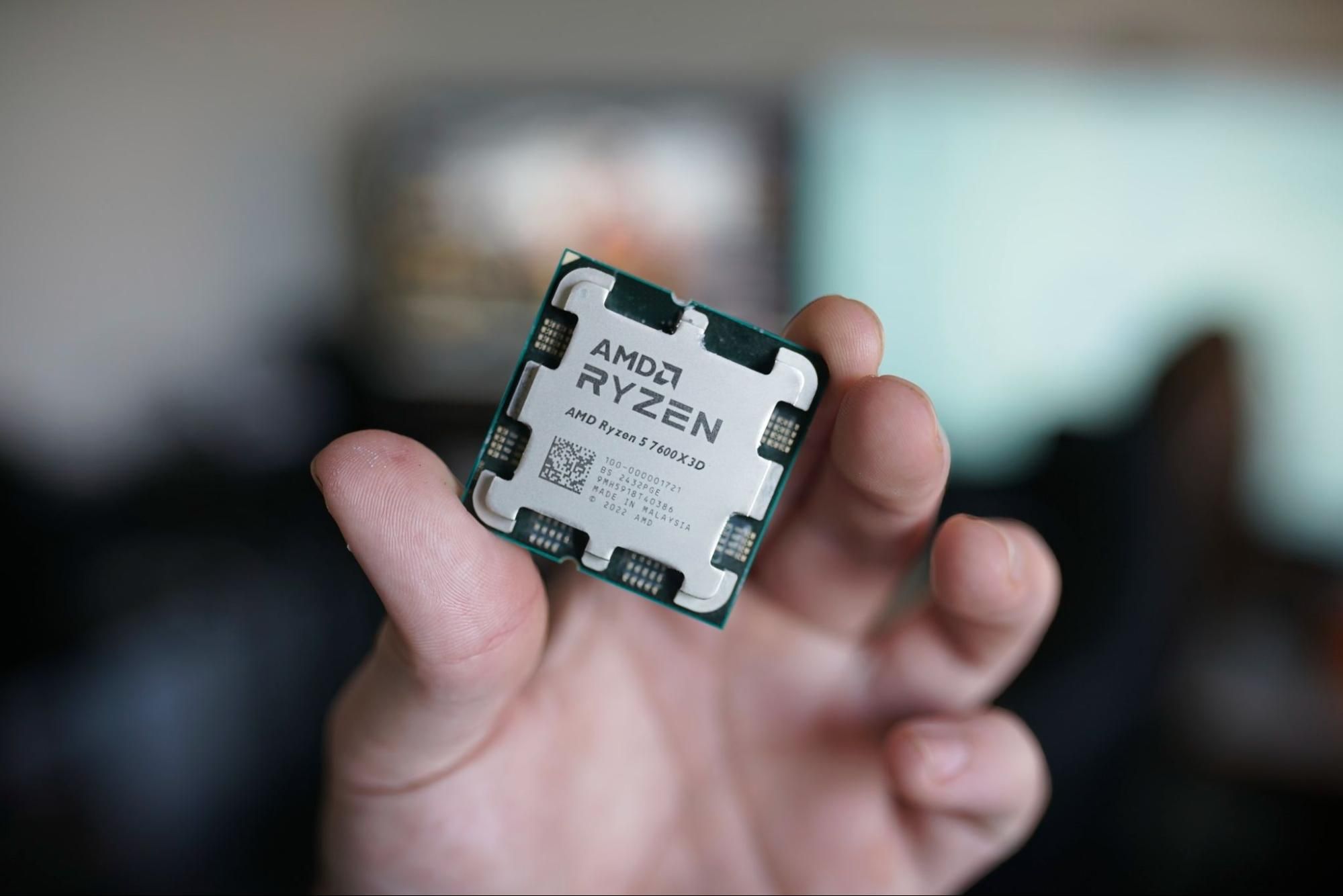
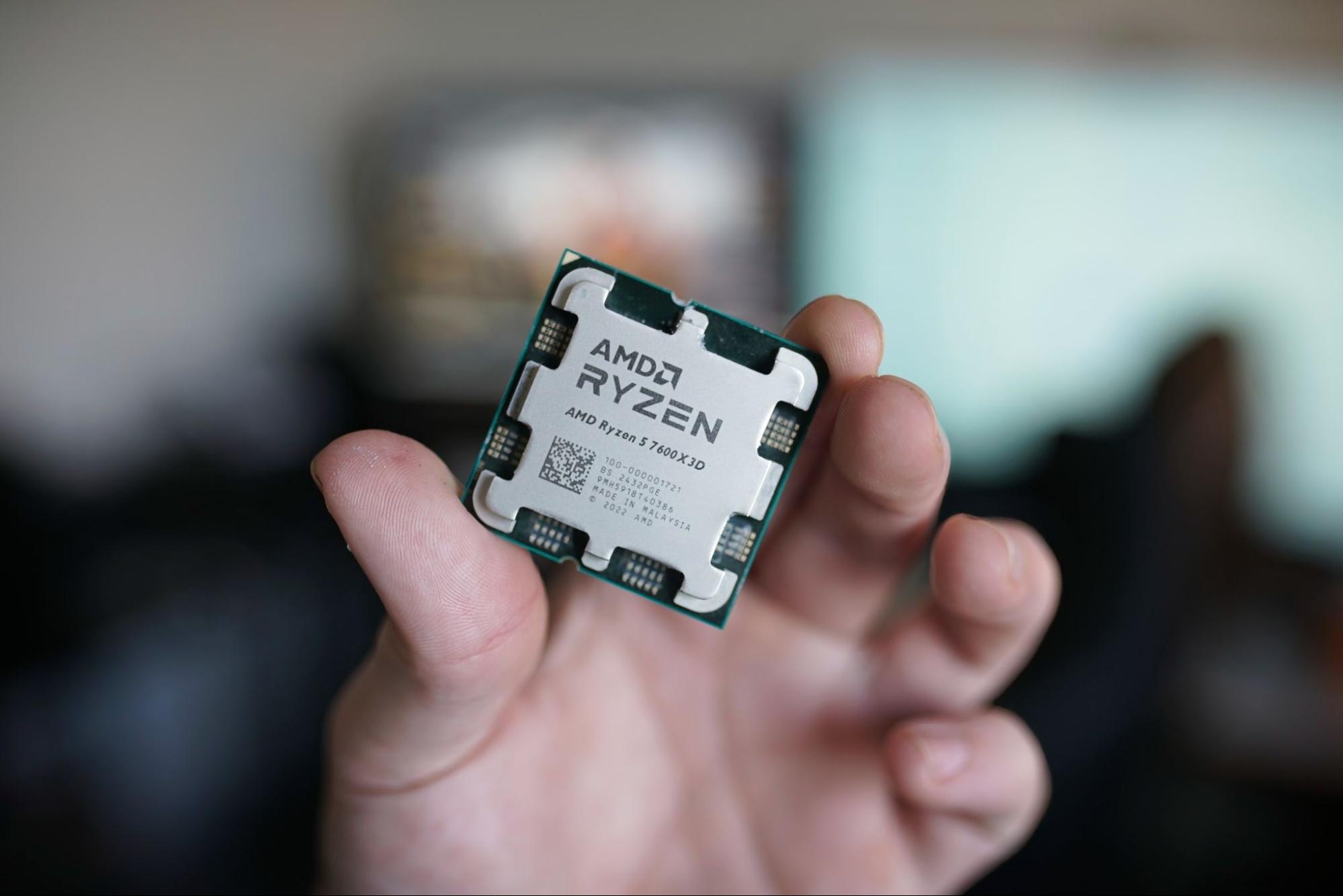
San Jose, CA – June X, 2024 – Following a period of quiet removal and subsequent widespread community concern, Advanced Micro Devices (AMD) has confirmed it will reinstate Transparent Secure Memory Encryption (TSME) on its desktop Ryzen 9000 series processors. The feature, marketed as Memory Guard for AMD’s professional-grade Ryzen PRO lineup, provides a crucial layer of defense against sophisticated physical attacks, such as cold boot vulnerabilities. This reversal, communicated directly to Tom’s Hardware, signals AMD’s responsiveness to "valuable community feedback" and aims to restore a security capability that was silently disabled earlier this year through an AGESA firmware update.
The decision to bring TSME back marks a significant development for consumers and the broader PC hardware security landscape. Its initial removal, first reported by Ars Technica, raised questions about transparency in firmware updates and the differentiation strategy between AMD’s consumer and professional product lines. Users of non-PRO Ryzen 9000 chips can now anticipate the return of this hardware-based memory encryption in an upcoming BIOS release scheduled for July.
Unpacking Transparent Secure Memory Encryption (TSME)
To fully appreciate the significance of AMD’s decision, it is essential to understand what Transparent Secure Memory Encryption (TSME) is, how it functions, and the specific threats it aims to mitigate.
What is TSME and How Does it Work?
TSME is a sophisticated firmware-level security feature designed to protect data stored in a system’s Random Access Memory (RAM). At its core, TSME enables the processor to generate a unique encryption key, which is then used to encrypt all data written to RAM. Conversely, all data read from RAM is decrypted on the fly by the processor before being processed. This entire process is "transparent" to the operating system and applications, meaning they operate without needing to be aware of or manage the encryption themselves. The user does not interact with the encryption keys directly; the hardware handles it seamlessly in the background.
This hardware-level implementation is crucial for its effectiveness. Unlike software-based encryption, which relies on the operating system and can be vulnerable to certain attacks if the OS itself is compromised, TSME operates at a fundamental level within the CPU. This ensures that even if an attacker gains control over software, the data in memory remains encrypted at rest within the RAM modules. The primary goal is to prevent unauthorized access to sensitive information by anyone who might gain physical access to the computer’s memory.
The Threat: Understanding Cold Boot Attacks
The specific threat TSME primarily defends against is known as a cold boot attack. This type of attack exploits a fascinating property of DRAM (Dynamic Random Access Memory): data in RAM does not vanish instantly when power is removed. Instead, it degrades over a short period, typically seconds to minutes, depending on ambient temperature and memory type.
In a cold boot attack scenario, a malicious actor gains physical access to a running or recently powered-down computer. They then quickly remove the RAM modules and immediately insert them into a specialized forensic device or another computer. By "cold booting" this new system or device, the attacker can then dump the residual data from the RAM before it fully dissipates.
The information that can be extracted in such an attack can be highly sensitive. This includes encryption keys for full disk encryption, login credentials, cached personal data, session tokens, and other proprietary information that was actively in use or recently accessed by the system. For corporate environments, this could mean access to trade secrets or critical infrastructure credentials. For individuals, it could expose banking details, private communications, or other personally identifiable information.
While cold boot attacks require physical access and specialized tools, making them less common than remote cyberattacks, they represent a significant threat for specific use cases. Devices that might be stolen (laptops), systems in less physically secure environments, or those handling extremely sensitive data (e.g., government, finance, research) are particularly vulnerable. TSME acts as a robust countermeasure by ensuring that even if RAM modules are physically extracted, the data they contain remains encrypted and therefore unintelligible without the processor’s unique key, which cannot be easily retrieved.
A Timeline of Disappearance and Reappearance
The journey of TSME on consumer Ryzen CPUs has been marked by a peculiar sequence of events, from its initial presence to its silent removal and now, its promised return.
Early Adoption and Confirmation (Ryzen 7 3700X Era)
TSME was not a new or obscure feature. Ars Technica‘s reporting confirmed that AMD had supported TSME on consumer CPUs as far back as 2020, with the launch of processors like the Ryzen 7 3700X. This established a precedent: consumers purchasing AMD Ryzen chips, even non-PRO variants, could reasonably expect this hardware-level memory encryption capability to be available. It was integrated into the underlying silicon and exposed through the system’s firmware, providing an invisible but important security layer. For many users, this was a welcome addition, offering enhanced data protection without requiring any active management on their part.
The Silent Removal: AGESA 1.2.7.0
The turning point came earlier this year with the release of AGESA 1.2.7.0. AGESA, or AMD Generic Encapsulated Software Architecture, is a fundamental firmware library provided by AMD to motherboard manufacturers. It is responsible for initializing the CPU, memory, and other critical components during the boot process. Motherboard vendors integrate AGESA into their BIOS/UEFI firmware, and updates to AGESA often bring new features, performance enhancements, or bug fixes.
However, with AGESA 1.2.7.0, AMD silently removed the option to enable TSME from the BIOS of its consumer Ryzen chips. "Silently" is the operative word here: there was no public announcement, no detailed changelog from AMD informing users that a security feature was being deprecated or removed. This lack of transparency meant that countless users updated their motherboard firmware, unknowingly losing a security capability they previously possessed. This practice raised serious concerns within the tech community, as users generally expect firmware updates to improve their system or, at the very least, not diminish its existing functionality, especially concerning security.
Community Discovery and Outcry
The silent removal didn’t go unnoticed indefinitely. The credit for uncovering this change largely goes to Ben Kilpatrick, a diligent security researcher and author for Ars Technica. Kilpatrick discovered the absence of TSME after conducting a security audit on a new machine equipped with a Ryzen 7 9700X. His findings were surprising, given the prior existence of the feature.
To confirm his observations, Kilpatrick collaborated with his motherboard vendor, MSI. Through their investigation, it was confirmed that TSME had indeed been supported on earlier firmware versions but was conspicuously absent after updating to AGESA 1.2.7.0. This systematic disabling via firmware pointed directly to a decision made at AMD’s level.
Following this confirmation, Kilpatrick took the crucial step of raising a bug report on AMD’s GitHub repository. The initial response from Mario Limonciello, a senior principal software engineer at AMD, was terse and unhelpful: "My apologies, but I don’t have any more information to share on this topic." This non-committal reply further fueled speculation and frustration, suggesting that AMD was either unwilling or unable to provide a public explanation for the change. The lack of transparency and the perceived dismissal of a legitimate security concern quickly garnered attention across the tech community, leading to the Ars Technica report and subsequent inquiries from outlets like Tom’s Hardware. This collective community pressure ultimately played a pivotal role in prompting AMD’s reassessment.
Supporting Data and Industry Context
The context of TSME’s removal and reinstatement is broader than just a single feature. It touches upon industry trends in hardware security and the strategic decisions manufacturers make regarding product segmentation.
The Landscape of CPU Security Features
In an era of escalating cyber threats, hardware-level security features are becoming increasingly vital. Both AMD and Intel have invested heavily in developing technologies that create a "root of trust" within the processor, aiming to secure systems from the lowest possible level.
Intel, for instance, offers technologies like Software Guard Extensions (SGX) and more recently, Trust Domain Extensions (TDX). SGX allows applications to create "enclaves" – protected regions of memory where sensitive code and data can reside, isolated from the rest of the system, including the operating system and hypervisor. TDX, building on this, aims to create hardware-isolated virtual machines. Microsoft’s Virtualization-based Security (VBS) also leverages hardware virtualization features to create isolated memory regions, protecting critical system processes and data.
AMD’s Secure Encrypted Virtualization (SEV), a feature of its EPYC server processors, similarly focuses on encrypting virtual machine memory to protect workloads in cloud environments. TSME, or Memory Guard, for desktop processors, fits into this broader strategy of securing memory. While TSME focuses specifically on physical cold boot attacks, these various technologies collectively represent a concerted effort by chipmakers to harden the foundational layers of computing against a diverse range of sophisticated threats. The expectation, therefore, is that security features, once implemented, should generally be maintained or improved, not removed without explanation.
The PRO vs. Consumer Divide
One significant theory circulating after TSME’s silent removal was that it was an intentional move by AMD to further differentiate its Ryzen PRO lineup from its standard consumer Ryzen chips. AMD’s PRO processors are specifically designed for commercial environments, offering enhanced security features, robust manageability tools, and enterprise-grade stability and longevity. Memory Guard, as TSME is branded for PRO chips, is a key selling point for these business-focused CPUs.
If TSME were to remain universally available on non-PRO chips, it could potentially dilute the perceived value proposition of the PRO series’ security suite. By disabling it on consumer parts, AMD could create a clearer distinction, compelling businesses or users with higher security demands to opt for the more expensive PRO variants.
However, this strategy, if it was indeed the motivation, proved to be a misstep in this instance. Removing an existing feature, rather than simply adding new ones exclusively to the PRO lineup, led to consumer dissatisfaction and accusations of anti-consumer practices. While market segmentation is a common business practice, doing so by quietly deprecating a security feature that was already present and expected can erode trust. The argument against this approach is that basic, fundamental security features, once established, should ideally remain available to all users, regardless of whether they purchase a "PRO" branded product, especially when the underlying hardware capability is present in the silicon.
AMD’s Official Response and Reversal
The silence from AMD following the initial reports was deafening, but the mounting pressure from the community and tech media eventually elicited a formal response.
The Initial Silence and Subsequent Statement
For weeks after Ben Kilpatrick’s discovery and the Ars Technica exposé, AMD remained "radio silent," offering no public comment or explanation for the removal of TSME. This lack of communication only exacerbated concerns and fueled speculation about AMD’s intentions. It was only after Tom’s Hardware directly approached AMD for a statement that the company finally broke its silence, offering a comprehensive explanation and, crucially, announcing its reversal.
The full statement provided by AMD to Tom’s Hardware reads:
"We take the security of our customers’ data very seriously.
AMD Memory Guard (Transparent Secure Memory Encryption, or TSME) is a hardware-based memory encryption technology available on our Ryzen PRO desktop and mobile processors where supported in silicon. It is a foundational security feature, and we have no plans to remove support from our Ryzen PRO lineup. This commitment holds now and in the future.
Regarding certain non-PRO Ryzen 9000-series desktop processors, a BIOS option to enable Memory Guard was previously available but was removed in a recent update. Based on valuable community feedback, we will reinstate this option in an upcoming BIOS release in July."
Interpreting AMD’s Stance
AMD’s statement is a carefully worded response that simultaneously acknowledges the issue, reaffirms its commitment to security for its PRO lineup, and announces a solution for its consumer products.
Firstly, the opening line, "We take the security of our customers’ data very seriously," is a standard corporate assurance, but its context here is crucial. It attempts to re-establish trust after a period of perceived negligence regarding a security feature.
Secondly, AMD clearly delineates its commitment to Memory Guard (TSME) for its Ryzen PRO processors. By stating, "It is a foundational security feature, and we have no plans to remove support from our Ryzen PRO lineup. This commitment holds now and in the future," AMD reinforces the value proposition of its professional offerings and assures enterprise customers that their security needs are paramount. This part of the statement subtly reinforces the PRO/non-PRO distinction, even as they concede on the consumer front.
Most importantly, the third paragraph addresses the core issue directly: "Regarding certain non-PRO Ryzen 9000-series desktop processors, a BIOS option to enable Memory Guard was previously available but was removed in a recent update. Based on valuable community feedback, we will reinstate this option in an upcoming BIOS release in July." This is the admission of removal and the promise of reinstatement. The phrase "based on valuable community feedback" is a critical acknowledgement. It highlights the power of informed users and tech journalism in holding manufacturers accountable. While it doesn’t offer a specific reason for the initial removal, it implicitly suggests that the decision was either an oversight or a calculated risk that backfired due to public reaction.
The absence of a direct explanation for why it was removed initially is still a point of critique. Was it a technical issue? A performance concern that has since been resolved? Or purely a market segmentation strategy that was deemed too aggressive? Without more detail, speculation will continue. However, the promise of reinstatement in July is a positive and concrete step towards addressing the community’s concerns.
Broader Implications and Future Outlook
The saga of TSME on consumer Ryzen CPUs carries significant implications for consumer rights, manufacturer transparency, and the future of hardware security.
The Importance of Transparency in Firmware Updates
This incident underscores the critical importance of transparency from hardware manufacturers, particularly when it comes to firmware updates. BIOS/UEFI updates are low-level changes that can profoundly affect a system’s functionality, stability, performance, and security. When a manufacturer quietly removes a feature, especially one related to security, it erodes consumer trust. Users rely on detailed changelogs and clear communication to understand the impact of updates they install. The expectation should be that any change to a security feature, whether it’s an improvement, a bug fix, or a deprecation, is clearly communicated and justified. This incident serves as a stark reminder to all hardware vendors about the potential backlash from a well-informed and vigilant user base.
Consumer Rights and Security Expectations
This situation also raises questions about consumer rights and expectations regarding product features. If a capability is present in the hardware and enabled through firmware at the time of purchase, do consumers have a "right" to expect that feature to remain available throughout the product’s lifespan? While manufacturers constantly evolve their products and strategies, unilaterally removing features, especially those related to security, without notice, can be perceived as diminishing the value of the purchased product. In an increasingly interconnected and threat-laden digital world, consumers are becoming more aware of and demanding about the security features built into their hardware. This incident highlights that security is not just a niche concern for businesses; it’s a growing expectation for all users.
Looking Ahead: What to Expect in July and Beyond
As July approaches, the tech community will be keenly watching for the promised BIOS releases. Motherboard manufacturers will need to integrate AMD’s updated AGESA firmware into their own BIOS versions and distribute them to users. Consumers with Ryzen 9000 series processors will then need to update their motherboard firmware to regain access to the TSME option. It’s crucial for users to exercise caution when updating BIOS, following manufacturer instructions carefully.
Beyond this specific reinstatement, the incident could prompt AMD and other manufacturers to adopt more transparent practices regarding firmware updates, particularly for security-related features. It might lead to more robust communication channels, clearer changelogs, and a greater emphasis on consumer feedback in product development and maintenance cycles. The outcome of this situation demonstrates that community vigilance, coupled with responsible tech journalism, can indeed influence corporate decisions and ensure that critical security features remain accessible to users. The industry will likely learn from this episode, hopefully moving towards a future where security enhancements are celebrated, and any changes are communicated with the clarity and respect that consumers deserve.

