

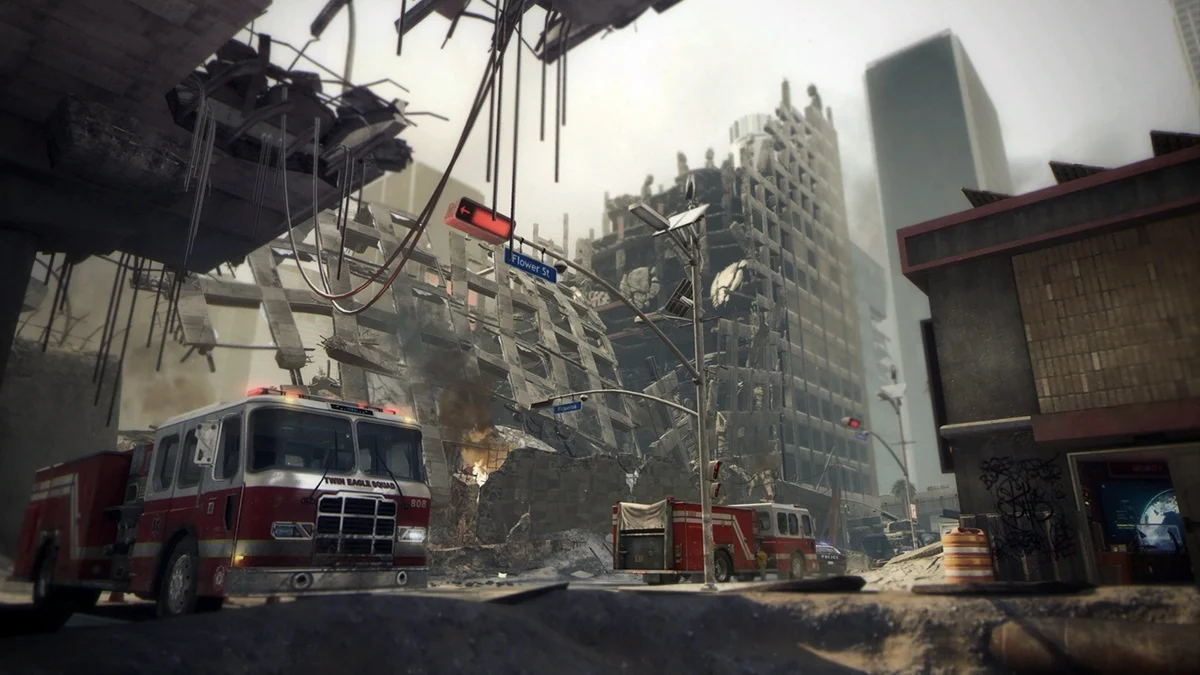
It is finally official: two of the most iconic titles in the history of the first-person shooter genre are making a long-awaited return. Following weeks of persistent rumors and industry leaks, Treyarch has confirmed that Call of Duty: Black Ops and Call of Duty: Black Ops 2 are being ported to modern PlayStation hardware. Scheduled for a July 2026 launch, these titles represent a significant milestone for PlayStation fans who have spent over a decade unable to access these classics on contemporary consoles.
While the announcement has sent waves of excitement through the community, it has also arrived with a set of specific caveats that clarify what this release is—and, perhaps more importantly, what it is not. As developers and publishers navigate the complex waters of legacy software emulation, this move marks a pivotal shift in how Activision handles its back catalog on the PlayStation Network.
Main Facts: The Scope of the Release
The core of the announcement is straightforward: Black Ops 1 and Black Ops 2 are coming to the PlayStation 5. For the first time since the PlayStation 3 era, players will be able to experience the seminal campaigns, the adrenaline-fueled multiplayer, and the genre-defining Zombies modes of these two games on modern hardware.
Treyarch has officially tapped Iron Galaxy Studios to handle the technical heavy lifting of these ports. Iron Galaxy is well-regarded in the industry for their expertise in porting and optimization, a necessity given the notorious difficulty of translating software written for the PlayStation 3’s unique "Cell" architecture to the x86-based architecture of the PlayStation 5.
Key confirmed features include:
- Full Feature Parity: Both games will include the complete original packages: Campaign, Multiplayer, and the Zombies modes that birthed a cultural phenomenon.
- Platform Specificity: The release is currently confirmed for PS5. While speculation regarding a PS4 release remains rampant, official confirmation is still pending.
- No Remaster Status: Contrary to the fervent hopes of many fans, these are not ground-up remakes or remasters. They are direct ports of the original PS3 titles.
Chronology: A Decade of Digital Exile
To understand the magnitude of this news, one must look at the historical context of the Black Ops series on PlayStation.
When Call of Duty: Black Ops launched in 2010, it shattered sales records and solidified Treyarch as a powerhouse developer. Black Ops 2, released in 2012, pushed the franchise into the near-future, introducing branching narrative paths and refined competitive play that kept players engaged for years.
However, when Sony moved from the PS3 to the PS4 in 2013, the leap in hardware architecture meant that the PS4 was not natively backwards compatible with PS3 discs or digital titles. While Xbox players were able to enjoy these games via the Xbox 360’s backwards compatibility program on Xbox One and Series X/S, PlayStation users were left with a "digital gap." For thirteen years, the only way to play these titles on a PlayStation console was to keep a functioning PS3 connected to a television.
The road to this announcement was paved with frustration. In late 2025, reports began to surface regarding the removal of certain DLC packs from the legacy PlayStation Store. At the time, this was viewed as a precursor to the store’s complete shutdown. In hindsight, these actions were clearly the first steps in a logistical restructuring of the titles, clearing the digital shelves to prepare for a centralized, modern release.
Supporting Data: Why Porting is a Technical Feat
The PS3’s architecture was famously complex. Using the Cell Broadband Engine, the PS3 relied on a main processor and seven synergistic processing elements. Translating this to the PS5—which runs on an architecture much closer to a high-end PC—is not as simple as flipping a switch.
This explains why, for over a decade, Sony and Activision remained silent on the prospect of bringing these games forward. The sheer cost of porting—rather than emulating—was prohibitive. By commissioning Iron Galaxy Studios, Activision has opted for a "wrapper" approach. They are essentially creating a container that allows the original code to communicate with the PS5’s operating system.
Industry analysts estimate that the development costs for such a project are significantly lower than a full remaster, allowing Activision to test the waters of "legacy monetization." If these ports succeed, it opens the door for other classic titles—World at War, the original Modern Warfare trilogy, or Modern Warfare 2 (2009)—to follow a similar path.
Official Responses and the "No Remaster" Reality
Treyarch’s official stance on the lack of a remaster has been pragmatic. In a brief statement following the announcement, a spokesperson noted: "Our goal was to ensure the integrity of the original experience while providing modern accessibility. By focusing on the port, we have ensured that the gameplay feel, the map layouts, and the unique quirks of the original Black Ops experience remain untouched."
This response has been met with a mixed reception. Purists are delighted, citing that remasters often change the "feel" of movement or gunplay, which can alienate long-time competitive players. Conversely, a vocal segment of the fanbase expressed disappointment that these titles will not receive higher-resolution textures, ray tracing, or modernized lighting.
However, the inclusion of the full Zombies experience is expected to be a major selling point. The Zombies community remains one of the most dedicated in gaming; the ability to play "Kino der Toten" or "Origins" on a PS5 without needing a legacy console is expected to drive high attachment rates for these ports, regardless of their visual fidelity.
The DLC Dilemma: A Bundled Future?
One of the most pressing questions remains the status of the numerous DLC map packs released for both titles. The recent delisting of several map packs from the legacy PS3 store strongly suggests a strategic shift.
Our sources indicate that Activision is likely moving away from the "a la carte" model of the early 2010s. Instead, it is highly probable that the PS5 versions will feature "Complete Editions" that bundle the base game with all map packs. This would streamline the digital store experience and prevent the fragmentation of the player base—a common issue in the original PS3 days where owning the wrong DLC meant you couldn’t find a match.
However, this raises concerns regarding the pricing model. Will players who previously purchased these maps on PS3 be entitled to the PS5 versions? Historically, Activision has been hesitant to offer free upgrades for legacy titles. If players are forced to repurchase content they already own, the announcement could be overshadowed by significant consumer backlash.
Implications: The Future of Legacy Gaming
The implications of this move extend far beyond the Black Ops franchise. For the gaming industry, this validates the "Legacy Preservation" model.
- Platform Loyalty: By finally bridging the gap between the PS3 era and the PS5, Sony is signaling that it hears its users’ desires for a cohesive ecosystem. This helps prevent the "platform migration" that occurs when players move to Xbox specifically to access legacy libraries.
- The "Call of Duty" Engine: With the annual release cycle of Call of Duty now a permanent fixture of the industry, these older titles serve as a reminder of the franchise’s roots. They provide a "palate cleanser" for players fatigued by the hyper-fast pace of modern Warzone or the current Black Ops iterations.
- Revenue Streams: If the July 2026 release of these ports proves profitable, it creates a new revenue stream for Activision. Selling classic titles at a mid-range price point ($30–$40) requires minimal marketing spend and relies on the immense nostalgia factor associated with the Black Ops brand.
As we move toward the unspecified release date in July, the gaming world will be watching closely. Will the servers hold up? Will the matchmaking be updated to work with modern PSN architecture? Will the lack of visual updates hurt sales?
For now, the return of Black Ops is a victory for preservation. It acknowledges that the games we played in our youth are not merely disposable entertainment, but cultural artifacts worthy of being carried forward into the next generation. Whether you are a veteran looking to relive the glory days of "Nuketown" or a newcomer curious about where the modern Call of Duty phenomenon began, the arrival of these titles on PS5 is arguably the most significant software event of the summer.
Stay tuned for further updates as Treyarch and Iron Galaxy Studios prepare to finalize the launch details. The wait for the return of the Black Ops era is almost over.

