

The Steam Hardware & Software Survey has long served as the definitive "pulse" of the PC gaming ecosystem. For developers, hardware enthusiasts, and industry analysts, Valve’s monthly report is the primary window into what players are actually using under the hood. However, that window occasionally gets a bit foggy. The most recent data set for May has sparked a fresh wave of scrutiny after the AMD Radeon RX 9070 XT made an unprecedented leap into the rankings, effectively appearing from thin air to claim a significant market share.
The Core Anomaly: An Overnight Success Story?
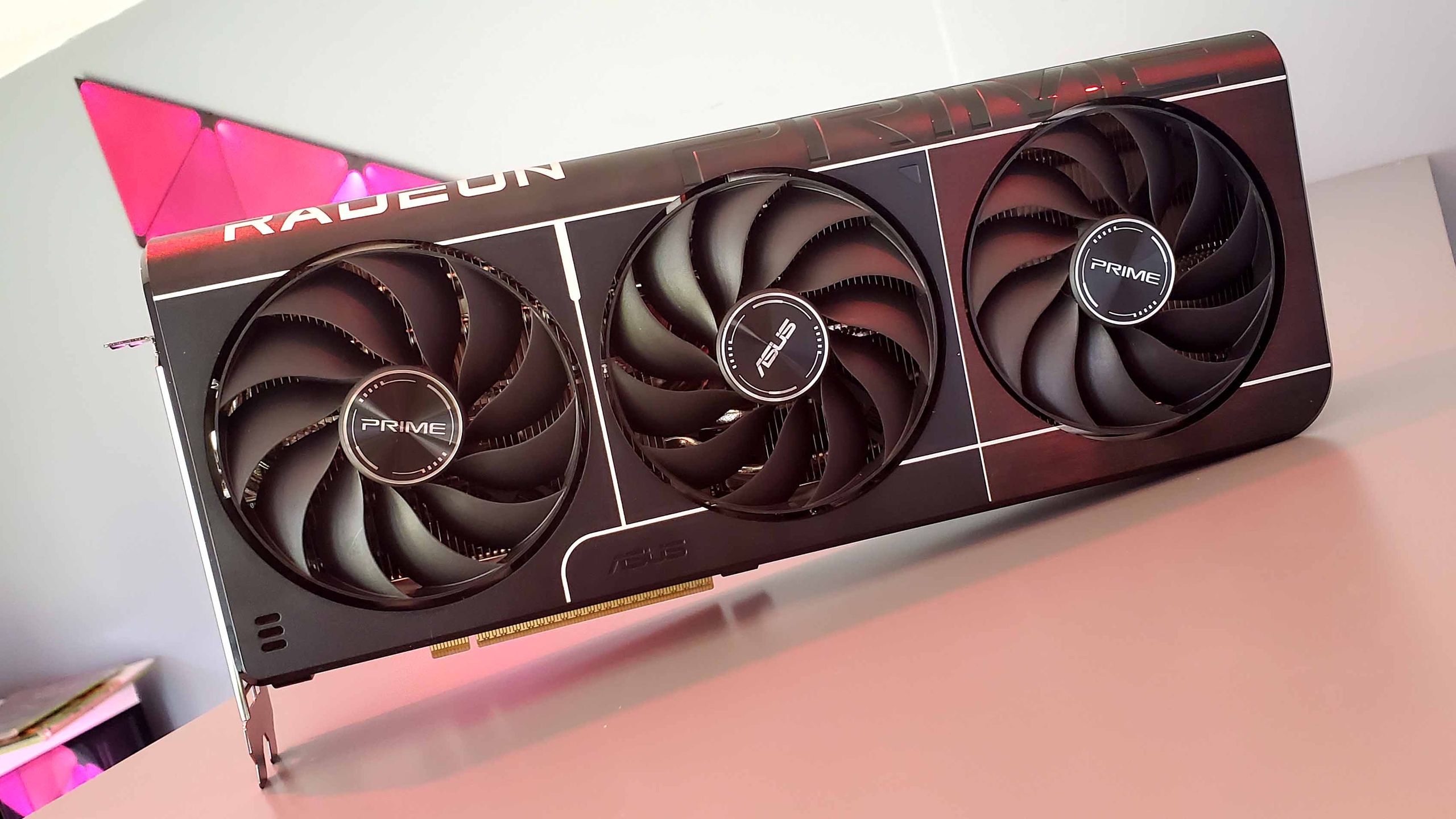
In the world of semiconductor manufacturing and consumer retail, market share does not typically shift by over one percentage point for a single high-end product in the span of thirty days—unless that product is being given away for free. Yet, the May Steam Hardware Survey shows the AMD Radeon RX 9070 XT surging from near-total anonymity to a 1.33% share of all Steam users.
To put this in perspective, 1.33% is a massive figure for a discrete GPU, particularly one positioned in the enthusiast tier. This placement lands the 9070 XT at 23rd on the global list of discrete GPUs, putting it in direct competition with long-standing staples of the gaming market. Prior to this, the card was virtually invisible in the data, leading many to believe that the GPU was severely underrepresented in Valve’s automated reporting tool. The sudden emergence of the card isn’t just a statistical bump; it is a fundamental shift in how the survey reflects the actual hardware installed in the machines of millions of gamers.
A Chronology of Data Discrepancies
The Steam Hardware Survey is no stranger to "ghosts" in the machine. Historically, the data has been susceptible to various reporting inaccuracies.
- Pre-2024 Trends: Throughout the early release window of the RDNA 4 architecture, the RX 9070 XT remained largely absent or buried in generic "AMD Radeon Graphics" reporting categories. While consumers were actively purchasing the card—evidenced by its consistent high performance on retail charts like Amazon’s best-sellers list—the Steam survey suggested it was a niche product.
- The May Shift: With the publication of the May data, the 9070 XT finally made its debut in the top 100 list. Simultaneously, the category for "AMD Radeon(TM) Graphics" (a catch-all bucket for unidentified or generic AMD drivers) saw a precipitous decline of 1.47%.
- The Correlation: When one category drops by 1.47% and another rises by 1.33% in the same reporting period, it is rarely a coincidence. The most logical conclusion is that a change in driver identification strings or Valve’s internal telemetry processing has finally "uncoupled" the 9070 XT from the generic bucket, allowing it to be correctly identified by its specific model name.
Supporting Data: Following the Trail
The statistical correlation between the drop in "Generic" AMD listings and the rise of the 9070 XT is the smoking gun that experts have been looking for. If we analyze the delta, the math holds up with remarkable precision.
The "AMD Radeon(TM) Graphics" segment fell from 2.37% in April to 0.90% in May. This 1.47% reduction accounts almost perfectly for the 1.33% surge observed in the 9070 XT rankings. The minor variance—the remaining 0.14%—is easily explained by a combination of factors. First, it is unlikely that every user has updated their system drivers to the latest versions simultaneously; therefore, some cards may still be trapped in the "Generic" category. Second, other AMD hardware components may have also been correctly re-tagged during this update, causing small shifts in other sub-categories.
This is a recurring theme for Steam. In past years, we have seen similar anomalies, most notably during the Chinese Lunar New Year, where massive spikes in specific hardware segments were attributed to the influx of internet café usage and temporary hardware configurations. Unlike those transient events, the 9070 XT’s jump appears to be a permanent correction to a reporting error rather than a temporary demographic fluctuation.
The Role of Driver Optimization and Telemetry
Why did this happen now? The answer likely lies in the symbiosis between AMD’s driver development team and Valve’s survey methodology.
Modern graphics drivers are complex software suites that do more than just manage frame buffers; they provide telemetry to the operating system regarding hardware identity. It is highly probable that a recent AMD driver update included updated PCI Device IDs or improved WMI (Windows Management Instrumentation) reporting strings. When Valve’s survey tool queries the hardware, it now receives a more descriptive and accurate identifier, which its backend systems can correctly parse and attribute to the "RX 9070 XT" entry.
For years, the industry has relied on this survey to determine where to focus development resources. If a card is not correctly identified, developers might assume it is not widely used, leading to missed opportunities in optimization or compatibility testing. By "cleaning up" the reporting, Valve is providing a more accurate map of the PC gaming landscape, even if the transition period creates temporary confusion.
Industry Implications: Why Accuracy Matters
The implications of this correction are significant for three primary stakeholders:
1. Game Developers
Developers use Steam Hardware Survey data to set their "Minimum" and "Recommended" system requirements. If a popular card like the 9070 XT is invisible, developers may inadvertently ignore its specific architecture when debugging or optimizing performance. A more accurate survey ensures that the most common hardware is properly supported.
2. AMD and Its AIB Partners
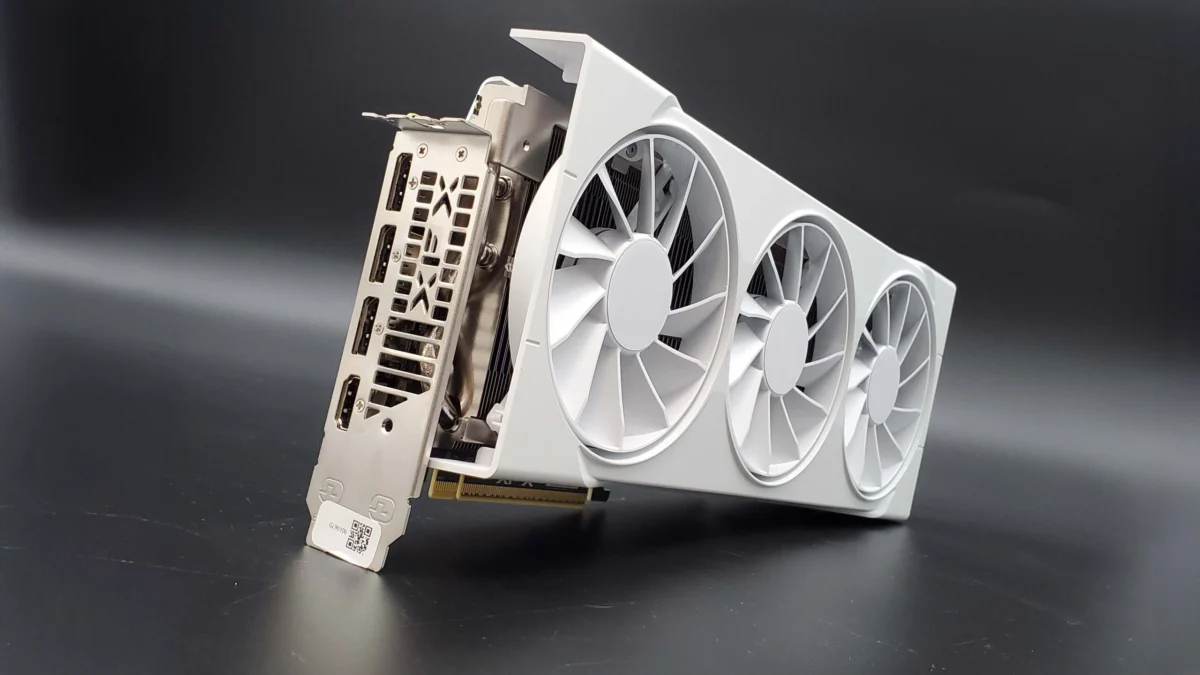
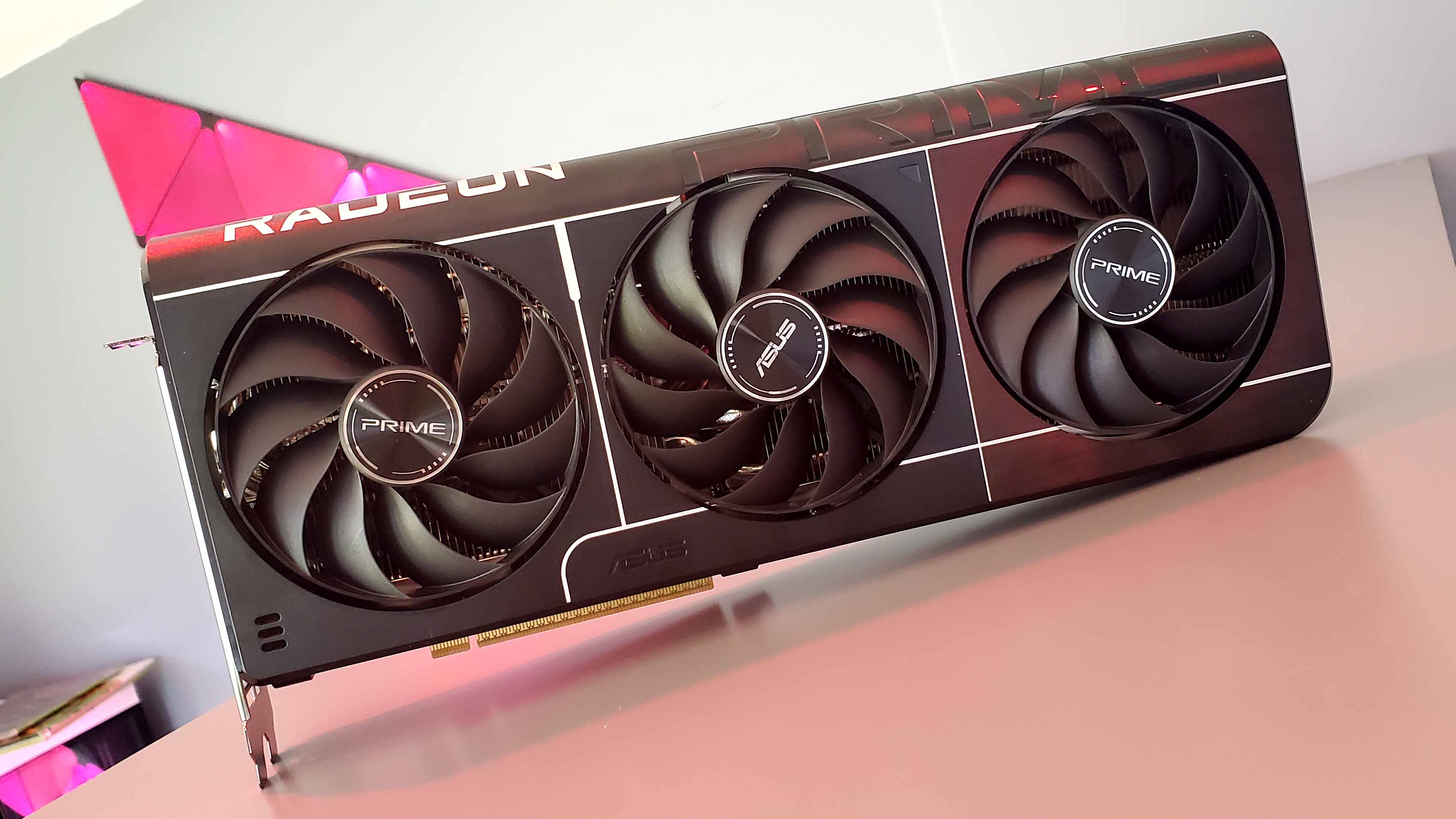
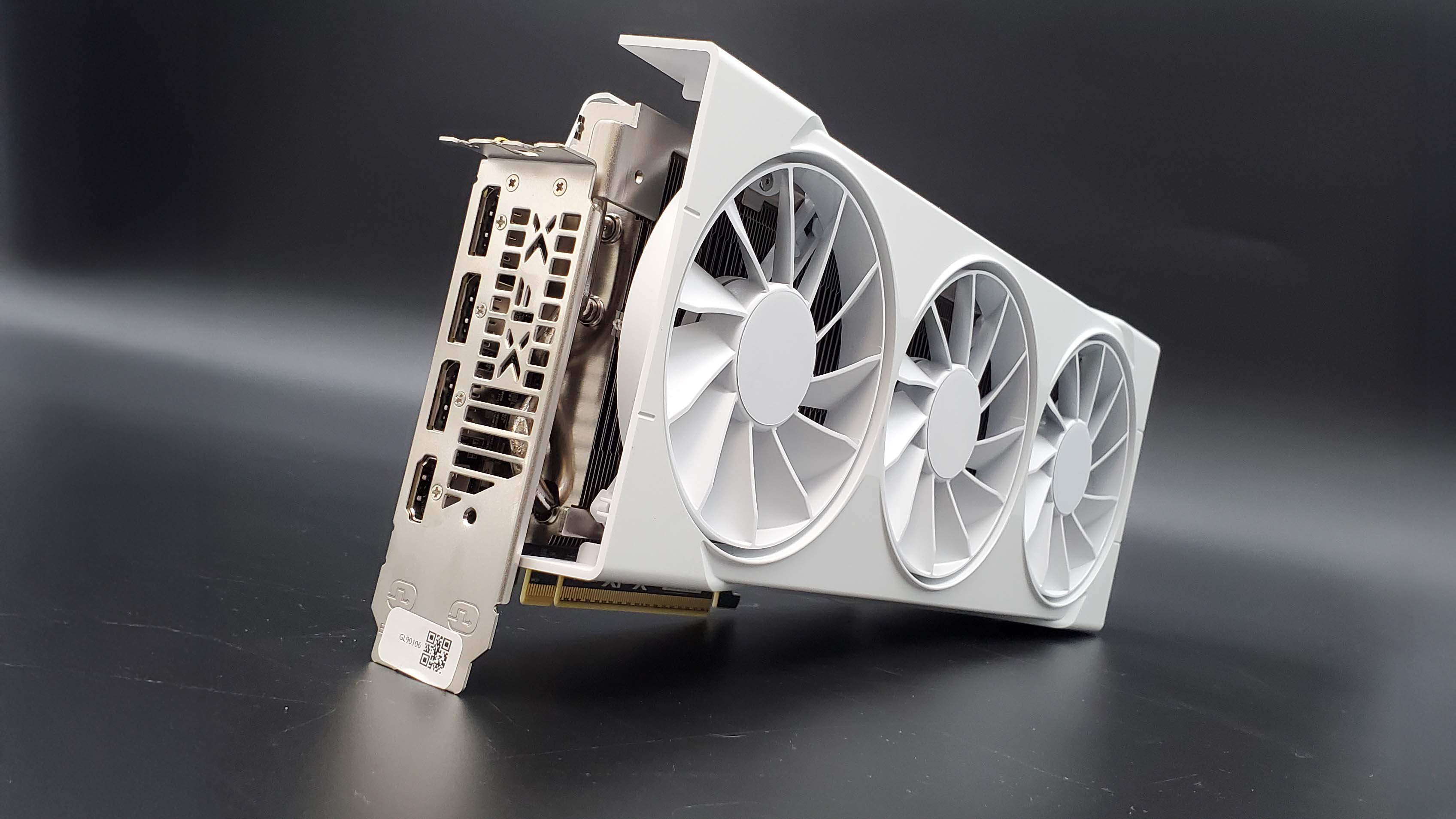
For board partners like ASUS, XFX, and Sapphire, the survey is a validation of their market position. When a card appears at the bottom of the list despite high retail sales, it creates a disconnect between perceived and actual market saturation. Seeing the 9070 XT in its "rightful place" confirms that the hardware is successfully reaching end-users and finding its way into gaming rigs.
3. The Consumer
For the average PC gamer, these anomalies can cause unnecessary panic. A user who sees their specific GPU ranked extremely low might feel they are using "outdated" or "uncommon" hardware, potentially leading to anxiety about future support or driver longevity. When the data accurately reflects a large install base, it reinforces confidence in the longevity of the platform.
A Look Toward Future Reporting
While the 9070 XT data is now much more accurate, we should not assume the Steam Hardware Survey is now perfect. Valve has admitted in the past that its methodology—which relies on a voluntary, randomized opt-in survey—has inherent limitations. The survey is a sample, not a census, and it will always be prone to the "noise" created by software updates, regional internet café usage, and the rapid pace of hardware turnover.
Moving forward, the community should view these fluctuations with a degree of healthy skepticism. When a massive leap occurs, the first question shouldn’t be "Why are so many people buying this?" but rather "What changed in the way we count these devices?"
As for the 9070 XT, it has finally shed its ghost-like status. We can now see it for what it truly is: a staple component of the current generation of PC gaming. For those who enjoy the "forensics" of hardware data, this was a satisfying mystery to solve—a correction that brings the digital landscape a little closer to reality.
However, as the history of the Steam Hardware Survey suggests, there will always be another anomaly on the horizon. Whether it’s a mislabeled mobile chip, a sudden surge in VR headset usage, or the next generation of GPUs causing a statistical hiccup, the survey will continue to evolve. For now, at least, the 9070 XT has been found, and the data, for once, feels remarkably grounded.

