

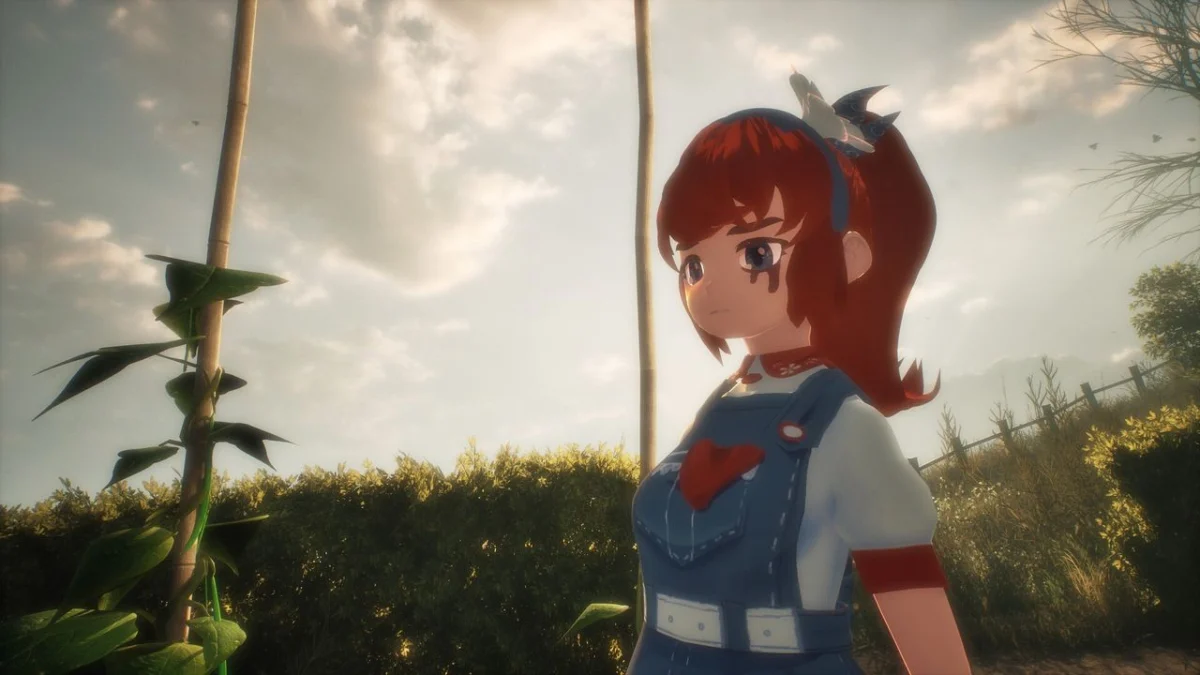
In the saturated landscape of modern indie horror—a genre often defined by the familiar comfort of jump-scares, mascot-driven terror, and the quick-turnaround aesthetic of PS1-inspired low-poly graphics—Serenity Forge’s latest project arrives like a fever dream pulled from the damp, shadowed soil of the Appalachian mountains. Fractured Blooms, the upcoming farming horror simulation from the publisher behind the cult classic Doki Doki Literature Club, is not interested in merely startling its players. Instead, it seeks to inhabit them.
Following a compelling demo showcased at Summer Game Fest 2026, it is clear that Fractured Blooms represents a departure from the "generic formula" that currently dominates the Steam marketplace. By grounding its existential dread in the mundane rhythm of farm life, the title manages to cultivate a sense of unease that is as intoxicating as it is profound.
The Genesis of a Haunting: Understanding the Core Concept
At its heart, Fractured Blooms is a story of cycles. The player assumes the role of Angie, a teenage protagonist thrust into a seemingly endless loop of agrarian labor. The gameplay loop demands that the player harvest, cook, clean, and maintain their surroundings to the point of physical and mental exhaustion.
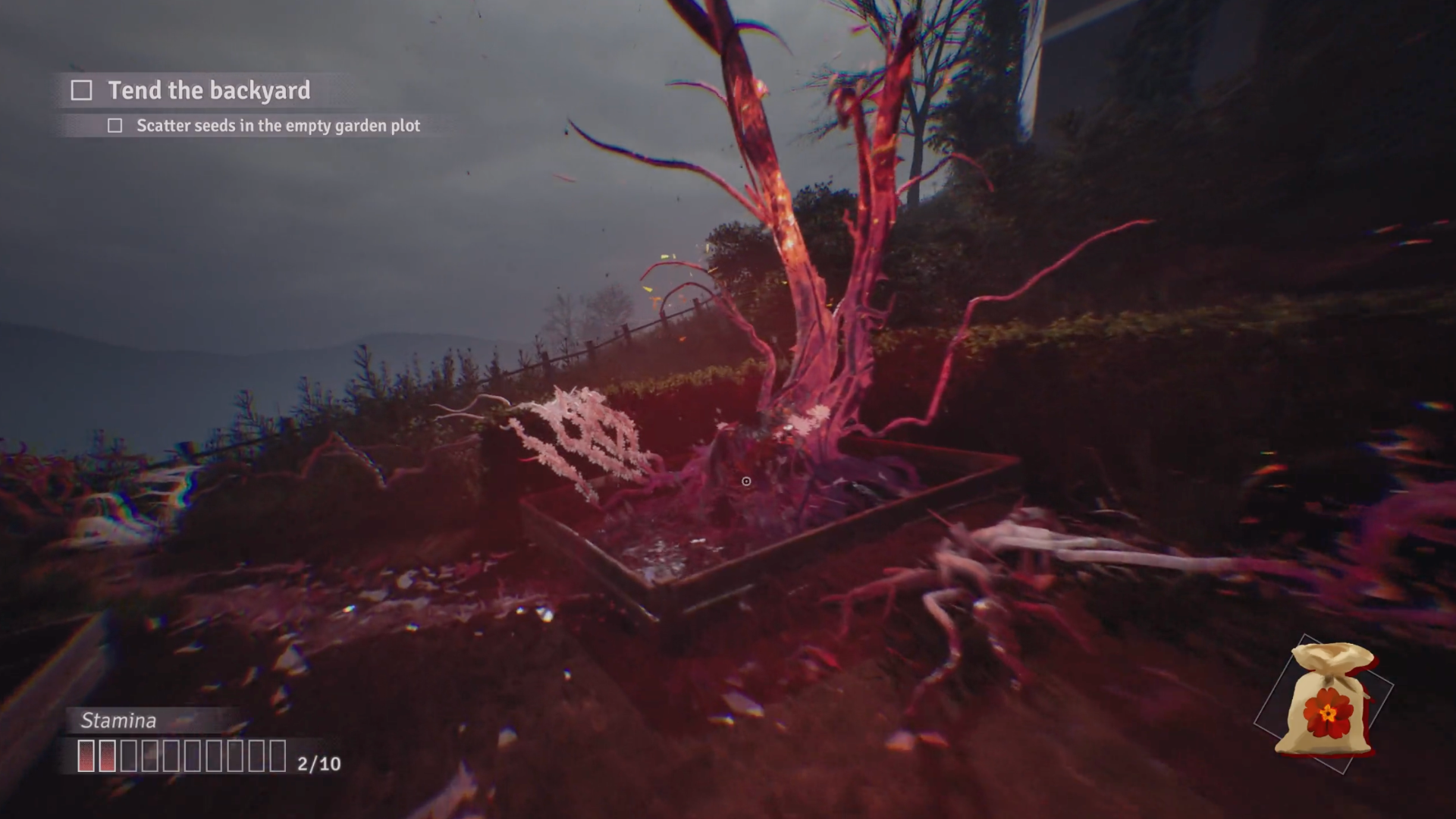
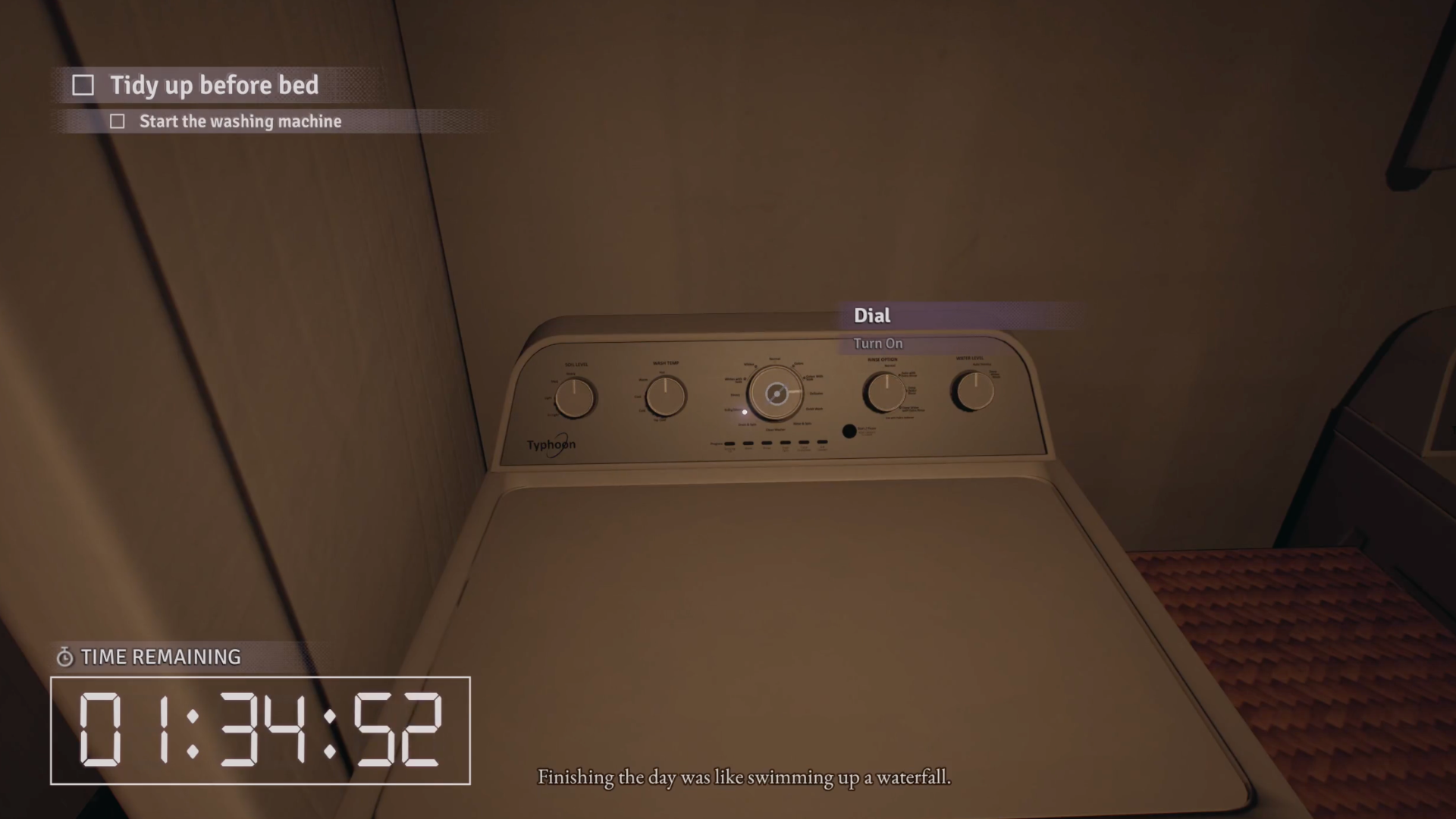
Unlike traditional farming sims, where the progression is tied to growth and prosperity, the chores in Fractured Blooms are presented as a form of penance. The mundane reality of folding laundry, tending to wilting tomatoes before insects claim them, and managing a household serves as a mirror for the character’s internal decay. As Serenity Forge founder and lead creator Zhenghua "Z" Yang explains, it is these "daily dramas"—the small, uncelebrated tasks of life—that provide the true horror. For Yang, the terror of an unmade bed or a neglected home is far more visceral than any monster lurking in the dark.
A Chronology of Dread: The Summer Game Fest Experience
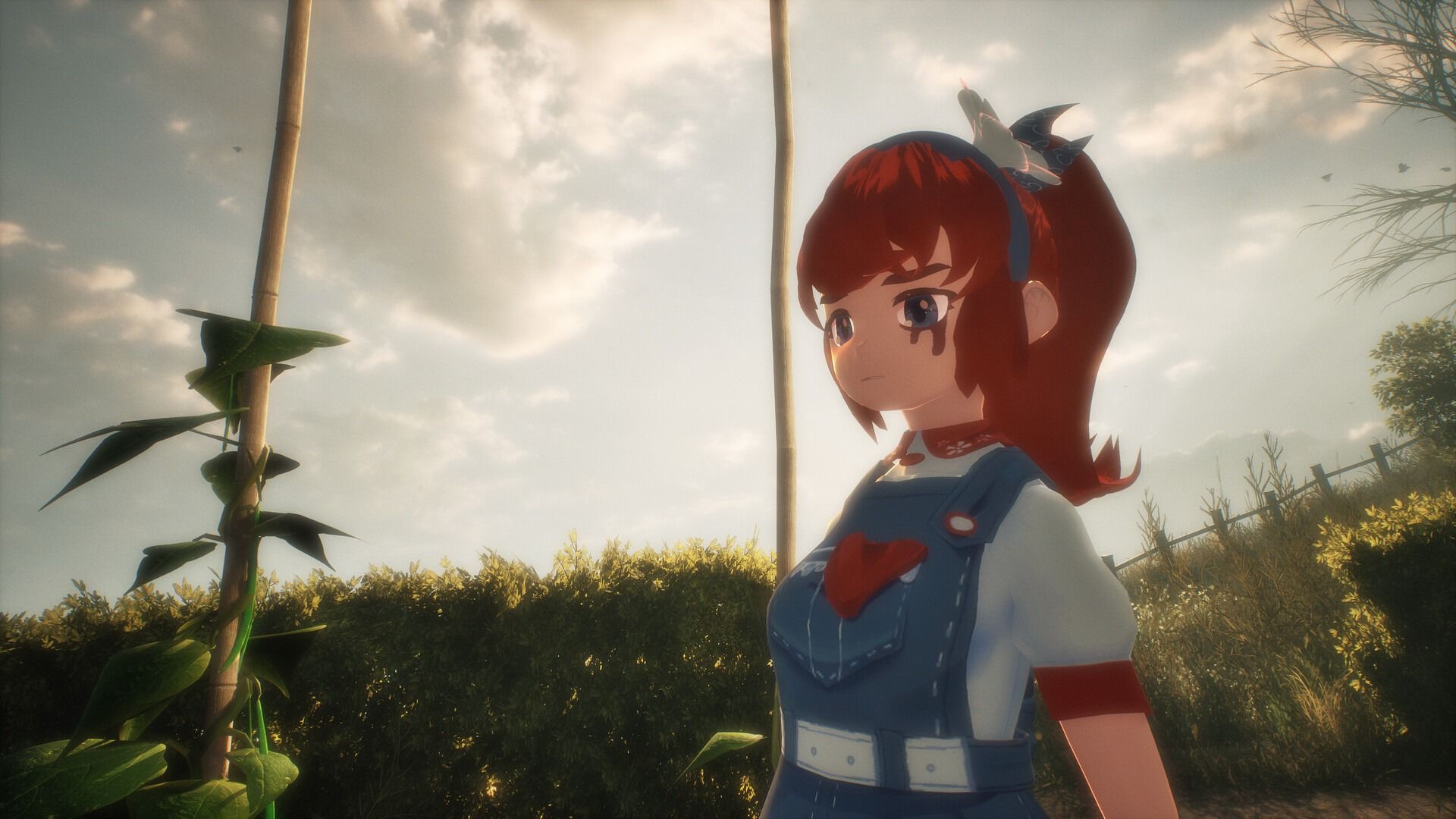
The Fractured Blooms demo begins with a confession from Angie that sets the tone for the entire experience: "Can I tell you a secret? I’m not scared." It is a chilling introduction to a character who possesses a childlike, yet deeply unsettling, sense of resignation. As the player guides her through the mud-caked paths toward an old, decaying church, the atmosphere shifts from a pastoral fantasy to something far more sinister.
The visual storytelling is a masterclass in dissonance. The woods are rendered with a gauzy, dreamlike beauty that invites the player to pause and appreciate the scenery, yet every element feels inherently wrong. As the demo progresses, the pastoral imagery gives way to surreal horror: red petals falling from the sky instead of white flowers, and a plate of raw, unidentifiable meat waiting on a church altar, accompanied by a faceless congregation that urges the protagonist to "partake in His flesh."
This trajectory—from the mundane act of walking to the church to the visceral, religious horror of the altar—highlights the game’s primary mechanism: the distortion of the familiar. By the end of the 20-minute demo, the player is left with the haunting realization that these chores are not merely gameplay mechanics; they are a ritualistic endurance test.
Bridging the Gap: The Philosophy of the Developer
During an interview regarding the project’s development, Z Yang spoke candidly about his vision for the title. He noted that the difficulty of launching a horror game in the current climate stems from the "noise" of the industry. Fractured Blooms is intended to be a "soft bunny" by comparison—a game that lures the player into a state of contemplative horror rather than resorting to cheap, reactive frights.
A significant portion of the game’s philosophy revolves around the player’s personal interpretation of faith. "I think it’s very important for players to see the version of God in their own way," Yang states, "because I believe that that is the truth of how it works." This approach allows the game to avoid moralizing, instead inviting the player to project their own spiritual anxieties onto the environment.
The disparate art styles—ranging from traditional, grounded environments to more stylized, anime-influenced character designs—are not accidental. Yang teases that there will be a "major payoff" for these stylistic choices, suggesting that the visual inconsistency is a deliberate narrative device designed to keep the player questioning the nature of the reality they are inhabiting.
The Weight of Lived Experience: Yang’s Personal Context
The profound sense of comfort with suffering present in Fractured Blooms is deeply rooted in the life of its creator. Z Yang’s perspective on death and mortality is not that of a typical game designer; it is the perspective of someone who has stared into the void from a young age.
When Yang was 18, he was diagnosed with a near-fatal illness that resulted in a two-year hospitalization. During that time, he was frequently told he had only days or weeks to live. "It kind of removed my fear of death, because I just had to be so OK with it from such a young age," Yang reflects. "It also removed my fear of needles. I find a lot of comfort when needles enter my veins."
This history of confronting mortality permeates Fractured Blooms. The game treats its themes—suicide, abandonment, and the relentless, grinding cycle of labor—with a gravity that avoids being purely tragic. Instead, like Angie’s own actions within the game, these moments of suffering read as a strange, grim form of commitment to life.
Implications for the Horror Genre
Fractured Blooms stands as a bold argument for the evolution of indie horror. By prioritizing atmospheric tension and psychological weight over jump-scares, Serenity Forge is pushing the genre toward a more literary and introspective space.
The game asks difficult questions of its audience:
- How much of our daily labor is an attempt to appease a higher power, or perhaps our own insecurities?
- At what point does the "chore" of living become indistinguishable from the "horror" of surviving?
- Can a game be "safe" to inhabit while simultaneously signaling that the player should be afraid?
These are not questions that can be answered in a standard survival horror title. They require the slow-burn approach that Fractured Blooms seems to have mastered. As players navigate the cracked porcelain kitchens and the rotted treehouses of the game’s version of the Appalachian wilderness, they are not just playing a farming sim; they are engaging in a dialogue with their own fears.
Conclusion: A New Standard for Contemplative Horror
As the industry looks toward the next wave of indie releases, Fractured Blooms distinguishes itself as a title of significant ambition. It succeeds in creating a world where the mundane and the macabre coexist, where a simple bowl of venison stew feels weighted with cosmic significance, and where the act of living is presented as the most complex, terrifying, and beautiful chore of all.
For those who have grown weary of the predictable rhythms of modern horror games, Fractured Blooms offers a path through the woods—a path that leads to a place of profound, unsettling, and ultimately, deeply human truth. It is a testament to the fact that, in the right hands, a simple 20-minute demo can leave a mark on the player that lasts far longer than any scream.

