

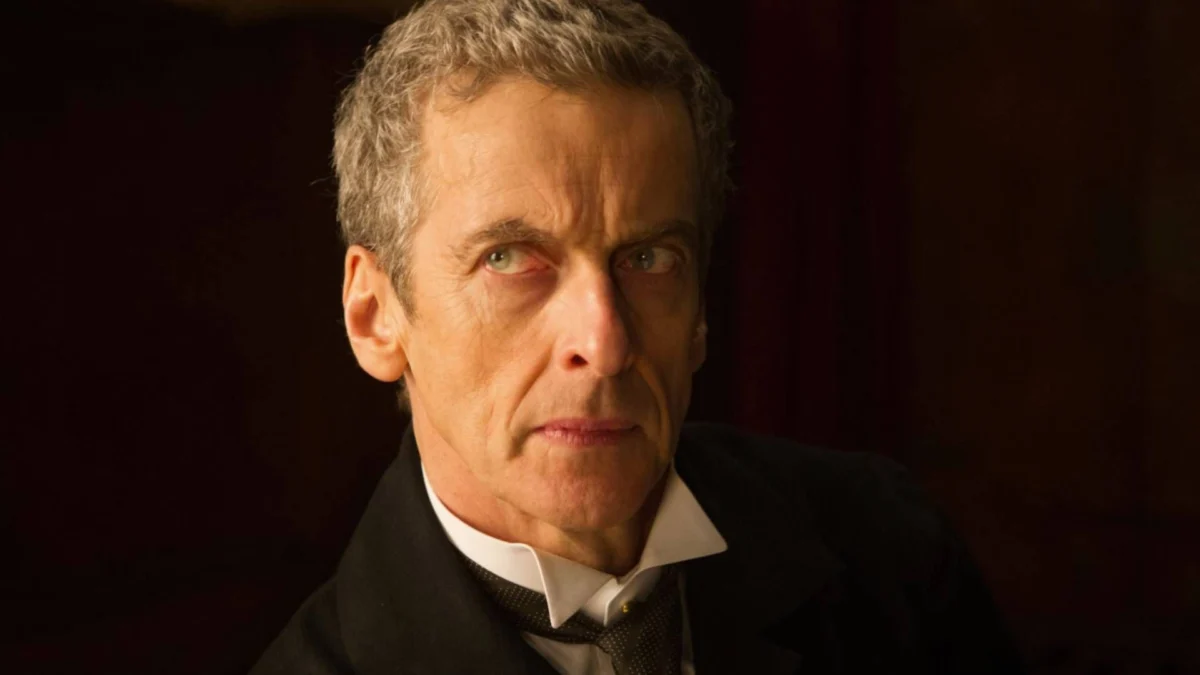
As the Doctor Who universe enters a period of unprecedented silence, the long-running British sci-fi institution finds itself at a crossroads. Following the sudden departure of showrunner Russell T. Davies, the cancellation of the highly anticipated 2026 Christmas special, and reports suggesting a potential five-year hiatus, the Whoniverse is reeling. Amidst this turmoil, Twelfth Doctor actor Peter Capaldi has offered a poignant critique of the series’ core mechanic, suggesting that the very process that defines the show—regeneration—has become a victim of its own frequency.
The Diminished Weight of Regeneration: Peter Capaldi’s Perspective
In a candid appearance on the 100 Questions with Tom Simons podcast, Peter Capaldi, who portrayed the Twelfth Doctor from 2014 to 2017, reflected on the evolution of the series. While expressing love for the franchise and its many incarnations, Capaldi argued that the narrative stakes of the Doctor’s transformation have been eroded by overexposure.
"To be perfectly honest, I think there are too many regenerations," Capaldi stated. "I love all the doctors, but I’ve lost count of how many of them there are. So the weight of this kind of regeneration is diminished."
For Capaldi, the magic of Doctor Who was never just about the sci-fi spectacle; it was rooted in the existential weight of death. Growing up, the concept of the Doctor changing their face was a singular, mysterious, and somewhat terrifying event. "The first time it happened, it was mysterious and strange," he recalled. "But [the regeneration] holds the mystery of the show. It’s a very, very powerful death motif, and that’s what lies in the magic of the show."
Capaldi’s critique touches on a fundamental tension in modern television: the struggle between maintaining a show’s original, grounded premise and the necessity of constant reinvention to satisfy a modern, fast-paced viewership. By making regeneration a routine "event" that occurs every few seasons, the series may have inadvertently stripped away the profound sense of loss that once defined the transition between incarnations.
A Chronology of Change: The Shortening Tenure of the Doctor
The frequency of regeneration has indeed accelerated significantly since the series’ 2005 revival. Historically, the Doctor’s tenure could span many years. Tom Baker, the Fourth Doctor, remains the longest-serving incarnation, holding the role for seven years (1974–1981). In contrast, the modern era has seen a trend toward shorter, more intense stints for the lead actor.
- The Classic Era (1963–1989): Actors like William Hartnell, Patrick Troughton, and Tom Baker enjoyed multi-year runs that allowed audiences to deeply associate the actor’s persona with the character.
- The Revival Era (2005–Present): Beginning with Christopher Eccleston, the pace picked up. While David Tennant and Matt Smith each enjoyed multi-year tenures, the turnover rate became more pronounced following the departure of the Twelfth Doctor.
- The Modern Shift: Peter Capaldi’s tenure (2014–2017) was followed by Jodie Whittaker (2018–2022), the first female Doctor. The return of David Tennant for a short anniversary stint and the subsequent arrival of Ncuti Gatwa—who has now exited the role after just two seasons—highlights the current volatility of the casting process.
Capaldi recalls his own transition from Matt Smith with great fondness, highlighting the gravity of the moment. "The doctors had been good-looking lads. They’ve been sort of boyband doctors. And suddenly this haggard face was there and that was the whole scene," he joked, noting the stark contrast his casting brought to the series. He remembers Smith taking him aside, sharing a heartfelt hug, and passing over the sonic screwdriver with the words, "That’s for you. This is yours now. You’re the Doctor." That moment of succession, he argues, is the emotional anchor that the show needs to protect.
The Current Crisis: A Show in Suspended Animation
The current state of Doctor Who is arguably the most unstable it has been since the series’ cancellation in 1989. The shock exit of showrunner Russell T. Davies, who was widely credited with revitalizing the franchise in both 2005 and 2023, has left a power vacuum at the top. The subsequent cancellation of the 2026 Christmas special—a staple of the British television calendar—has fueled industry speculation that the BBC is hitting the "reset" button on the entire property.
Industry insiders have suggested that the show could remain off-air for up to five years. While this sounds catastrophic, it is not without precedent. The "Wilderness Years" between 1989 and 2005 proved that the Doctor Who brand is resilient enough to survive long absences. Many analysts compare the current situation to the strategic dormancy seen in other major franchises like Star Wars or Star Trek, where hiatuses were used to recalibrate the creative direction rather than signal the end of the line.
Implications for the Whoniverse: Why a Break Might Be Necessary
While the news of a five-year gap is daunting for fans, some critics suggest that this pause could be the best thing for the series. Doctor Who has been running with very little downtime since 2005. As Capaldi pointed out, the constant cycle of regeneration and the rapid turnover of actors and showrunners may have led to "franchise fatigue."
A prolonged break offers several potential benefits:
- Creative Refresh: It allows the creative team to step away from the treadmill of production and develop a new, cohesive vision for the show’s future, free from the constraints of the current narrative arc.
- Increased Anticipation: Much like the lead-up to the 2005 revival, a period of silence can build a sense of mystery and hunger for the show’s return.
- Refining the "Death Motif": By stepping back, the production team can re-examine the concept of regeneration. If the character is off-screen for years, the return of the Doctor becomes an event once again, rather than a quarterly subscription service.
Conclusion: Waiting for the Next Turn of the TARDIS
The future of the Time Lord is currently shrouded in the same kind of mystery that the Doctor often finds themselves in. Whether the series returns in two years or five, the core question remains: how can Doctor Who maintain its unique "magic" in an era of content saturation?
Peter Capaldi’s observations serve as a warning from a veteran of the role. The series’ strength lies in its ability to reinvent itself, but that reinvention must be earned. If the regeneration process is to remain the "powerful death motif" that Capaldi describes, it must be treated with the weight and gravity that a character as iconic as the Doctor deserves.
For now, the TARDIS remains in the hangar, the sonic screwdriver is stowed away, and the Whoniverse must wait. Whether this hiatus marks the beginning of the end or the necessary preparation for a bold new era, one thing is certain: the legacy of Doctor Who is far too resilient to disappear into the time vortex forever. The show has cheated death before; it is more than capable of doing so again.

