


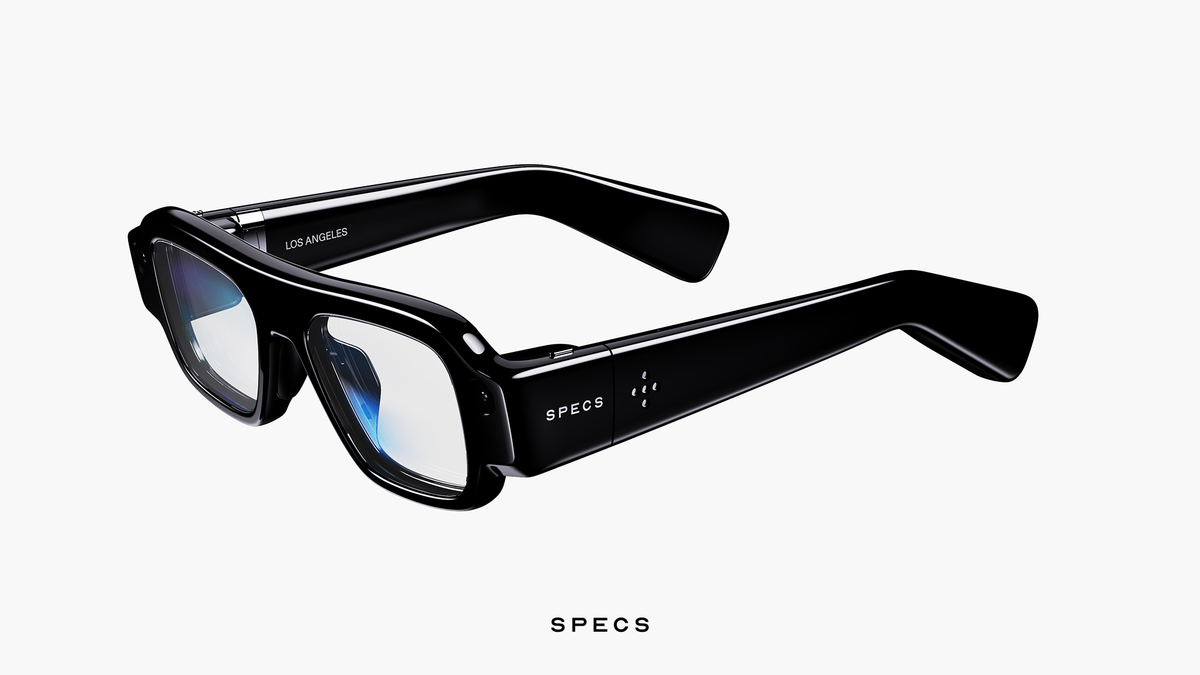
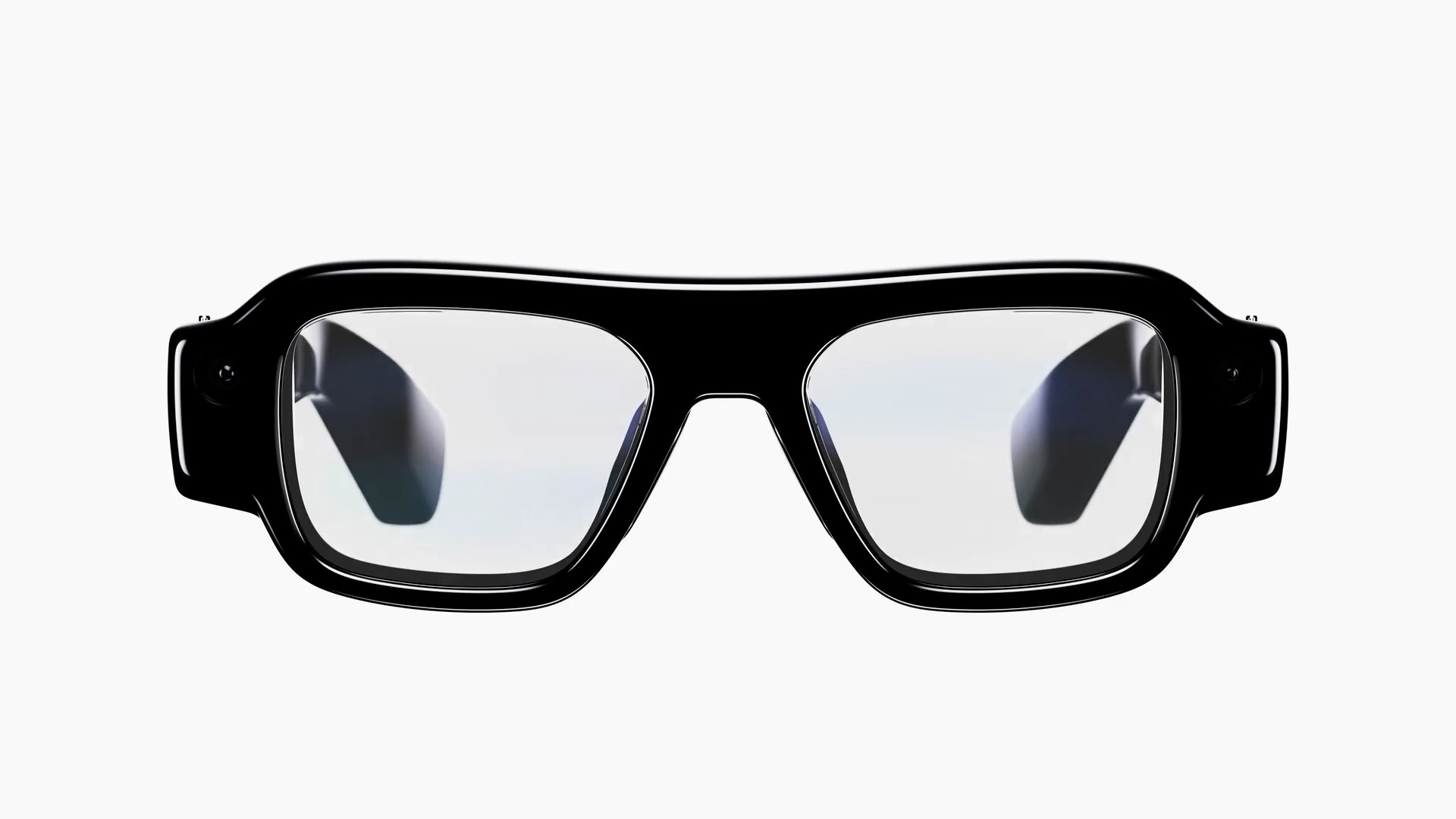
In a landmark moment for the consumer technology industry, Snap Inc. has officially pulled the curtain back on "Specs," its first-ever standalone, true augmented reality (AR) glasses. Available for preorder starting today, these devices represent the culmination of nearly a decade of research, over $3 billion in R&D investment, and a relentless pursuit of the "Holy Grail" of wearable computing: a pair of glasses that look and feel like eyewear but function as a spatial computer.
Shipping this fall to customers in the United States, the United Kingdom, and France, the Specs are priced at $2,195. By moving to a commercial release, Snap has effectively beaten industry giants like Apple, Meta, and Google to the punch in delivering a standalone, true AR experience to the public.
The Evolution of True AR: From Prototypes to Products
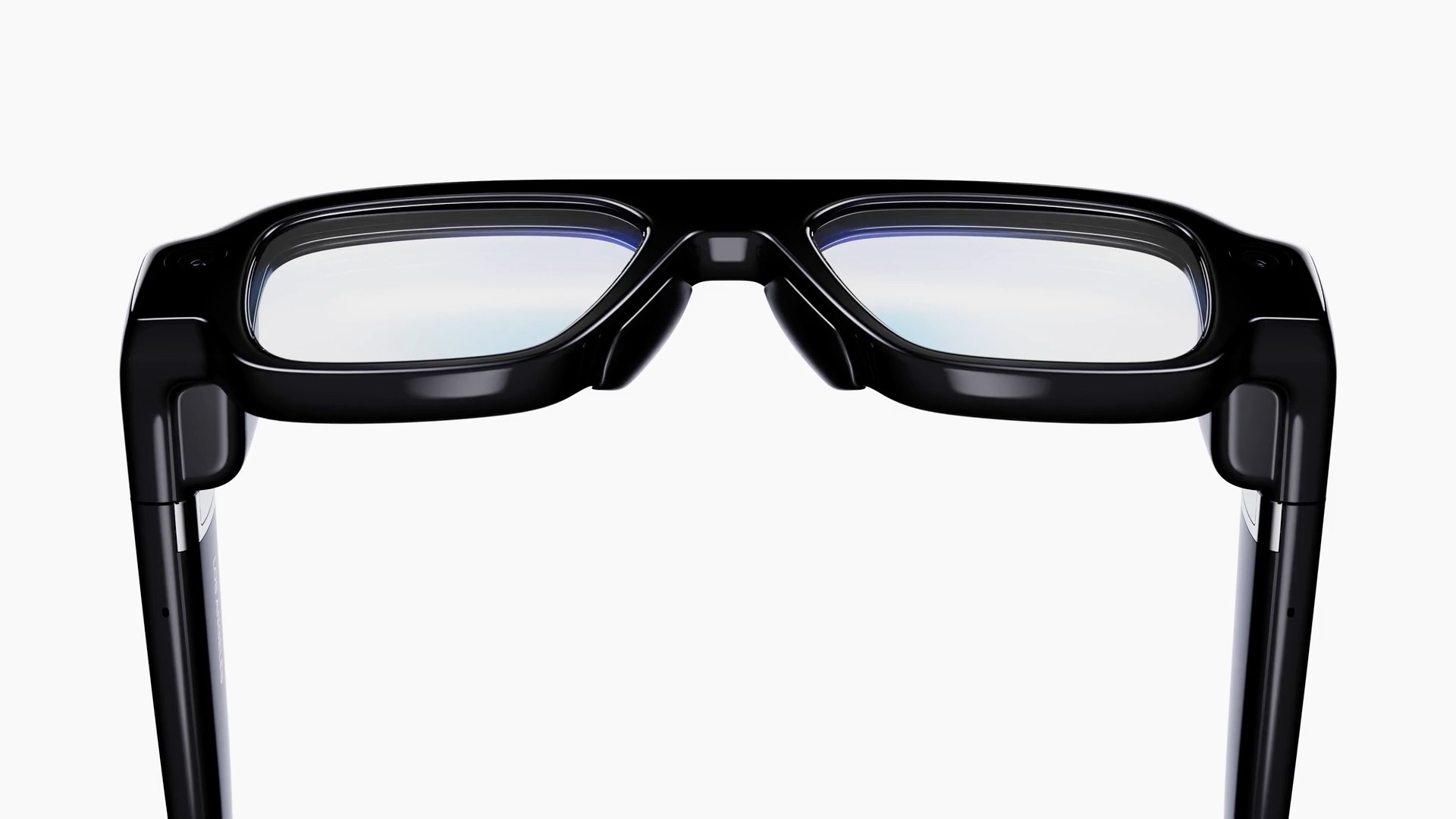
To understand the significance of the Specs, one must distinguish between the various tiers of "smart glasses" currently flooding the market. Unlike HUD-style glasses—such as the Meta Ray-Ban Display, which projects a simple 2D image—or "display glasses" like Xreal that require tethering to an external device, Snap’s Specs are fully standalone. They possess the onboard compute, battery, and optics to map the world in real-time, allowing users to anchor virtual objects into their physical environment.
The path to this moment has been iterative and occasionally difficult. Snap’s journey began with two previous developer-focused iterations of Spectacles:
- 2021 (Spectacles 1): A limited release for a select few developers, featuring a narrow 26-degree field of view and a scant 30-minute battery life.
- 2024 (Spectacles 5): A more robust dev kit that expanded the field of view to 46 degrees and battery life to 45 minutes, though it came with the trade-off of a bulky, 226-gram frame.
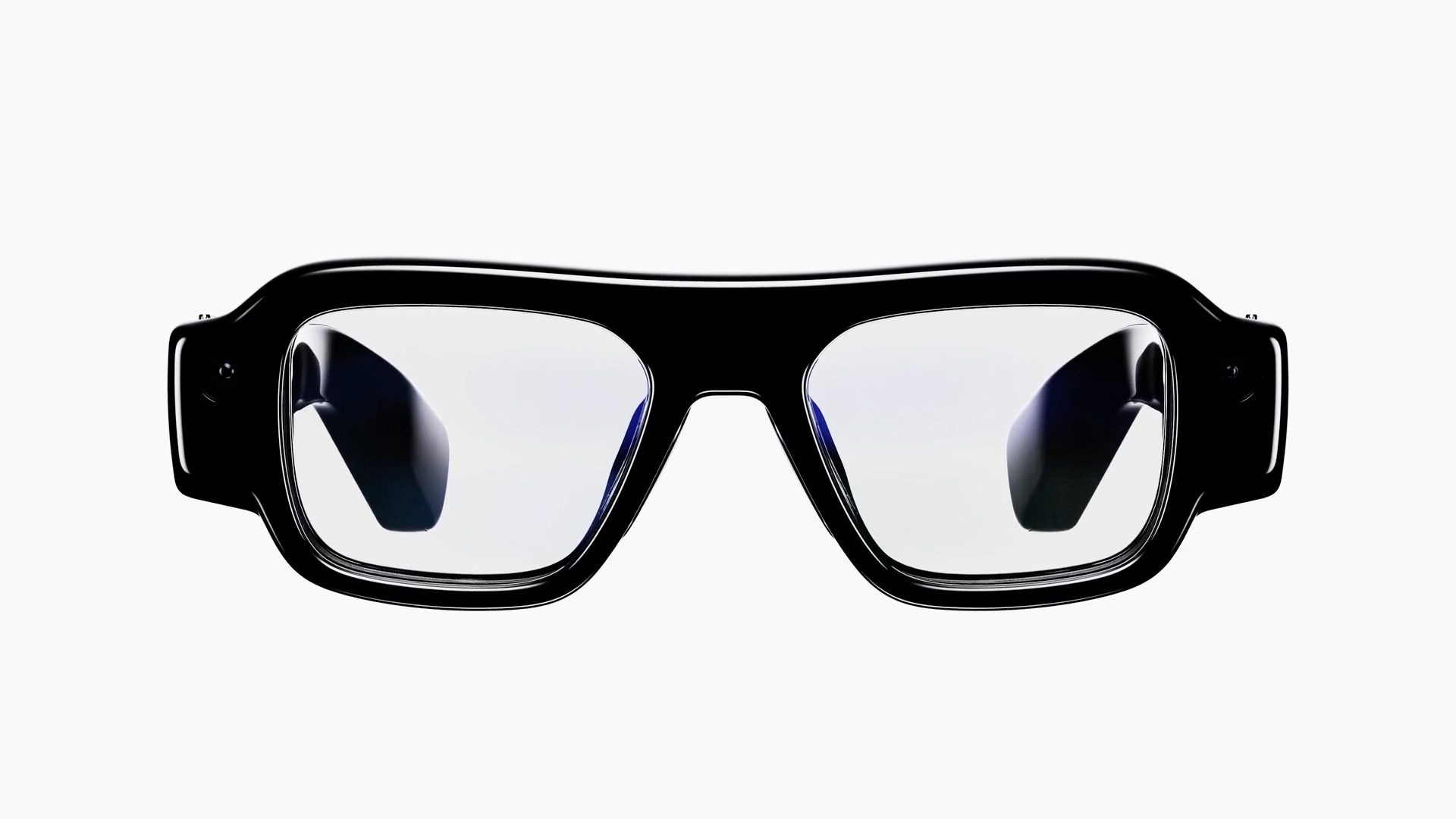
With the 2026 consumer release, Snap has managed a significant feat of engineering. The new Specs weigh between 132 and 136 grams (depending on frame size) and offer a 51-degree diagonal field of view. While still heavier than a standard pair of optical glasses (typically 30–50 grams), they represent a massive reduction in size compared to the "goggle" form factor of previous AR headsets.
Chronology of Innovation
Snap’s trajectory in the augmented reality space has been defined by a strategy of "slow and steady" hardware evolution paired with a massive push into software development via Lens Studio.
- 2016–2022: Snap focuses on camera-first hardware (the original Spectacles) while simultaneously pouring $3 billion into AR research, including the acquisition of companies like Compound Photonics to secure in-house LCoS display technology.
- 2025: Snap introduces "Snap OS 2.0," the foundational software layer that powers the current AR experience. This OS allows for complex interactions, including hand tracking and environmental meshing, without needing a secondary "compute puck."
- AWE 2025: Snap publicly commits to a 2026 release for consumer-ready glasses.
- June 2026: Snap fulfills its promise, opening preorders for the final consumer hardware.
Supporting Data: How Specs Stack Up
The market for AR is crowded with abandoned projects and high-end enterprise headsets. The following table highlights where Snap’s new offering sits in the historical and competitive landscape:
| Device | Form Factor | Field of View | Status |
|---|---|---|---|
| HoloLens 2 (2019) | Headset (566g) | 52° | Discontinued |
| Magic Leap 2 (2022) | Goggles (260g) | 70° | Enterprise |
| Meta Ray-Ban Display | Thick Glasses (69g) | 20° | Consumer |
| Meta Orion | Prototype (98g) | 70° | Internal Only |
| Snap Specs (2026) | Thick Glasses (132g) | 51° | Available |
While the weight is still higher than casual eyewear, the Specs manage to integrate dual Qualcomm Snapdragon chipsets—one for OS/applications and one dedicated solely to computer vision tasks like hand tracking and spatial anchoring—into a package that is remarkably portable.
Technical Specifications and Performance
Snap has maintained a somewhat guarded stance on technical minutiae, but early reports and official disclosures paint a picture of a high-performance, low-latency device.
The Display and Optics
The Specs utilize proprietary LCoS (Liquid Crystal on Silicon) displays. These are capable of rendering 16 million colors per pixel, ensuring that virtual objects appear vibrant and color-accurate. The 51-degree diagonal field of view is designed to be immersive enough for productivity tasks without sacrificing the peripheral awareness needed for walking or interacting with others.
Latency: The 7-Millisecond Standard
Perhaps the most impressive technical claim is the 7-millisecond motion-to-photon latency. In the world of AR, high latency causes "swim"—the feeling that a virtual object is detaching from the real world when the user moves their head. By cutting the latency in half compared to the 2024 developer kit, Snap has prioritized comfort and stability.
Electrochromic Lenses
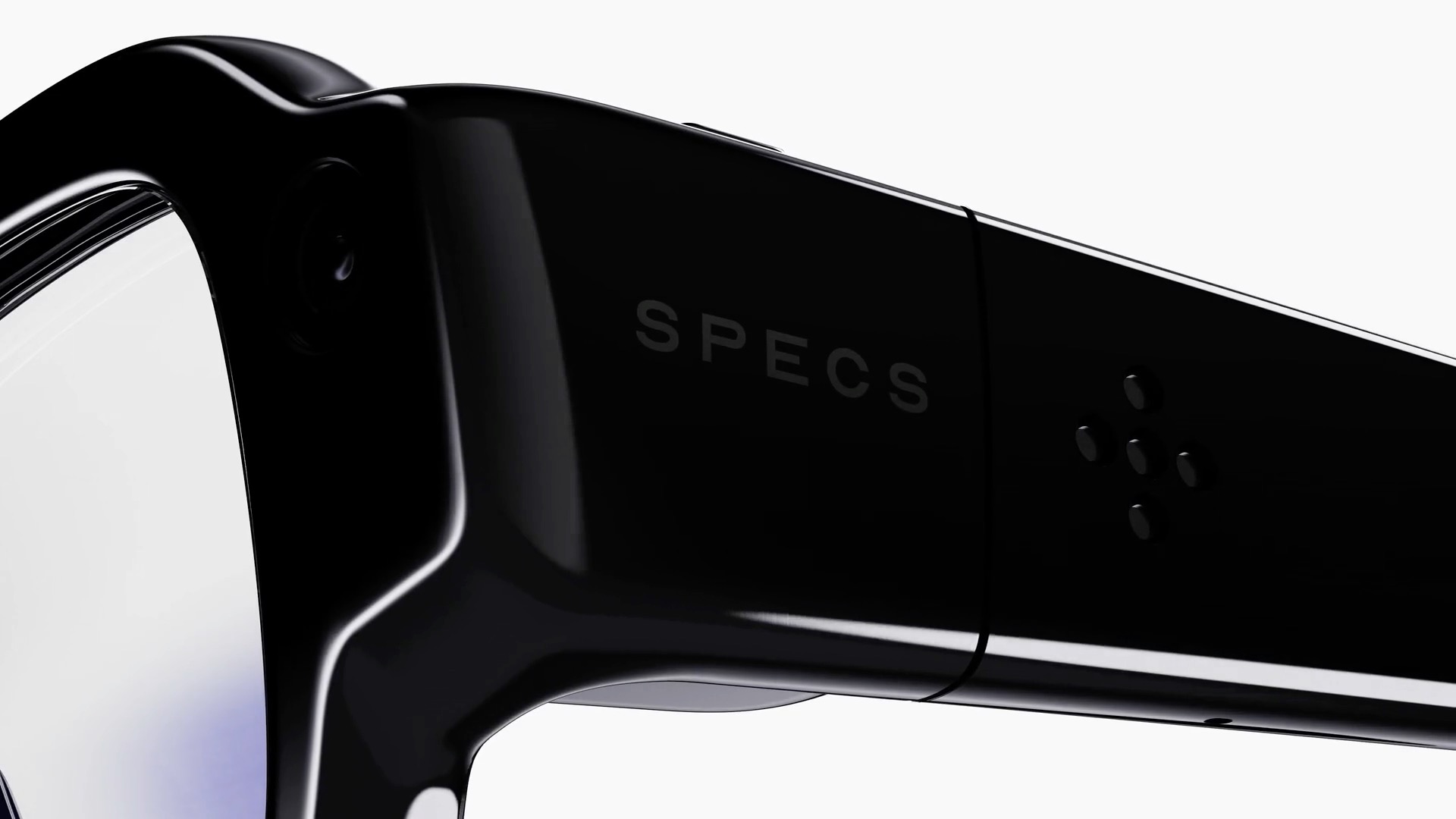
To bridge the gap between indoor and outdoor use, Specs feature electrochromic lenses. Unlike photochromic transitions that rely on ambient light and can be slow to react, Snap’s tech can shift from clear to fully opaque in just 10 seconds. This is critical for AR, as the contrast provided by the tinted lenses makes the digital overlays appear much sharper in bright daylight.
Battery Life and Charging
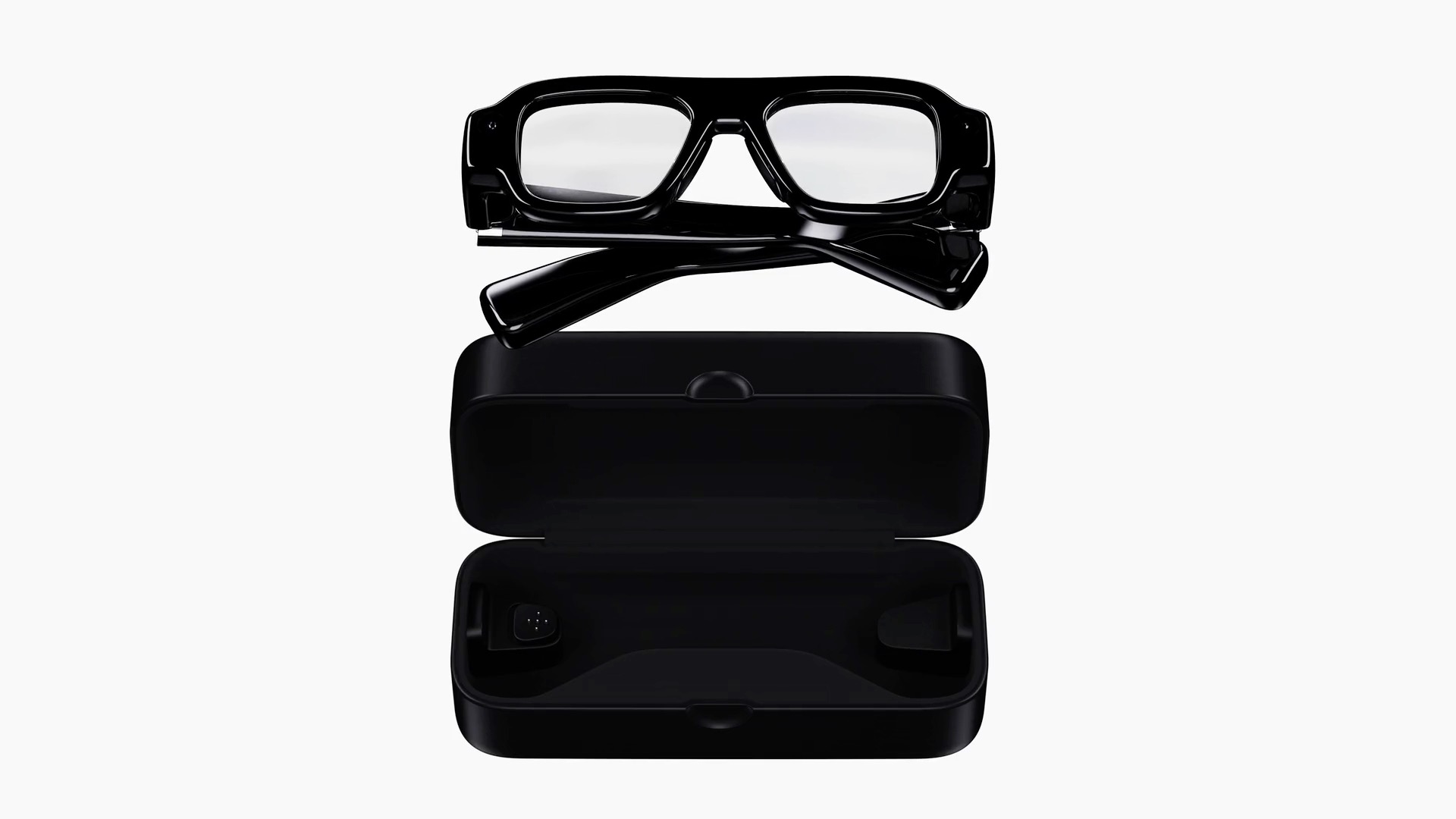
Snap claims a four-hour "mixed-use" battery life. While this figure is a broad estimate encompassing audio, AI interactions, and light AR usage, the inclusion of a proprietary charging case—which provides four additional full charges—mitigates the impact of limited per-charge endurance for most daily use cases.
Official Responses and Developer Ecosystem
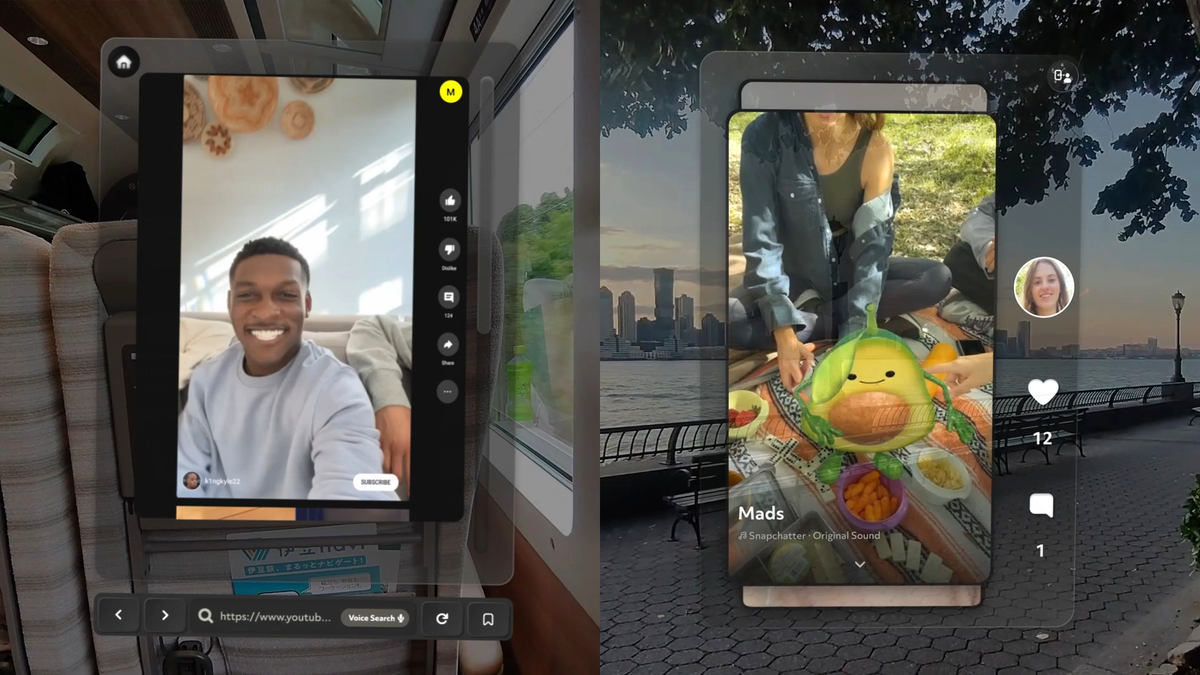
Snap’s strategy is heavily reliant on its developer ecosystem. Unlike Apple’s Vision Pro, which relies on a massive App Store ecosystem, Snap has focused on "Lenses"—sandboxed, lightweight applications built in Lens Studio using JavaScript and TypeScript.
Snap has also announced a "Native Development Kit," allowing developers to import C and C++ libraries. This is a massive upgrade, enabling more advanced physics, complex rendering, and high-performance networking within the Lenses. Regarding the transition from developer kits to consumer hardware, Snap was non-committal on whether all existing Lenses will be instantly compatible, suggesting that some optimization might be required for the final consumer release.
For monetization, Snap is banking on its "Commerce Kit," allowing developers to integrate in-app purchases and subscriptions directly into their AR experiences, fostering what the company hopes will be a sustainable economy for creators.

The Broader Implications for the Industry
The launch of the $2,195 Specs is not intended for the mass market—at least not yet. As with the initial rollout of the Apple Vision Pro, this is a product for tech enthusiasts, early adopters, and enterprise developers.
However, the implications of this release are profound:
- The "Glasses" Form Factor: Snap has proven that a standalone, 6DoF (six degrees of freedom) AR device can be built into a glasses frame that doesn’t look like a scuba mask.
- The Death of the Tether: By avoiding compute pucks or wired connections to smartphones, Snap has created a more natural, seamless user experience that aligns with the social nature of wearing glasses.
- The AI Integration: With contextual AI assistants, real-time translation, and spatial awareness, the Specs act as a "second brain," providing information precisely when and where the user needs it.
As we look toward the fall, the success of the Specs will hinge on whether the available software library is compelling enough to justify the price. If the Lenses (ranging from rhythm fitness games like Synth Riders to productivity tools for whiteboarding and navigation) provide a "wow" factor that stays consistent over several weeks of use, Snap will have successfully carved out a lead in the most important tech race of the decade.
For now, the industry watches with bated breath. Snap has delivered the hardware; now, the world waits to see if we are truly ready to live in a world where the physical and digital are, for all intents and purposes, one and the same.

