

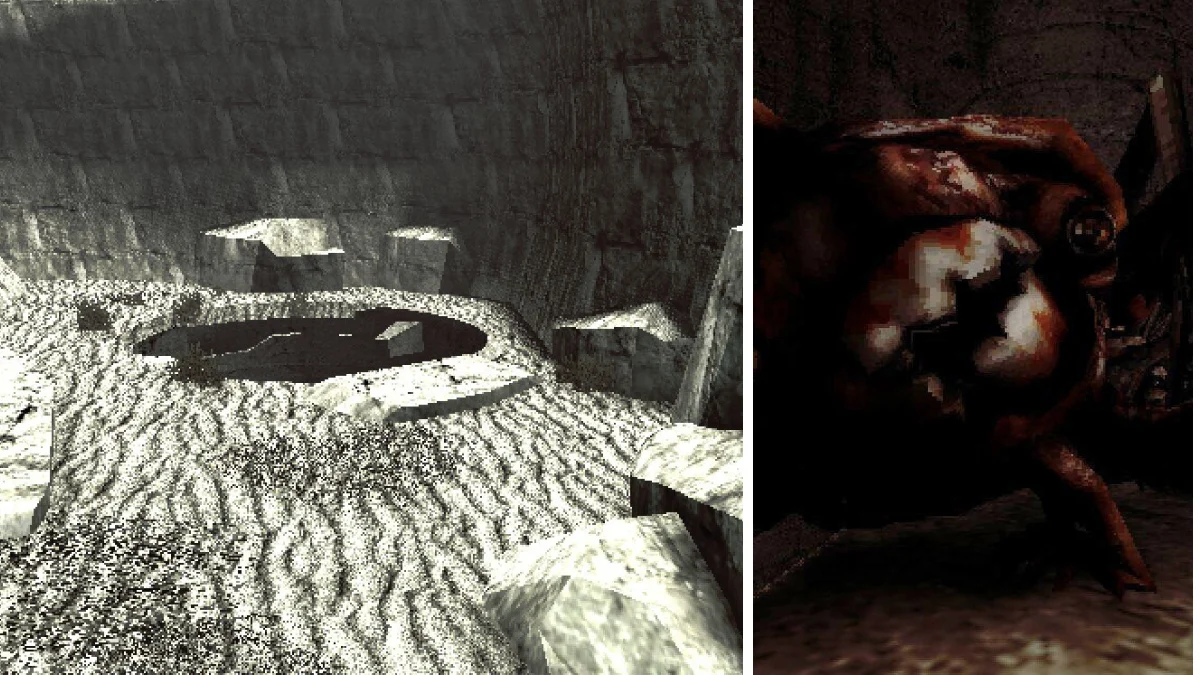
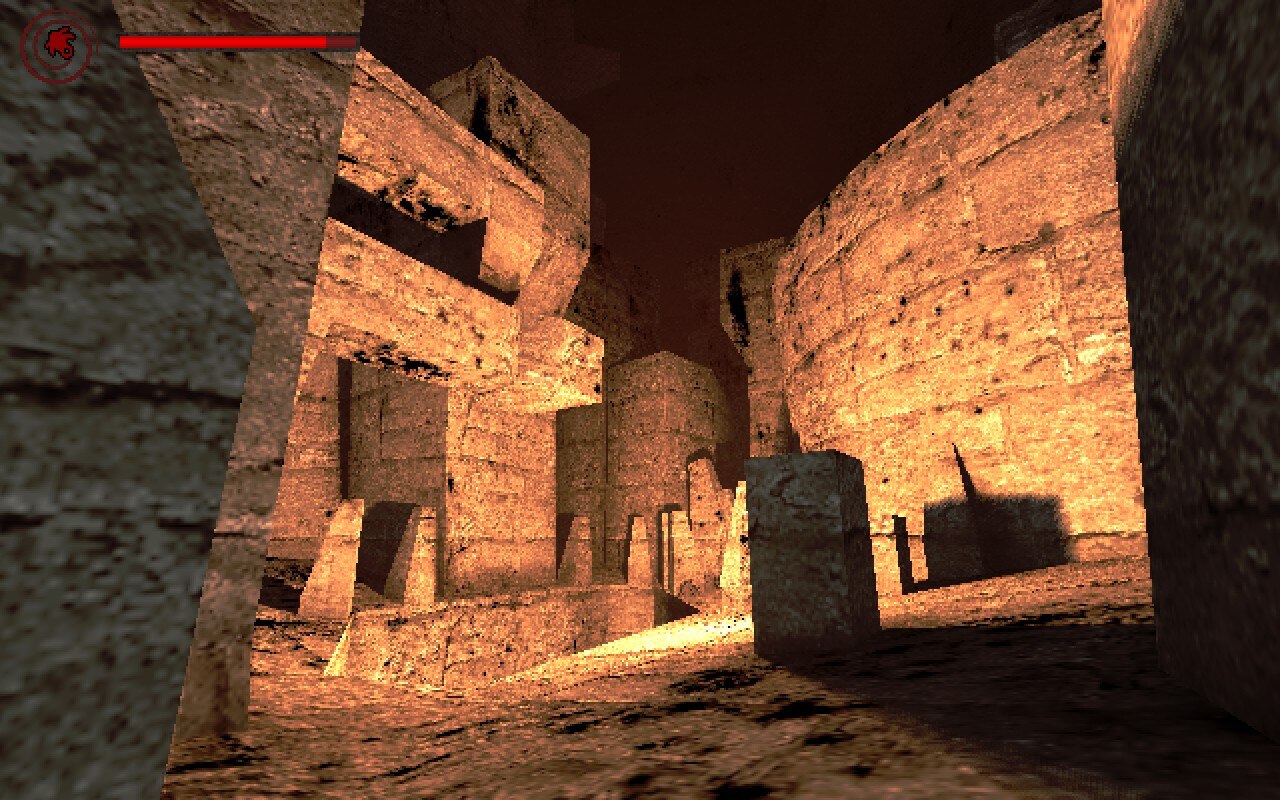
At first glance, Idols of Ash appears to be just another entry in the saturated market of low-poly, first-person horror titles that have become a hallmark of the 21st-century indie development scene. Its aesthetic—a blend of muted tones, jagged geometry, and an oppressive, claustrophobic atmosphere—suggests a slow-burn narrative experience. However, beneath this veneer of psychological dread lies a mechanical core that is far more kinetic than its peers. It is, at its heart, a high-stakes physics-based platformer that demands the reflexes of an arena shooter and the nerves of a base jumper.
The game tasks the player with a singular, harrowing objective: descend into the mouth of a fathomless, lightless pit. What follows is a two-hour descent that oscillates between meditative exploration and heart-pounding terror, anchored by a traversal system that feels as fluid as it is unforgiving.
The Mechanical Foundation: Mastering the Tether
The crux of Idols of Ash is a versatile grappling hook, a tool that dictates the tempo of the entire experience. Unlike many games where a grappling hook serves as a scripted convenience, here it is the player’s primary means of survival. The system allows for a variety of movement techniques: players can tether to their current position to descend safely, perform mid-air catches after a fall, or generate momentum to swing across massive gaps.
The learning curve is steep but intentional. Early segments of the game encourage a methodical, almost cautious approach. Players learn to gauge the distance between outcrops and the physics of the rope’s slack. It is a game for the "nyctophile"—someone who finds beauty in the darkness—offering a quiet, melancholic atmosphere that invites the player to take in the crumbling architecture of the subterranean expanse. Yet, this sense of security is a deliberate deception, designed to lure the player into a false sense of comfort before the game’s true nature is revealed.
Chronology of a Descent: From Exploration to Evasion
The player’s journey begins at the surface, staring down into the void. The initial descent mimics the "drop-down" mechanics found in FromSoftware titles like Dark Souls, where every ledge feels like a gamble. The atmosphere is heavy with the weight of the unknown, and for the first few minutes, the game feels like an atmospheric walking simulator.
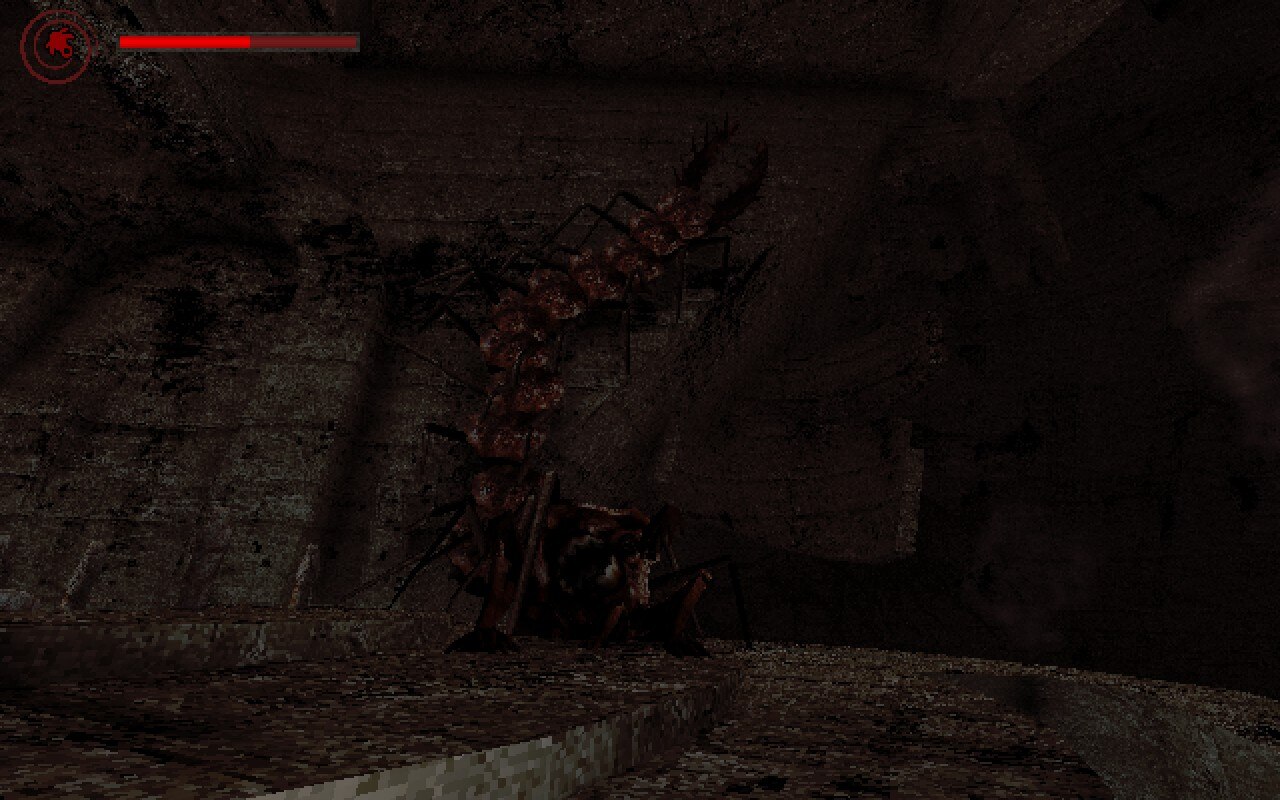
However, the tone shifts abruptly with the introduction of the game’s primary antagonist: a gargantuan, trunk-sized centipede that emerges from the gloom. This encounter serves as the first major "gate" for the player. It is a moment of pure tonal whiplash. The creature is not merely a background element; it is an active hunter. Its mandibles are swift, and its presence turns the vertical shaft into an arena of survival.
After the initial shock—which often leads to frustration—the player is forced to abandon the slow-paced exploration of the early game. To survive the lower depths, one must master the art of speed. The traversal becomes a dance of timing and instinct. Players must learn to calculate swings, predict the centipede’s path, and trust their momentum. The game essentially transforms into an "arena shooter without a gun," where the "enemy" is the environment itself, and your weapon is your ability to maintain flow.
The Physics of Fear: Supporting Data and Mechanics
The game’s design is a study in tension management. The developer, Leafy Games, has implemented a physics engine that rewards boldness over caution. The deeper one descends, the more the game discourages traditional movement. Players find themselves relying on "scurrying leaps"—quick, high-speed maneuvers that leave little room for error.
- Difficulty Scaling: While a standard run takes approximately two hours for the average player, speedrunners have reported completion times as low as 20 minutes. This discrepancy highlights the depth of the movement system; once the mechanics are mastered, the "horror" element gives way to the precision of a high-skill platformer.
- Nightmare Mode: Upon completion, players unlock a mode that removes checkpoints and accelerates the centipede’s movement. This mode has sparked a divide in the community, with some purists arguing it is the "intended" way to experience the game’s intended cruelty.
- The Sandbox Alternative: Recognizing that not every player wishes to endure constant pursuit, Leafy Games included a sandbox mode. This allows for the modification of variables such as rope length, fall damage, and the complete removal of the centipede, catering to those who prefer the atmospheric "climbing" aspect of the game.
Developer Intent and Official Perspectives
While Leafy Games has remained relatively quiet regarding the specific lore of Idols of Ash, the game’s climax speaks volumes about its thematic goals. The narrative is intentionally sparse, relying on environmental storytelling to bridge the gaps in exposition.
In discussions within the developer’s community forums, it has become clear that the game was designed to evoke a "feverish nightmare" experience. The sense of accomplishment players feel at the end is not just a result of finishing a game, but of surviving a high-stress ordeal. The developers appear to have prioritized the feeling of the descent over the clarity of the plot, betting that the player’s personal struggle with the mechanics would create a more lasting memory than any cutscene could.
Implications for the Indie Platformer Genre
Idols of Ash stands as a significant case study in how to reinvent a genre. By taking the "horror" aesthetic and marrying it to the mechanical depth of a high-speed traversal game, it avoids the stagnation often found in indie platformers.
The game’s success suggests that players are hungry for experiences that do not hold their hands. The "rage-quit" factor is, paradoxically, part of the appeal. It forces the player to improve, turning a daunting, impossible-looking pit into a personal playground. The implications for future indie titles are clear: gameplay-first, atmospheric-second design can create a compelling hook that keeps players engaged far longer than a traditional narrative-heavy game.
Conclusion: Is It Worth the Fall?
Idols of Ash is a triumph of design, even if its difficulty and tonal shifts are not for everyone. It is a game that demands patience, then speed, and finally, total mastery of its physics. While it may appear to be another low-poly horror clone, it is, in reality, a precision platformer that ranks among the most exhilarating experiences of the year.
For those who enjoy the thrill of the climb, the challenge of the chase, and the satisfaction of mastering a complex movement system, Idols of Ash is an essential addition to your library. It is currently available on Steam and Itch.io, waiting for those brave enough to look down into the pit and jump. Just be prepared to face the centipede—it has been waiting for you, and it is very hungry.

