

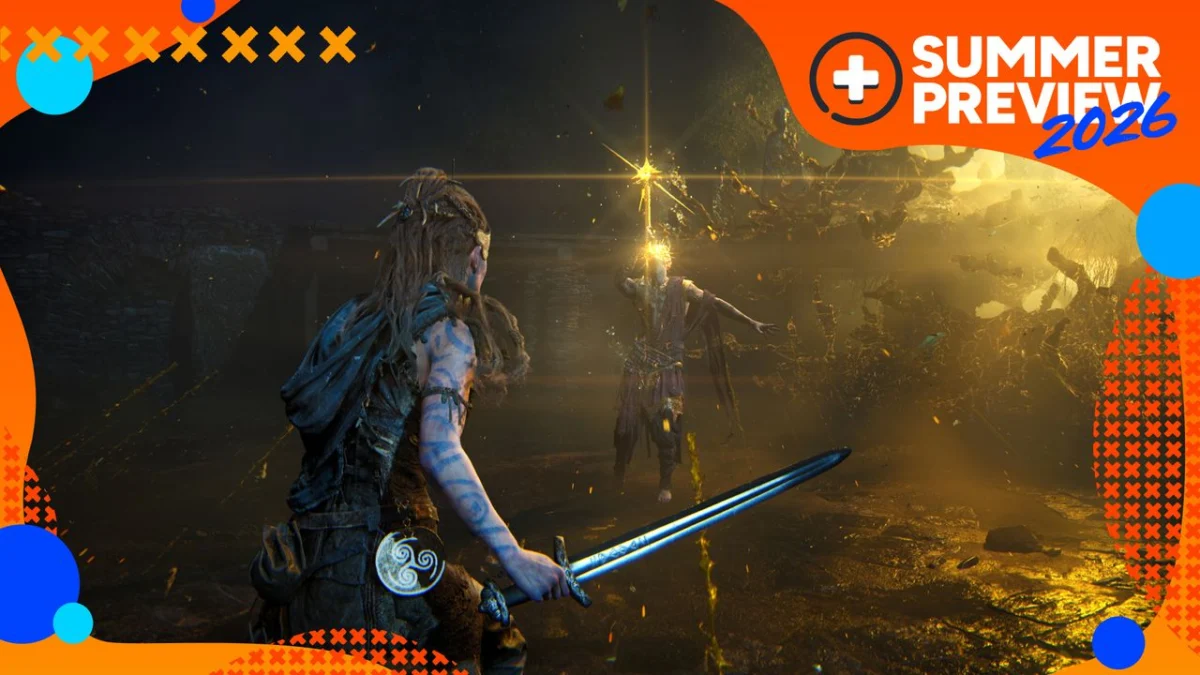
At the recent Xbox Games Showcase, Ninja Theory unveiled its next major project—a title simply titled Senua. By stepping away from the Hellblade moniker, the studio is signaling a seismic shift in direction. This new action-adventure game, slated for a 2027 release across Xbox, PC, and—notably—PlayStation 5, represents more than just a sequel; it is a critical attempt to redefine the scope and accessibility of one of gaming’s most deeply personal franchises.
For fans of the series, the announcement carries the weight of expectation. Hellblade became a landmark for intimate, psychologically taxing storytelling, but it was also a title often described as "cinematic to a fault." As Ninja Theory looks to the future, it is clear that the studio is confronting the limitations of its own past success to ensure its survival in a volatile industry.
The Mandate for Change: Listening to the Audience
The transition from Hellblade 2 to the upcoming Senua was not born in a vacuum. According to studio head Dom Matthews, the development team spent extensive time analyzing player feedback following the 2024 release of Senua’s Saga: Hellblade 2.
"The resounding feedback, frankly, was that people loved the presentation, the story, the tone, and the atmosphere that we achieved," Matthews explained in an interview with Xbox Wire. "But they’d just love to be able to engage with Senua at a deeper level, with more gameplay, with more agency."
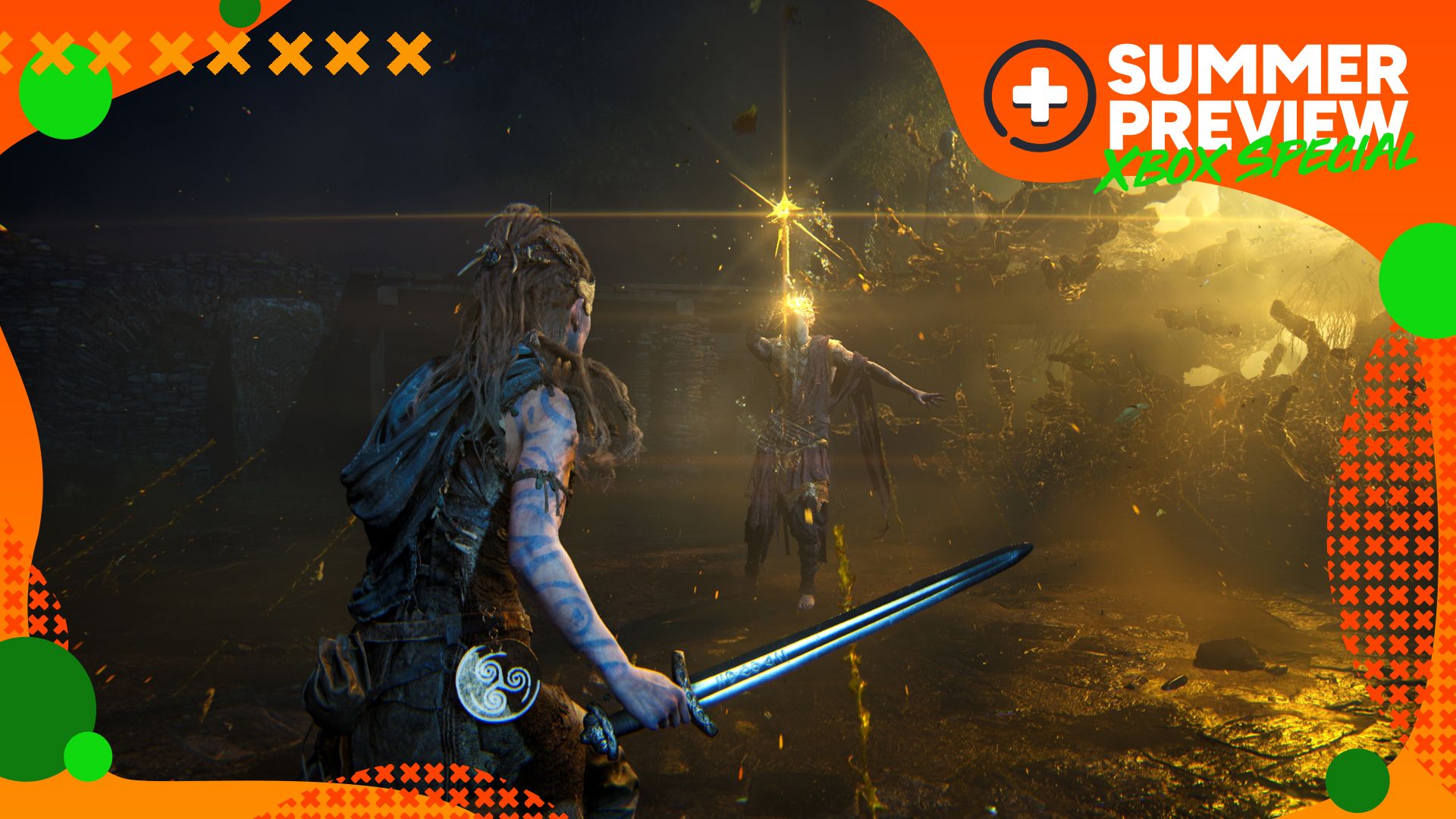
This candid acknowledgment highlights a fundamental tension that has defined Ninja Theory’s recent years: the balance between high-concept narrative art and engaging, tactile mechanics. While Hellblade was lauded for its portrayal of mental health and its haunting atmosphere, some critics and players found the gameplay loops—specifically the puzzles and the rigid, choreographed combat—to be restrictive. The upcoming project aims to break those chains, shifting the focus from a "walking simulator with combat" toward a fully realized, responsive action-adventure experience.
Chronology of an Evolution: From DmC to 2027
To understand the shift occurring at Ninja Theory, one must look at the studio’s history. Before they were pioneers of the "indie-triple-A" space with Hellblade, Ninja Theory was renowned for high-octane action games. Their 2013 title, DmC: Devil May Cry, remains a high-water mark for the studio’s technical prowess in combat design.
For nearly a decade, the studio operated in silos, with small teams juggling experimental projects like Project Mara while others focused on the Hellblade series or the ill-fated multiplayer title Bleeding Edge. Following the lukewarm reception of Bleeding Edge and the divisive nature of Hellblade 2, management made a strategic decision to abandon the siloed approach.
For the first time since 2013, the entire studio is working as a single, unified unit on Senua. This move is designed to consolidate resources, elevate the production values, and, most importantly, inject the technical depth of their earlier action games into the character-driven narrative of Senua.
Supporting Data: Widening the Scope
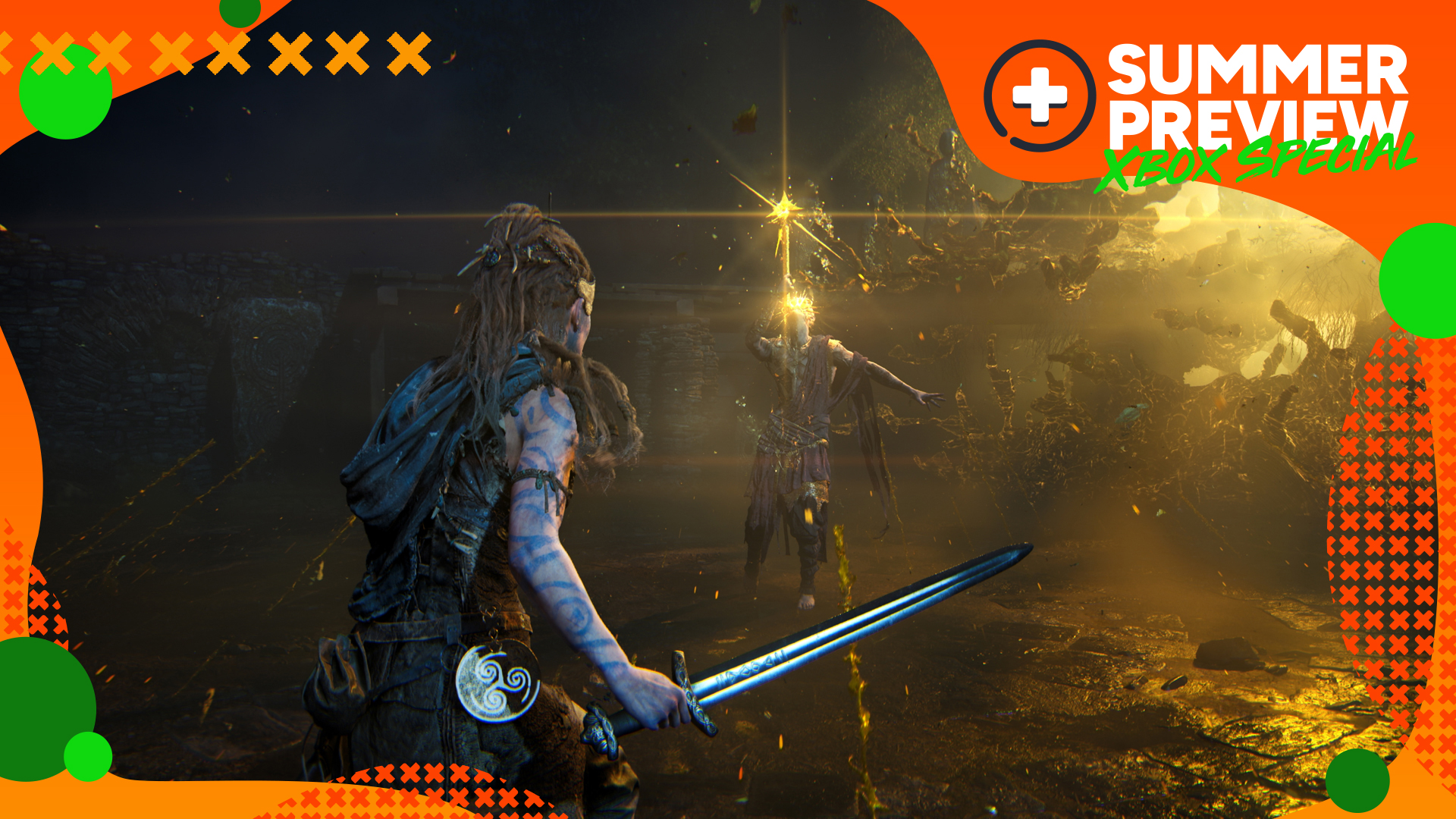
The scope of the new game is markedly different from its predecessors. The world of Senua is described as roughly double the size of the Hellblade 2 map, yet the team is consciously avoiding the pitfalls of the modern "open-world" trend.
Matthews has clarified that the project is a "linear story told through a map built of interconnected locations." This design philosophy aims to maintain the narrative urgency that defines the franchise while rewarding exploration—a departure from the tighter, more claustrophobic paths of the previous games.
The combat system is the most significant beneficiary of this new approach. The developer is introducing:
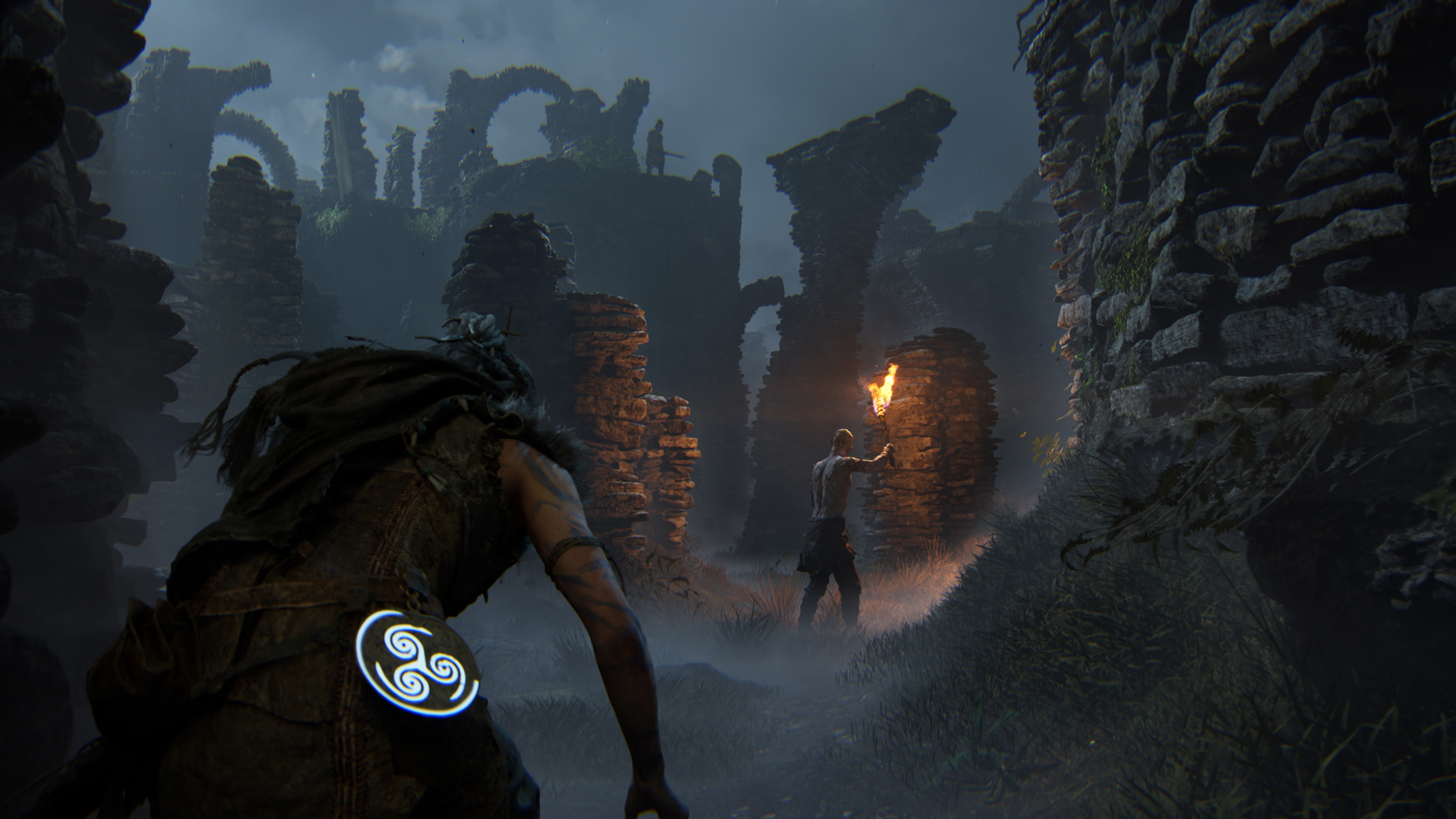
- Verticality: Combat encounters now take place across varying terrain, requiring players to navigate space as much as they manage health bars.
- Dynamic Weaponry: Senua will be able to scavenge weapons from fallen enemies, including throwable short axes and dual-wielding combinations, such as pairing a sword with a flaming torch.
- Increased Mobility: The transition from idle exploration to high-intensity combat has been smoothed out, allowing for faster, more fluid dashes and counter-attacks that utilize the studio’s world-class motion capture technology.
Official Responses and Strategic Realignment
The timing of this pivot coincides with a period of significant restructuring within Microsoft’s gaming division. Under the leadership of new CEO Asha Sharma, Xbox is moving toward a more disciplined strategy, prioritizing "industry-defining franchises" over the sheer volume of output.
"We expanded our studio system when we needed a pipeline of content to meet multiple strategies across subscription, streaming, and devices," Sharma stated in a recent address regarding the "next 100 days" of Xbox. "In the process, we have found ourselves overextended as we executed on changing strategies in a landscape of more readily available content."
This rhetoric is, for many industry observers, a cautionary signal. With the closure of studios like Arkane Austin and Tango Gameworks, the pressure on Ninja Theory to deliver a commercial and critical smash hit has never been higher. The decision to make Senua a multi-platform release—launching on PS5 alongside Xbox and PC—is a clear indication that Microsoft is prioritizing revenue and reach over hardware exclusivity, a move that suggests a "make or break" scenario for the studio.
Implications: A Make-or-Break Moment?
The implications of this shift are profound. By moving away from the Hellblade brand, Ninja Theory is attempting to distance the franchise from its past baggage. They are essentially telling the market: "This is not just another interactive poem; this is a game."
However, there is a risk in this strategy. By widening the scope, the studio risks diluting the very elements that made the original Hellblade a cultural touchstone—its singular focus on the internal, often quiet, struggle of its protagonist. If the combat becomes too prevalent or the world too large, they may lose the intimacy that cemented Senua as an iconic figure in modern gaming.
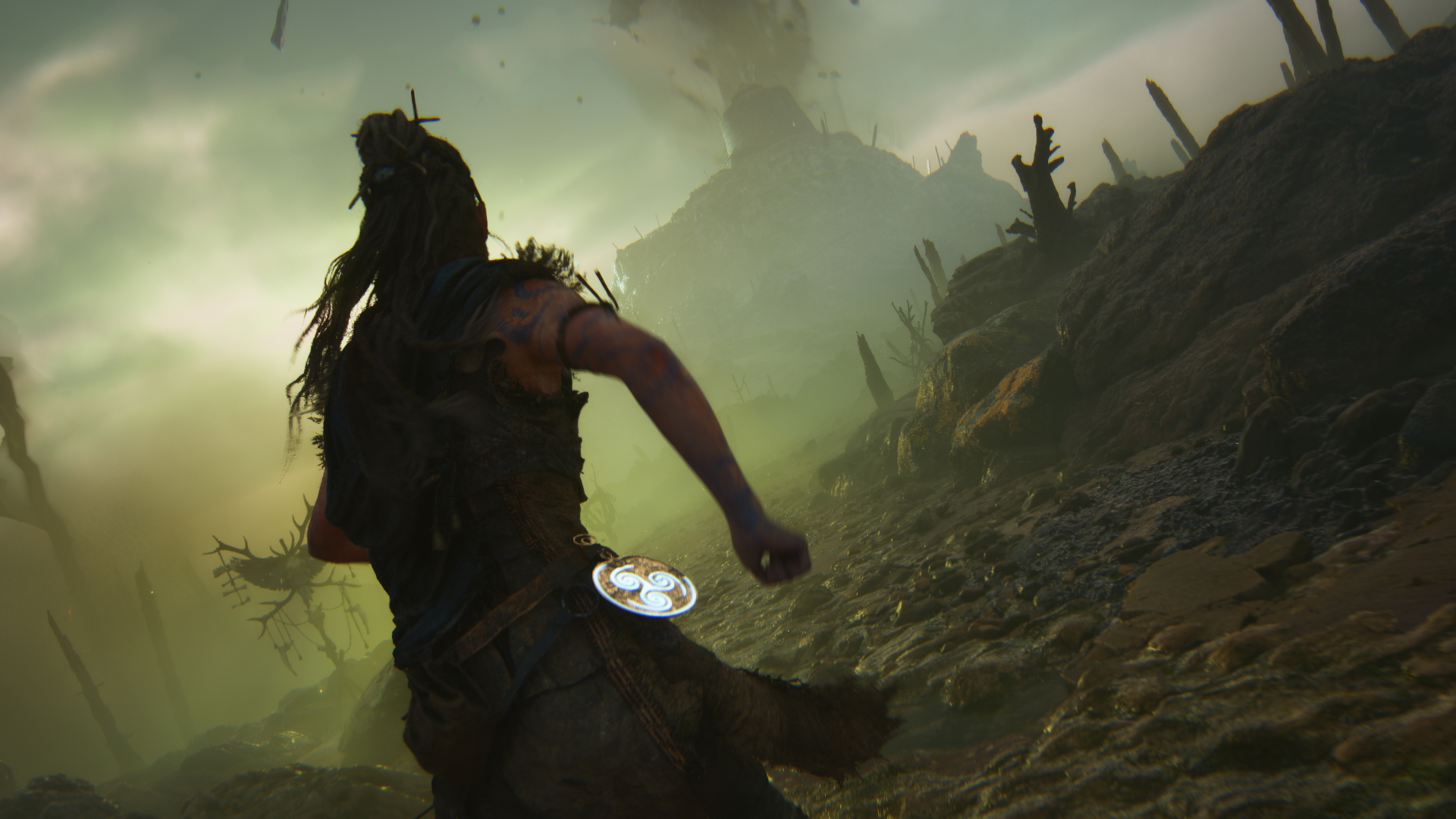
Furthermore, the studio must navigate the shadow of their own output. With only two major titles released since their acquisition by Xbox, Ninja Theory is currently in a "prove it" phase. They have the technology, the talent, and the resources, but the current corporate climate at Xbox leaves very little room for error.
The Road Ahead
As we look toward 2027, the industry will be watching Senua closely. It is a test case for whether a studio known for artistic, niche storytelling can pivot to provide a broader, more mechanically robust experience without losing its soul.
If successful, Senua could establish a new blueprint for the action-adventure genre—one that marries the emotional depth of an indie project with the technical polish of a modern blockbuster. If it fails to find that balance, however, it may serve as the final chapter in the story of one of gaming’s most respected independent voices turned Xbox cornerstone.
For now, the pressure on Senua’s shoulders is heavy, but as the team at Ninja Theory continues to refine their vision, the potential for a masterpiece remains. Whether that masterpiece will be defined by its combat, its narrative, or its ability to survive the changing tides of the gaming industry, remains to be seen. One thing is certain: the journey into the afterlife of this franchise will be as treacherous for the developers as it is for the heroine herself.

