

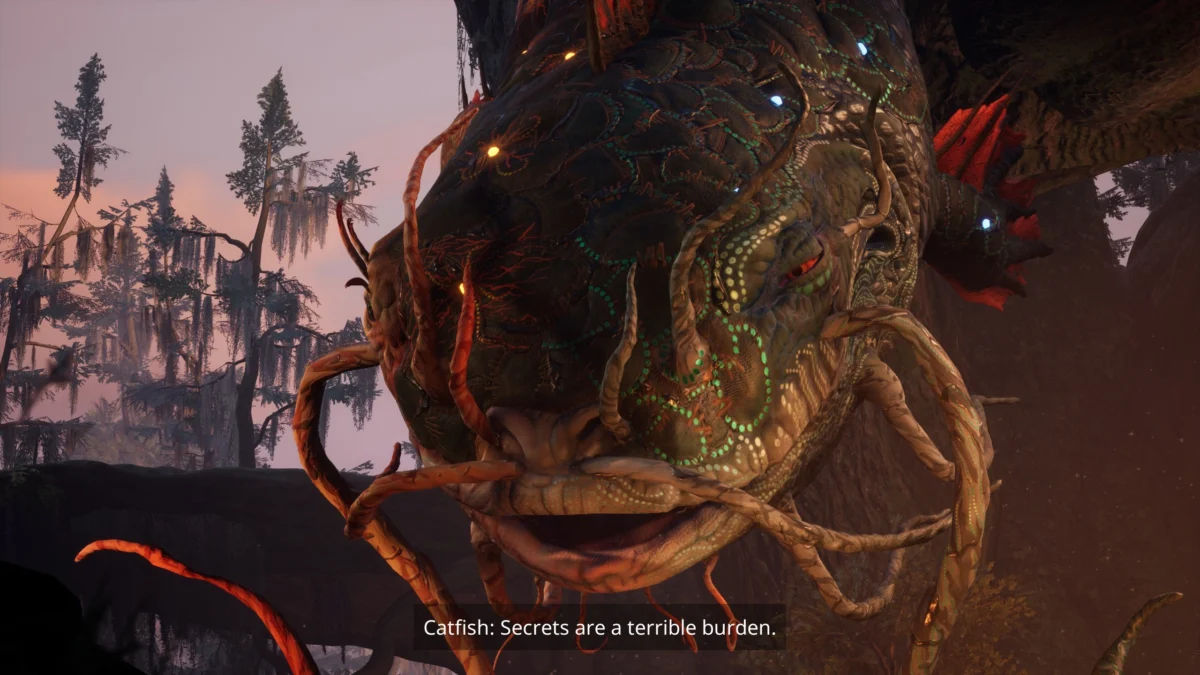
The gaming industry is reeling following reports that Microsoft’s Xbox division is preparing for a series of high-profile studio closures and significant layoffs. Central to this unfolding crisis is the potential shuttering of Montreal-based Compulsion Games, the critically acclaimed studio responsible for the 2025 standout South of Midnight. This development marks a jarring pivot for Microsoft, which had only months prior lauded the studio for its contributions to interactive storytelling.
According to reporting by Bloomberg’s Jason Schreier, the situation is dire: Compulsion Games and the iconic Psychonauts developer Double Fine are currently in desperate, active negotiations to spin off from the Microsoft umbrella in a bid to avoid permanent closure. Furthermore, the reports suggest that Ninja Theory—the studio behind Senua’s Saga: Hellblade II—and several other undisclosed entities within the Xbox portfolio are also facing the threat of being shuttered as part of a broader corporate restructuring.
The Chronology of a Crisis
The current turmoil follows a tumultuous period of growth and subsequent retrenchment for Xbox. After an aggressive period of acquisition aimed at bolstering the Game Pass service, Microsoft now appears to be executing a "reset" under new leadership.
The trajectory of this collapse can be traced through several key moments:
- April 2026: Xbox leadership publicly celebrates Compulsion Games for winning a prestigious Peabody Award for South of Midnight. CEO Asha Sharma and Chief Creative Officer Matt Booty specifically cite the studio’s success as a benchmark for the "quality" of storytelling that Xbox intends to foster.
- Early June 2026: Bloomberg reports that Microsoft is planning "significant layoffs" as part of a strategic transformation led by CEO Asha Sharma.
- June 10, 2026: Asha Sharma issues a memo to staff regarding the "next 100 days" of the company. She explicitly admits that Microsoft "expanded our studio system when we needed a pipeline of content" but now finds itself "over-extended."
- Mid-June 2026: Reports emerge that Compulsion Games is slated for closure. Employees begin updating their professional profiles on LinkedIn, signaling that the reality of the situation has reached the workforce ahead of any official corporate announcement.
A Legacy Cut Short: The Impact of Compulsion Games
To understand the gravity of the potential closure, one must look at the output of the studio. Founded in 2009 in Montreal, Compulsion Games established a unique identity in the industry. After their debut title, Contrast (2013), the team gained notoriety with the dystopian, procedurally-inflected We Happy Few (2018).
However, it was their most recent project, South of Midnight, that solidified their status as a tier-one developer. Released in 2025 to widespread acclaim, the game garnered an 83% rating from PC Gamer, with critics praising its "poignant tale of hope and sorrow tailored to Deep South mythos." Beyond the commercial and critical success, the game was a cultural milestone, securing:
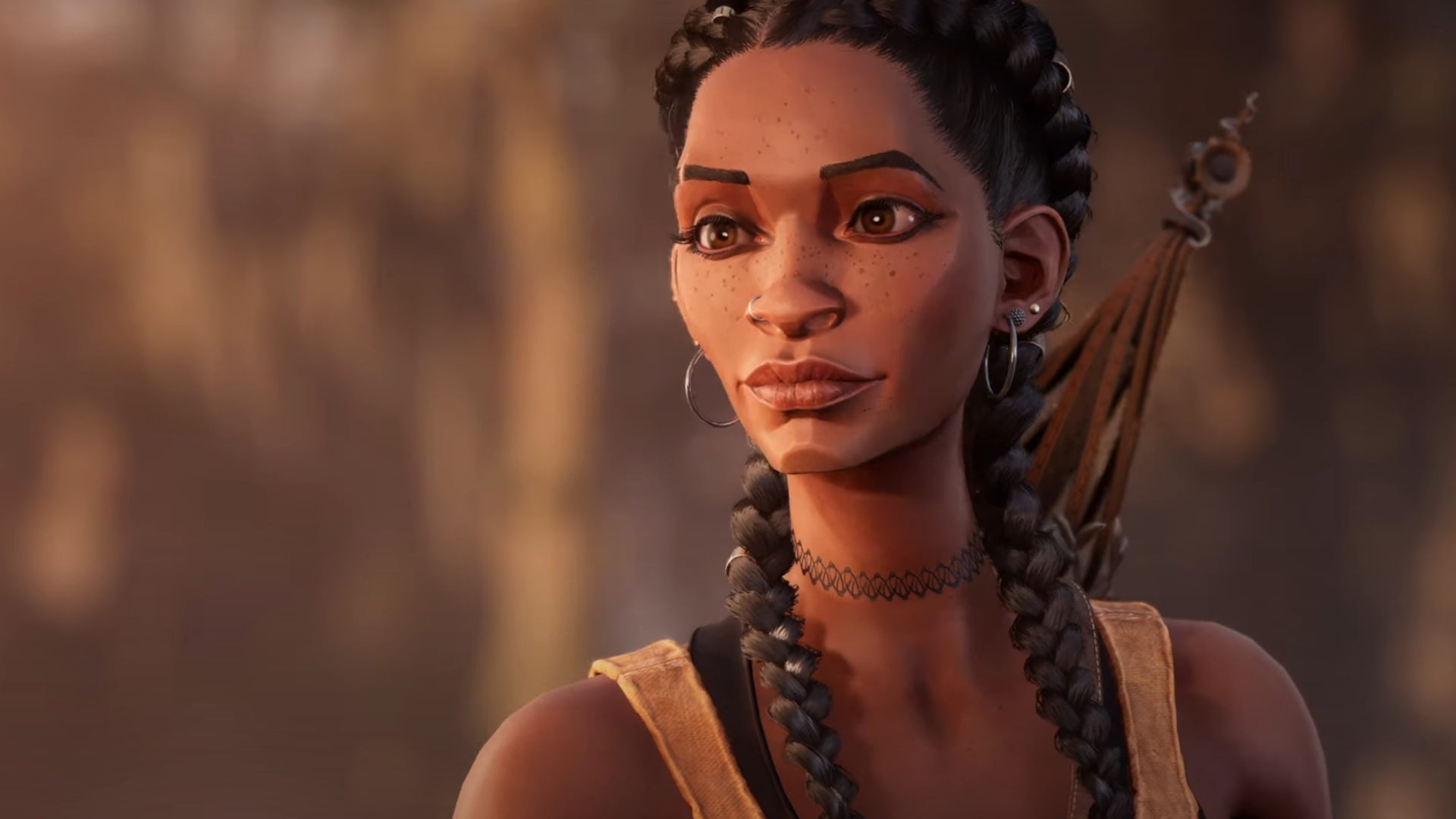
- The Games for Impact Award at the 2025 Game Awards.
- The Best New Intellectual Property Award at the BAFTAs.
- A prestigious Peabody Award for excellence in digital storytelling.
The irony of the situation is palpable. By shuttering a studio that successfully achieved the exact "high-quality, prestige storytelling" that Xbox executives publicly championed, Microsoft risks alienating its core audience and devaluing the creative spirit that defines its most successful acquisitions.
The Strategic Pivot: Xbox’s "Over-Extended" Philosophy
The root of this move lies in a fundamental shift in Xbox’s business model. Under CEO Asha Sharma, the strategy has moved away from the "growth at all costs" mentality that defined the Phil Spencer era. The goal is now efficiency, rapid development, and a focus on established, "safe" blockbusters.
In her recent address to employees, Sharma framed the cuts as a necessary reaction to a changing market. "We have found ourselves over-extended as we executed on changing strategies in a landscape of more readily available content," she noted. This language suggests that Microsoft is no longer interested in maintaining a diverse portfolio of experimental or mid-sized titles. Instead, the company is prioritizing the acceleration of development cycles for massive franchises like The Elder Scrolls, Fallout, and Halo.
This shift toward "efficiency" is often industry shorthand for the elimination of risk. By focusing solely on guaranteed hits, Microsoft is systematically dismantling the ecosystem of creative, independent-minded studios that gave Xbox its personality.
The Domino Effect: Implications for the Industry
The potential closure of Compulsion Games is not an isolated event; it is the first domino in a larger structural change. With fewer than 100 employees, Compulsion represents only a fraction of the total layoffs expected in the coming weeks. If a studio of such high caliber can be marked for death within months of winning a Peabody Award, the message to the remaining development teams is clear: no one is safe.
1. The Erosion of Institutional Knowledge
When a studio is shuttered, it is not just the software that is lost. It is the team’s collective experience, their proprietary technology, and the unique collaborative chemistry they have built over years. Replacing this with "outsourced" labor or pivoting to larger, less agile teams often leads to a decline in quality, even if the bottom line appears healthier in the short term.
2. The Talent Exodus
As news of the closures spreads, the most talented developers are likely to leave the Xbox ecosystem entirely. This "brain drain" could leave Microsoft with the intellectual property rights to its games but without the people capable of creating the next generation of hits.
3. The Future of Game Pass
If Microsoft continues to trim the fat from its studio roster, the value proposition of Game Pass will change. Subscribers may find a library filled with sequels and legacy titles, but with a noticeable void where the "surprise hits" and innovative indie-style projects used to be.
Official Responses and The Silence
As of this writing, neither Xbox nor Microsoft has issued a formal press release confirming the closure of Compulsion Games. The lack of transparency has created a vacuum filled by employee anxiety and industry speculation.
The contrast between the internal rhetoric of "supporting great storytelling" and the external reality of shuttering award-winning studios has led to a significant loss of trust. When Matt Booty, Xbox’s Chief Creative Officer, stated that Microsoft was "dedicated to places where new IP can come to life," few could have predicted that the "life" of those projects would be measured in mere months.
Conclusion: A Turning Point
The situation at Xbox serves as a stark reminder of the precarity inherent in the modern gaming landscape. Regardless of how many awards a studio wins or how well-received their games are, they remain subject to the whims of corporate bean-counters who view "creativity" as a line item on a spreadsheet.
As the industry watches the negotiations between Microsoft and its studios—including the desperate fight for independence by Double Fine—the question remains: What kind of company will Xbox be when the dust finally settles? If the current trajectory continues, Microsoft may find itself with a stable of profitable, recognizable franchises, but it will have sacrificed the soul of its gaming division to get there. For the developers at Compulsion Games and beyond, the "next 100 days" will not be about resetting a strategy—it will be about fighting for the right to continue doing the work they love.

