

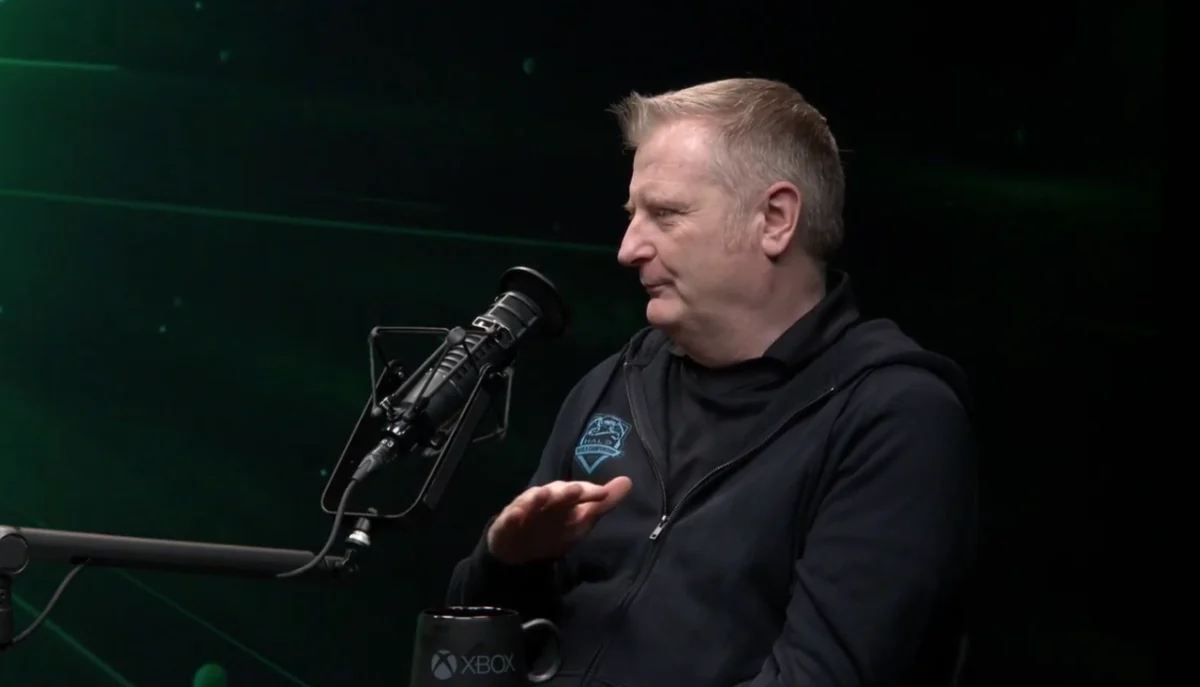
The organizational landscape at Microsoft’s gaming division is undergoing its most significant transformation in decades. In a stunning development that has sent ripples through the video game industry, Craig Duncan, the head of Xbox Game Studios, has stepped down from his post after just over a year-and-a-half in the role. His departure is accompanied by the resignation of Louise O’Connor, the Xbox Game Studios chief of staff, marking a seismic shift in leadership at a time when the company is attempting to navigate a precarious period of corporate restructuring.
This leadership vacuum occurs as Microsoft enters an aggressive, and by many accounts, "ominous" phase of reorganization dubbed the "Xbox reset." With the recent retirement of long-time gaming icon Phil Spencer, new leadership duo Asha Sharma and Matt Booty have begun dismantling the expansive studio ecosystem that defined the Xbox brand for the better part of the last decade.
The Main Facts: A Dual Resignation
The departure of Craig Duncan is particularly noteworthy given his long tenure within the Microsoft ecosystem. Before his promotion to head of Xbox Game Studios in early 2024, Duncan served as the stalwart leader of Rare, the legendary developer behind Sea of Thieves. His 13-year tenure at Rare was characterized by a focus on live-service sustainability and creative stability, making him a central figure in the company’s internal culture.
As head of Xbox Game Studios, Duncan was responsible for the strategic direction of a massive portfolio, overseeing industry heavyweights including Halo Studios, Obsidian Entertainment, The Coalition, inXile Entertainment, and Double Fine. His sudden exit, alongside that of Louise O’Connor, suggests a fundamental disagreement with—or an exclusion from—the new strategic vision being imposed from the top.
O’Connor, who joined Rare in 1999 as an animator, represented a deep, institutional memory of the Xbox brand. Her transition to chief of staff in August 2025 was intended to provide continuity during the post-Spencer transition. That she has chosen to depart simultaneously with Duncan signals that the current "reset" may be creating an untenable environment for those with long-standing ties to the studio culture.
A Chronology of the Xbox Transformation
To understand the current state of turmoil, one must look at the rapid sequence of events that have defined the last 18 months for Microsoft:
- Early 2024: Craig Duncan is elevated to head of Xbox Game Studios, signaling a push to align the various internal studios under a more unified, veteran-led management structure.
- Late 2025: Phil Spencer, the public face of Xbox and the architect of the Game Pass era, officially retires, leaving a power vacuum that is quickly filled by the appointment of Asha Sharma and Matt Booty.
- June 2026 (The "Reset" Begins): In an open letter to employees and the public, the new leadership team defines their strategy for the "Next 100 Days." The language, described by many analysts as "ominous," pivots away from the previous philosophy of rapid acquisition and toward a strategy of consolidation and profitability.
- June 2026 (Present): Reports emerge from Bloomberg and industry insiders confirming that the company is preparing for significant layoffs and the potential closure of multiple acclaimed studios.
The "Xbox Reset": Analyzing the Strategy
The core of the current crisis lies in the "Next 100 Days" directive issued by Sharma and Booty. The premise of this reset is that the previous era of aggressive acquisitions—which brought Bethesda, Activision Blizzard, and various independent studios into the fold—has left the company "overextended."
For years, the industry narrative surrounding Xbox was one of unlimited growth. Microsoft’s deep coffers allowed it to scoop up beloved developers, aiming to bolster the value of the Xbox Game Pass subscription service. However, the current leadership appears to have concluded that this model is unsustainable. The "reset" is, in practical terms, a move toward radical austerity.
The Threat to Studio Independence
The most alarming aspect of this reset is the reported hit list of studios. Rumors currently circulating suggest that Compulsion Games, the developer behind the upcoming South of Midnight, may be facing closure. This is particularly jarring given that, earlier this year, Microsoft was publicly championing the studio’s "award-winning" talent.
Furthermore, reports from Bloomberg indicate that other high-profile studios, including Double Fine (the creative powerhouse led by Tim Schafer) and Ninja Theory (the team behind the Hellblade series), are at risk. If these studios are shuttered or significantly downsized, it would represent a catastrophic loss of creative diversity within the Xbox ecosystem. It suggests a pivot away from unique, boutique game development in favor of focusing solely on massive, blockbuster intellectual properties that can guarantee immediate, high-margin returns.
Official Responses and Corporate Silence
As of this writing, Microsoft has remained largely tight-lipped regarding the specific departures of Duncan and O’Connor. Requests for comment have been met with standard corporate boilerplate, acknowledging the changes in leadership without offering context on the reasoning behind such high-level exits.
The lack of transparency has fueled speculation. In an industry that relies heavily on developer trust, the sudden purging of long-time leaders like Duncan and O’Connor is interpreted by many as a signal that the "human element" of game development is being sidelined in favor of cold, financial metrics. If the architects of the studio culture are leaving, the remaining developers are left with little guidance on how to preserve the creative soul of their projects during the transition.
Implications: The Future of the Xbox Ecosystem
What does this mean for the future of Xbox? The implications are wide-reaching:
1. The Death of the "Culture of Acquisitions"
The era of "more is better" is definitively over. Microsoft is moving from a period of expansion to a period of contraction. This will likely lead to a smaller, more focused library of games, prioritizing established franchises (like Halo, Call of Duty, and Forza) over experimental titles.
2. The Morale Crisis
The announcement of "significant layoffs" alongside the departure of leadership creates a toxic work environment. When developers at world-class studios like Double Fine or Ninja Theory hear that their jobs are "at risk," it inevitably leads to a decline in productivity and morale. Talented individuals who value their creative freedom may begin seeking employment elsewhere, leading to a "brain drain" that could haunt Xbox for years.
3. The Brand Identity Shift
Xbox has spent a decade positioning itself as a consumer-friendly, developer-centric platform. By implementing an "ominous" reset that involves potentially shuttering beloved studios, the company risks alienating its core audience. Gamers are loyal to studios, not just corporate entities. If the studios that built the Xbox reputation are dismantled, the brand may lose the very identity that Phil Spencer worked so hard to cultivate.
4. The Impact on Game Pass
The value proposition of Game Pass has always been a constant stream of new, diverse, and high-quality content. If the studios producing these games are being consolidated or closed, the quality and frequency of releases will inevitably suffer. If the "reset" results in a stripped-down, hollowed-out service, subscribers may begin to question the necessity of the subscription model itself.
Conclusion
The resignation of Craig Duncan and Louise O’Connor is not just a footnote in a corporate shuffle; it is a clear indicator that the "Xbox reset" is a violent departure from the past. Whether this strategy will lead to the long-term financial health of Microsoft Gaming remains to be seen. However, the short-term cost—measured in lost leadership, threatened studios, and an uncertain future for developers—is already becoming apparent.
As the "Next 100 Days" continue to unfold, the gaming world will be watching closely. For a company that once promised to be the best place for developers, the current trajectory suggests a much harsher, more corporate reality. The question is no longer whether Xbox can grow, but whether it can survive its own transformation without losing the very heart of what made it a gaming powerhouse in the first place.

